Summer heat and a busy schedule are not a great combination for garden lovers. But here's the good news: you don't need to water every single day to keep your plants healthy. With a few smart adjustments, your garden can handle the heat on its own — and actually thrive.
Start with drought-tolerant plants
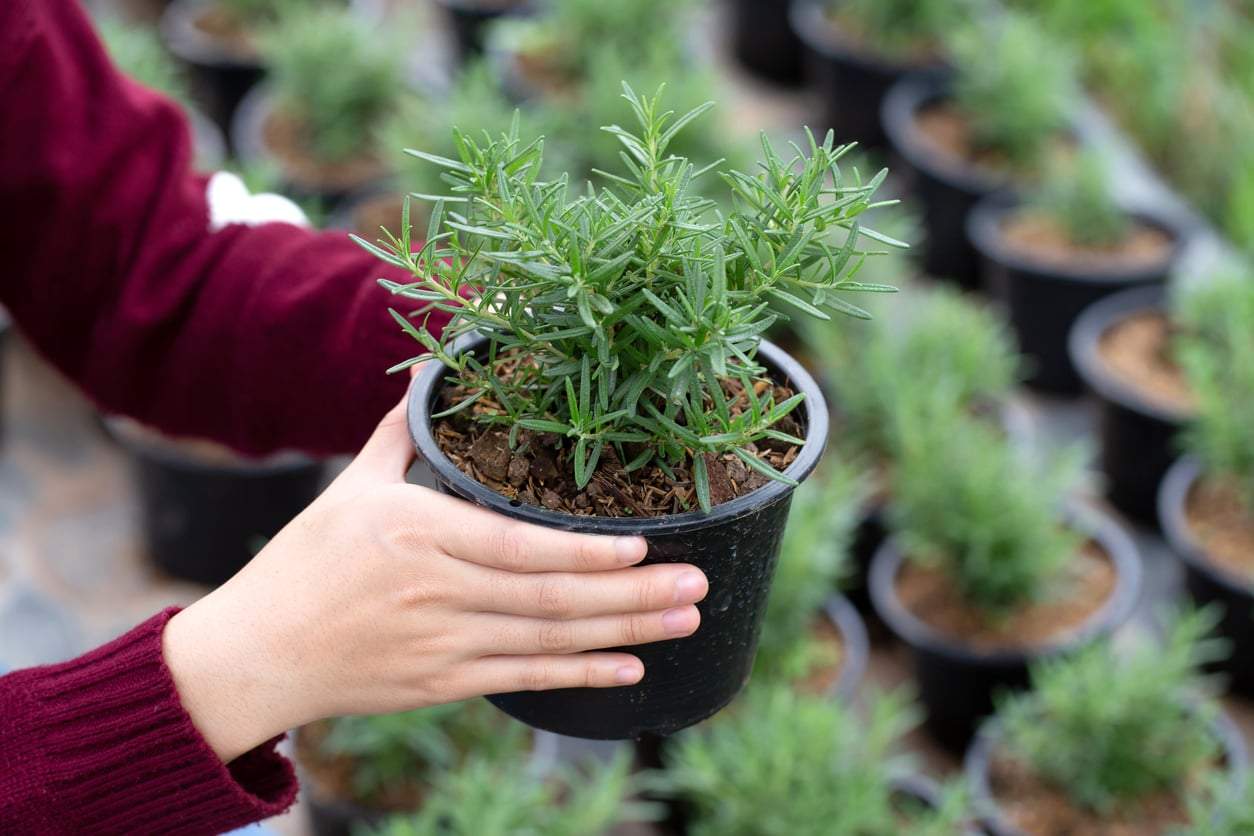
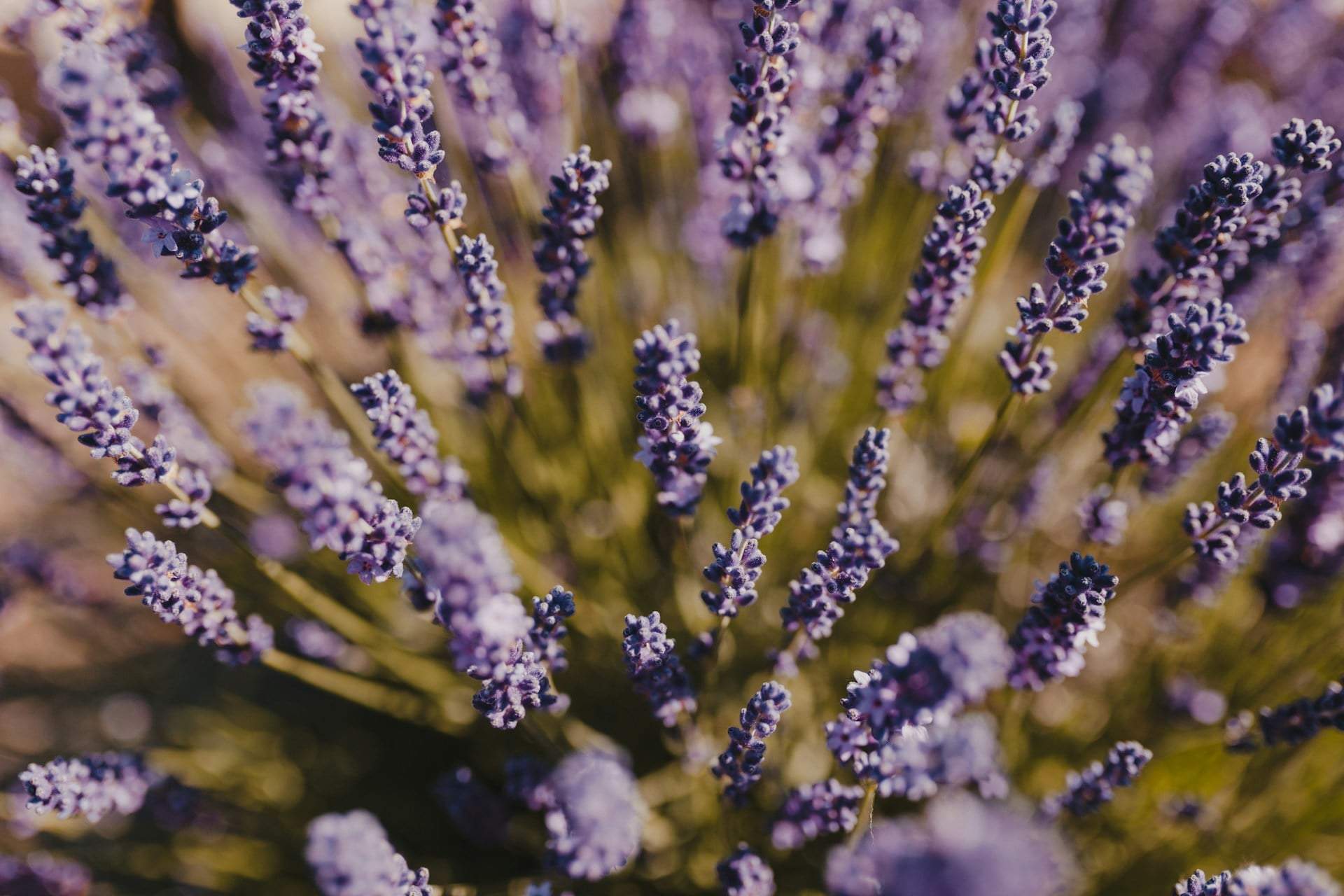
The single most effective thing you can do is choose plants that simply don't need much water. Lavender, rosemary, and thyme are classic examples — they're naturally adapted to dry conditions, look beautiful, and fill the garden with a warm Mediterranean fragrance.
Most drought-tolerant plants originate from Southern Europe, which means they handle warm summers well and grow happily with minimal watering. Plant them in groups so they can help each other retain soil moisture more effectively.
Mulch is your best friend
Mulching is one of the most underrated tricks in summer gardening. A layer of bark chips, straw, or grass clippings spread over the soil surface traps moisture underneath, keeps roots cool, and protects the ground from overheating.
Mulch also suppresses weed growth, which means you're cutting down on evaporation and eliminating the competition for water — all at once.
Container gardening gives you flexibility
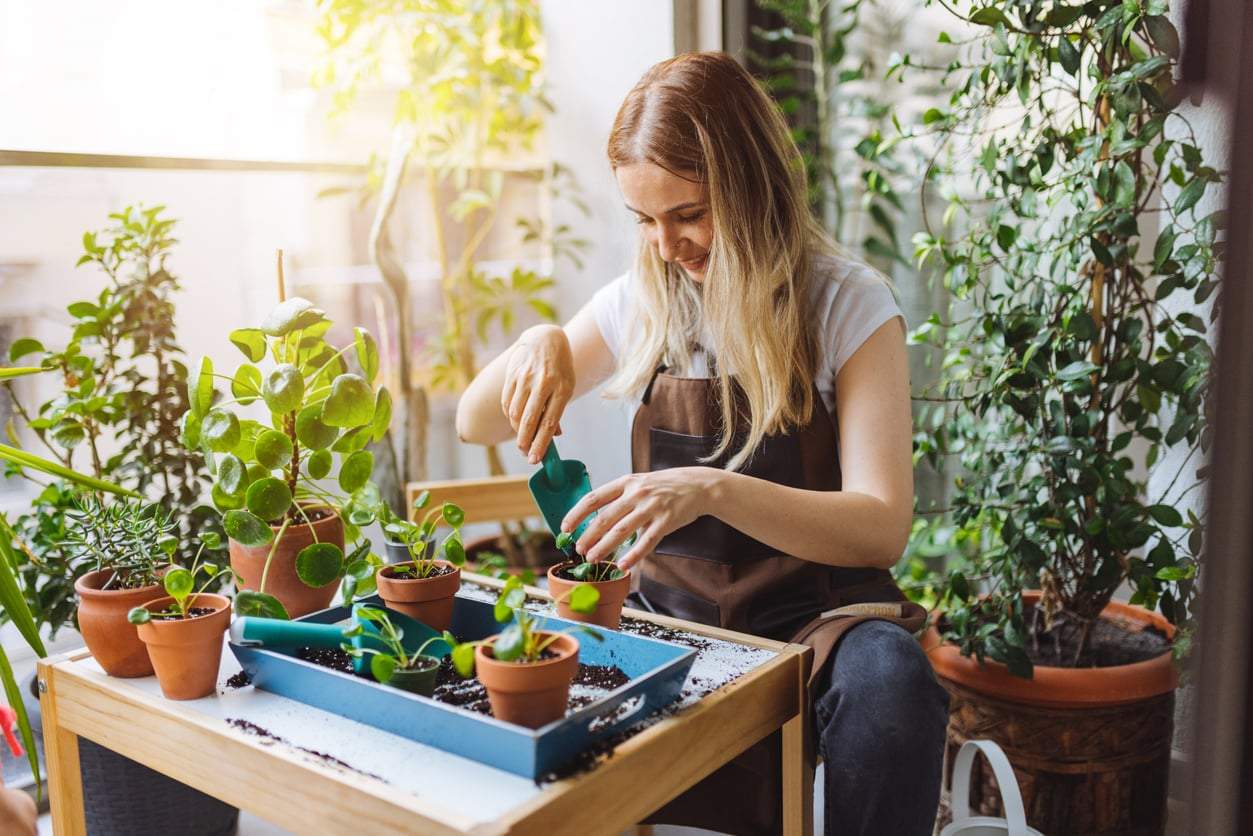
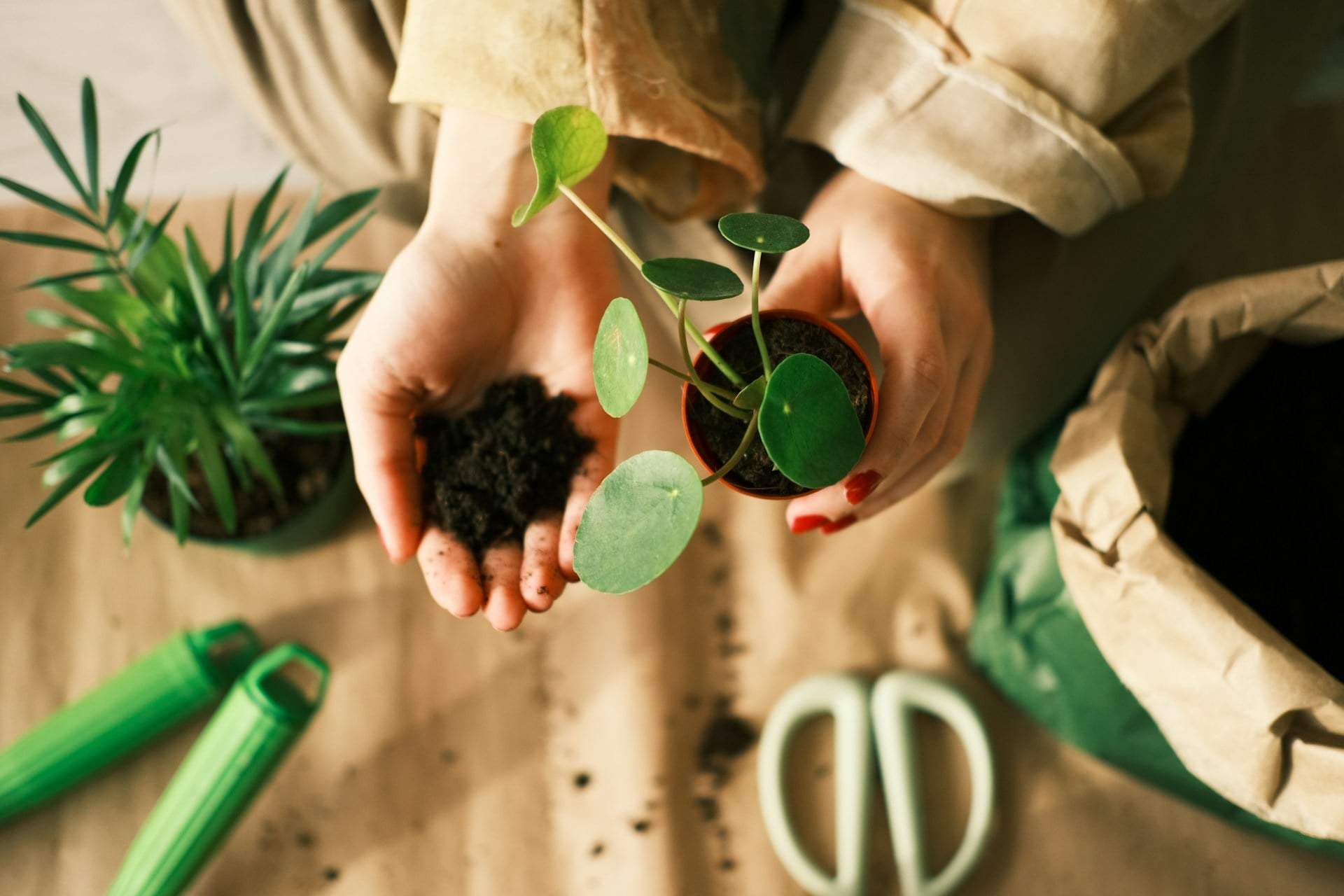
If you're short on space or time, container gardening is a surprisingly smart solution. Potted plants can be moved around easily, so on the hottest days you can simply shift them into a shadier spot.
With the right placement and orientation, you can dramatically reduce the risk of your plants drying out — and that matters most during a summer heatwave.
Water smarter, not more often
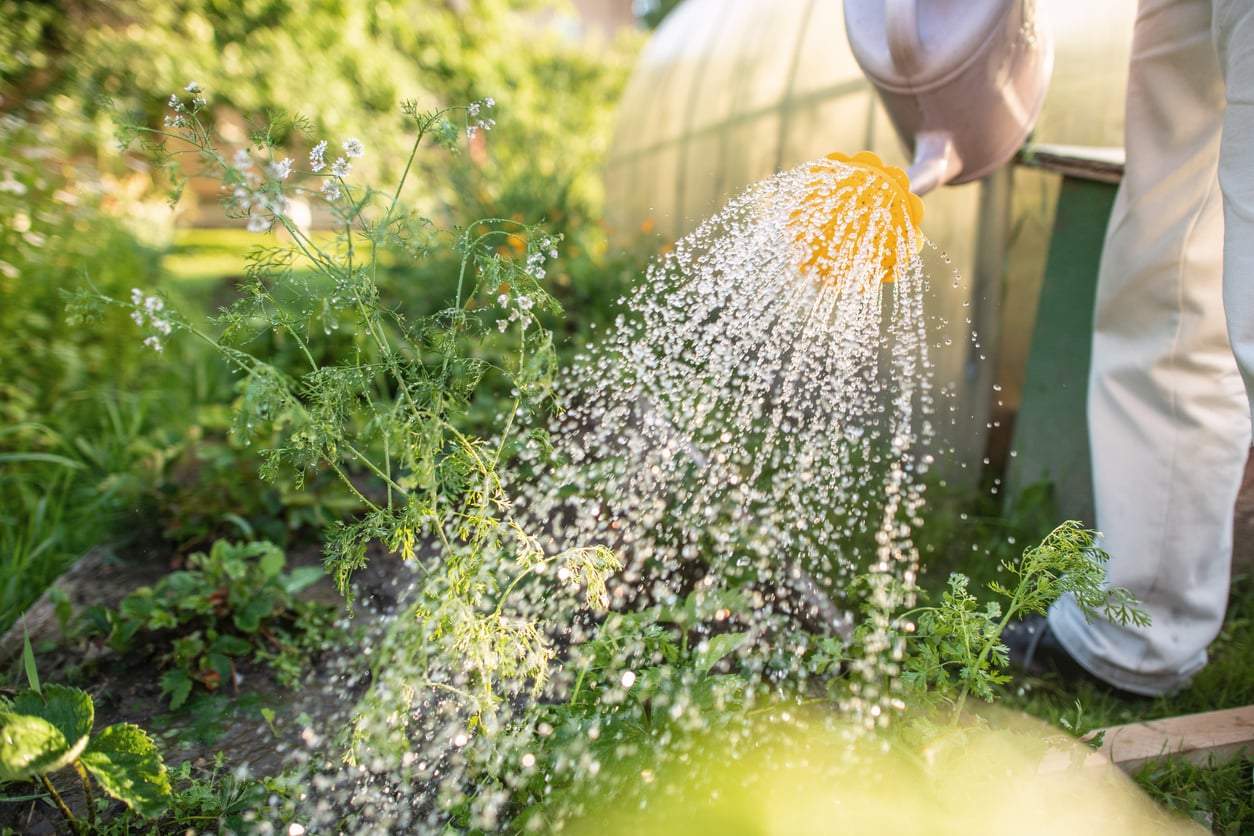
How you water matters just as much as how often. Deep, slow watering is far more effective than a quick surface spray, because it delivers moisture directly to the root zone where plants actually need it.
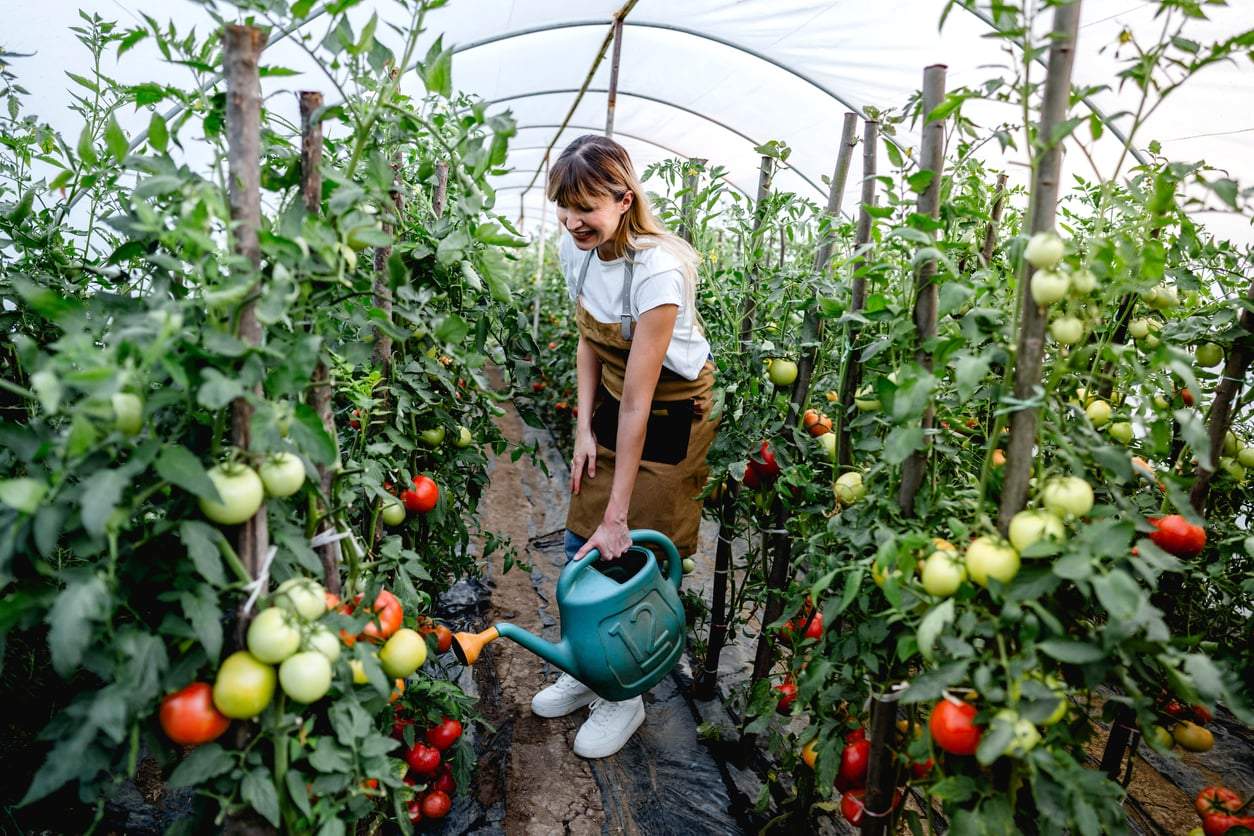
If possible, invest in a drip irrigation system — it minimises evaporation and ensures a steady, efficient water supply. If you're sticking with a traditional hose or watering can, always water in the early morning or late evening, when temperatures are lower and less water is lost to evaporation.
Think about layout and shade
A thoughtfully arranged garden uses far less water. Shade-loving plants do best in sheltered spots, while drought-tolerant varieties are happy in full sun. It sounds obvious, but getting this right makes a real difference.
Make the most of natural shade from trees, walls, or buildings. Even on the hottest summer days, a well-positioned plant needs significantly less water than one baking in direct sun.
Keep on top of basic maintenance
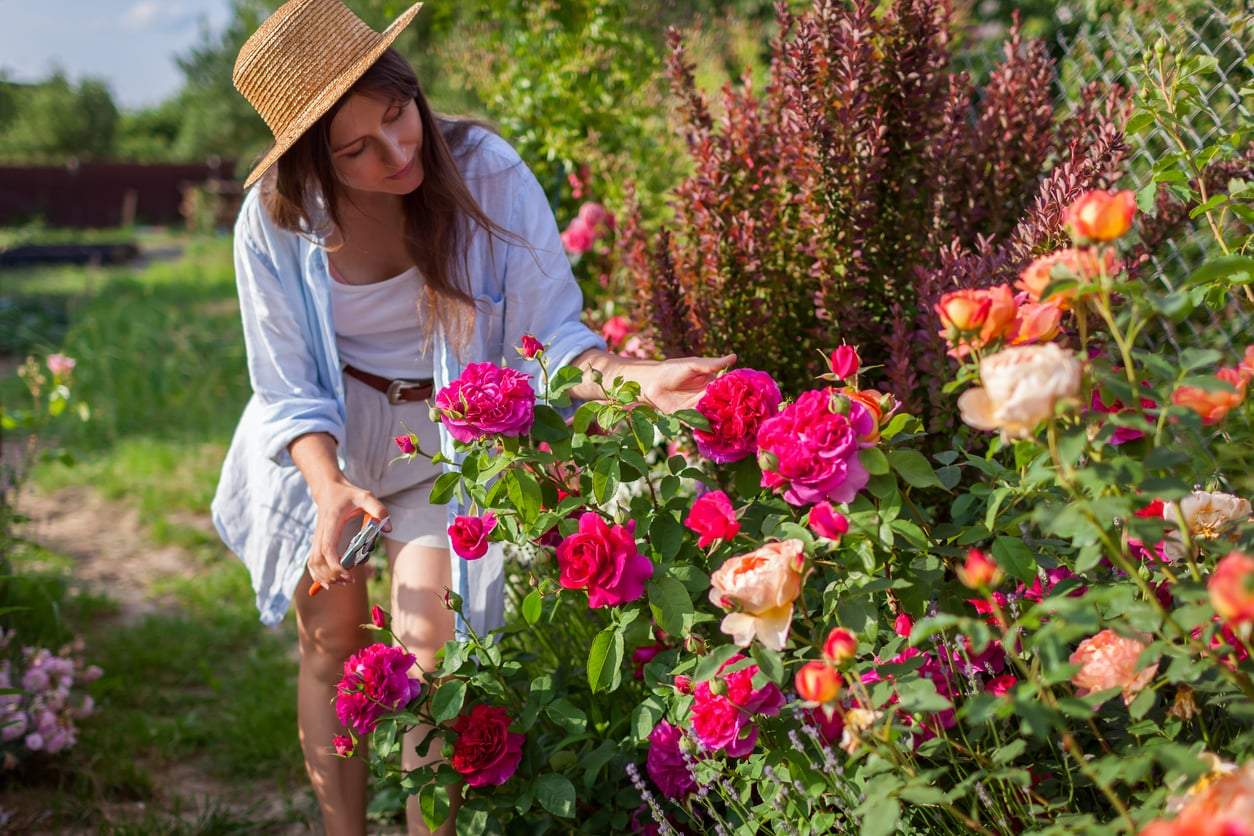
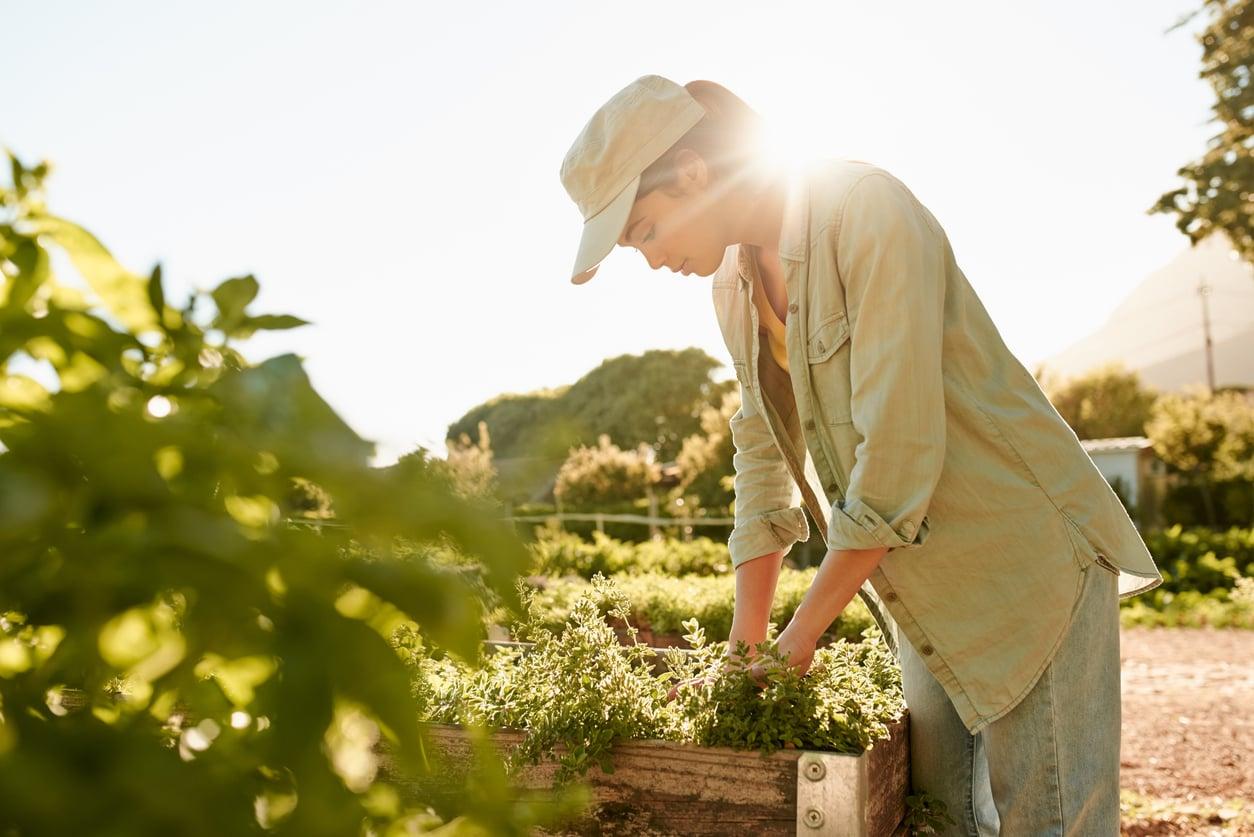
Removing dry or damaged shoots lets your plants direct their energy toward healthy growth. Regular pruning and light maintenance builds resilience — plants that are well cared for simply cope better with heat stress.
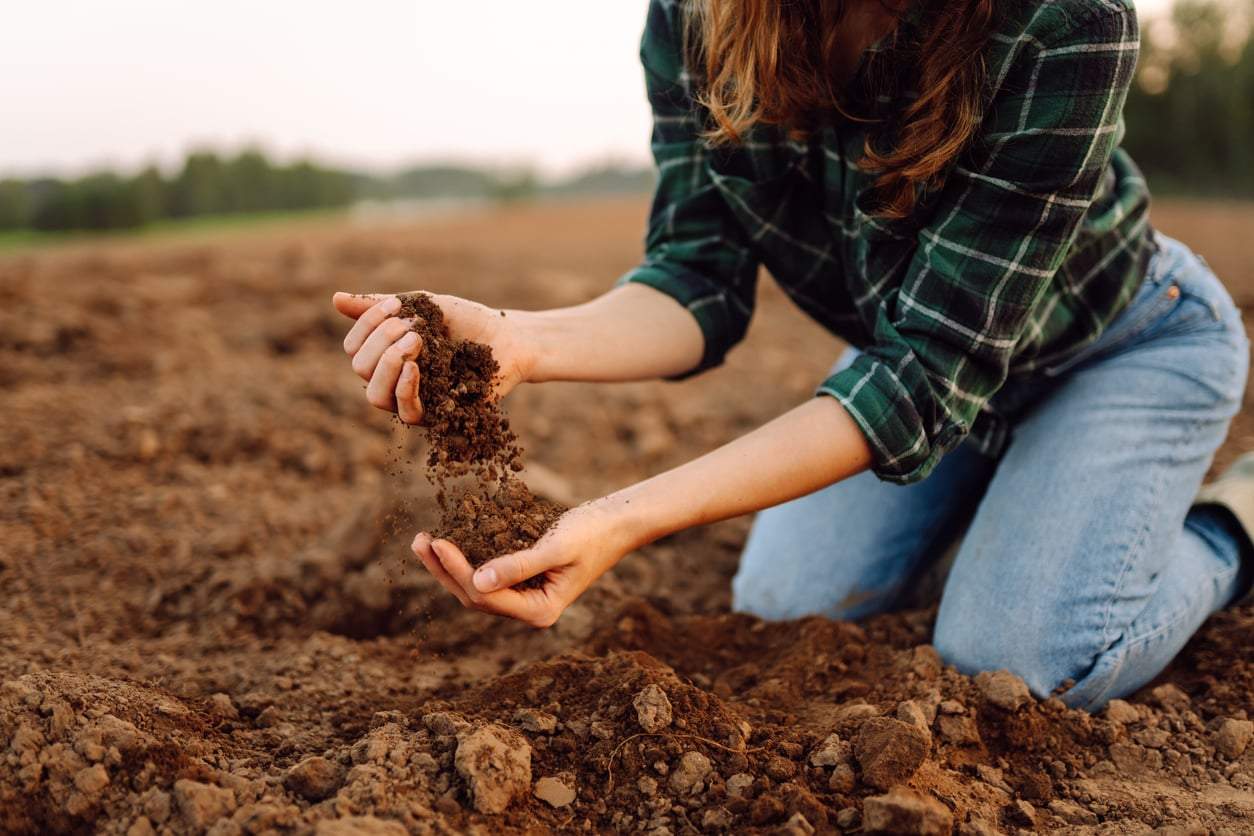
Don't forget to loosen the soil occasionally and pull out weeds. Weeds compete aggressively for water, quietly stealing moisture from the plants you actually want to keep.
With the right approach, a thriving summer garden doesn't require daily effort — just a little planning and a few smart habits.