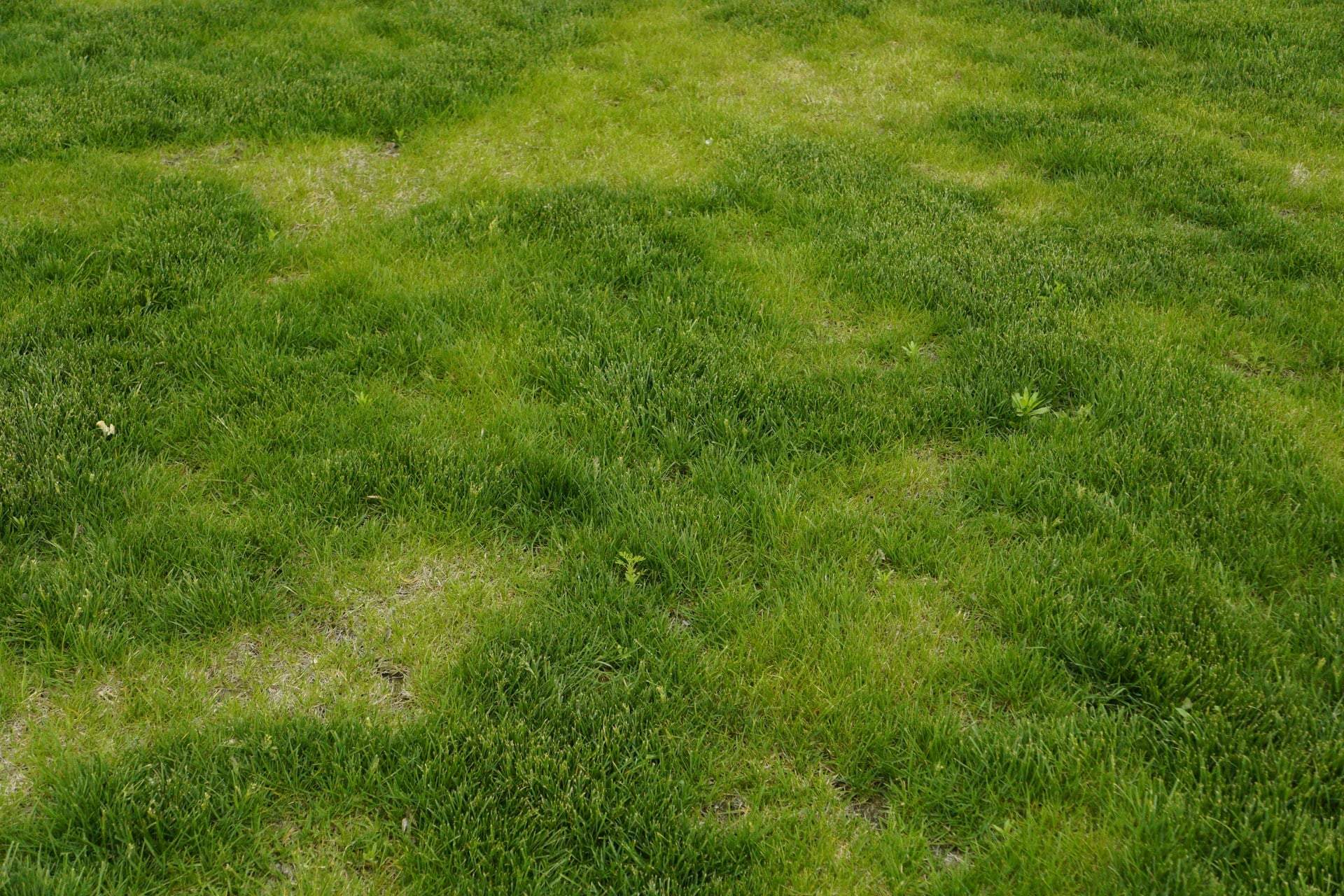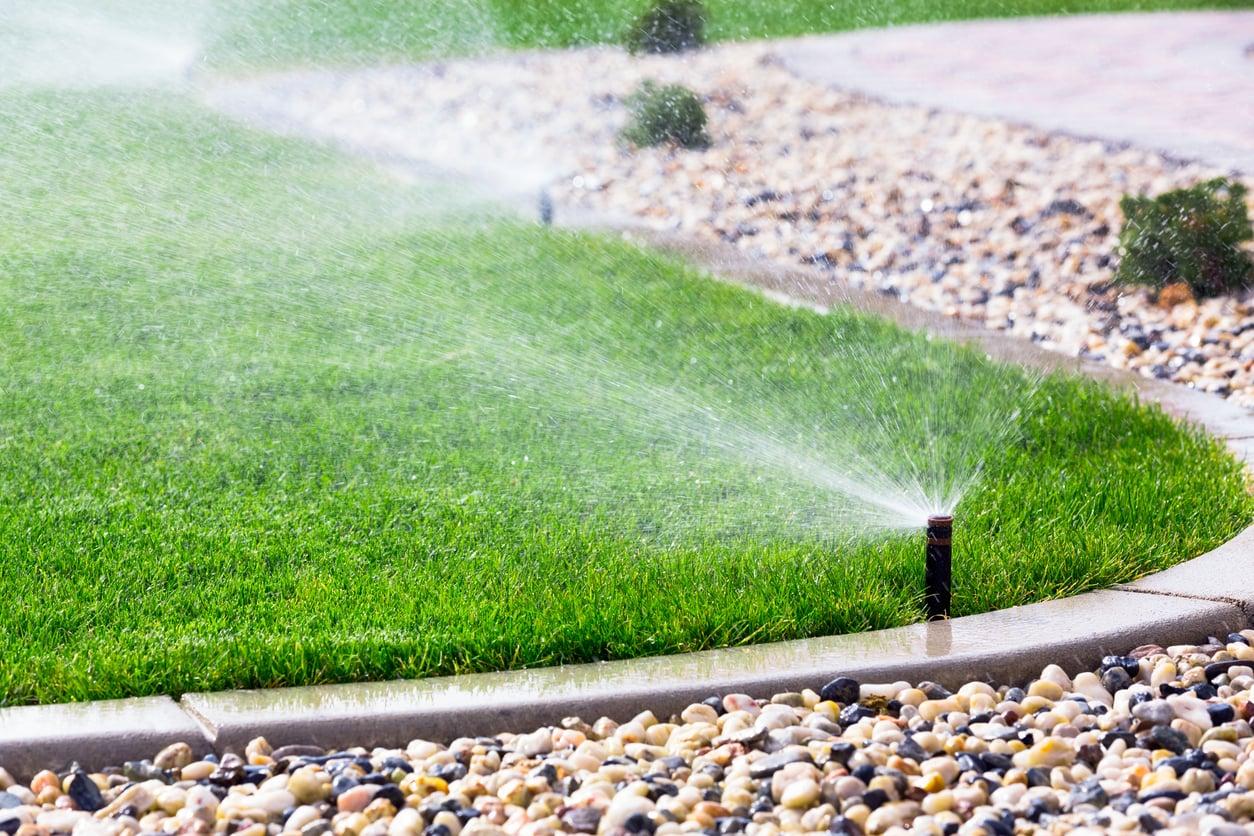
A lush, green lawn is the pride of any garden — but summer heat can turn it brown, patchy, and burned faster than you'd expect. The surprising part? Most of the damage isn't caused by the sun. It's caused by how we water. Avoid these three mistakes and your grass will stay thick and healthy even on the hottest days.
Watering at the wrong time of day
This is the most common mistake, and it does real damage. Watering your lawn in the middle of the day — when the sun is at its peak — is one of the worst things you can do. The water evaporates almost instantly before it ever reaches the roots, and the combination of moisture and intense UV rays can actually scorch the grass blades directly.
The best time to water is early in the morning or in the late afternoon, when temperatures are lower and the soil can actually absorb the moisture. You'll also use significantly less water — a win for your lawn and your water bill.
Evening watering works too, but make sure the grass has a little time to dry before nightfall to avoid fungal issues.
Using too much — or too little — water
Getting the amount right matters just as much as the timing. Overwatering pushes air out of the soil, which starves the roots of oxygen and can lead to rot. But underwatering is equally damaging — if the moisture never reaches deep enough, roots stay shallow and the lawn dries out at the first sign of heat.
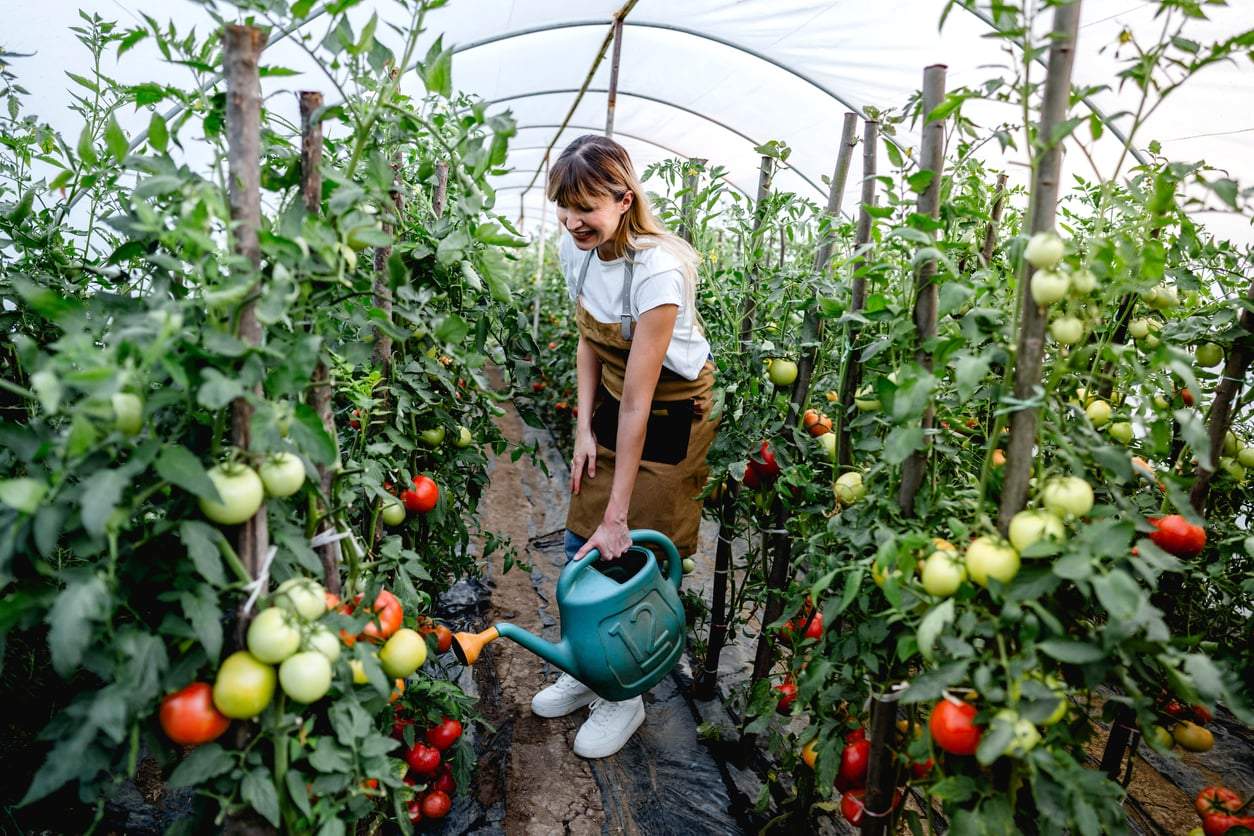
As a general rule, watering once or twice a week is enough for most lawns — but always check the soil moisture before you reach for the hose. If the top inch of soil still feels damp, hold off. A drip irrigation system or a rainwater collection setup can help distribute water evenly and take the guesswork out of the process entirely.
Ignoring your lawn's specific needs
Not all grass is the same — and neither is the soil underneath it. Different grass varieties and soil types have very different water requirements. Some species thrive with minimal watering, while others need consistent moisture to stay healthy. Watering every lawn the same way is a recipe for problems.
Take a little time to learn what your specific lawn actually needs. A quick search online or a conversation with a local garden center can give you a tailored watering schedule that works. The more you understand your grass, the easier it becomes to keep it looking its best — and the less likely you are to end up with a lawn that's struggling to survive by midsummer.
Caring for a lawn well takes a little knowledge, but it doesn't have to be complicated. Avoid these three mistakes, and even the hottest summer days won't stop your garden from looking vibrant, green, and genuinely beautiful.