June feels like the easy part. The hard work of spring planting is done, flowers are blooming, and the vegetable patch is finally delivering on its promises. It's tempting to sit back and enjoy it — but experienced gardeners know that what you do in June determines how your garden looks in August. Miss a few key tasks now, and you'll be fighting an uphill battle for the rest of the summer.
The good news? A few focused hours in the garden this month can save you countless hours later. Here's exactly what to tackle right now.
Weed control: the most important job of the month
Weeds aren't just an eyesore. They compete directly with your plants for water, nutrients, and sunlight — and in June, they're growing fast. The critical advantage you have right now is timing: weeds pulled before they set seed can't spread. Deal with them today, and you dramatically reduce the problem for the rest of the season.
Weeds removed in early summer haven't yet had the chance to seed, so you can stop the next generation before it starts. The sooner you act, the easier they are to keep under control — as Southern Living points out.
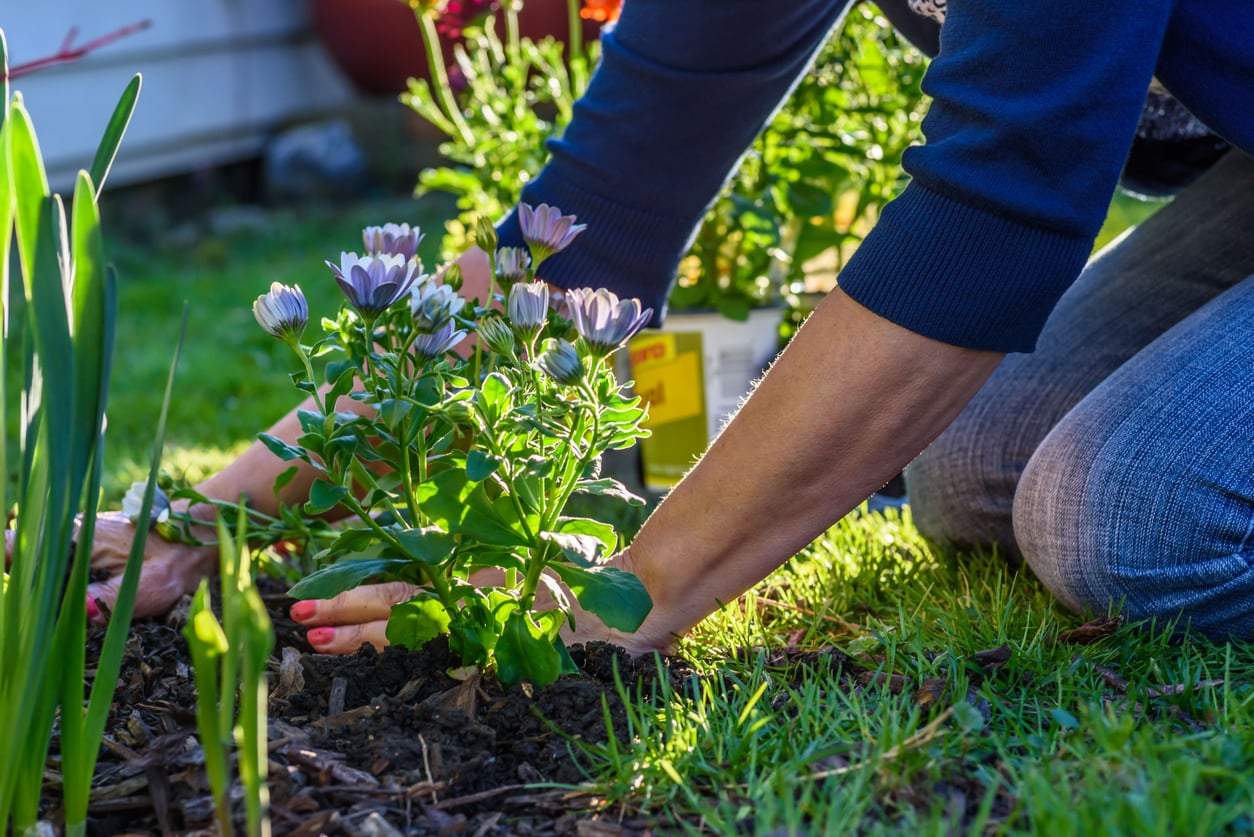
For smaller weeds, hand-pulling or hoeing works well. The key is to get the roots out completely, not just snap the tops off. A few extra seconds per weed now means far less regrowth later.
Mulch is your best ally against weeds — and drought
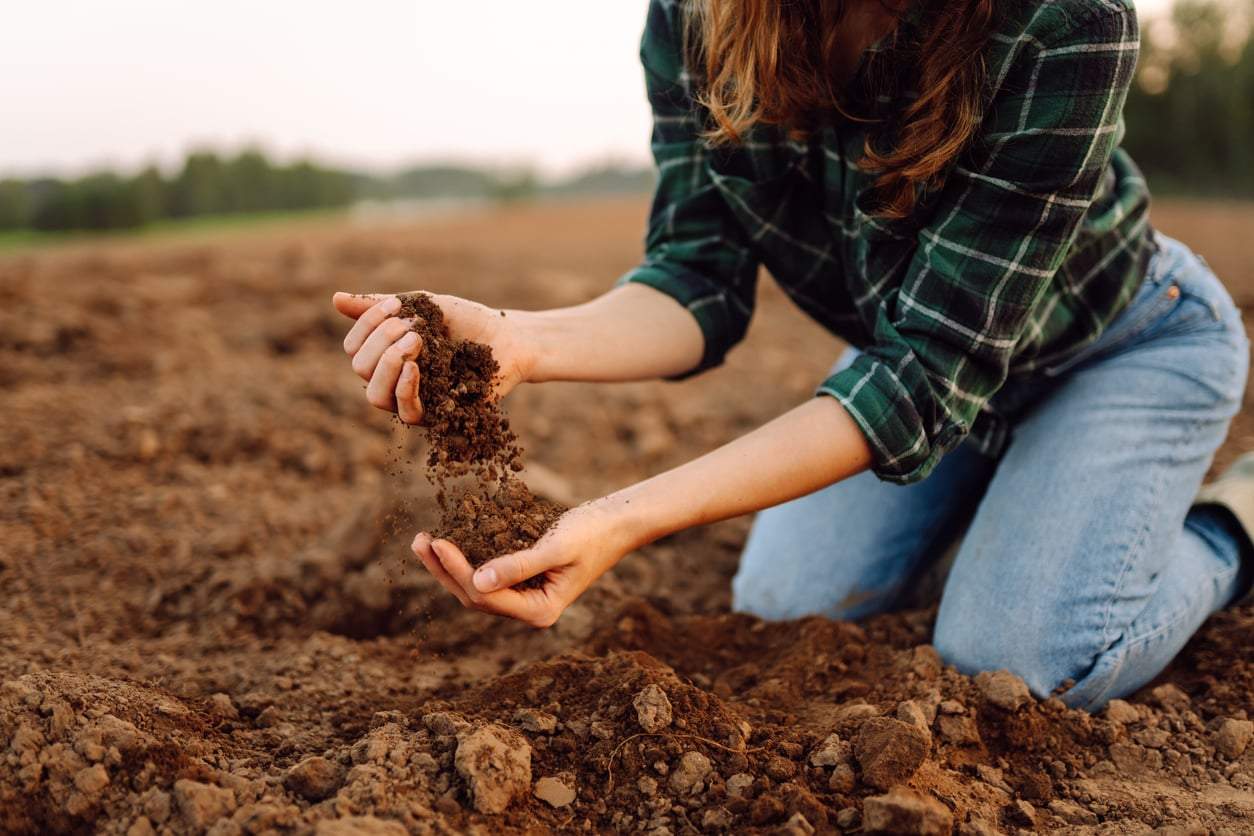
Once you've cleared a bed, don't leave the soil bare. Laying a thick layer of organic mulch — bark chips, grass clippings, or compost — does two important things at once: it suppresses weed growth and helps the soil retain moisture during summer heat.
In the vegetable garden, cardboard is a surprisingly effective and low-cost option. Laid between rows, it blocks light from reaching weed seeds and gradually breaks down, improving soil structure in the process. Cover it with a layer of mulch if you want a tidier look.
Your lawn needs attention too
Weeds in the lawn are best tackled early in summer, before they get established. A dense, healthy lawn is naturally resistant to weeds — it simply crowds them out. The best thing you can do to encourage that density right now is to raise your mower's cutting height.
Slightly longer grass shades the soil, slows moisture loss, and handles summer heat far better than a close-cropped lawn. It's a simple adjustment that pays off all season long.
Prune spring-flowering shrubs before it's too late
If you haven't pruned your spring-flowering shrubs yet, June is your last window. Forsythia, azaleas, rhododendrons, and similar plants should be shaped now — once summer is fully underway, any pruning risks cutting off next year's flower buds.
Prune too late, and you'll be looking at a disappointingly sparse display next spring. A clean tidy-up now takes minutes and protects months of future blooms.
Pests are active — check your plants regularly
Warmer temperatures are great for plants, but they're equally great for pests. Aphids, whitefly, and other damaging insects can multiply rapidly in June if left unchecked.
Regular inspection is your best defence. Remove infested shoots, pick off larger insects by hand where possible, and reach for natural or plant-based treatments when needed. Catching a problem early is always far easier than dealing with a full infestation.
Feed your plants — they're working hard right now
June is peak growing season. Plants are pushing out new shoots, leaves, flowers, and fruit simultaneously, which means their nutritional demands are at their highest. Regular feeding with compost or a balanced fertiliser keeps them strong and productive throughout the summer.
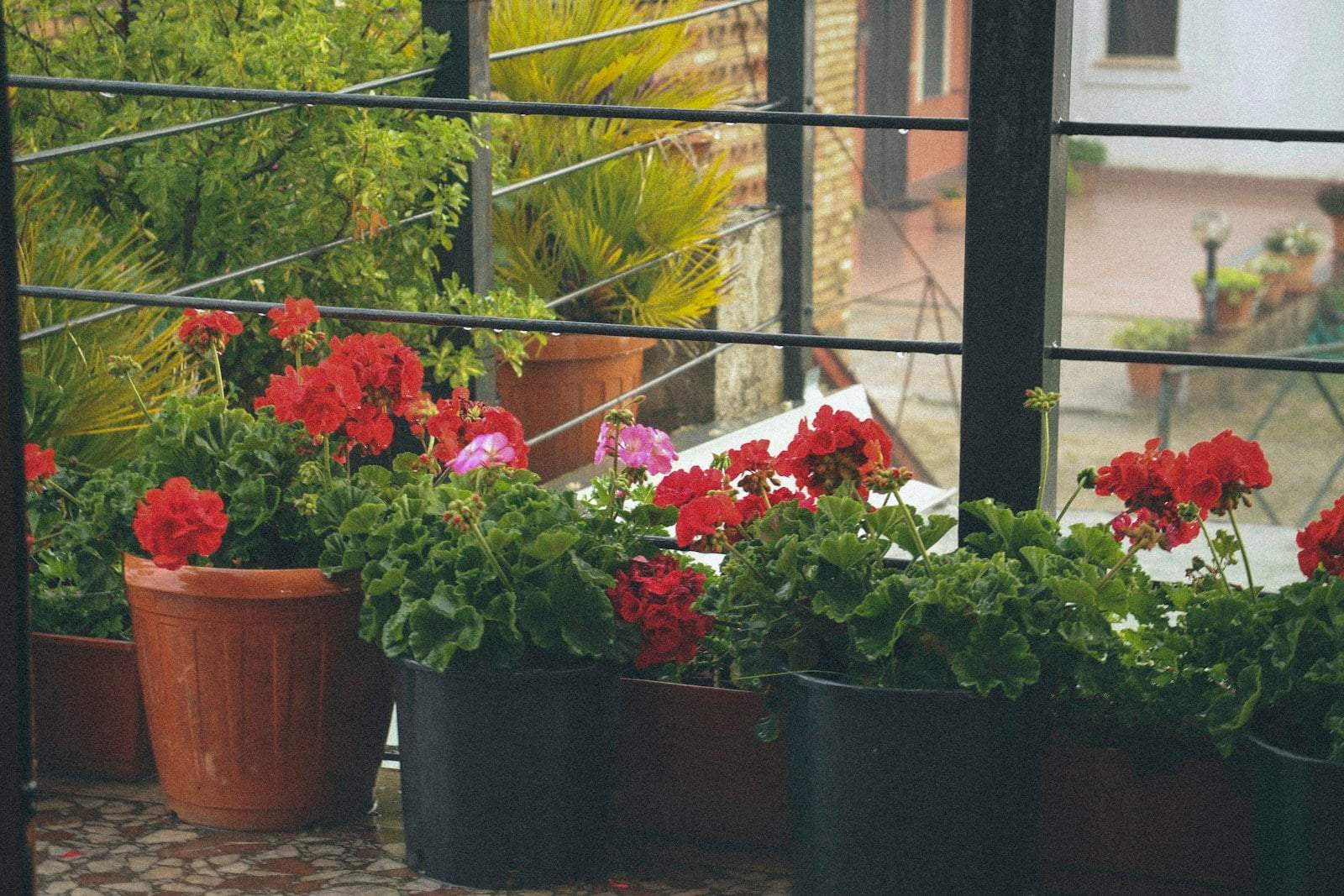
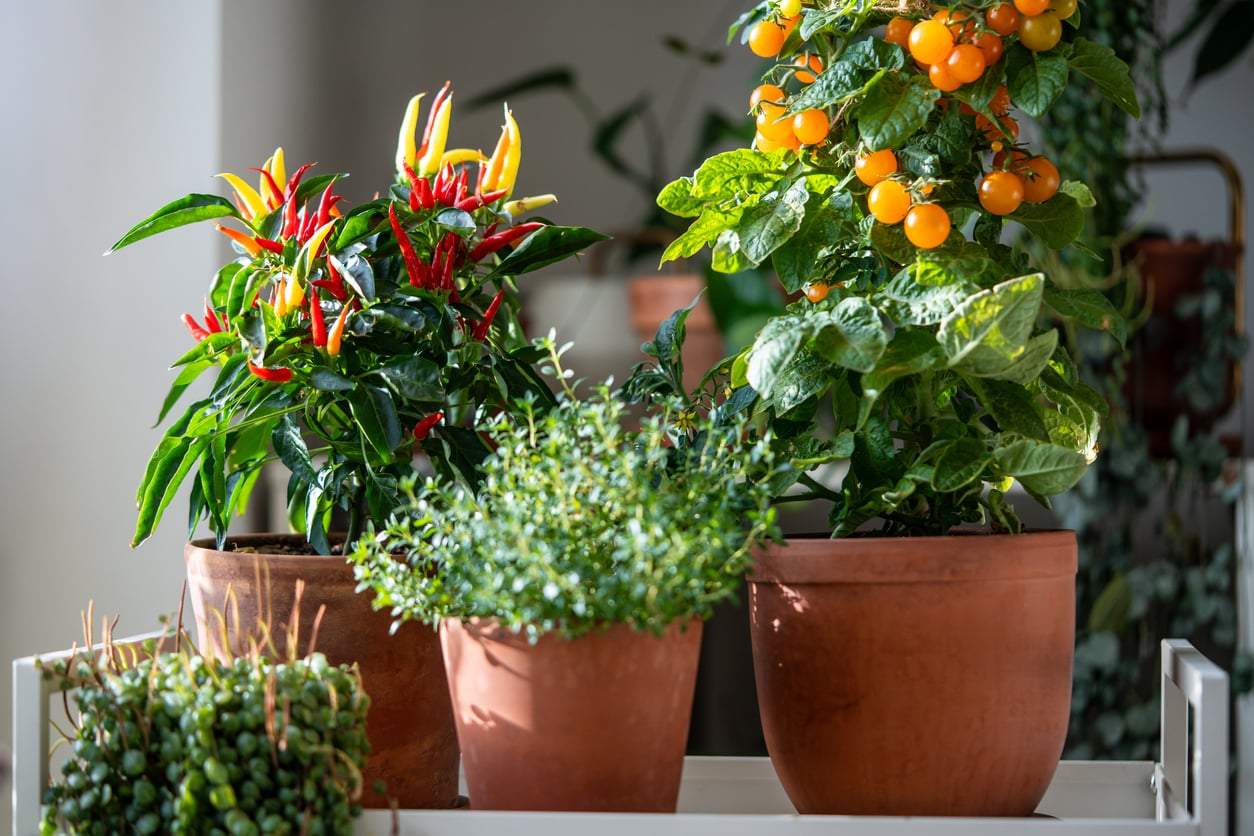
This is especially important for container plants, where nutrients wash out of the soil more quickly with every watering. Don't let pots go hungry — they have nowhere else to draw from.
Water smarter, not more
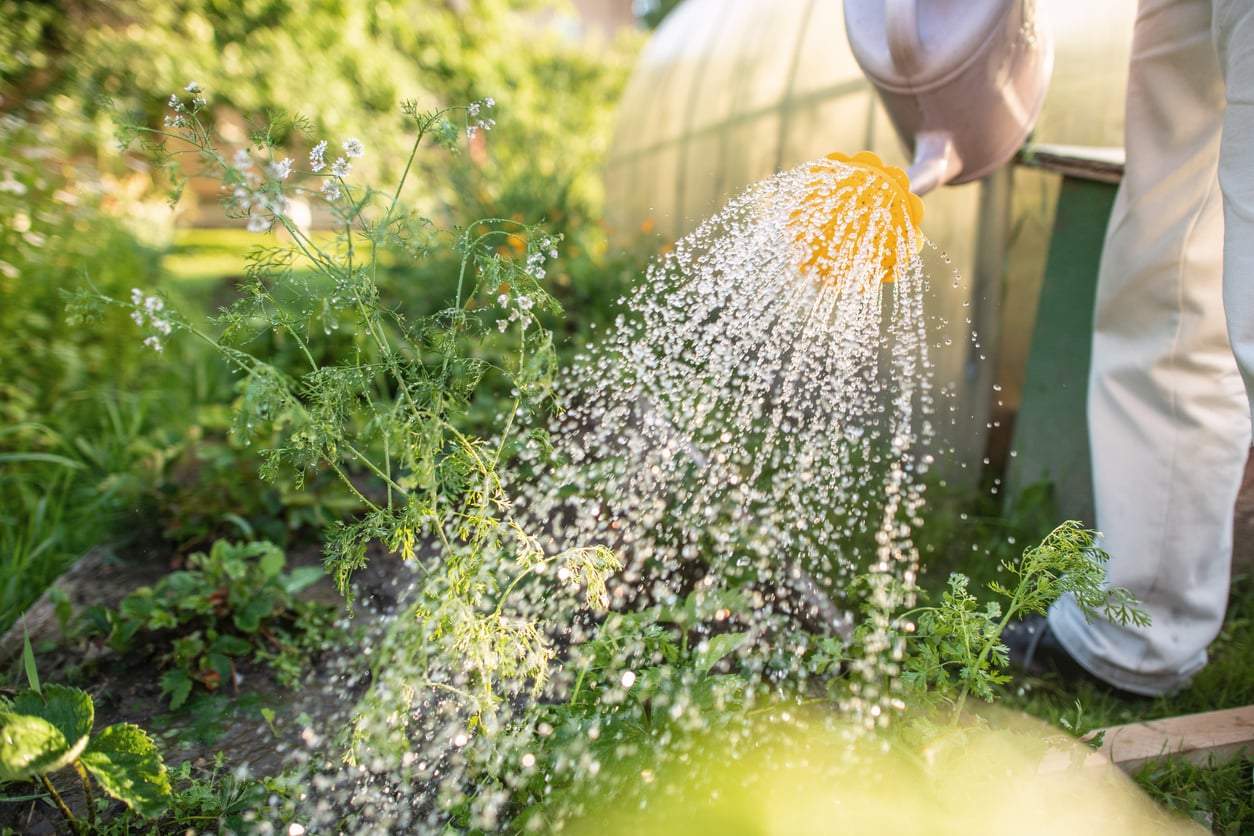
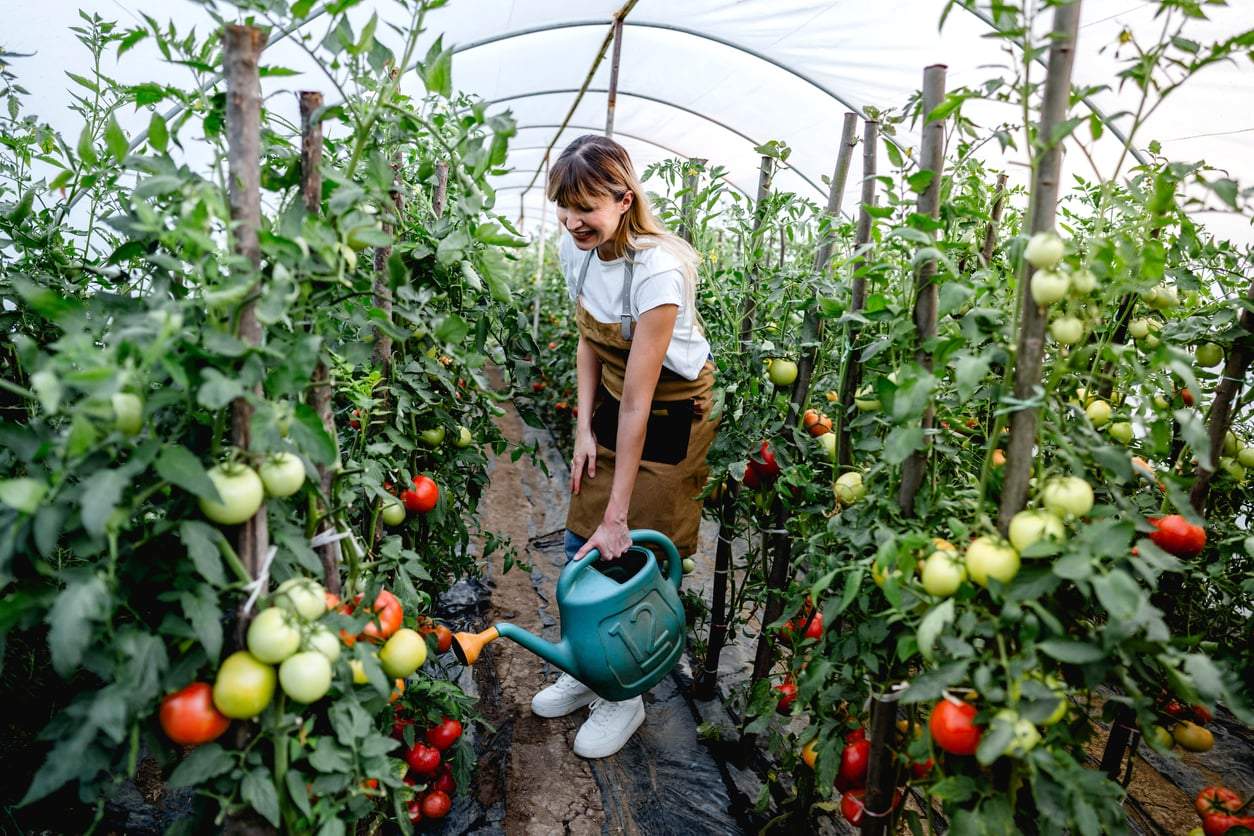
As temperatures rise, how you water matters as much as how often. Deep, infrequent watering encourages roots to grow downward in search of moisture, making plants more resilient during dry spells. Frequent shallow watering does the opposite.
Water in the morning whenever possible. This gives foliage time to dry out during the day, significantly reducing the risk of fungal disease — a common summer problem that's easy to prevent and difficult to cure.
Support tall plants before they fall over
Tomatoes, peppers, and other tall-growing vegetables are putting on serious height right now. Stake them now, before they become top-heavy — it's much easier than trying to straighten a flopped plant later. Climbing plants like beans and cucumbers will also benefit from a trellis or netting to guide their growth upward.
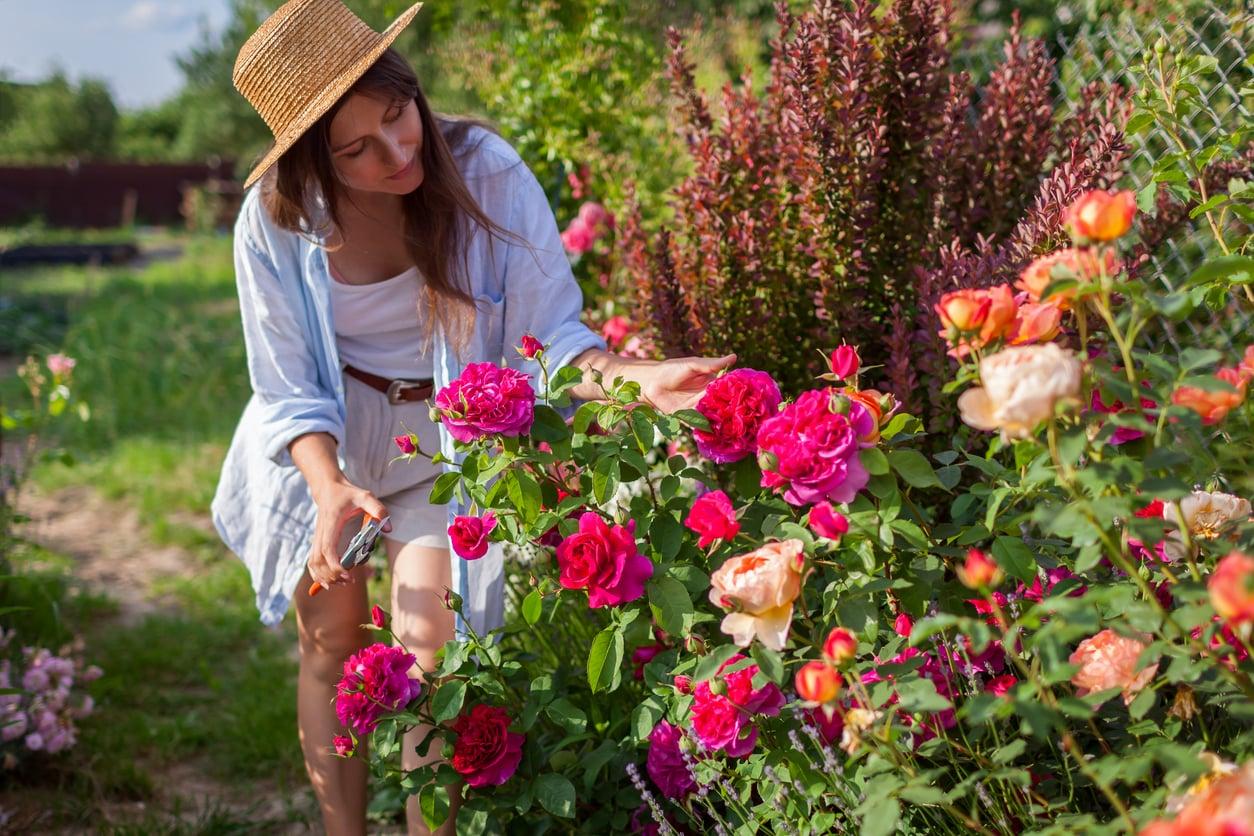
In flower beds, regularly deadheading spent blooms does double duty: it keeps beds looking neat and encourages plants to produce more flowers rather than putting energy into seed production.
Harvest regularly for a bigger yield
In the vegetable garden, leaving ripe produce on the plant is one of the most common mistakes. Regular harvesting signals to the plant to keep producing — the more you pick, the more it grows.
This is especially true for peas, green beans, cucumbers, peppers, courgettes, aubergines, and tomatoes. For fast-maturing vegetables, a second sowing in mid-summer is entirely possible, giving you a fresh harvest to enjoy well into autumn.
A little effort now, a beautiful garden all summer
June is busy, and the garden has to compete with long evenings, barbecues, and weekend trips. But a few focused tasks now will shape how your garden performs for the next three months. Tackle the weeds, lay the mulch, feed and water well — and your garden will reward every bit of attention with colour, abundance, and life all summer long.