Every August, the same heartbreaking scene plays out in backyard gardens. You stand there proudly, watching your plants sag under the weight of all that green fruit. Then, almost overnight, the leaves turn spotty, the bottoms of the tomatoes go brown, and half your harvest ends up on the compost heap.
Most people blame the weather or the soil. But the truth is, the trouble often begins with one small, well-meaning habit: watering the plants in the evening, when you finally have time to go out and hose down the garden after a long day.
Why evening watering backfires
Tomatoes hate wet leaves, especially when those leaves stay damp all night long. During the day, the sun and wind dry the foliage quickly. But in the evening the air cools, humidity rises, and the water droplets cling to the leaves for hours.
That is exactly the kind of environment fungal diseases love, including the tomato grower's worst nightmare: late blight.
Many people water in the evening because they assume it's gentler on the plant, since the wet leaves aren't exposed to scorching sun. But the real enemy isn't the daytime heat, it's the overnight moisture. In the morning, once the sun rises, the leaves dry within a couple of hours and pathogens never get the chance to settle in.
Cracked tomatoes start here too
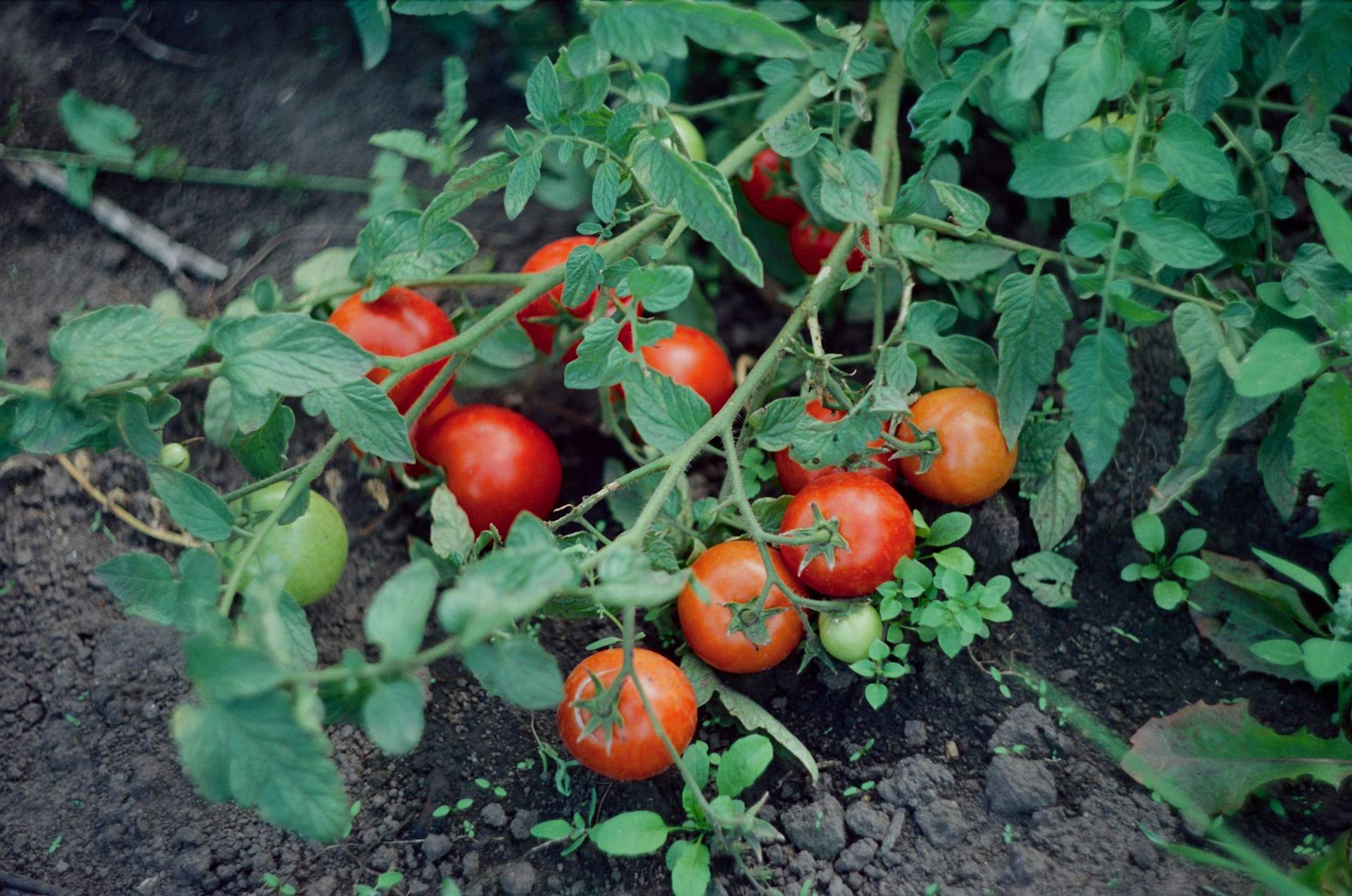
The other dramatic side effect of the evening watering habit is split, cracked fruit.
If a plant goes thirsty all day and then suddenly gets a big drink at night, the roots absorb a huge amount of water at once. The inside of the fruit swells faster than the skin can stretch, and it splits.
This is especially obvious in larger, cluster-type varieties, but even cherry tomatoes aren't safe from it.
The fix isn't to water less. It's to water evenly. Your plants don't need a sudden flood, they need steady, balanced moisture in the root zone.
If you want your tomatoes to be as flavorful as they are healthy, it's worth learning how to pick the tastiest tomatoes of the season as well.
When you should actually water
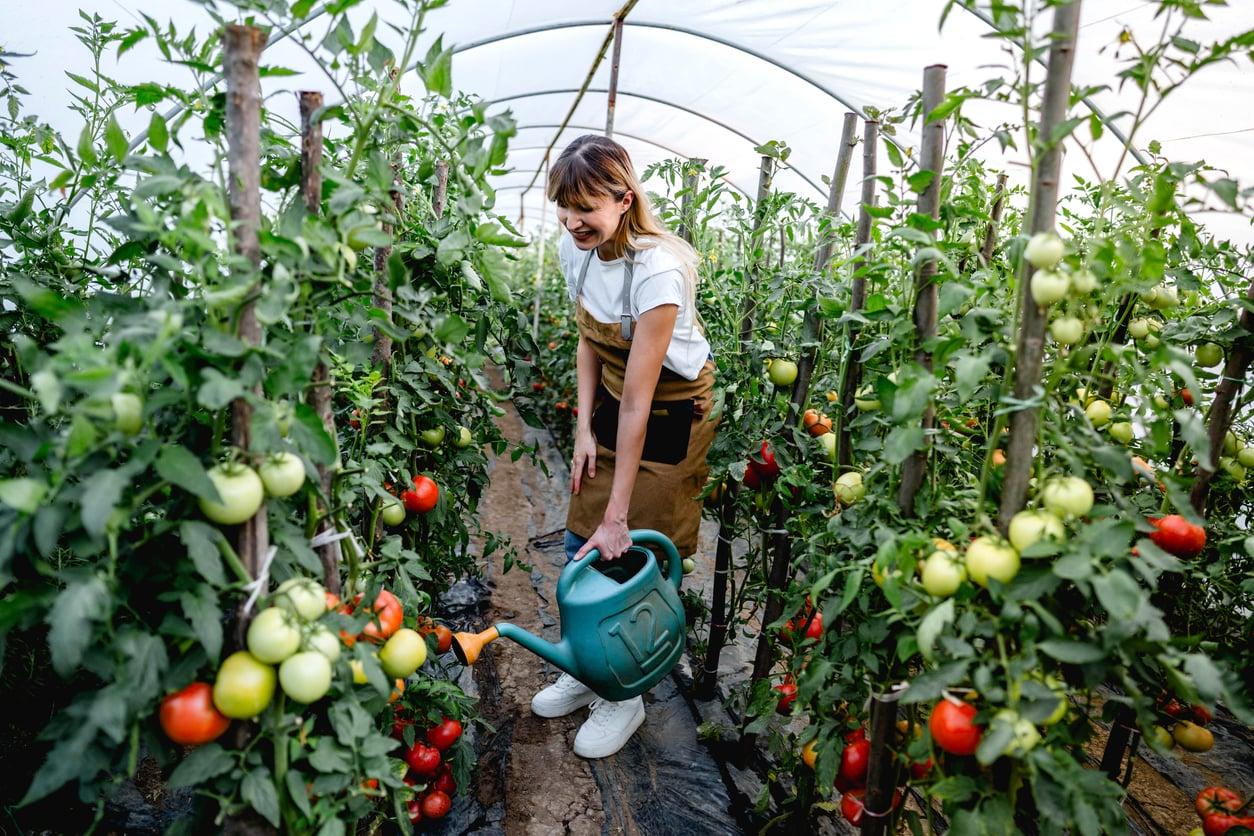
The best time is early morning, just before sunrise or right after it. At that hour the soil is cool, the water doesn't evaporate immediately, the roots can soak it up calmly, and by the time the air warms up, the foliage is already dry.
If mornings don't fit your schedule, late morning works too. But try to avoid late-afternoon and evening watering, unless the heat is extreme and the plant is visibly wilting.
Water the roots, not the leaves
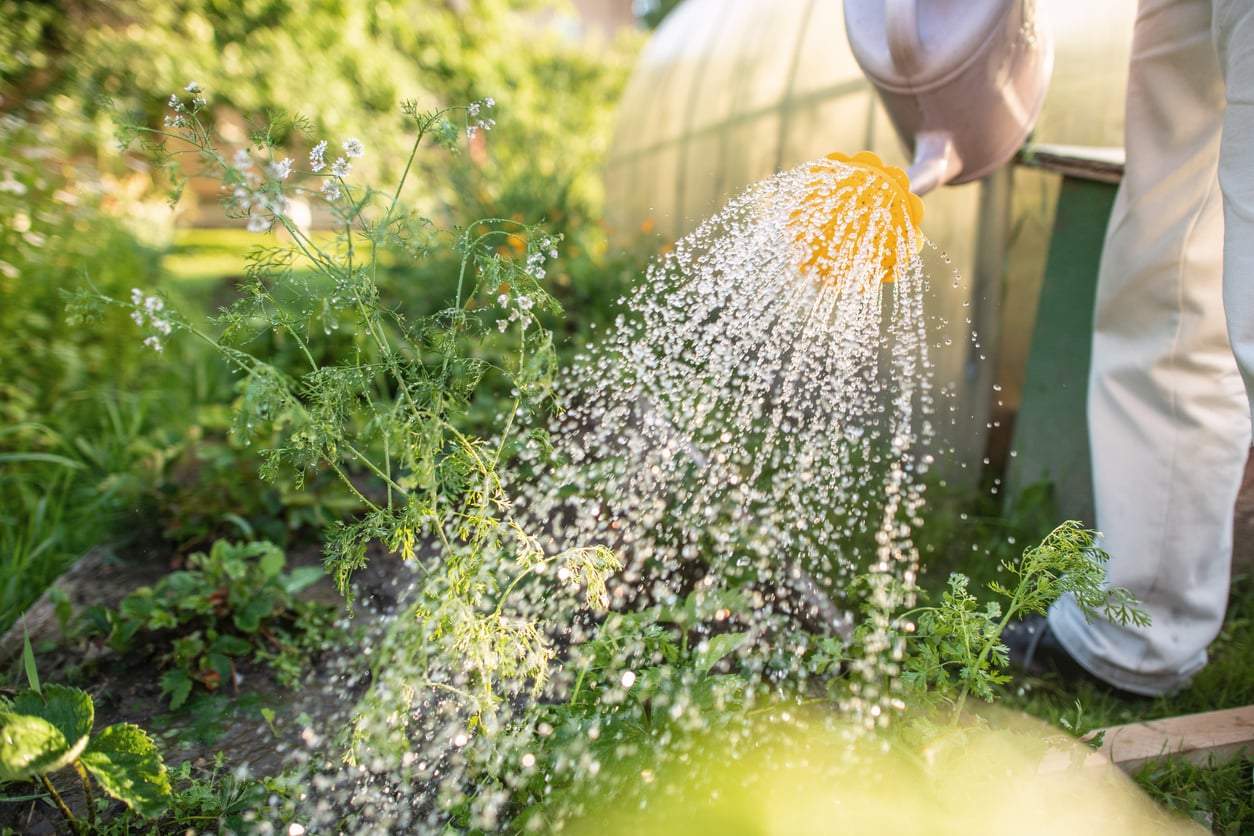
With tomatoes, what matters isn't how much water hits the foliage, it's how much reaches the root zone. Aim for the base of the plant, keeping the hose low, or use a drip system, rather than spraying from above.
If you're looking for smarter, lower-effort ways to keep your garden thriving, these watering tricks for lazy gardeners are worth a look.
Even a simple drip line, or a punctured plastic bottle buried next to the stem, can make a big difference, because the water seeps in slowly and deeply while the leaves stay dry.
The mulch that does the heavy lifting
A thicker layer of straw or grass clippings around the base of your plants does more than make weeding easier. It also helps the soil hold on to moisture.
You'll need to water less often, the water stays available more evenly, so the fruit cracks less, and the soil temperature stays more stable between hot days and cooler nights.
How much and how often
It pays off to water less frequently but more thoroughly, rather than a little bit every single day. Shallow, frequent watering encourages the roots to stay near the surface, which makes the plant more vulnerable to drought.
Water deeply two or three times a week instead, soaking the soil properly, and the roots will grow downward. The plant becomes hardier, and the fruit develops in a much more balanced way.
Why is watering tomatoes at night bad?
At night the air cools and humidity rises, so water droplets stay on the leaves for hours. That damp environment is ideal for fungal diseases like late blight.
When is the best time to water tomatoes?
Early morning, just before or right after sunrise, is ideal. The soil is cool, the roots absorb the water calmly, and the leaves dry out before the heat of the day.
Why do tomatoes crack and split?
Cracking usually happens when a thirsty plant suddenly gets a large amount of water. The inside of the fruit swells faster than the skin can stretch, so it splits. Steady, even watering prevents this.
How often should I water tomato plants?
Water less frequently but more deeply, around two or three times a week. This encourages roots to grow downward, making the plant hardier and the fruit more balanced.