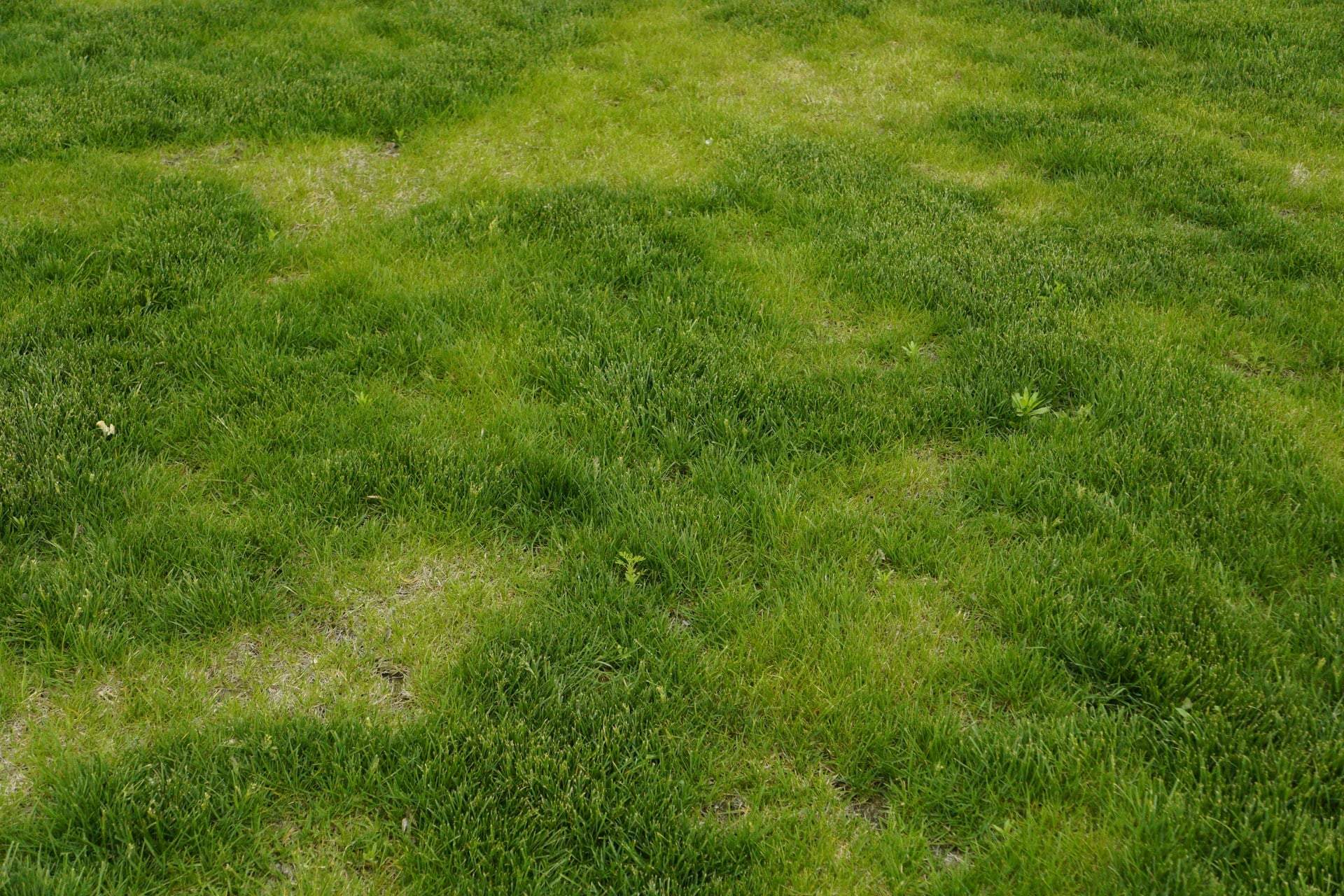
You step out onto the patio one morning, glance at the lawn, and there it is: yellow patches, blades dried to a crisp, as if someone had set the garden on fire overnight.
Most people blame the watering. But the damage often starts somewhere else entirely — the moment you fire up the mower and set the blade too low.
Why cutting your grass too short backfires in summer
A lawn isn't just decoration. It's a living system, and its blades exist to protect its own roots. When you cut the grass far shorter than it needs to be, the surface of the soil is suddenly exposed to direct sun and hot air, and the roots lose the shade that can be genuinely life-saving in the heat of summer.
Gardeners have been repeating the same advice for decades — the so-called one-third rule: never remove more than a third of the blade's length in a single cut.
Ignore it, and the plant goes into shock. The surface it needs for photosynthesis shrinks, and the roots slip into an energy-starved state at the exact moment they most need their reserves.
Grass cut too short isn't healthier — it's just more vulnerable. The soil heats up, the moisture evaporates, and the roots literally cook underground.
What happens to the roots when you scalp the lawn
Longer blades cast shade over the soil, so it heats up less and holds on to moisture for longer. The moment the mower strips away that protective layer, the surface temperature of the soil can jump by several degrees, hitting the shallow roots directly.
The roots are then forced to reach deeper and deeper in search of moisture, while the plant is left with less energy to recover — because its leaf surface has suddenly been slashed.
How tall should you keep your grass in summer?
- For most common lawn types, the summer sweet spot is a blade height of 6–8 centimetres (about 2.5–3 inches) — enough to give the soil real shade.
- During a heatwave, set the mower one notch higher than you would in spring or autumn.
- If you've gone a while without mowing and the grass has shot up, don't chop it back to the ideal height all at once. Bring it down gradually over several sessions, a few days apart.
When and how to mow in the peak heat
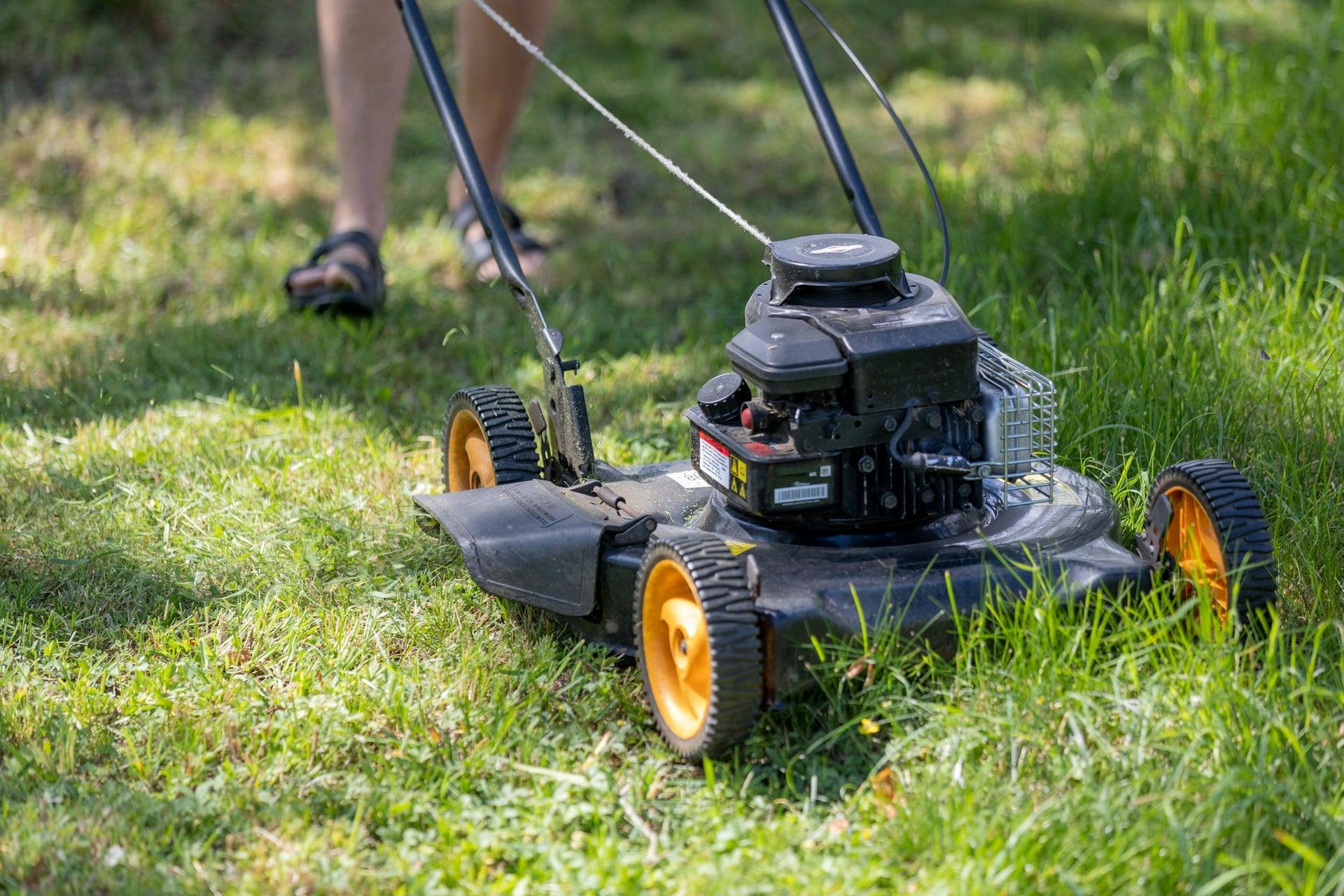
Early morning or late afternoon is far kinder to your lawn than the blazing midday sun, when freshly cut blades dry out much faster at the exposed tips. It also matters that your mower blade is sharp: a dull blade doesn't slice, it tears the top of the stem, leaving a ragged, frayed wound that loses even more moisture through the cut.
How watering and mowing work together
Plenty of people assume that shorter grass needs less water. In reality, the opposite is true. Grass left a little taller grows deeper roots and copes far better with dry spells, while a scalped lawn keeps shallow roots and reacts much more sharply to the heat.
If the drying has already set in, water less often but more thoroughly — ideally in the early morning, so the water doesn't evaporate instantly off the hot soil.
How to help your lawn bounce back
If the blades have already turned yellow because you cut them too short earlier, the most important thing now is to let the grass grow taller — and don't mow again until the soil has cooled down a little. It's also worth leaving the clippings on the lawn in a thin layer: they act as a natural mulch, cutting down on evaporation and slowly returning nutrients to the soil.
Is it better to leave grass longer or shorter in hot weather?
Longer is better in the heat. Taller blades shade the soil, keep it cooler and help it retain moisture, while grass cut too short leaves shallow, heat-sensitive roots.
What is the one-third rule for mowing?
It means never removing more than a third of the grass blade's length in a single cut. Taking off more sends the plant into shock and reduces the surface it needs for photosynthesis.
What's the best time of day to mow in summer?
Early morning or late afternoon. The midday sun dries out freshly cut blades much faster, so mowing outside peak heat is far gentler on the lawn.
Should I leave grass clippings on the lawn?
Yes — a thin layer works as a natural mulch. It reduces evaporation and slowly feeds nutrients back into the soil as it breaks down.