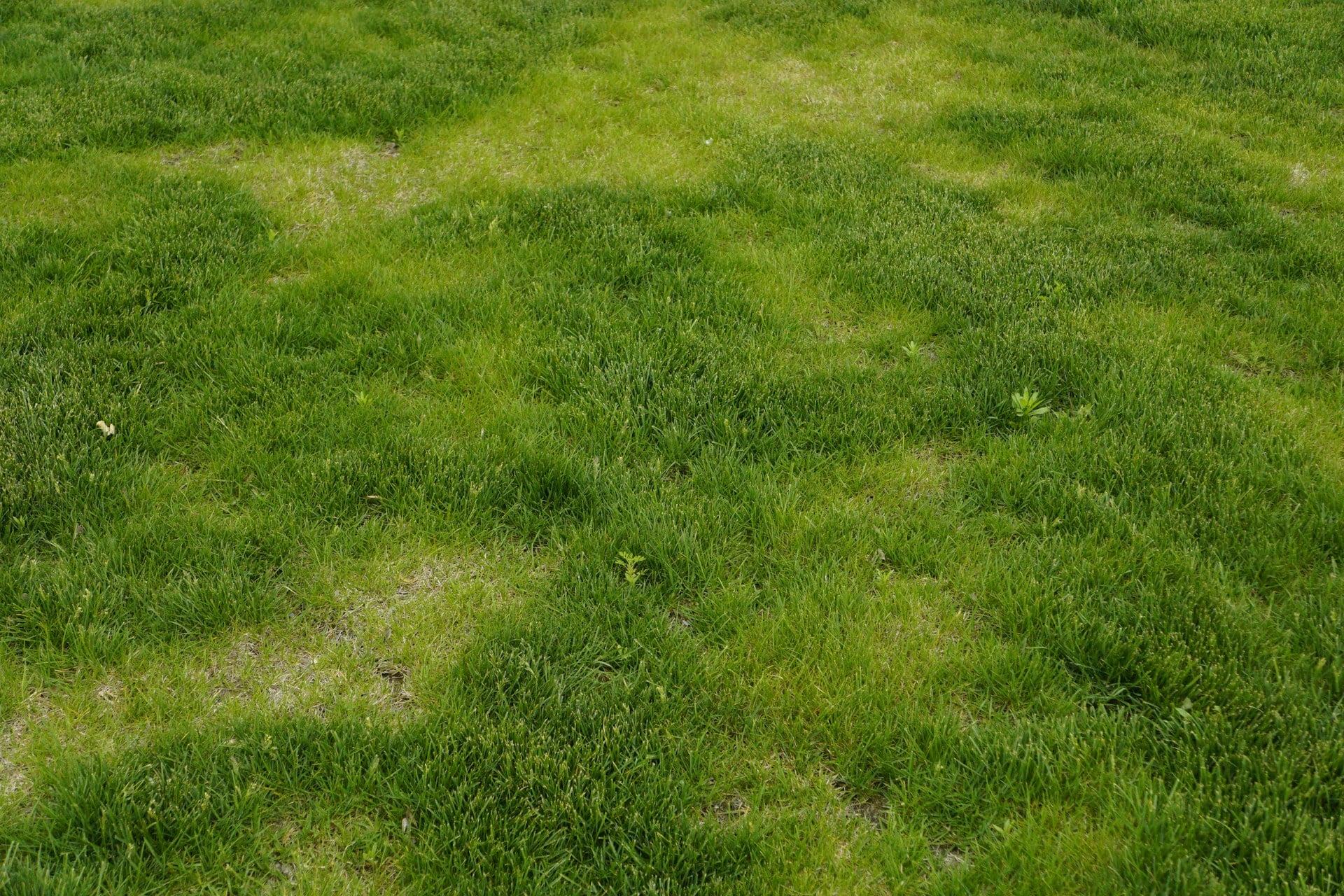
By mid-August, you can tell at a glance which yards have automatic sprinkler systems — and which ones don't. Grass loses its vibrant green almost overnight, and those sun-scorched patches fade from yellow to crispy brown faster than you'd expect. But here's the thing: in most cases, you don't need to reseed your lawn or spend money on expensive soil treatments. A few things already sitting in your kitchen can do the job.
Why grass burns out even on cooler days
Those brown patches aren't always caused by extreme heat. More often, the real culprit is compacted, dried-out soil that can't breathe. When the ground hardens, water can't reach the roots — it just sits on the surface and evaporates before it does any good. The grass essentially starves, even if you've been watering regularly.
The beer and sugar trick seasoned gardeners swear by
One of the best-known budget-friendly remedies is surprisingly simple: mix one flat, de-fizzed beer, two tablespoons of sugar, and two tablespoons of baking soda into about 2.5 gallons (10 liters) of lukewarm water. Apply it to the burned patches with a garden sprayer or a watering can — either early in the morning or in the late afternoon, when the sun isn't bearing down directly on the grass.
The yeast and sugars in the beer feed the microorganisms living in the soil, which in turn help break down organic matter so roots can absorb nutrients more easily. The baking soda helps loosen compacted soil, which is key — hardened ground simply won't let moisture through, no matter how much you water.
Coffee grounds and eggshells — things you'd throw away anyway
If you brew coffee every morning, don't toss the grounds. Let them dry out, then sprinkle a thin layer over the brown spots. Coffee grounds gently acidify the soil, which most grass types actually love, and they also act as a small but steady source of organic nutrition. Crushed eggshells work well too — scatter them finely over the surface, and while they break down slowly, they gradually supply the soil with calcium over the long term.
Neither of these ingredients will fix things overnight — but used consistently week after week, they make a visible difference in the condition of troubled patches.
The watering mistake almost everyone makes
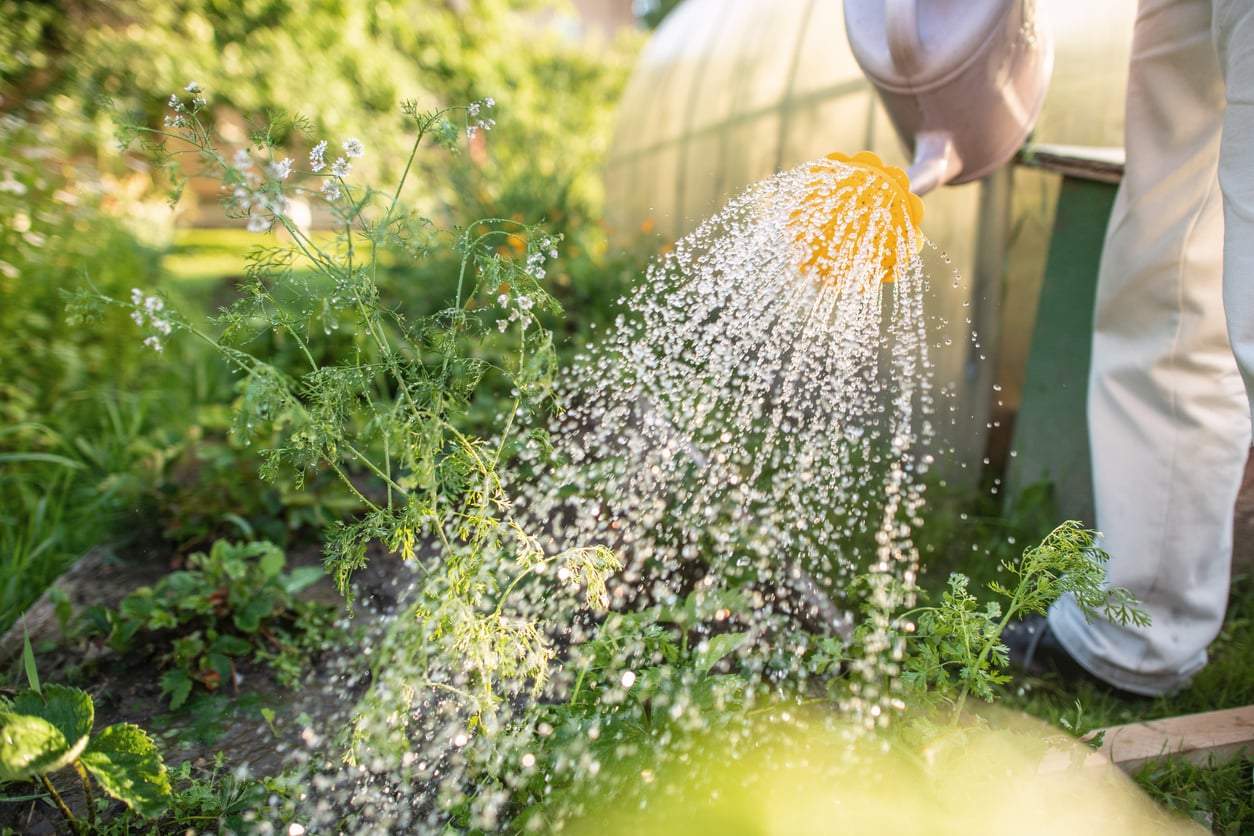
Here's something that might surprise you: many burned lawn patches have nothing to do with drought. They're caused by watering at the wrong time of day. Watering at noon, when the sun is at its peak, turns water droplets into tiny magnifying lenses that scorch the grass blades — and most of the water evaporates before it ever reaches the roots anyway.
A far better approach is to water early in the morning, around sunrise, less frequently but more deeply, so moisture can actually sink down to where the roots are. Daily shallow watering does more harm than good — it trains roots to stay near the surface instead of growing deeper to find water. For more on getting your watering timing right, it's worth rethinking your whole routine.
When it's better to just wait it out
A lot of gardeners panic at the first sign of brown — but for most common grass types like ryegrass or fescue, those patches aren't dead. The lawn is simply going dormant in response to heat. Once cooler, wetter days arrive, it typically greens back up on its own.
If there's still life at the base of the grass blades — meaning they bend rather than snap off dry — the best move is often to stick with the nutritional remedies above, adjust your watering routine, and give it a few weeks. There's no need to jump straight to drastic measures like full overseeding unless the grass is genuinely beyond recovery.
Do beer and sugar actually work on burned grass?
Yes, in many cases. The yeast and sugars in flat beer feed beneficial soil microbes, which improve nutrient absorption for grass roots. Combined with baking soda to loosen compacted soil, the mixture can noticeably improve patch recovery over a few weeks.
Is brown lawn grass dead or just dormant?
Often it's dormant, not dead. Many grass varieties — including ryegrass and fescue — go dormant during intense heat and bounce back naturally once temperatures drop and rain returns. Check the base of the grass blades: if they still bend rather than snap, there's life in them yet.
What's the best time of day to water a lawn in summer?
Early morning, around sunrise, is ideal. Watering at midday wastes most of the water to evaporation and can actually scorch grass blades. Watering deeply but less frequently encourages roots to grow deeper, making your lawn far more drought-resistant over time.
How often should I apply coffee grounds to my lawn?
Once a week is a good rhythm. Sprinkle a thin, even layer over affected patches and let it work gradually. Consistent weekly use over a few weeks will show a more noticeable improvement in soil quality than a single heavy application.