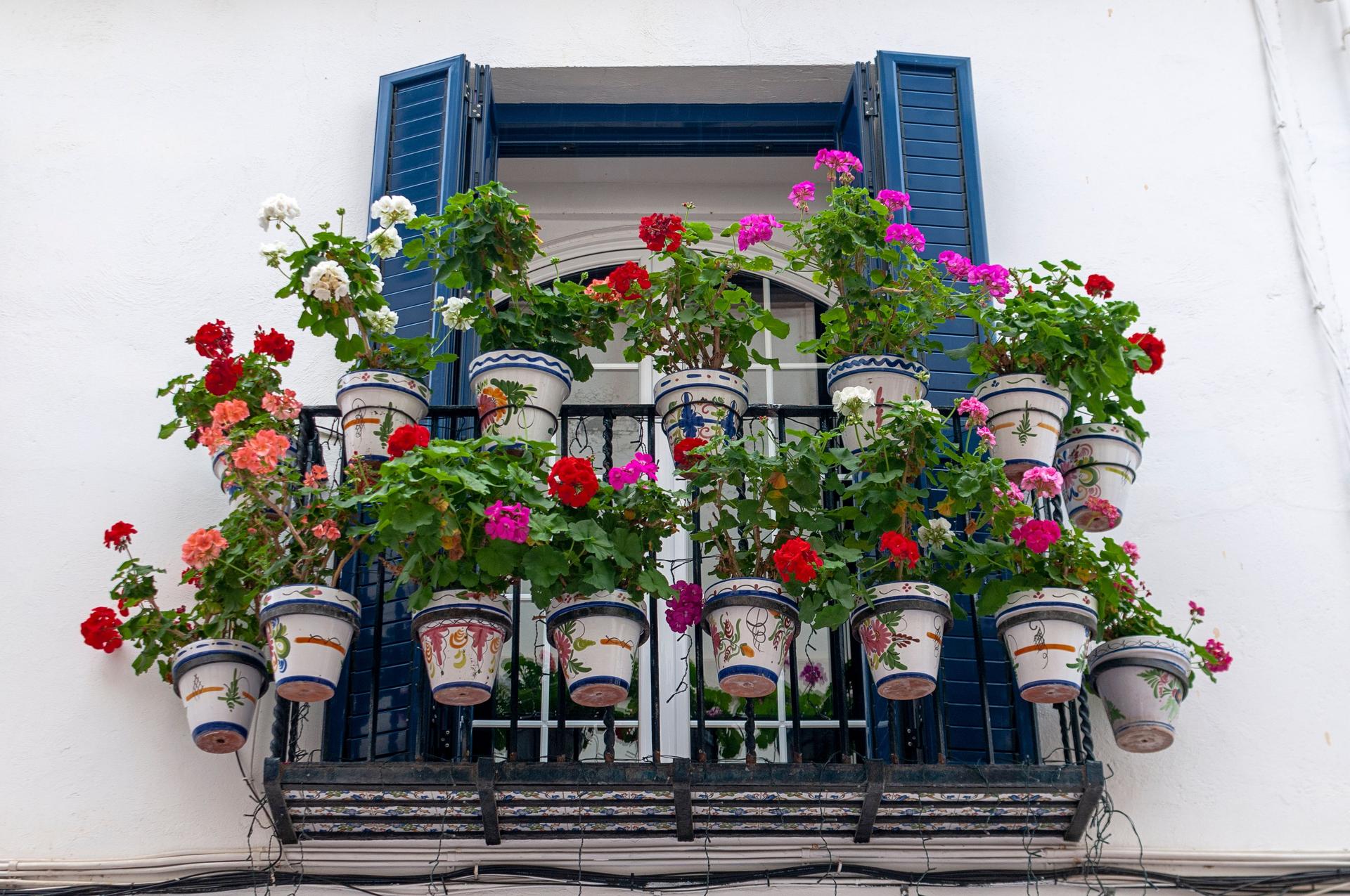
By the third week of August my balcony always looks like it has given up. Long bare stems with a flower or two on the very end, leaves gone crisp at the edges, and that general air of a party nobody has cleared up after. For years I assumed this was the end of the show and started mentally shopping for autumn replacements. It is not the end. Most container plants at this point are simply exhausted from flowering, and the kindest and most useful thing you can do is take the scissors to them properly — not a polite tidy, but a real cut.
Why a hard cut works better than a tidy
A plant that is flowering flat out has no reason to make new growth; every bit of energy goes into the blooms it already has, and once those set seed, it starts winding down. Cutting the straggly growth back removes that signal and pushes the plant to branch out lower down, where the stems are still young and green. In a container this is even more effective than in a border, because a pot warms up quickly and the plant is sitting right on top of everything you feed it.
Do it now rather than in September. There need to be enough warm weeks left for the new shoots to grow and set buds, and late August is roughly the last comfortable window in most temperate gardens. Cut on a cooler morning or in the evening, never in full midday sun, and use something sharp — clean secateurs or kitchen shears will do, but blunt blades crush stems and invite rot.
The pots that respond best
Trailing summer bedding is the obvious candidate. Petunias, surfinias, calibrachoa and bacopa can go back by about a third to a half, cutting each long stem just above a pair of healthy leaves. It looks brutal for a week and then thickens up beautifully. Verbena and lobelia will take the same treatment. Cosmos, if it has gone leggy, benefits from having its tallest stems cut down to a leaf joint, and it flowers again quickly.
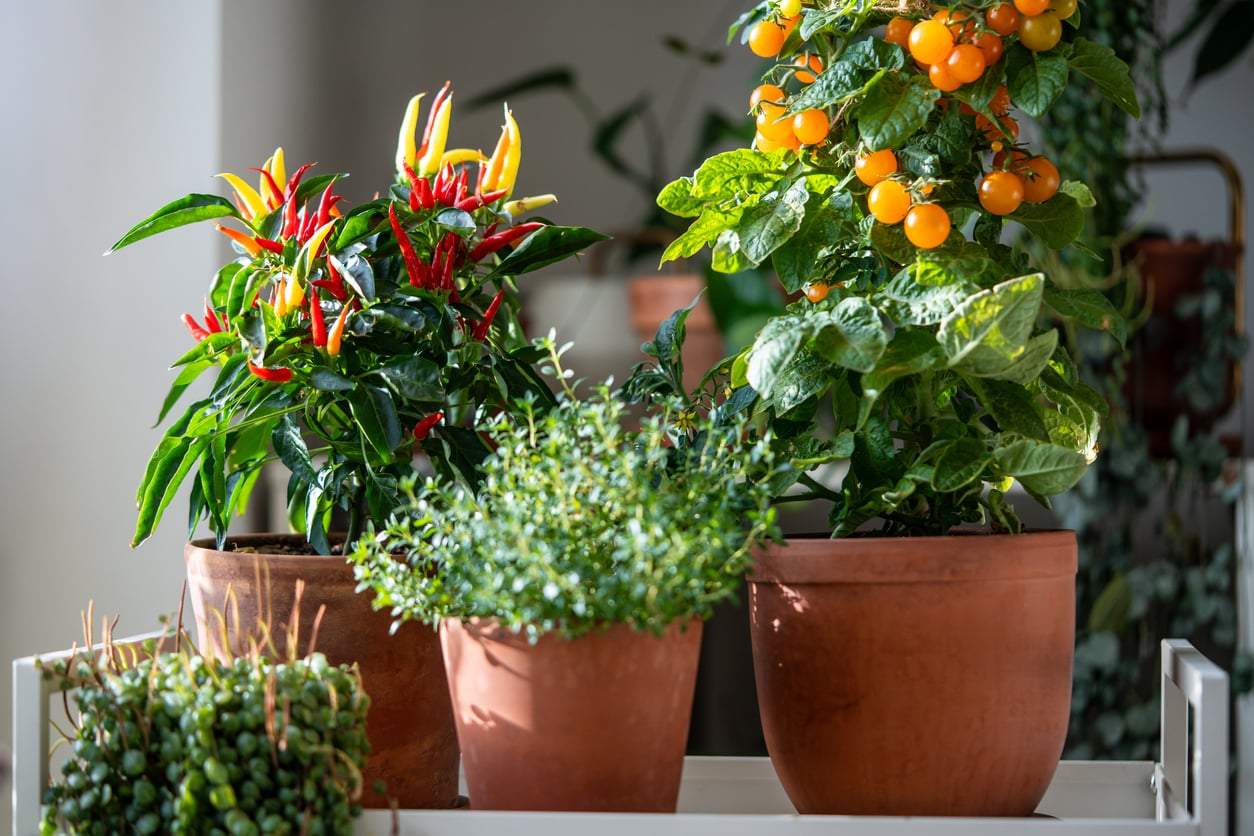
Herbs are the quiet winners here. Mint that has flowered and gone woody can be cut almost to the base and will send up a flush of clean young leaves. Basil should have every flower spike removed and its main stems shortened above a leaf pair. Chives can go down to a couple of centimetres. Oregano and marjoram will take a firm shortening, though leave the very woody bases intact.
Three to leave alone
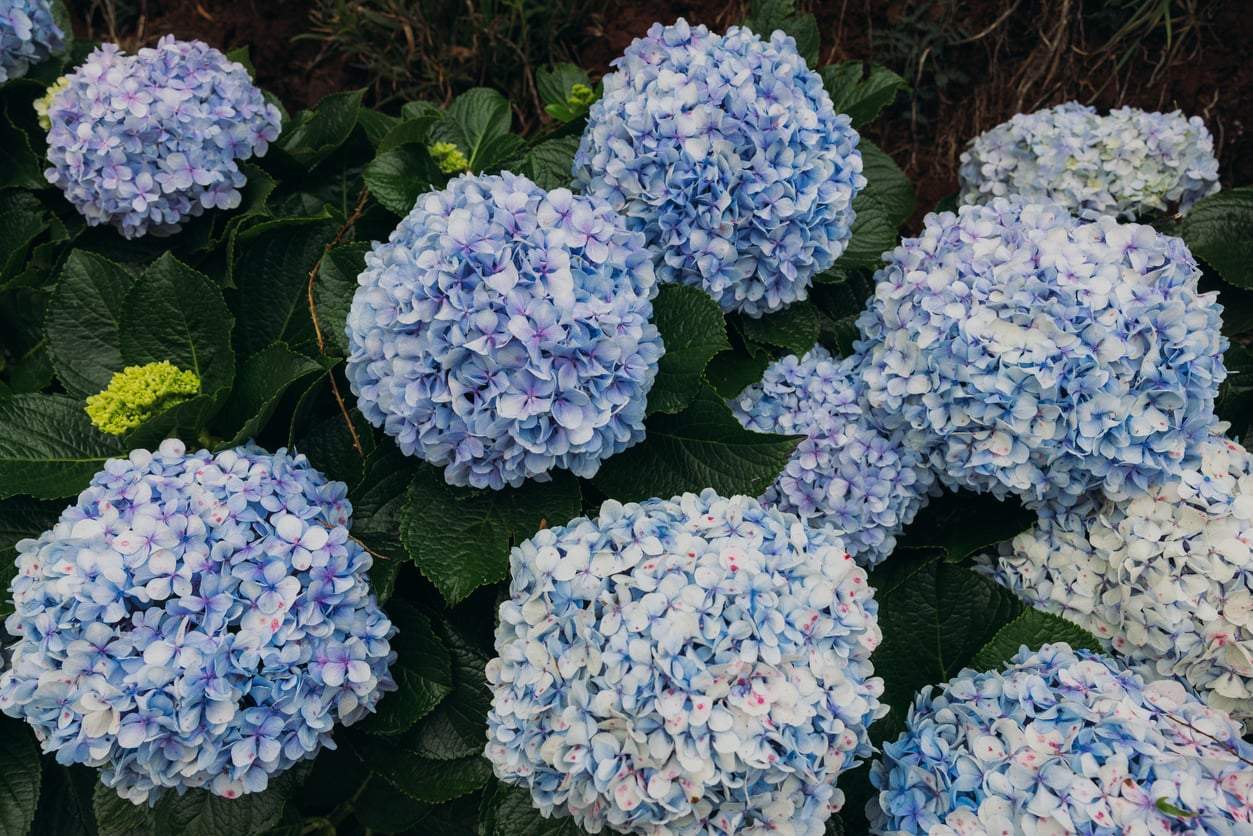
Hydrangeas in pots should keep their spent heads until spring. Cutting now removes next year's flower buds and takes away the protection those dried heads give the buds beneath them. Lavender is the second: a light shaping of the flower stems and a centimetre or two of soft growth is fine, but do not cut back into the grey woody part, which rarely resprouts. Rosemary and sage sit in the same category — a light pinch only, and save any real reshaping for spring.
Third, leave anything that is building up to flower now. Autumn asters, chrysanthemums, sedum and ornamental grasses are all preparing their moment, and cutting them means cancelling it. Ornamental grasses in particular are worth leaving standing all winter for the shape alone.
What to do in the hour after cutting
A cut plant needs fuel to act on it. Water thoroughly first — until water runs out of the drainage holes, not a splash on top of dry compost. If a pot has gone so dry that water runs straight through, stand it in a basin of water for twenty minutes so the root ball rewets properly. Then feed with a balanced liquid feed, and repeat that feed weekly for the next few weeks. Scrape off any crust on the compost surface and top up with fresh compost if roots are showing. Finally, clear away everything you cut: piles of soft trimmings left on the balcony floor in warm weather are exactly where fungal problems and fungus gnats begin.
Isn't it too late in the year to cut anything back?
For summer bedding and soft herbs, no — there is usually enough warmth left for new shoots and a second round of flowers, as long as you cut in the next week or two rather than in September. For woody plants, shrubs and anything with buds already forming, it genuinely is too late, and those are the ones to leave until spring.
Should I feed after cutting back?
Yes, and it is the step people skip. Water first, then use a balanced liquid feed and continue weekly while the new growth develops, because a container has no reserves of its own and you have just asked the plant to build something new from scratch.