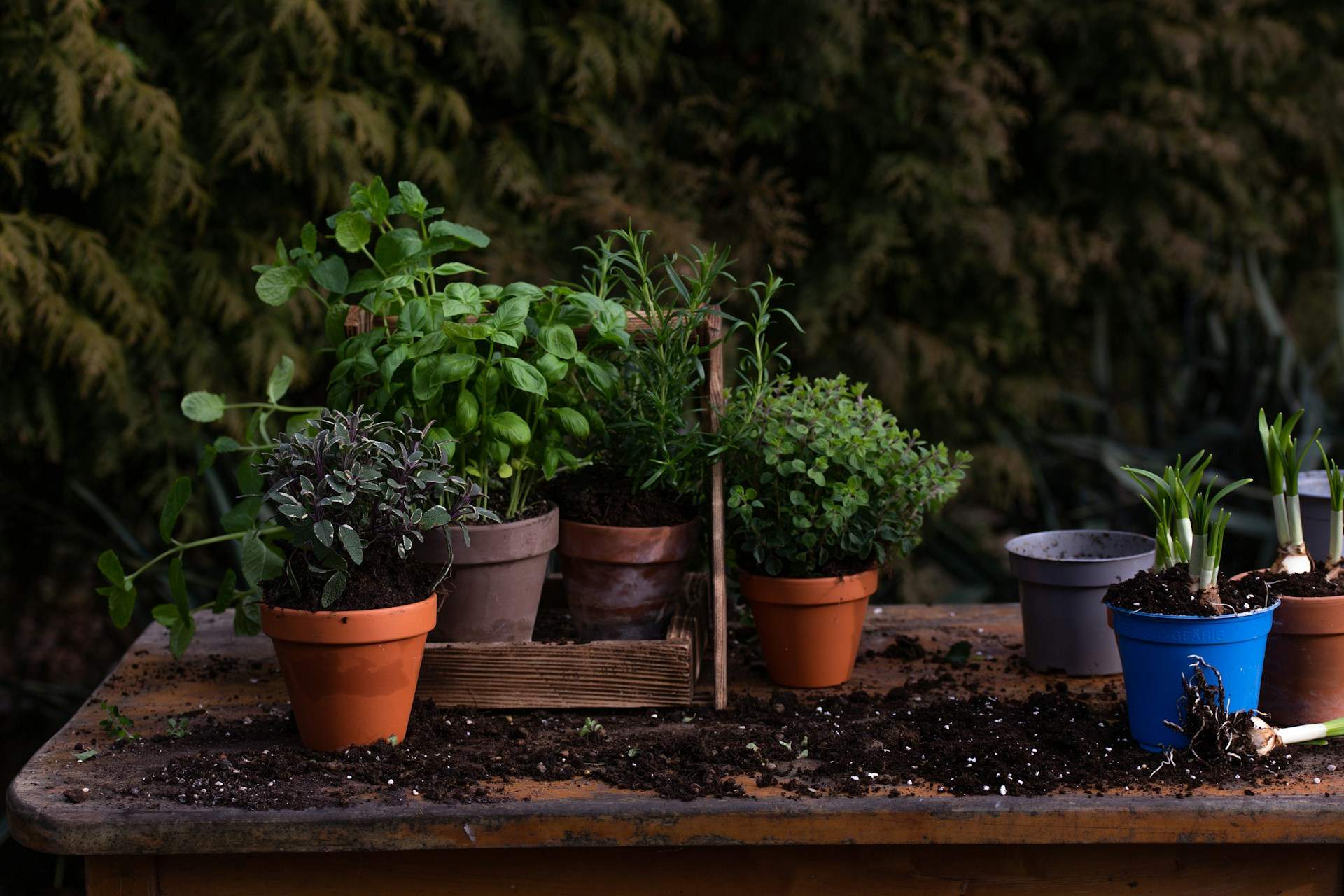
Every November I have the same conversation with myself on the balcony, secateurs in hand, looking at a salvia that has gone from glorious to grim in about a fortnight. The easy move is to tip the lot on the compost and buy fresh in May. The better move takes one afternoon now and saves you a trolley full of plants in spring — and the plants you carry through tend to come back bigger, because they're building on a root system they already spent a whole summer making.
First, work out what "tender" means where you live
Hardiness ratings on labels are a guide, not a promise, because the thing that kills borderline plants in winter is rarely cold alone. It's cold plus wet, cold plus wind, or cold roots sitting in a pot that freezes solid from all sides. A plant growing in open ground in a sheltered garden may sail through a winter that finishes off an identical plant in a terracotta pot on a fourth-floor balcony.
So before you do anything, be honest about your conditions. Is your balcony or patio exposed to wind? Do pots sit in saucers of standing water after rain? Is there a wall that holds warmth, or a corner that never sees sun from November to February? Group your plants by how much protection they actually need, and accept that one or two will be gambles. That's gardening, not failure.