There is a particular Sunday in late October when the garden stops asking anything of you. The tomatoes are finished, the grass has slowed, and everything looks slightly collapsed. It is tempting to shut the door until March. But the hour or two you spend outside now is the most leveraged gardening you will do all year, because almost everything you plant, protect or clean in the next fortnight shows up as a result you did not have to work for in spring.
I garden in a small space, mostly pots and one stubborn bed, with children who treat the watering can as a toy. So this is not a heroic list. It is the handful of jobs that actually change the outcome, arranged roughly in the order I do them.
Plant the bulbs before the ground goes cold and ungenerous
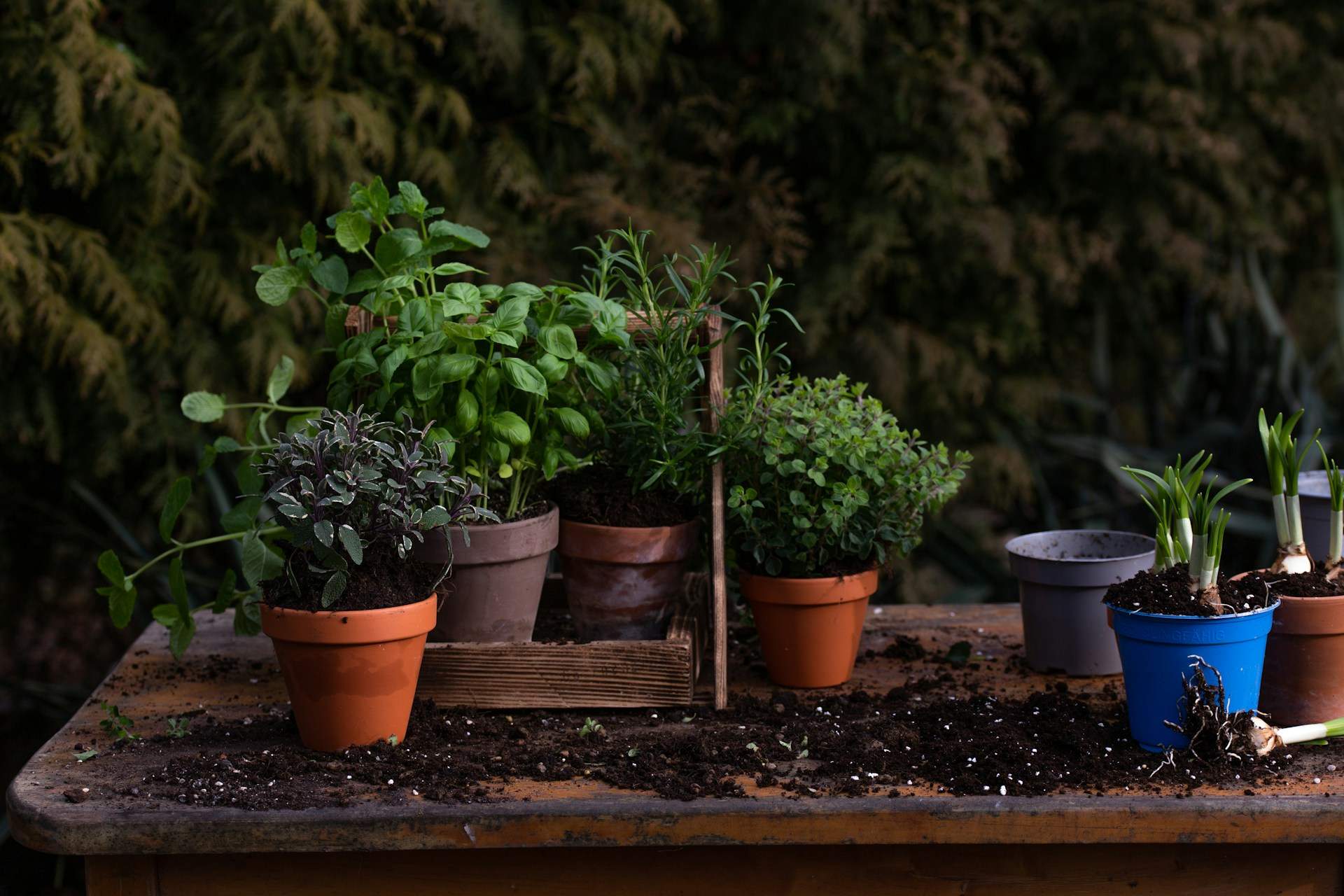
If you do one thing, do this. Tulips in particular are happy going in late — many growers deliberately wait until the soil has cooled, because cooler ground means less chance of fungal problems. Daffodils and crocus prefer to be in earlier, but late is still far better than never. In pots, use a deep container with real drainage, add some grit or coarse compost to the base so the bulbs are not sitting in a puddle all winter, and plant more densely than feels sensible. A pot of twelve tulips reads as a display; a pot of four reads as an accident.
Layering is the trick worth learning: deepest and latest-flowering at the bottom, smaller early bulbs above them, so one container gives you weeks rather than a single fortnight. Label it, or at least photograph it, because in February you will have absolutely no memory of what is in which pot.
Deal with pots, drainage and the things that crack in frost
Containers are the most common winter casualty in small gardens. Terracotta that holds water will crack when that water freezes and expands. Lift pots onto feet, bricks or even a couple of stones so they drain freely rather than standing in a saucer of rain. Empty and turn over anything you are not using. Move the most vulnerable pots against a wall, ideally one that catches afternoon sun and takes some heat off the building.
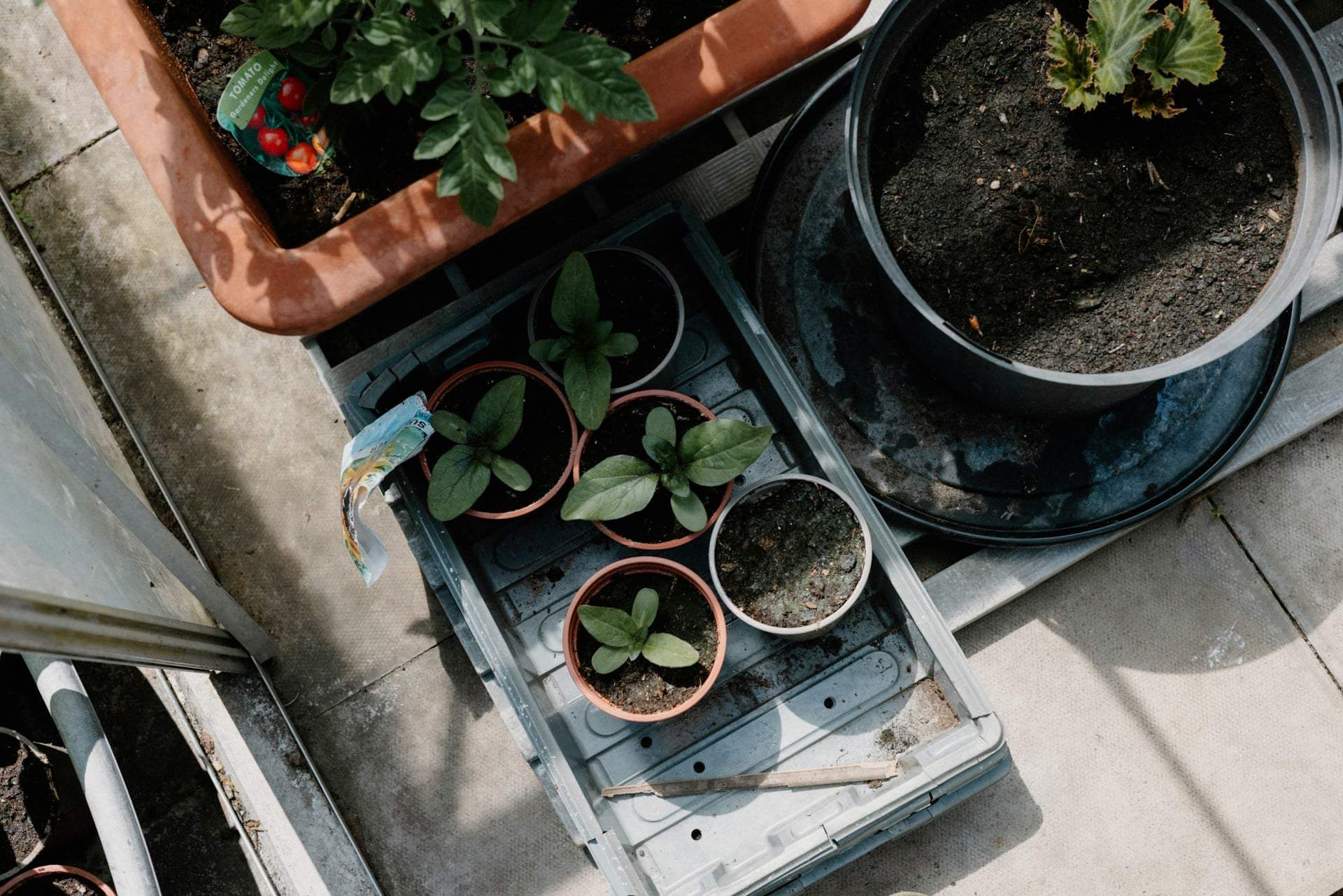
This is also the moment to empty and scrub seed trays, old pots and anything that will be reused in spring. Warm water, a stiff brush, a little washing-up liquid. Dried-on compost harbours pests and disease, and scrubbing pots in October is infinitely nicer than scrubbing them in March when you want to be sowing.
Clean and oil the tools, then put them somewhere dry
Secateurs that were slightly sticky in September will be rusted shut in February. Wipe blades clean, remove sap with hot soapy water or a dab of oil, dry thoroughly and run a thin film of oil over the metal. Wooden handles like a rub of oil too. Sharpen if you know how; have it done if you do not. It takes fifteen minutes for the whole collection and it is the difference between pruning being pleasant and pruning being a fight.
The job worth skipping: cutting absolutely everything back
The urge to shear the garden flat before winter is strong, and mostly unnecessary. Seedheads on grasses, sedum, teasel and echinacea look extraordinary under frost, feed birds through the hungry months, and give insects somewhere to overwinter. Hollow stems are shelter. A pile of leaves left in a quiet corner is a whole ecosystem.
Cut back what is genuinely slimy, diseased or in the way of a path. Leave the rest standing until late winter, then tidy in one go when the new growth is visibly pushing through. Your garden will look less barbered and considerably more alive, and you will have bought yourself a free afternoon.
Is it too late to plant bulbs in late October?
For tulips, no — late October and into November is a perfectly standard planting window, and many gardeners prefer it. For daffodils, snowdrops and crocus you are at the later end of ideal, so get them in as soon as you can; they may flower slightly later or shorter in their first year but will usually settle into a normal rhythm afterwards. Bulbs left in a paper bag in the shed will give you nothing at all, so planting late always beats not planting.
What should I do with balcony pots before the first frost?
Group them together rather than spacing them out, because plants shelter each other and a cluster holds warmth better than lone pots on an exposed rail. Raise them off the floor for drainage, wrap the most tender containers in hessian, bubble wrap or old fleece, and move anything borderline against the wall of the building. Remember that pots still need occasional water in winter — under a balcony overhang they can stay bone dry for weeks without you noticing.