If you love spending summer evenings outside with an iced tea or a cocktail in hand, here's an idea you'll fall for: create your own cocktail garden. This beautiful, practical mini garden works as decoration and pantry all at once, because the herbs and edible flowers you grow can end up right in your glass.
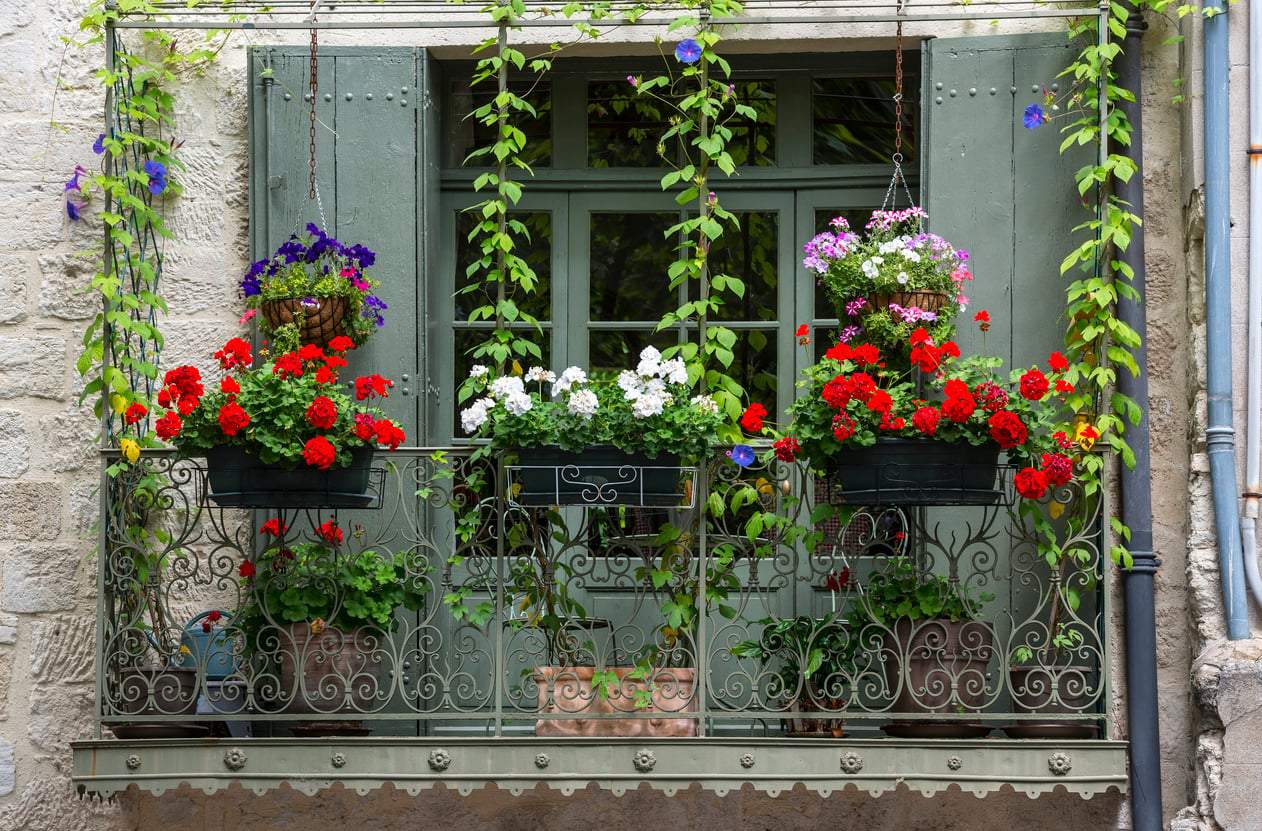
Cocktail gardens are getting more popular every year, and it's easy to see why. In a single large pot, or a few coordinated planters, you can combine plants that aren't just pretty but actually flavor and decorate your summer drinks. Best of all, you can pull it off even without a garden, with nothing more than a small balcony or terrace.
The beginner's favorite: rosemary, thyme and borage
If you're only just getting to know herb gardening, this trio is a great place to start. Rosemary's bold, upright shape adds height to the arrangement, thyme spills gracefully over the edge of the pot, and borage makes the whole thing special with its blue flowers.
All three love a sunny spot and well-drained soil, so they need relatively little care. Borage is an especially rewarding choice: it grows fast, flowers all summer long, and those blooms aren't just striking, they're edible too. Drop one on top of a gin and tonic, or freeze it into an ice cube for an extra flourish.
You can enrich the composition with trailing strawberries, which decorate the rim of the pot, help keep the soil moist, and reward you with tiny fruits along the way. Mint, on the other hand, is best grown in its own pot. It pairs well with almost every summer drink, but it spreads incredibly fast and can quickly crowd out everything else.
Italian vibes in a single pot
If you love that Mediterranean feeling, try combining basil, nasturtium, chives and dill. This mix looks effortlessly relaxed and wonderfully colorful at the same time.
Basil and dill bring a fresh, aromatic note to your summer dishes, and chive flowers are highly decorative. The real star, though, might be the nasturtium, whose vivid orange and yellow blooms create a true summer mood.
This combination asks for a little more attention than a pot of purely Mediterranean herbs. Basil and dill like regular watering, so it's important not to let their soil dry out completely on hot days.
Frequent harvesting is actually good for the plants, too. Basil, for example, becomes bushier and fuller the more regularly you pinch back its shoots.
The low-effort dream: lavender, rosemary, sage and thyme
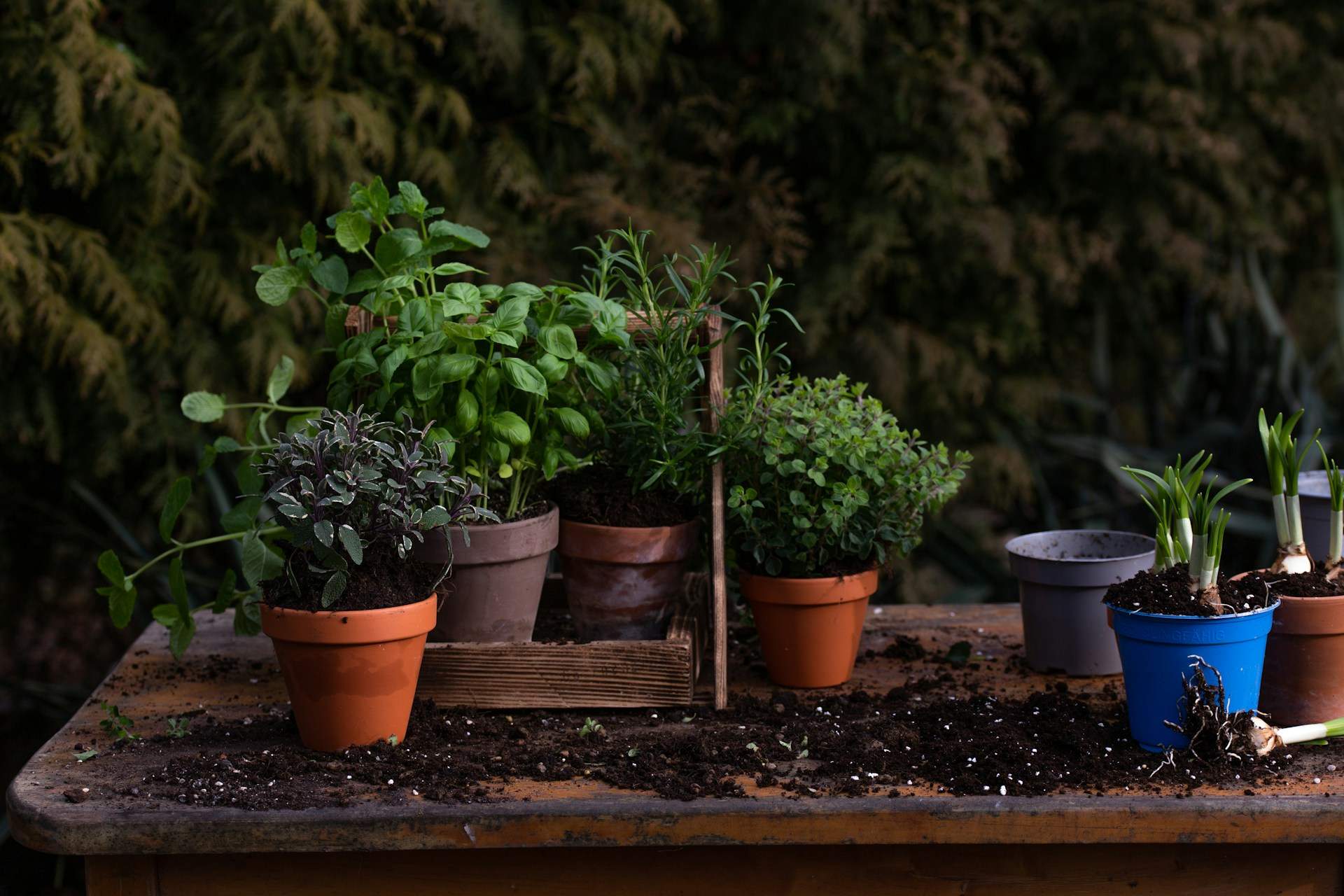
If you want an arrangement that practically takes care of itself, Mediterranean herbs are your best bet. Lavender, rosemary, sage and thyme all love sunny, drier conditions. They tolerate the heat, get by on very little watering, and stay beautiful for months.
They look especially good in terracotta pots, where the silvery-green leaves and lavender's purple blooms complement the color of the planters in perfect harmony.
They're worth choosing for more than their looks. Rosemary and lavender lend a distinctive aroma to homemade syrups and drinks, while sage pairs beautifully with citrusy coolers and roasts. A pot like this doesn't just produce ingredients, it sets the mood for your entire terrace.
How to make your cocktail garden truly eye-catching
The secret to a great cocktail garden isn't only choosing the right plants, it's also about the arrangement.
It's worth following the classic "tall, medium, trailing" rule. Give the pot one bold, taller plant, such as rosemary or borage, surround it with medium-height aromatic herbs, and along the edge add ones that spill over nicely, like thyme or certain varieties of mint.
Different leaf shapes and textures are what make an arrangement genuinely interesting. Most herbs are shades of green, but the size, shape and color of the leaves provide enough variety to keep the composition from looking monotonous.
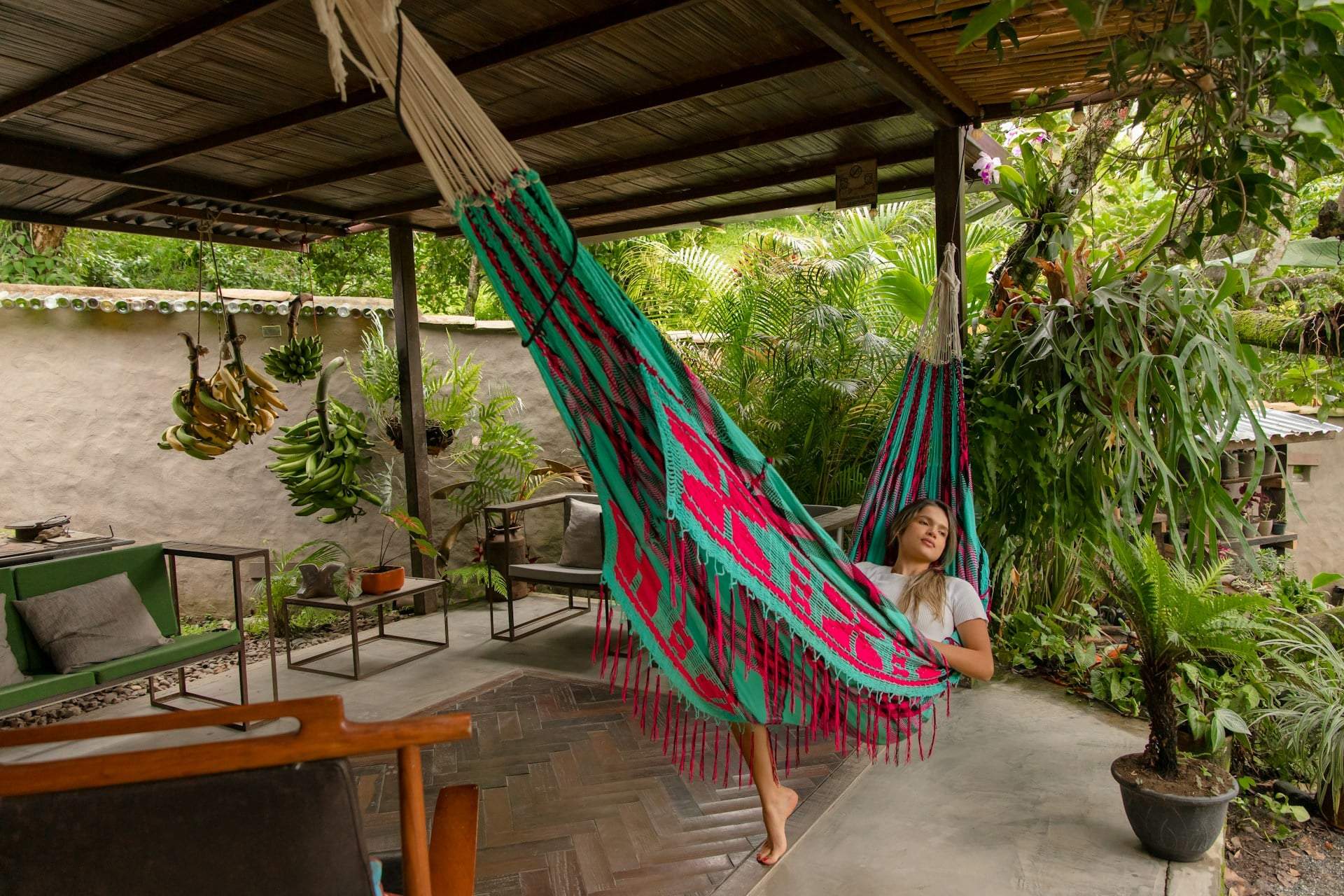
Place your cocktail garden somewhere you spend a lot of time. Set it near the terrace table or an outdoor bar counter and you'll not only reach for the plants more easily, you'll enjoy their scent more too.
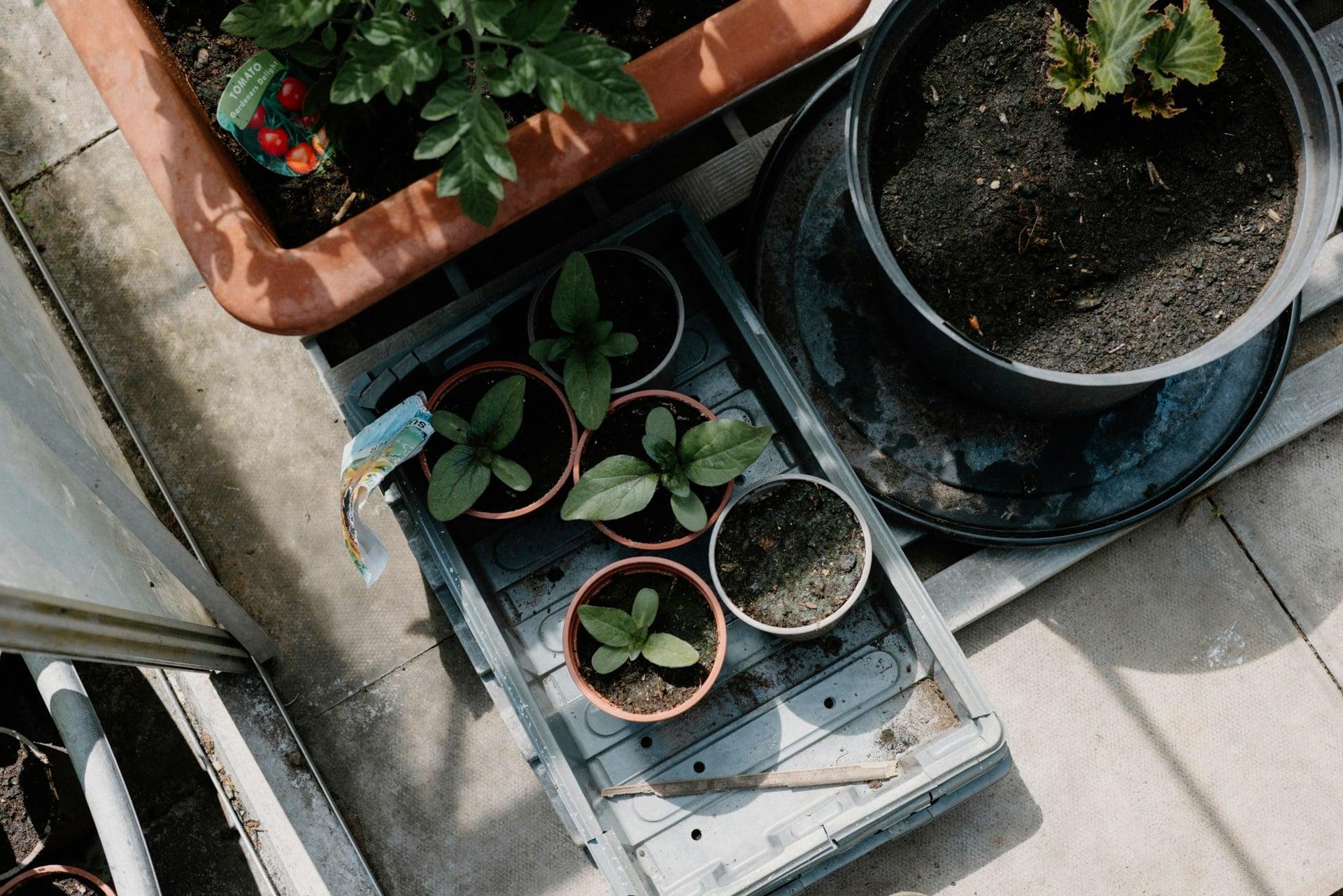
When it comes to choosing a pot, think big. Larger planters dry out more slowly, give roots more room, and create a far lusher, more dramatic overall effect.
A well-planned cocktail garden is so much more than a simple herb box. It's decoration, mini kitchen garden and conversation starter all in one at your summer gatherings, and it makes every dish and drink just a little more special.
Which herbs are the easiest to grow in a cocktail garden?
Mediterranean herbs like lavender, rosemary, sage and thyme are the easiest, since they love sun, tolerate heat and need very little watering. Borage is also a rewarding, fast-growing choice for beginners.
Can I make a cocktail garden without a garden?
Yes. A cocktail garden works in a single large pot or a few coordinated planters, so a small balcony or terrace is more than enough space.
Why should mint be grown in its own pot?
Mint pairs well with almost every summer drink, but it spreads extremely fast and can easily crowd out the other plants, so it's best kept in a separate container.
Which flowers can I actually put in my drinks?
Borage flowers are edible and look lovely on top of a gin and tonic or frozen into ice cubes. Nasturtium and chive flowers are also decorative additions to summer dishes and drinks.
Does harvesting herbs help them grow?
Yes, frequent harvesting benefits many herbs. Basil in particular grows bushier and fuller the more regularly you pinch back its shoots.