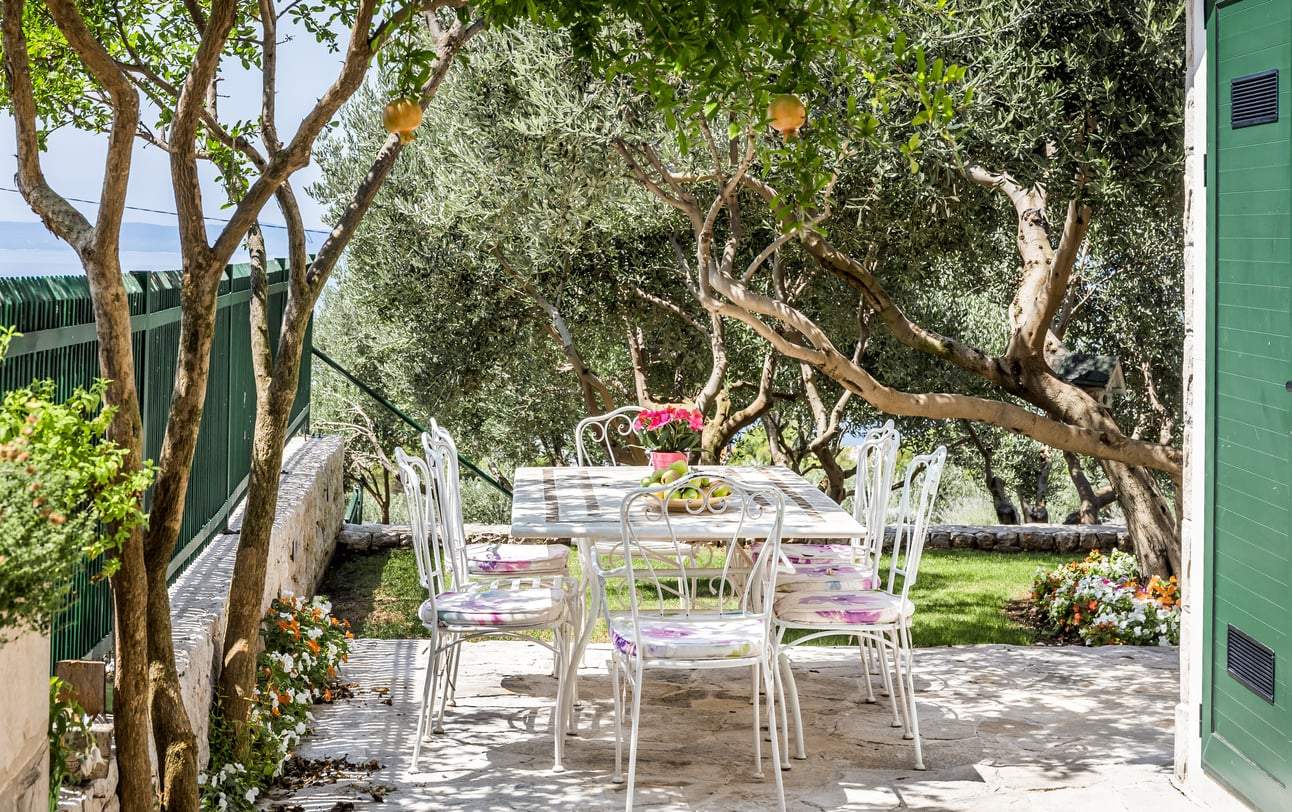
Think fruit trees always need a sprawling backyard? Think again. You don't need acres of land or a huge garden to pick your own lemons, figs or pomegranates.
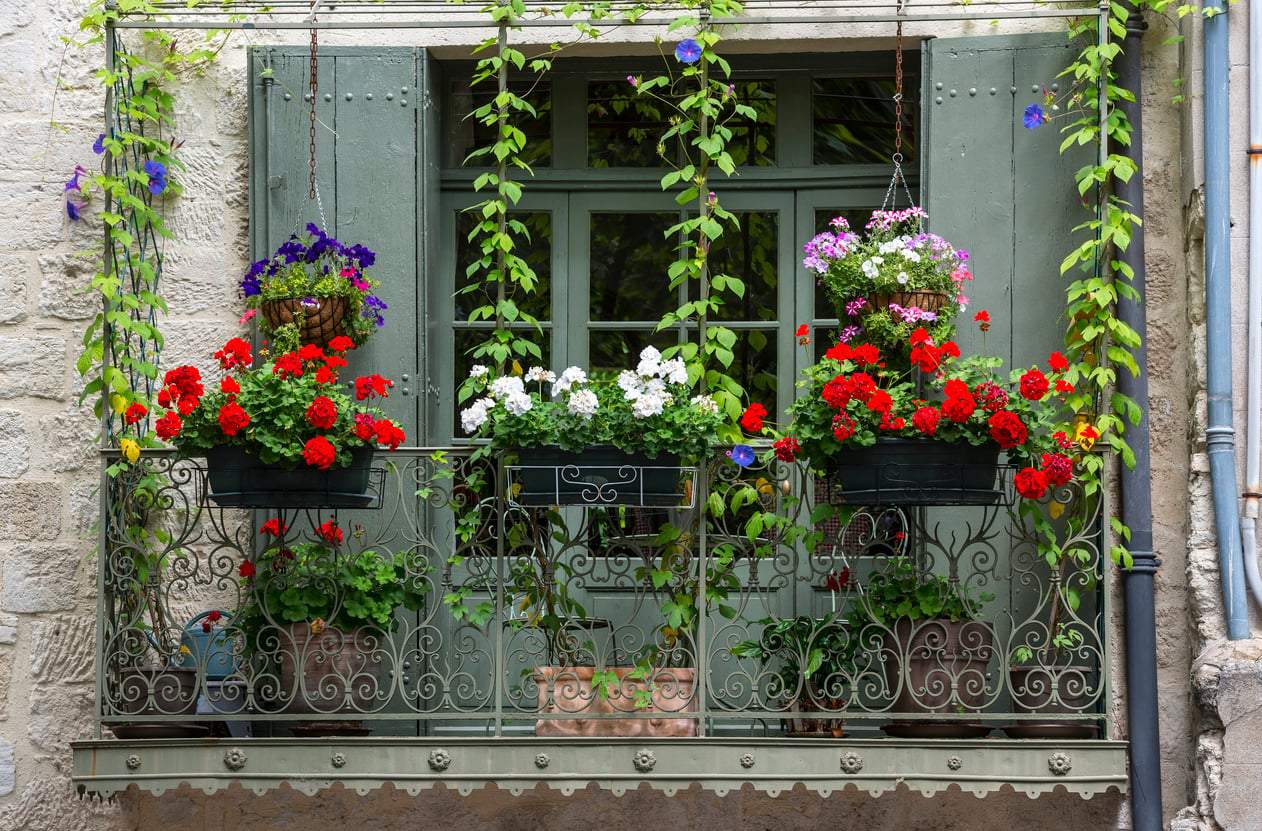
Even a small balcony, a sunny terrace or a bright corner of your living room can become a mini orchard. The secret to growing fruit in containers is simple: the right care, and dwarf varieties that genuinely enjoy life in a pot. Here are the five best fruit trees you can grow at home with confidence.
Citrus trees
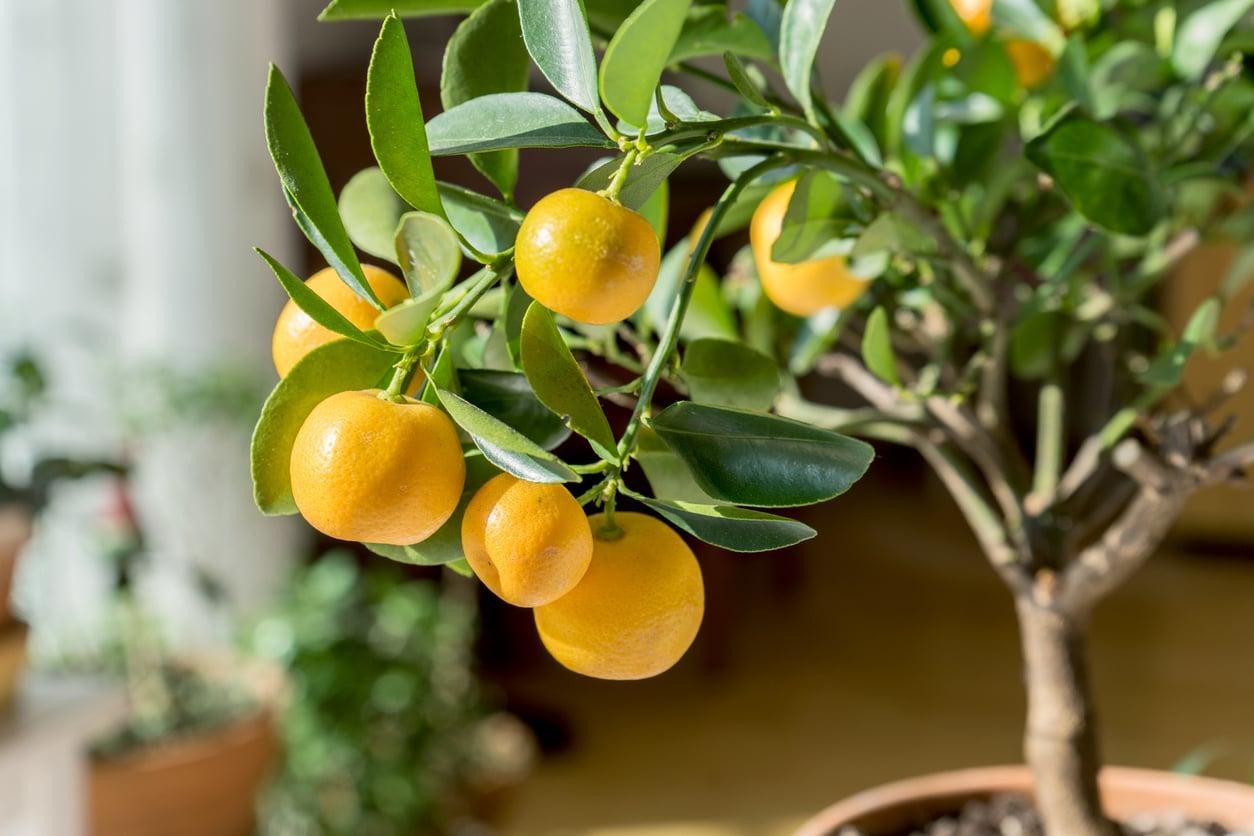
If you dream of growing a fruit tree indoors as a houseplant, citrus trees are hands down your best choice. They adapt beautifully to enclosed spaces and cope surprisingly well when their roots have limited room to spread.
The most pot-friendly options are Meyer lemons, calamondin oranges (tiny, cherry-tomato-sized citrus with a tart bite), mandarins and kumquats.
Given enough light and attention, they won't just fill your home with fragrant, decorative greenery — they'll reward you with your very own harvest. Another striking option is the Australian finger lime, whose graceful, cascading branches and scented flowers give way to small, deep-red fruits. Better still, it fits happily even on a narrow windowsill.
Fig trees
The fig is one of the most rewarding trees you can grow in a container, but unlike citrus, it actually appreciates a change of seasons. To fruit generously, it needs full sun in summer and a cool, frost-free spot to rest in winter. The easiest way to manage this is to keep it on the terrace during the warm months, then move it into a cool garage, cellar or enclosed stairwell in autumn.
Container-grown edible figs reliably produce fruit on their new growth every year. If you want to play it safe, look for dedicated dwarf varieties (such as 'Fignomenal'), which top out at just 60–90 cm (24–35 in) yet still pour out sweet, dark-purple fruit.
Not sure your balcony gets enough sun? It's worth checking which fruit trees suit your space best before you buy — a little planning goes a long way.
Dwarf everbearing mulberry
Traditional mulberry trees can shoot up to 20 metres (66 ft) tall, making them completely impractical for a home or balcony. Luckily, dwarf versions exist too (like the compact forms of Morus nigra), which stay small and tidy when grown in a pot.
Container growing has one big bonus here: a small tree in a pot is far easier to drape with netting, so the birds can't raid your harvest before you get to it. Keep in mind that these dwarf types are more frost-sensitive than their giant relatives, so they need a sheltered, frost-free spot during colder winters — and plenty of full sun in summer.
Dwarf pomegranate
Tropical plants are tempting, but in a cooler climate, papaya or mango rarely survive long term indoors. If you're craving an exotic, Mediterranean vibe, the dwarf pomegranate (Punica granatum 'Nana') is the perfect choice.
This gorgeous little plant rarely grows taller than a metre, making it ideal for a home or balcony. In summer it dazzles with scarlet-red blooms, which develop into small, edible pomegranates by autumn. It loves full sun and regular watering on the terrace in summer, and is happiest in a cool but frost-free room (a bright hallway or unheated spare room, for example) during winter.
Dwarf versions of classic fruit trees (apple, pear, peach)
If exotic isn't your thing and you'd rather see familiar garden fruit on your terrace, almost any classic fruit tree can be grown in a pot — as long as you pick a specifically dwarf or columnar variety. Apples, pears, peaches, apricots, plums and cherries are all now available in compact forms that won't grow into giants. Even berries like blueberries, raspberries and blackberries take beautifully to life in a container.
The golden rules of caring for container trees
- Watering: Soil in a pot dries out much faster than garden soil. It's worth using a drip irrigation system, or checking the soil daily during heatwaves.
- Mulching: Spread mulch or bark chips over the surface — this helps lock in moisture and slows evaporation.
- Winter protection: Even though these trees survive winter fine in the ground, their roots can freeze and die when kept in a pot. In winter, push the pots close against the house wall and wrap the container itself in bubble wrap, straw or an old blanket to protect the roots from frost and stop the pot from cracking. The safest option is to overwinter them in an unheated garage or shed.
Can you really grow fruit trees on a small balcony?
Yes. With the right dwarf varieties and proper care, a small balcony, terrace or even a sunny windowsill can produce real fruit. Citrus, figs and dwarf pomegranates are especially well suited to containers.
Which fruit trees grow best indoors?
Citrus trees are the top choice for growing indoors as houseplants. They adapt well to enclosed spaces and tolerate having limited root room, rewarding you with fragrant foliage and homegrown fruit.
How do I keep potted fruit trees alive over winter?
Because roots in pots can freeze, move the containers close to the house wall and wrap them in bubble wrap, straw or an old blanket. For the safest results, overwinter frost-sensitive types in an unheated garage or shed.
How often should I water fruit trees in containers?
Potted soil dries out far faster than garden soil, so check it daily during heatwaves. A drip irrigation system and a layer of mulch on top will help keep the soil moist and reduce evaporation.