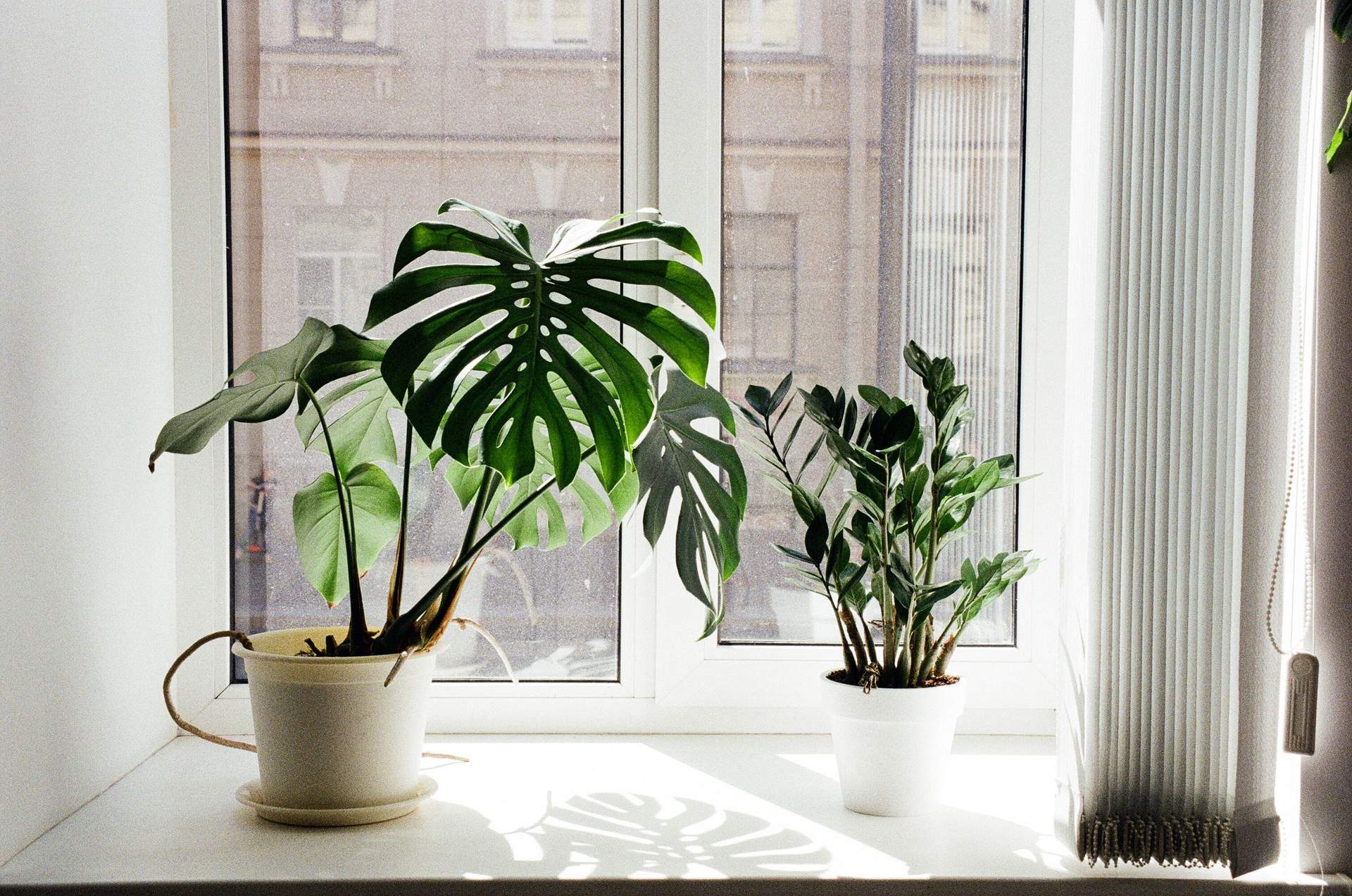
Every September, without fail, someone in my building leaves a sad monstera by the bins with a note saying free to a good home. It is almost never underwatered. It is nearly always the opposite: a plant that was loved on exactly the same schedule from June to October, while the light halved and the days shortened around it. Autumn is the season when good intentions kill houseplants, and the fix costs nothing except a small change in how you decide.
Why the same routine stops working
Plants drink in proportion to how much they are growing, and growth is powered by light. When the sun sits lower, days shorten and windows collect a film of grey autumn cloud, most indoor plants shift down a gear. They put out fewer new leaves, they use less water, and the compost stays wet for far longer than it did in high summer. Meanwhile the roots are sitting in that damp, cool soil with no way to dry out — which is where root rot begins.
The tell-tale sign is confusing, because an overwatered plant droops in a way that looks exactly like thirst. Yellowing lower leaves, a soft stem base, a faintly sour smell from the pot and soil that is still dark three days after watering all point one way. If you find yourself watering a wilting plant that is already wet, stop and check the roots instead.
Water the plant, not the calendar
Throw out the idea of Sunday being watering day. From now until spring, work by test rather than habit. Push a finger into the compost up to the second knuckle: if it comes out cool and dark, wait. If it is dry and crumbly at that depth, water. For plants in plastic pots, lift them — a dry pot is startlingly light, and after two or three lifts your hands learn the difference better than any moisture meter.
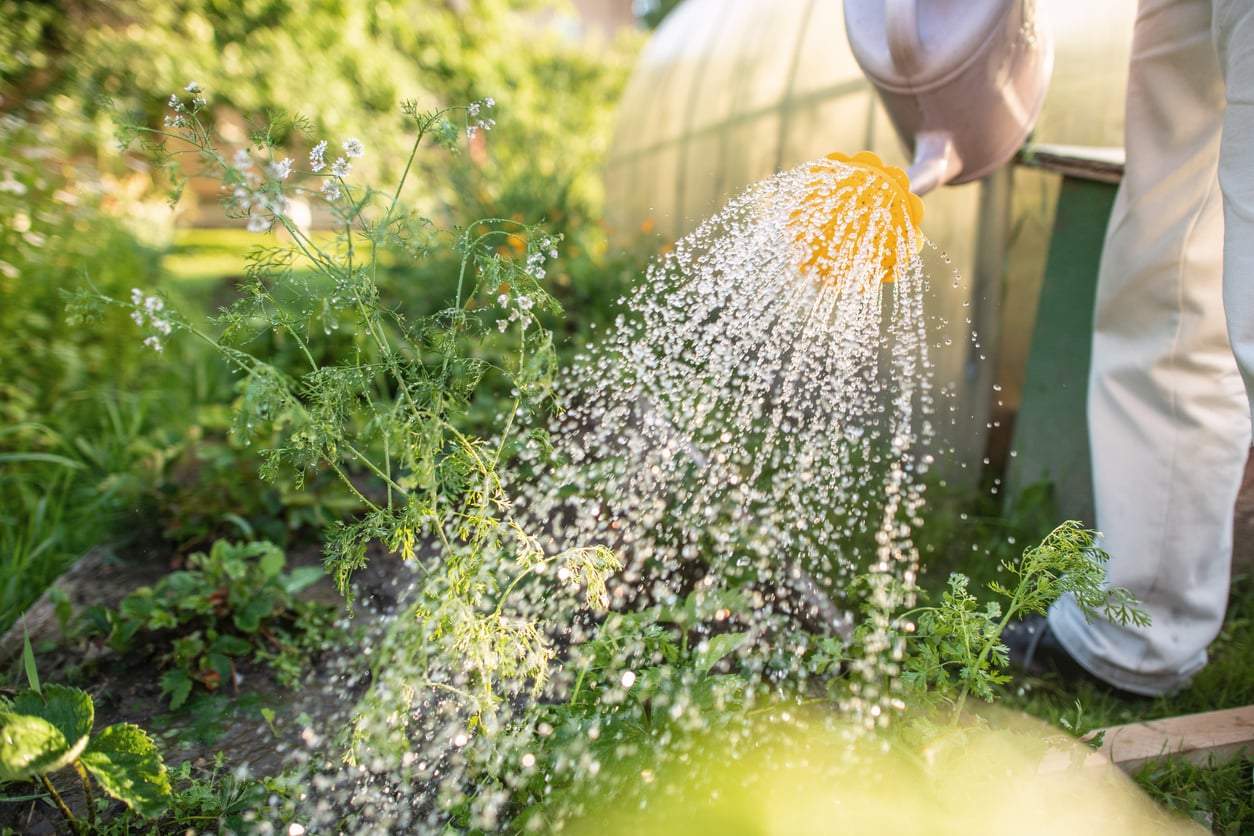
When you do water, water properly. A dribble every few days keeps only the top centimetre damp and encourages shallow roots. Instead, take the plant to the sink, water until it runs freely from the drainage holes, let it drain for ten minutes, then return it to its cover pot — empty, always. Standing water in a decorative pot is the single most common reason a healthy plant declines over winter.
Bottom watering suits fussy things beautifully in autumn: stand the nursery pot in a few centimetres of water for twenty minutes, then lift it out when the surface darkens. It keeps the crown dry, which matters for African violets, peperomias and anything with a woolly leaf.
The other autumn adjustments
Move plants closer to the window as the light drops, but away from the radiator once the heating goes on. Warm, dry air pulls moisture from leaves while the compost stays sodden — the worst combination. Grouping plants together raises the humidity around them a little and makes the whole watering round quicker.
Stop feeding most houseplants now, or reduce it to a fraction of the summer dose. Fertiliser encourages growth the plant does not have the light to support, and unused salts build up in the compost. Wipe the dust off leaves with a damp cloth every few weeks — dust genuinely blocks light, and in autumn there is none to spare. And resist repotting until spring; a plant that is barely growing cannot fill fresh compost, so the excess just sits wet around the roots.
How often should I water houseplants in autumn?
There is no single number, because it depends on the pot, the room temperature and how much light your window gets — a fern in a small terracotta pot may still need weekly water while a snake plant goes a month. Use the finger test as your rule and let the interval stretch naturally; most people find they go from weekly to somewhere between every ten days and every three weeks by late October.
Should I still mist my plants?
Misting is more comforting to us than to the plant: the effect on humidity lasts minutes, and on plants with fine hairs it can encourage fungal spots on the leaves. If your rooms are dry once the heating starts, cluster plants together, stand pots on a tray of pebbles with water below the pot base, or keep the fussiest ones in the bathroom where the air is naturally damper.
If you only change one thing
Make it the empty cover pot. Water thoroughly, drain fully, tip away anything that collects underneath. Do that, test with your finger before every watering, and your plants will arrive at spring tired but alive — ready to grow the moment the light comes back.