With the right plants, your morning coffee on the terrace can stay your favorite daily ritual well into the cold season. These seven autumn bloomers are anything but ordinary — and your outdoor space deserves better than the usual.
The showstopper: aster
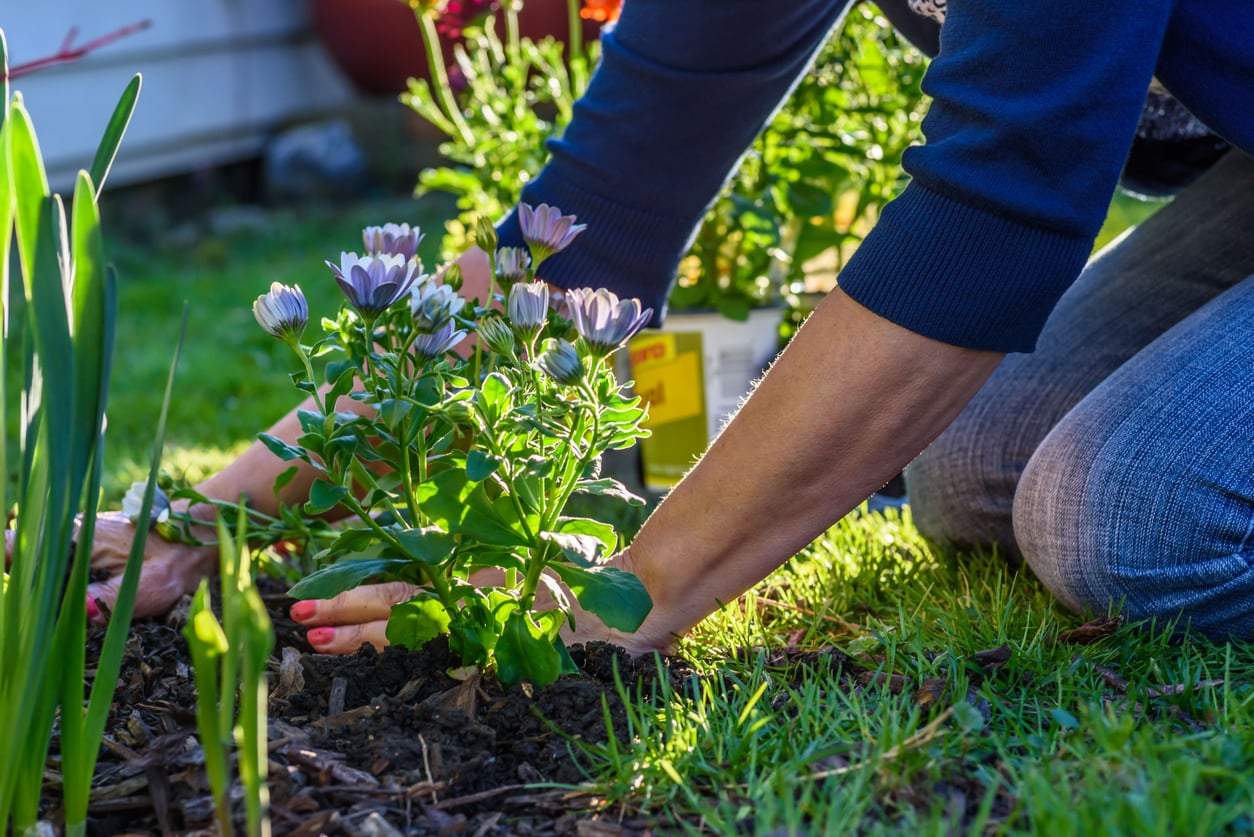
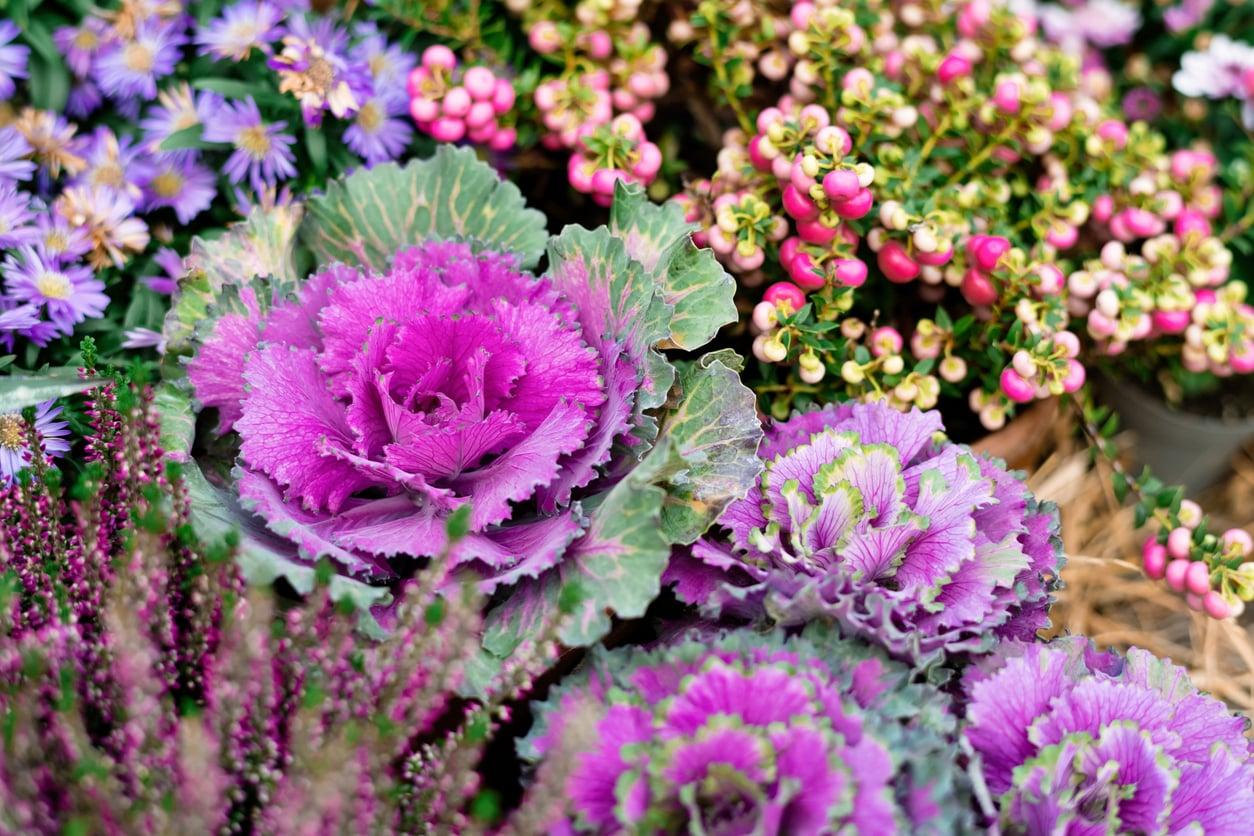
If you're after dramatic color and full, lush displays, aster is the undisputed queen of the autumn terrace. Its petals — in every shade of purple and pink imaginable — seem to catch the last gentle rays of sunlight as if they're glowing from within.
All it needs is a sunny or pleasantly semi-shaded spot to truly shine. Place it well, and it will reward you every single day.
Golden warmth for the coolest days: marigold
Marigold brings the last warmth of summer and the richest tones of autumn straight to your window box or planter. The glowing shades of yellow, orange, and deep russet brown make any outdoor corner feel instantly welcoming.
It's a wonderfully low-maintenance companion that thrives in sunny spots with well-draining soil. Deadhead the spent flowers every now and then, and it will keep pushing out fresh buds right up until the first frost.
Fiery temperament: gaillardia
Those sunset-colored petals will stop every guest in their tracks. Gaillardia is a perfect choice if your busy schedule leaves little time for balcony upkeep — it's one of the toughest plants you'll find.
It handles dry spells with ease, all while producing its flame-like blooms non-stop. If you love a natural, slightly wild aesthetic, this one is simply a must.
Airy elegance: Japanese anemone
If clean lines, refinement, and a minimalist look speak to you, Japanese anemone will steal your heart immediately. Its snow-white or soft pink petals float on long, graceful stems, bringing a lightness to the space that nothing else quite matches.
It just needs a sheltered, bright position — give it that, and it becomes the most elegant focal point your terrace has ever had.
Scandinavian mood: heather
This charming little plant is the embodiment of autumn romance, coming into its own exactly when the temperatures start to drop. Its tiny flowers cluster in dense spikes, ranging from pink and white all the way to deep purple.
What makes heather truly special is that its blooms hold their color beautifully even through the colder weeks, giving your terrace a warm, cozy atmosphere long after other plants have faded.
Pollinator magnet: sedum
This striking succulent brings exciting texture and dimension to any outdoor display with its architectural form and spectacular flower heads. Its star-shaped blooms open gradually, shifting in color from pale blush all the way to deep burgundy.
Sedum is incredibly tough — unpredictable weather doesn't faze it in the slightest. As a bonus, it provides a late-season feast for the last hardworking pollinators of the year.
Modern texture: ornamental kale
If you like to break the mold, ornamental kale will be the most eye-catching feature on your terrace. Its ruffled, rose-like leaves intensify in color as the nights get cooler, turning vivid shades of purple, pink, and creamy white.
It looks stunning on its own and adds fantastic structure when mixed with other plants — proof that you don't have to sacrifice style just because summer is over.
FAQ
Which of these autumn flowers is the easiest to care for?
Gaillardia and sedum are both exceptionally low-maintenance. They tolerate dry spells well and require very little attention, making them ideal for busy gardeners.
How long will these plants bloom in autumn?
Most of these plants will bloom continuously until the first hard frosts. Heather is especially long-lasting, holding its color beautifully even during colder weeks.
Can I grow all of these in pots or window boxes on a balcony?
Yes — all seven plants are well-suited to container growing. Just make sure each pot has good drainage, and place each plant in a spot that matches its light preference (sunny or semi-shaded).
Which of these flowers is best for attracting pollinators?
Sedum is the standout choice for pollinators, providing an important food source for bees and other beneficial insects late in the season.