If you thought August was only good for watering and hoping your garden survives the heat, here's some good news: it's not too late to plant at all. In fact, late summer is a surprisingly good window for heat-tolerant perennials, ornamental grasses, and plants that bloom in autumn — meaning your garden can still have a serious second act.
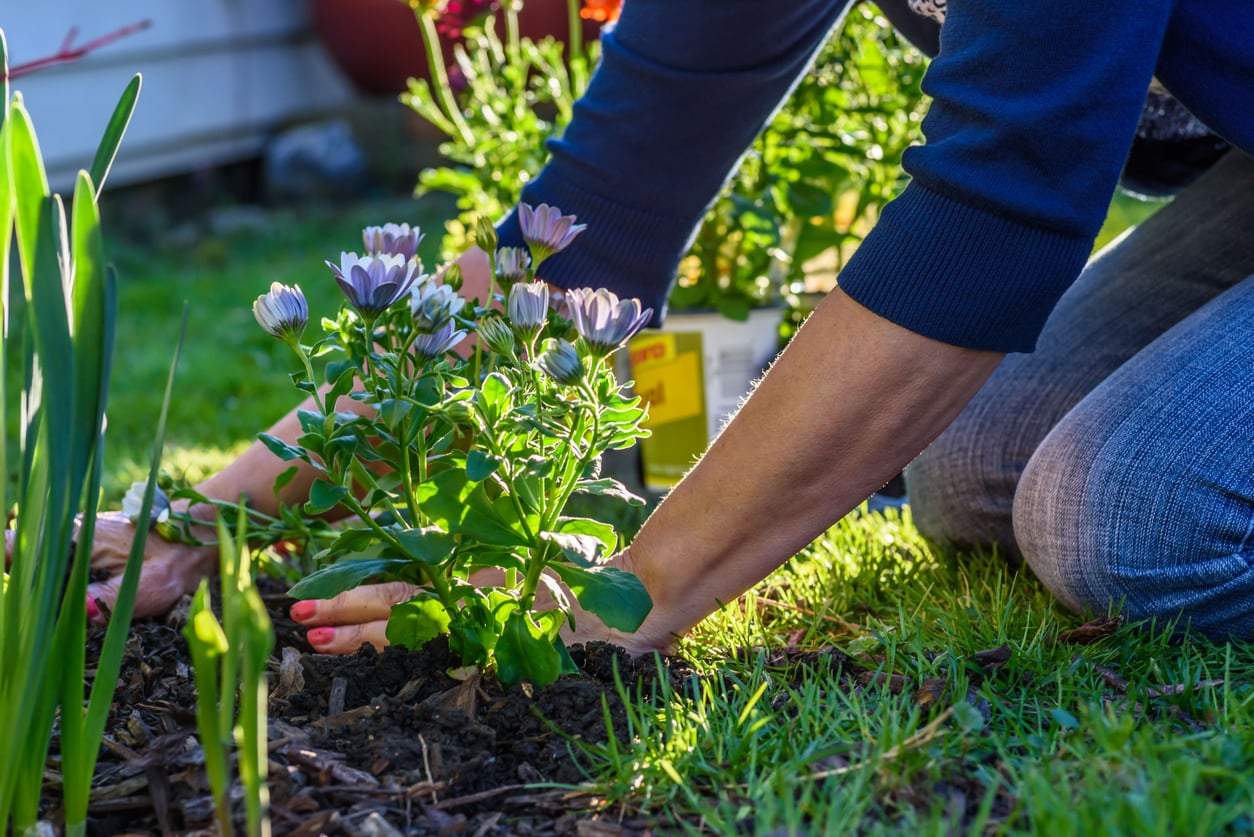
The one thing to keep in mind is that newly planted specimens need a little extra care in the first few weeks. Water them more generously than you think necessary, plant in the morning when it's cooler, and never let the root ball dry out completely. The payoff? A garden that looks genuinely beautiful well into fall — with color, structure, and life when most summer displays have faded.
Purple coneflower (Echinacea purpurea)
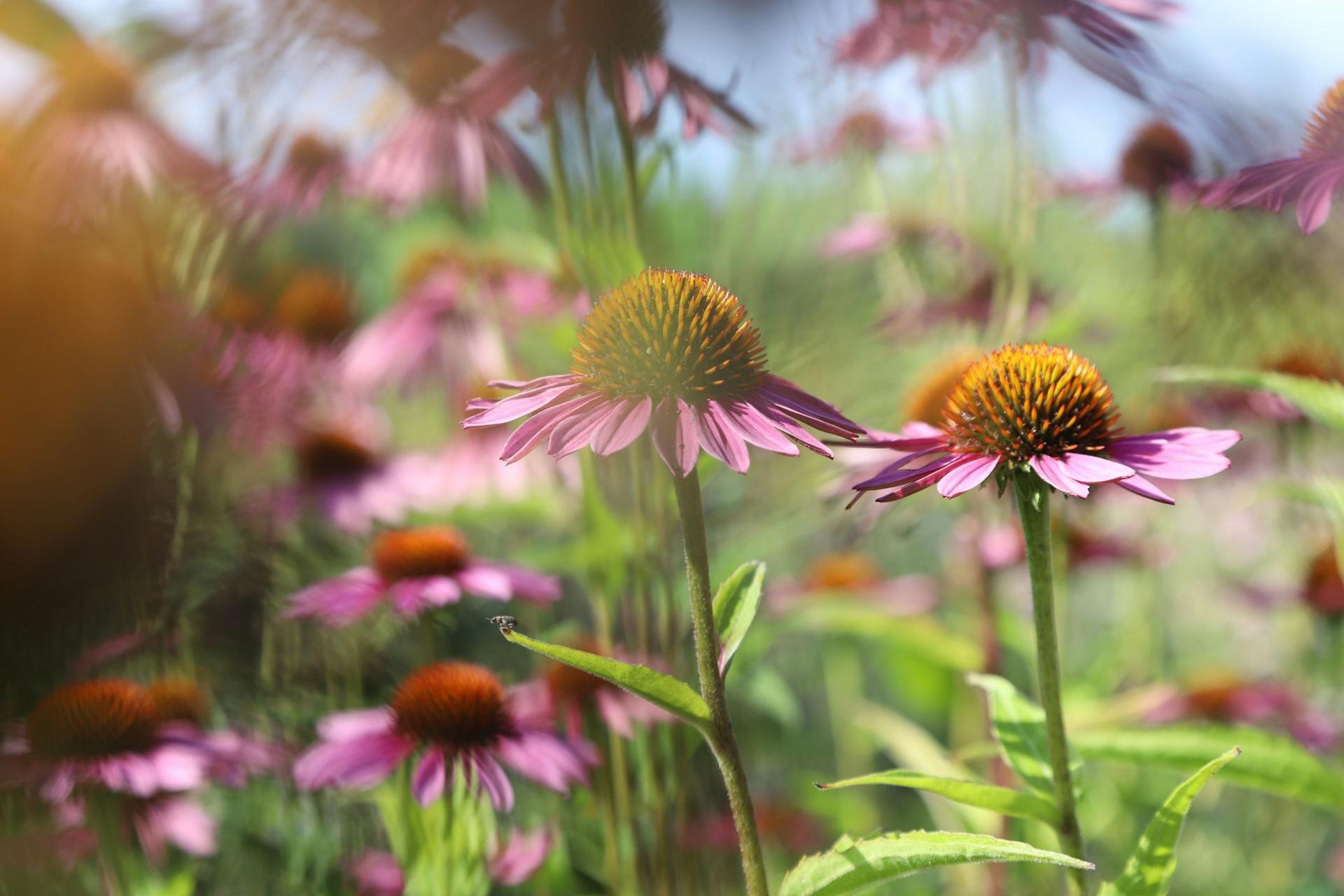
Purple coneflower is one of August's true garden heroes. Its flowers come in pink, purple, coral, orange, yellow, and white — and they keep the borders looking lively long after many summer plants have started to look tired.
In August, skip the seeds and go straight for a well-developed container plant. Varieties like 'Magnus' and 'White Swan' make an instant impact and will grow bigger and more impressive with every passing year.
Even after the petals drop, the distinctive raised cone in the center stays decorative through winter and provides seeds that birds love. Plant in a sunny spot with well-drained soil, water thoroughly after planting, and then water deeply but less frequently — soaking the roots rather than giving frequent shallow drinks works much better.
Stonecrop sedum (Hylotelephium spectabile)
Got a sunny, drier corner with poor soil? Stonecrop sedum is practically made for it. It's unfussy, stays attractive from late summer well into the colder months, and handles heat waves with ease — which matters more and more these days.
The classic 'Autumn Joy' variety starts with greenish buds that slowly turn pink and then deepen into a rich rusty red. The flowers rise above fleshy, sculptural leaves and are a magnet for pollinators in late summer when other nectar sources are running low.
You can plant container specimens in August — just keep an eye on moisture in the first few weeks. That said, sedum actually dislikes overly rich, constantly wet soil, so good drainage matters far more than constant watering.
Black-eyed Susan (Rudbeckia fulgida)
Sometimes subtlety is overrated — and black-eyed Susan knows it. Its golden-yellow petals surrounding a dark brown center inject instant energy into any border, and that kind of reliable warmth is exactly what an August garden needs.
The 'Goldsturm' variety is a classic for good reason: it flowers for a long season, is incredibly tough, and thrives in full sun. It looks especially striking planted alongside blue or purple flowers like catmint or salvia — together they create the feel of a late-summer meadow right in your backyard.
Water regularly after planting, and once it's established, deadhead spent blooms to encourage another flush of flowers before the season ends. Taller plants look best positioned behind lower-growing varieties so the flowers stand out above the planting.
Woodland sage (Salvia nemorosa)
Sage isn't just for the kitchen — the ornamental varieties are one of the most elegant ways to bring vertical structure and cool blue-purple color into your beds.
Salvia nemorosa produces slender flower spikes above aromatic foliage, and with the right pruning it will rebloom. 'Caradonna' and 'May Night' are both excellent choices; in warmer, more sheltered spots, the blue sage (Salvia farinacea) is also worth considering.
The blue-purple flowers pair beautifully with yellow or orange-flowering neighbors. Choose a sunny, well-drained position and water regularly at first. Once the first flush of blooms is over, cut back the spent stems — there's a good chance you'll get a second wave of flowers before the first frost.
Ornamental grasses
Flowers get all the attention, but ornamental grasses are what tie a garden together. They add height, texture, and movement — and container-grown specimens planted in August establish surprisingly quickly.
Feather reed grass (Calamagrostis × acutiflora 'Karl Foerster') is a dependable, upright choice that brings strong architectural form, while switchgrass (Panicum virgatum) has a lighter, airier quality and turns beautiful shades of red and gold in autumn. For something truly showstopping, Muhlenbergia capillaris — with its soft, hazy pink plumes — is hard to beat in late summer.
Position grasses where low evening light can shine through them — even a simple September garden looks cinematic when the sun catches the plumes at dusk. Water regularly in the first month, and once winter arrives, resist the urge to cut them back: the dried seed heads add structure to the garden and provide food and shelter for wildlife.
Lantana (Lantana camara)
If your pots and containers are looking a little worn out by August, lantana is the perfect rescue plant. Its tiny clustered flowers appear in combinations of yellow, orange, pink, red, and purple — often all on the same plant — and it genuinely thrives in the heat.
In cooler climates it's best treated as an annual, but that's no reason to overlook it. It needs a sunny spot, well-drained soil, and regular watering. Butterflies find it irresistible, which is a lovely bonus on a warm afternoon.
Lantana looks especially good in containers and can instantly lift a tired terrace or balcony. One thing to watch: don't over-fertilize it. Too much feed encourages leafy growth at the expense of flowers — which rather defeats the purpose.
Japanese anemone (Anemone hupehensis)
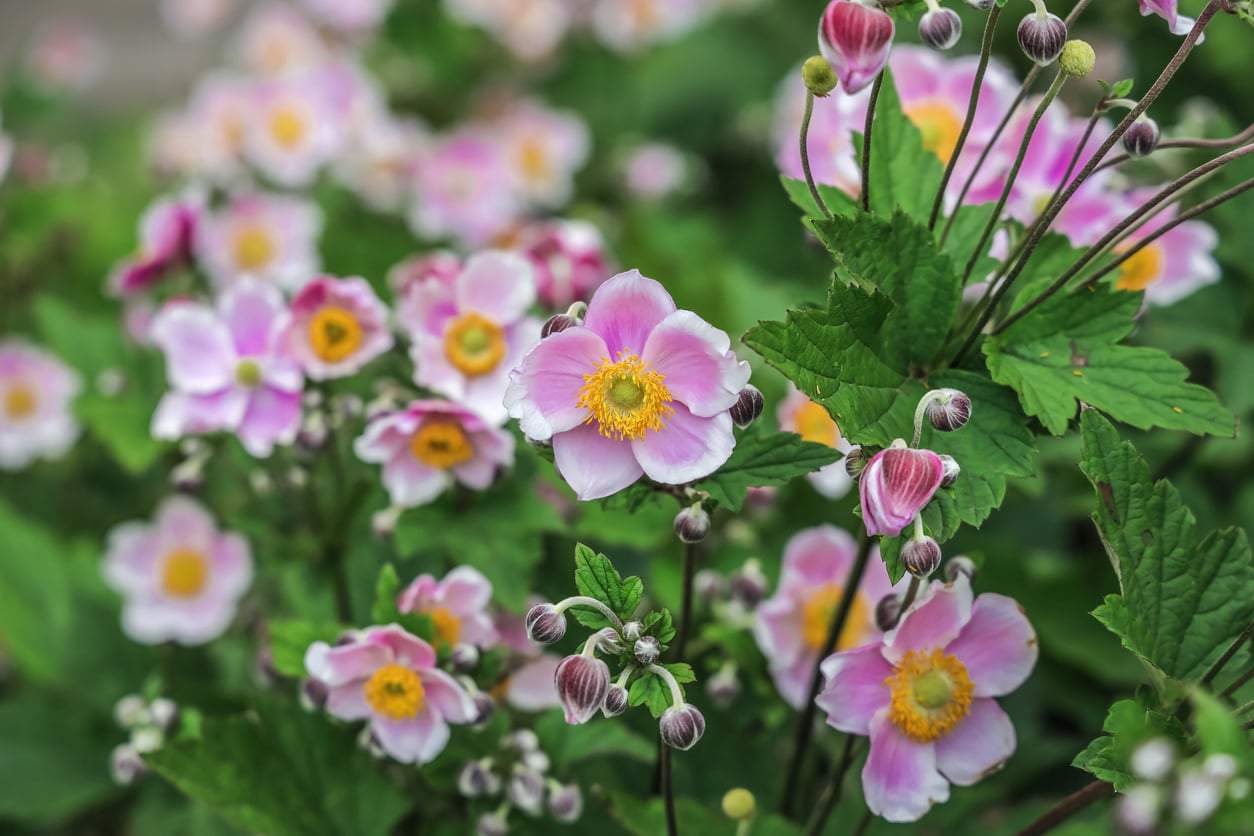
If bold, saturated color isn't what you're after, Japanese anemone is one of the most graceful plants you can add to your garden. Its pink or white flowers float on slender stems and look particularly lovely in partial shade — spots where many other plants struggle.
It comes into its own in late summer and early autumn, precisely when much of the garden is starting to wind down. It prefers moist but well-drained soil and does best somewhere sheltered from intense afternoon sun.
The first year, it may take a little time to settle and establish — but once it does, it spreads quite confidently. For that reason, give it plenty of room from the start. This is not a plant that intends to stay neatly contained in a small corner for long.
New England aster (Symphyotrichum novae-angliae)
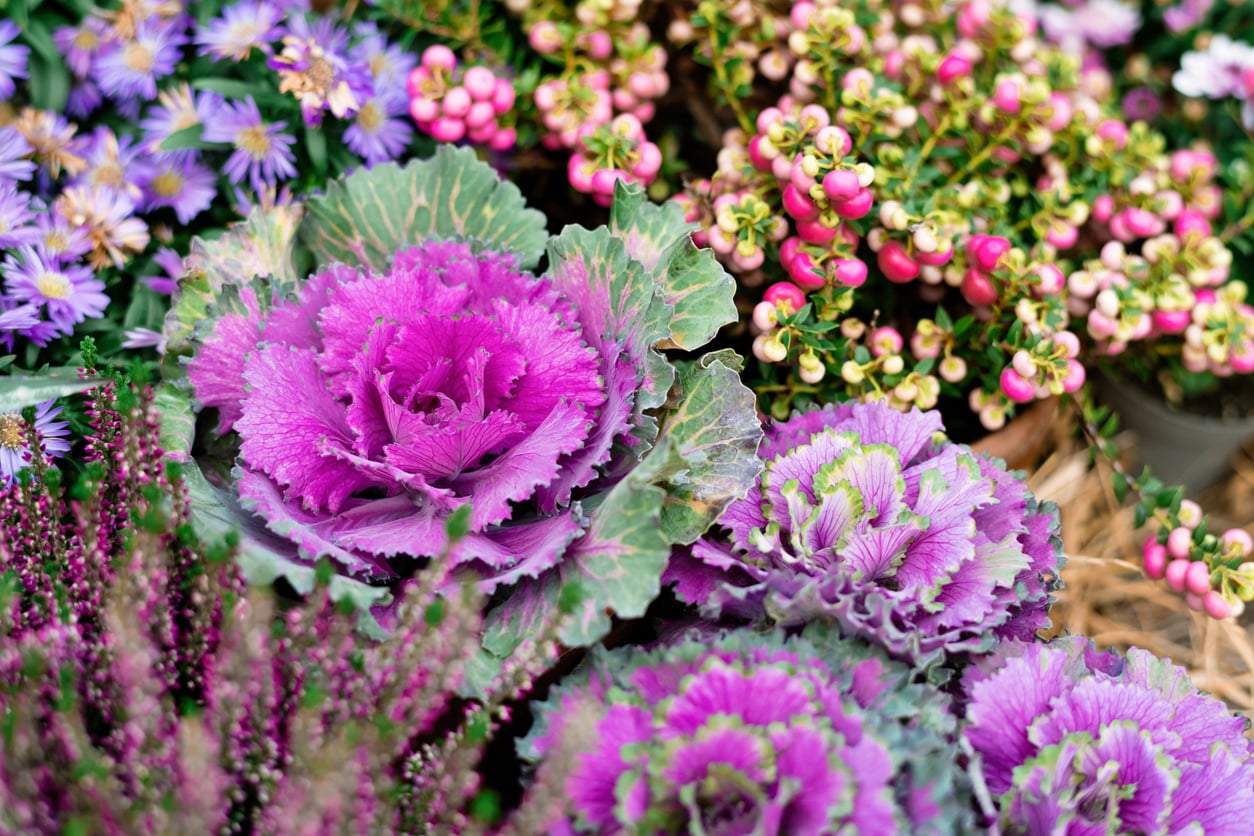
New England aster is, quite simply, the standout plant of the late-summer and autumn garden. Its purple, pink, or blue flowers appear just as most summer blooms are taking their bow — making it the ideal choice if you want to keep your garden colorful as long as possible.
The flowers are also an important late-season food source for butterflies and bees, which makes planting them feel like doing something genuinely good. If you're working with a smaller garden, the compact 'Purple Dome' variety is a great fit.
Asters thrive in full sun and reasonably moist soil. If you plant in August, container-grown specimens still have enough time to get established before the cold sets in. Don't let the soil dry out after planting, and a layer of mulch will help lock in moisture and keep the roots cooler during any remaining heat spells.
Is it really worth planting in August?
Absolutely. The key is choosing plants that are already well-developed in containers rather than starting from seed, and being attentive with watering in the first few weeks. The late-season bloomers above are all well-suited to August planting — and many of them will reward you not just this September, but for years to come.
Which plants are best for a shady garden in late summer?
Japanese anemone is one of the best options for partial shade, offering elegant pink or white flowers from late summer into autumn. Most of the other plants on this list — such as black-eyed Susan, coneflower, and aster — prefer full sun.
How often should I water newly planted perennials in August?
More often than you would in spring. In the first few weeks, water deeply every two to three days rather than giving shallow, frequent drinks. The goal is to encourage roots to grow downward in search of moisture. Once established, most of these plants are fairly drought-tolerant.
Do ornamental grasses need a lot of maintenance?
Very little. Water regularly in the first month after planting, then let them get on with it. Leave the dried seed heads standing through winter — they look beautiful with frost on them and provide food and shelter for birds and insects. Cut them back in late winter or very early spring before new growth begins.
Can I plant these in containers instead of garden beds?
Yes — lantana in particular is an excellent container plant and can transform a tired balcony or terrace quickly. Ornamental grasses, asters, and coneflowers can also work well in large pots, though they will need more frequent watering than plants in the ground.