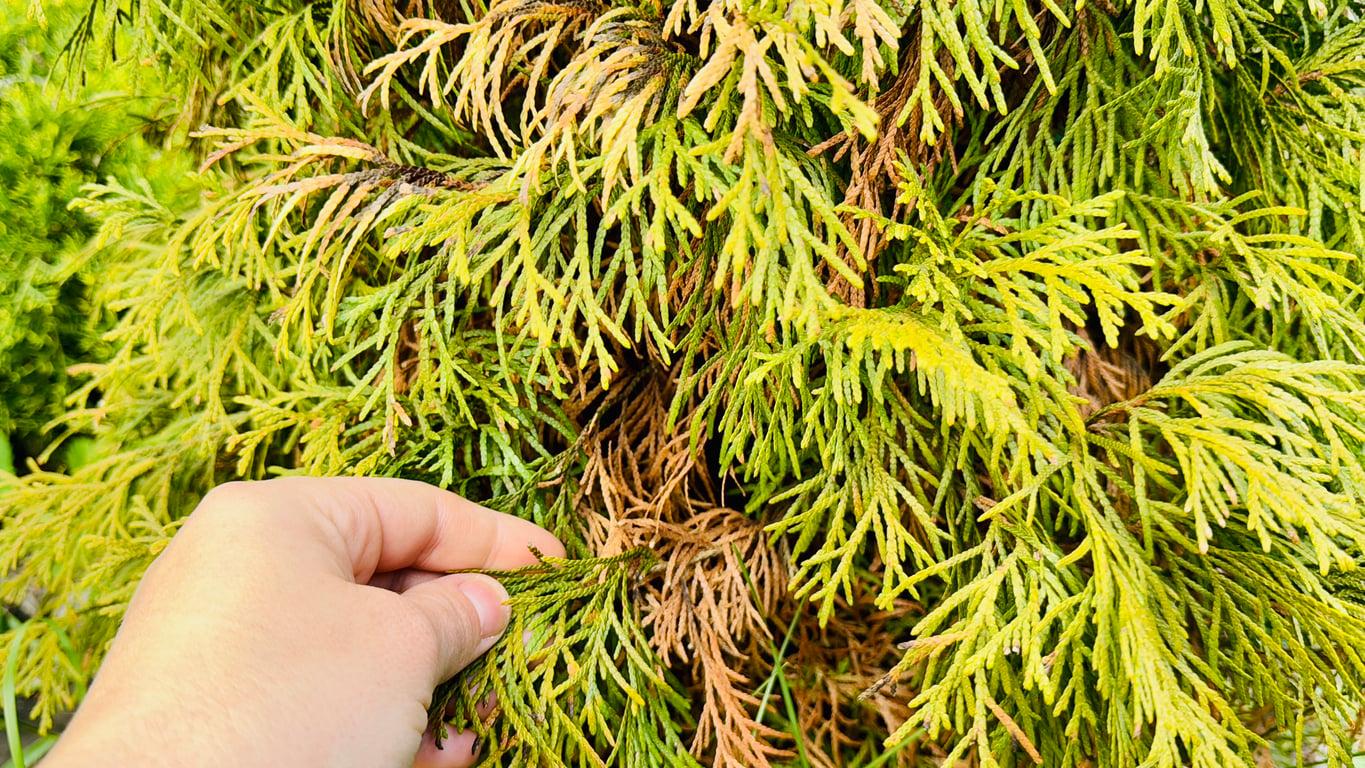
If your thuja hedge is starting to turn brown this fall, don't give up on it just yet. Browning can happen for several reasons — and if you catch it in time, there's still plenty you can do to stop the decline. The key is acting before winter sets in.
First, check whether the branch is actually dead
Brown foliage doesn't automatically mean the plant is gone. Before you panic, do a quick scratch test: use your fingernail to gently scrape the surface of a affected branch. If you see green tissue underneath, that branch is still alive. If it's completely dry and brown all the way through, that part won't recover.
Remove branches that are fully dead and dried out — but hold off on any major pruning this fall. The priority right now is figuring out what's causing the browning in the first place.
If the plant is dried out, water is your most important tool
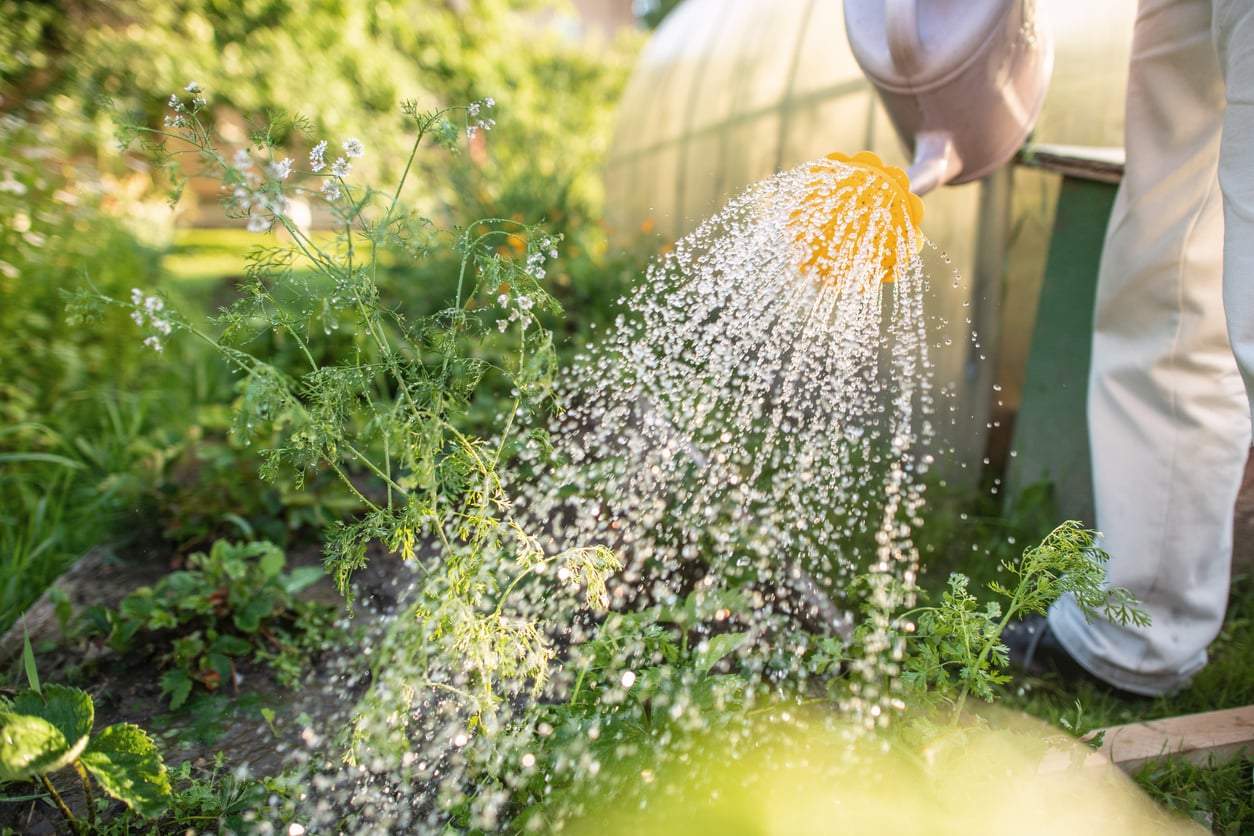
Thujas can still need a serious drink in autumn, especially after a long dry spell. The goal isn't to water a little every day — it's to get the moisture all the way down to the root zone, where it actually matters.
On a frost-free day, water slowly and thoroughly at the base of each plant. Don't be fooled by soil that looks damp on the surface — the root zone below can still be bone dry. If you have a hedge, work your way along the full length to make sure every plant gets enough.
A simple fall trick that makes a real difference
One of the most effective things you can do this autumn is mulch around the base of your thujas. Bark chips, shredded wood, or other organic mulch help the soil retain moisture and buffer against the temperature swings that come with fall and early winter.
Just make sure you don't pile the mulch directly against the trunk — leave a few inches of space around the base. Keeping that area clear reduces the risk of moisture buildup causing rot or other problems right where the plant is most vulnerable.
What you should avoid doing
When a thuja starts browning, it's tempting to reach for fertilizer and force it back to health. Don't. A stressed, weakened plant can actually be harmed by an overload of nutrients — and fertilizer won't fix the underlying problem if what's really going on is drought stress, root damage, or a pest infestation.
Similarly, don't start spraying random homemade remedies — like dish soap solutions — without knowing what you're dealing with. The right treatment depends entirely on the cause. Something that works against a pest could actually make things worse for a plant that's simply dehydrated.
Fall is still a good time to turn things around
If your thuja is still alive, autumn is actually a great window to get its conditions right. Check the soil moisture, give it a deep watering on dry days, remove any completely dead growth, and lay down a layer of mulch over the root zone. These steps alone can make a significant difference before the ground freezes.
That said, don't brush off browning as just a cosmetic issue. If it's spreading in patches, moving quickly, or you notice unusual discoloration and dieback on individual shoots, a pest or fungal disease could be involved — and that calls for a closer look before you decide on treatment.
Frequently asked questions about thuja browning
Is it normal for thujas to turn slightly brown in fall?
Some browning of inner foliage in autumn is a natural part of the plant's growth cycle. However, if browning is spreading to outer shoots, appearing in patches, or the plant looks sparse and unhealthy, it's worth investigating the cause.
How do I know if my thuja is dead or just stressed?
Do a simple scratch test on a brown branch: scrape the surface with your fingernail. Green tissue underneath means the branch is still alive. If it's dry and brown all the way through, that part is dead — but the rest of the plant may still be saved.
Should I prune my thuja in the fall if it's browning?
Remove completely dead branches, but avoid heavy pruning in autumn. It's better to first identify the cause of the browning and let the plant conserve its energy heading into winter.
Can mulching really help a browning thuja?
Yes — mulching around the base helps the soil stay moist and protects the root zone from temperature extremes. Just leave a few inches of space around the trunk to prevent moisture-related rot at the base.