There's nothing quite like pulling the first tomato, zucchini, or cucumber from your own garden. You've watered it, tied it up, watched it grow for months — and suddenly the result is right there in your hands.
But it's surprisingly easy to get the timing wrong. Some things get picked too early. Others get left until they're practically the size of a small child and could use their own parking space.
What many gardeners don't realize is that with certain vegetables, how often you harvest directly affects how much the plant produces. Leafy greens, zucchini, cucumbers, green beans, and others can all yield significantly more when you pick them regularly rather than leaving ripe produce on the plant. Here's which ones reward frequent harvesting the most — and how to do it right.
1. Lettuce, spinach, and chard: don't pull up the whole plant
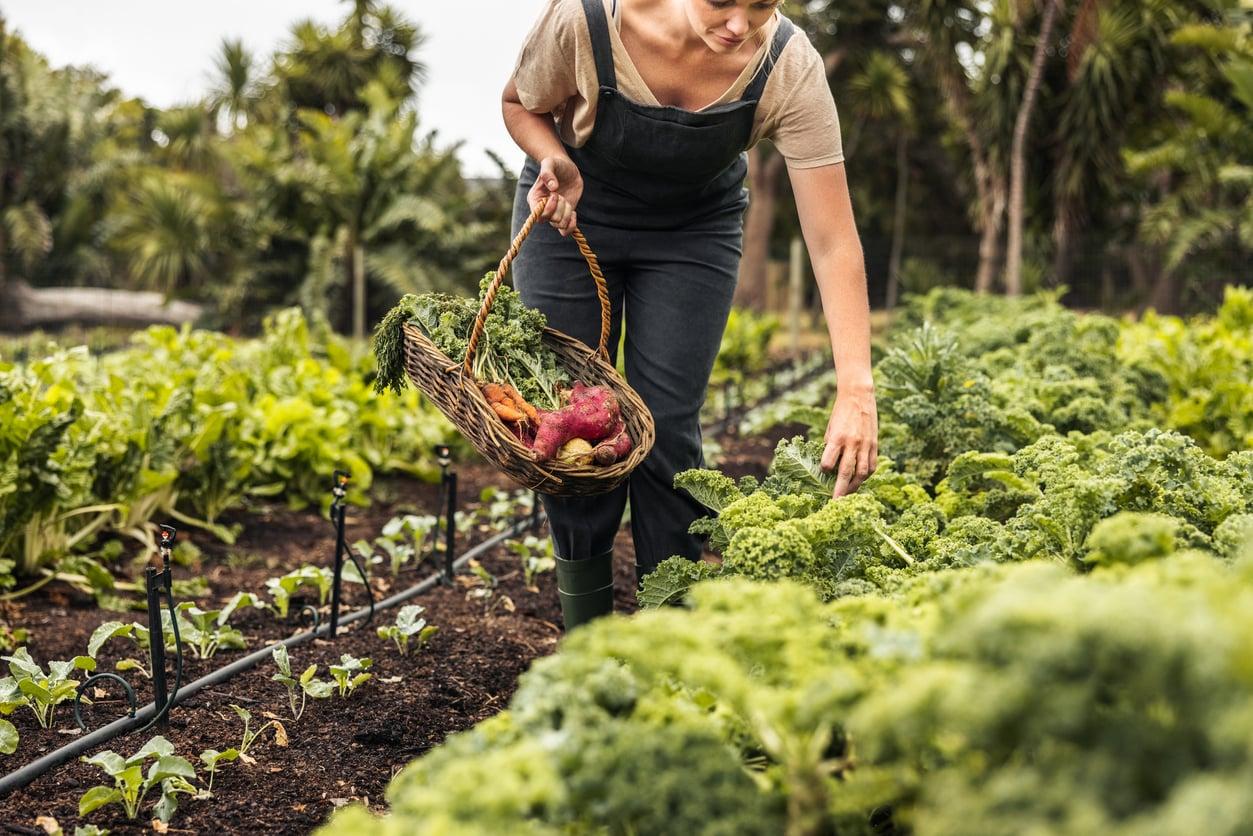
One of the biggest mistakes with leafy greens is harvesting the entire plant at once when it still has plenty of growing left to do. With loose-leaf lettuce, spinach, chard, or kale, a much smarter approach is to pick continuously. Remove the larger, outer leaves and leave the young, inner ones alone. The plant keeps growing and rewards you with a steady supply of fresh leaves.
The trick is simple: don't strip the whole plant in one go. Taking too many leaves at once can set back growth significantly.
Spinach and most salad mixes respond especially well to being cut back multiple times across the season. The key rule: always leave enough healthy leaves on the plant so it can keep doing its job.
2. Tomatoes, peppers, and eggplant: don't wait until they're overripe
With tomatoes, it's tempting to think that the longer they stay on the vine, the better they'll taste. Up to a point, that's true — but there's no benefit in waiting until the fruit softens, splits, or starts to rot.
Regular picking also frees the plant to put its energy into producing new fruit. This matters especially with indeterminate tomato varieties, which continue setting fruit throughout the entire season.
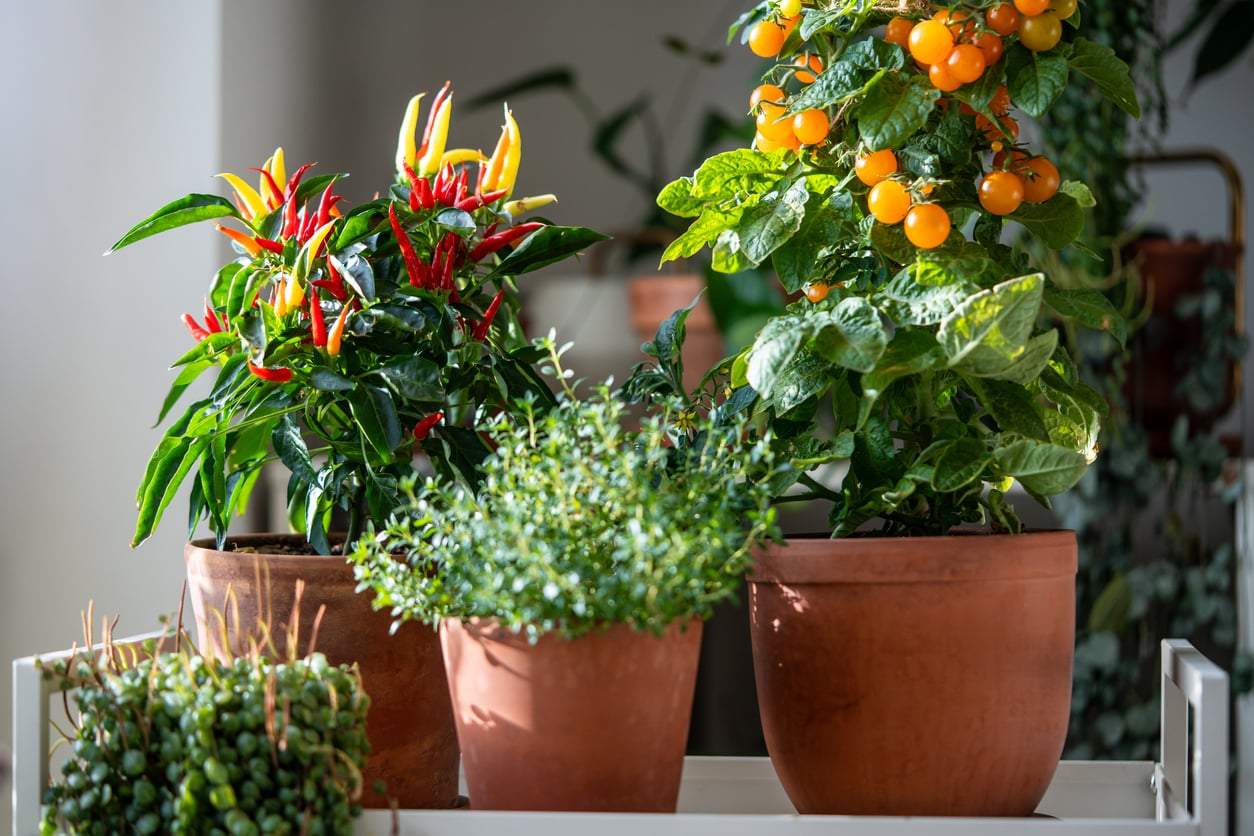
Peppers can be picked as soon as they've reached a good size, but if you prefer them fully ripe and red (or yellow, or orange), simply leave them on the plant a little longer.
With eggplant, size alone shouldn't be your guide. Pick it when the skin is still firm and glossy. Once the color starts to fade or dull, the fruit is likely past its prime. In the vegetable garden, bigger is not automatically better.
3. Basil: the more you pinch it, the bushier it gets
Basil rewards a little tough love. If you want a full, bushy plant rather than one long spindly stem, pinch back the growing tips regularly. Cut just above a pair of leaves. This encourages the plant to push out side shoots, and over time it becomes dramatically fuller and more productive.
Keep an eye on flowering, too. If you're growing basil mainly for the leaves, pinch off any flower buds as they appear — once the plant shifts into flowering mode, it starts directing its energy toward seeds rather than foliage.
And if it's already flowered and the stems have gone woody, don't despair. Strip the leaves, blend them with olive oil, garlic, pine nuts, and Parmesan, and make a big batch of pesto. Sometimes a gardening setback is just an Italian dinner in disguise.
4. Green beans and peas: don't let the pods linger too long
With green beans, regular picking can genuinely extend the whole harvest season. As long as you keep removing ripe pods, the plant continues producing new ones. Leave them too long, though, and the plant gets the message that its job is done.
The goal is to pick pods while they're still tender and before the seeds inside have swelled too much. A green bean is at its best when it snaps — not when it looks like it's been forgotten on the vine for a month.
The same logic applies to peas: harvest the pods while they're still young and plump, before the peas inside get starchy. One important tip: don't yank the pods downward. Bean and pea vines are surprisingly fragile. Hold the stem with one hand and gently detach the pod with the other.
5. Zucchini: checking every day is genuinely not an overreaction
Zucchini can change size overnight in a way that feels almost personal. You look at it one day and think "I'll grab that tomorrow" — and by tomorrow it's the size of a baseball bat. It's still edible, but it's a completely different experience from a young, tender one.
Summer squash, including zucchini, should be checked and harvested every few days during peak season. According to University of Minnesota Extension guidance, oversized fruit left on the plant can actually reduce overall yield — so it's worth picking them even if you don't immediately need another giant zucchini.
Young zucchini have softer skin, less spongy flesh, and genuinely better flavor. When harvesting, use a sharp, clean knife or pruning shears and don't pull or twist the vine. Zucchini stems are easy to damage, and the vines can develop new roots at their nodes, so unnecessary trampling or rough handling isn't worth it.
6. Cucumber: one of the fastest-growing vegetables in the garden
If there's one plant that demands regular attention, it's cucumber.
The fruits grow with surprising speed, so during summer it's worth checking the plant every other day at minimum. It's not uncommon to lift a leaf and discover a cucumber that somehow went from invisible to enormous while you weren't looking.
Ideal harvest size varies by variety, so it's worth checking the seed packet or plant label for specifics. Cucumbers destined for salads are typically best around 6 inches (15 cm), while pickling varieties are often picked even smaller.
The point is: don't wait for every cucumber to reach its maximum size. Frequent harvesting keeps the plant producing and makes for a much better kitchen experience all around. Cucumbers are among the most reliably continuous-producing vegetables you can grow.
Why harvest timing matters more than most gardeners think
Plants are, at their core, trying to reproduce. While a fruit is developing and its seeds are maturing, the plant is channeling energy into that process.
When you remove ripe fruit regularly, the plant redirects that energy toward producing new flowers and new fruit. This doesn't mean a single tomato plant will yield infinitely — sunlight, water, nutrients, temperature, and variety all set the ceiling on what's possible. Prolonged heat, for example, can damage flowering and fruit set in many vegetables. But what you can control, you should: don't leave ripe produce sitting on the plant when it no longer needs to be there.
How do I know if I'm harvesting too early?
Each vegetable has its own cues. For most, you're looking for good size, firm texture, and the right color. Check the seed packet for variety-specific guidance — it's the most reliable reference for your exact plant.
Does harvesting really make plants produce more fruit?
For many vegetables — especially cucumbers, zucchini, green beans, and continuous-fruiting tomatoes — yes. Removing ripe fruit signals to the plant that it needs to keep producing. Leaving overripe produce on the plant can slow or stop new growth.
How often should I check my garden in summer?
For fast-growing vegetables like zucchini and cucumber, every one to two days is genuinely worthwhile during peak season. For tomatoes and peppers, every two to three days is usually enough to stay on top of things.
Is it better to use scissors or to pick by hand?
For most vegetables, a sharp, clean pair of pruning shears or scissors is ideal. It's gentler on the plant and reduces the risk of damage. Hand-picking is fine for soft pods like peas and beans, as long as you support the vine while you pick.