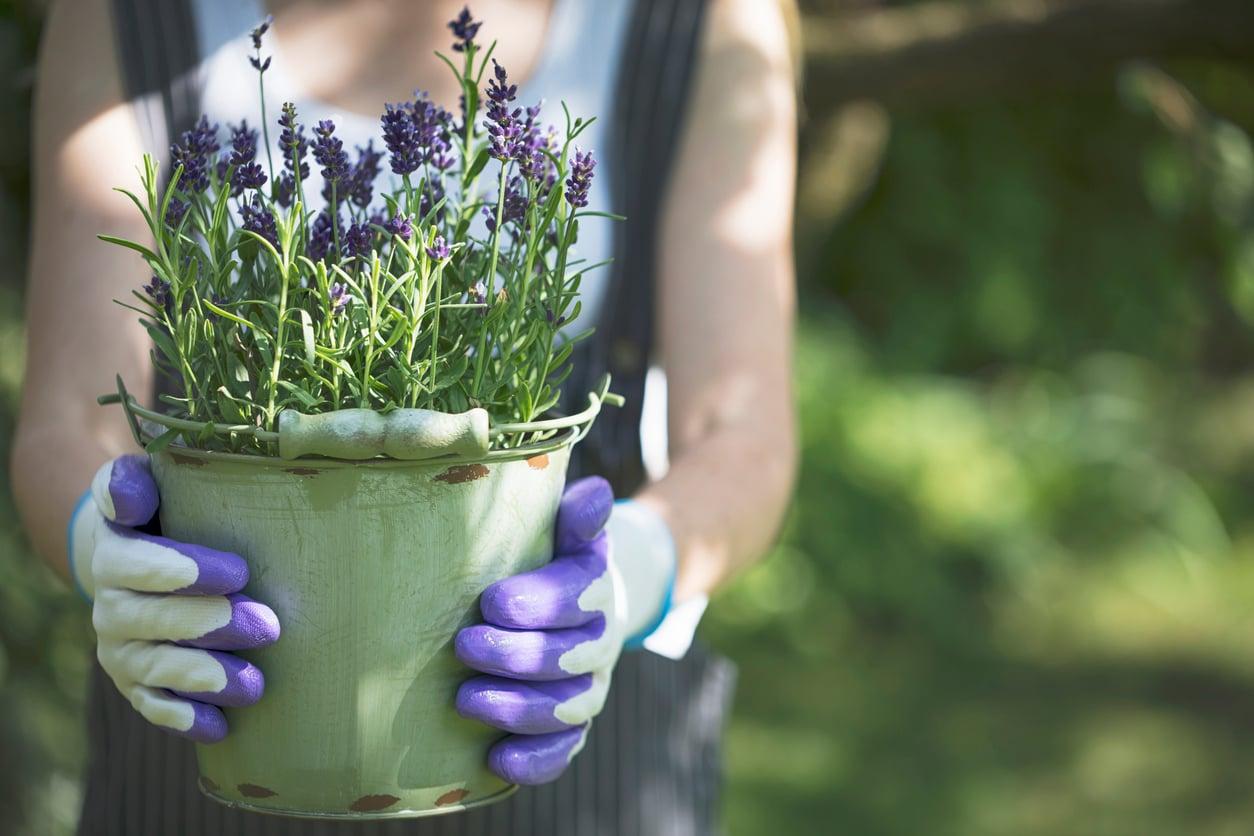
Early in the summer your terrace was wrapped in fragrance — and now the lavender has shriveled into a sad, grayish-brown clump. Most people would toss it straight in the bin at this point.
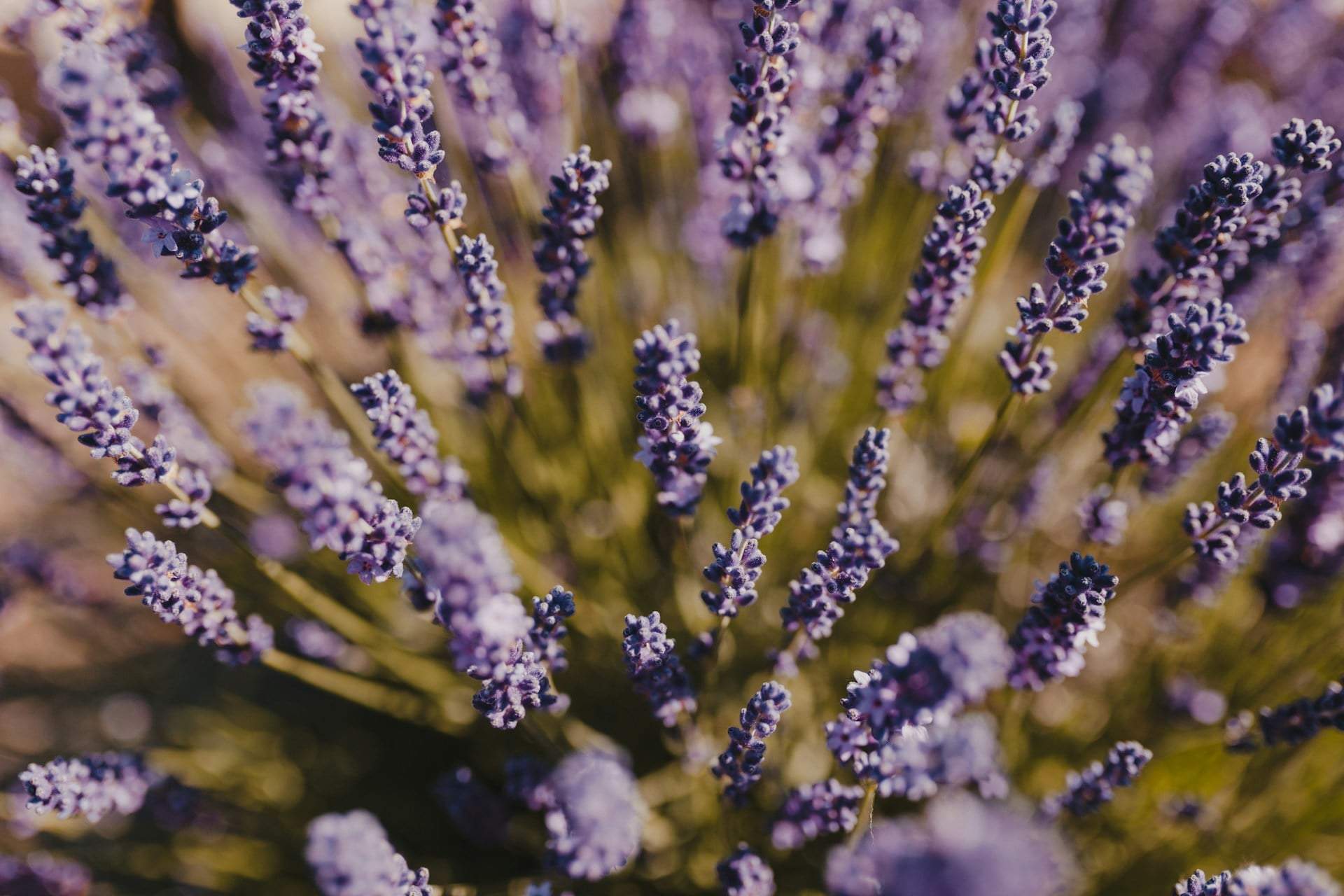
But here's the good news: lavender is far tougher than it looks right now, and with one simple, almost free trick you can coax it back into a dense, blooming shrub.
Why lavender dries out in a pot
Lavender originally comes from the sun-baked, stony hillsides of the Mediterranean, where water drains away from the soil almost instantly. In a pot, it often gets the exact opposite: dense, water-retaining soil that stays constantly damp.
When that happens, the roots essentially suffocate. The plant slips into stress mode and starts browning and drying out — even if it's getting plenty of sunshine.
The other common culprit is neglected pruning. If you don't cut lavender back for years, the base of the stems turns increasingly woody, and fresh growth only appears at the very top. From there it's just a short step to the whole shrub looking bare and lifeless.
The cheap trick: baking soda in the watering can
Gardeners have long known a simple way to mimic the slightly alkaline soil lavender loves — even in a pot on your terrace.
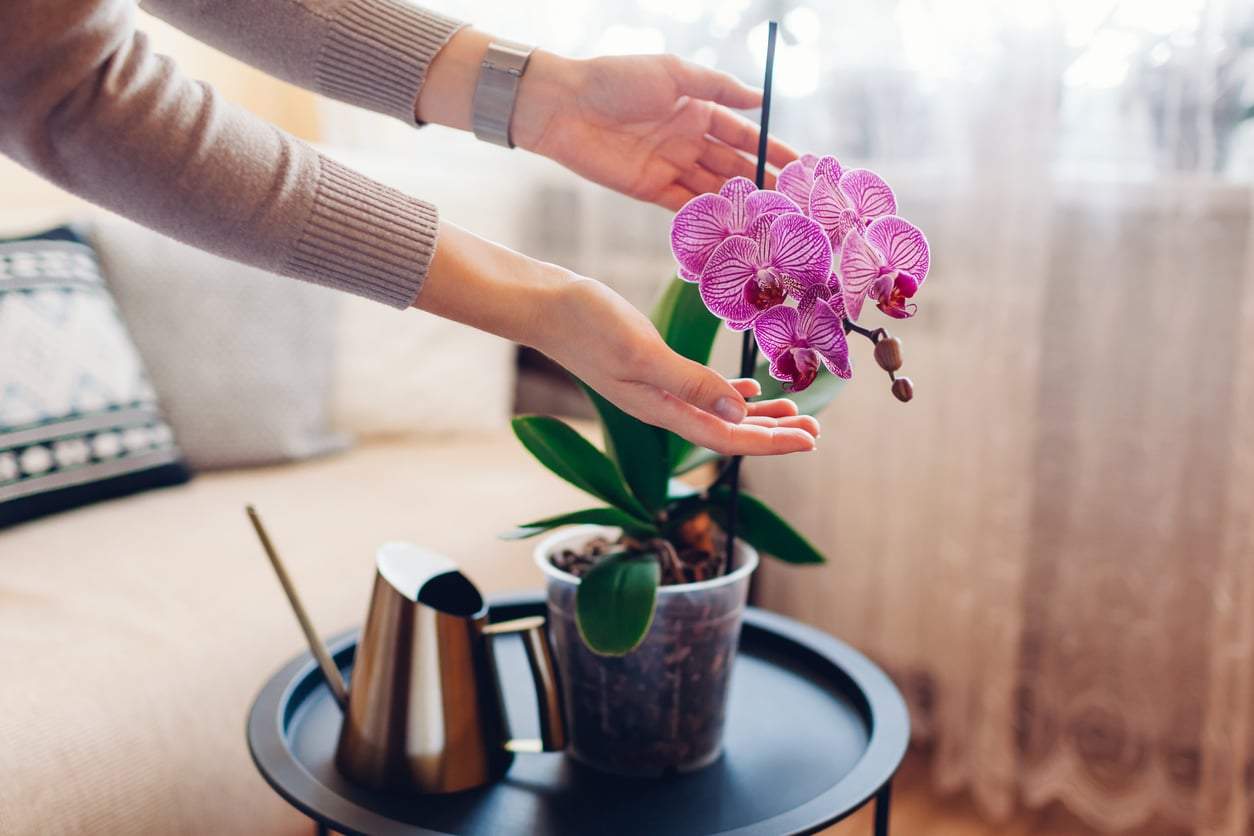
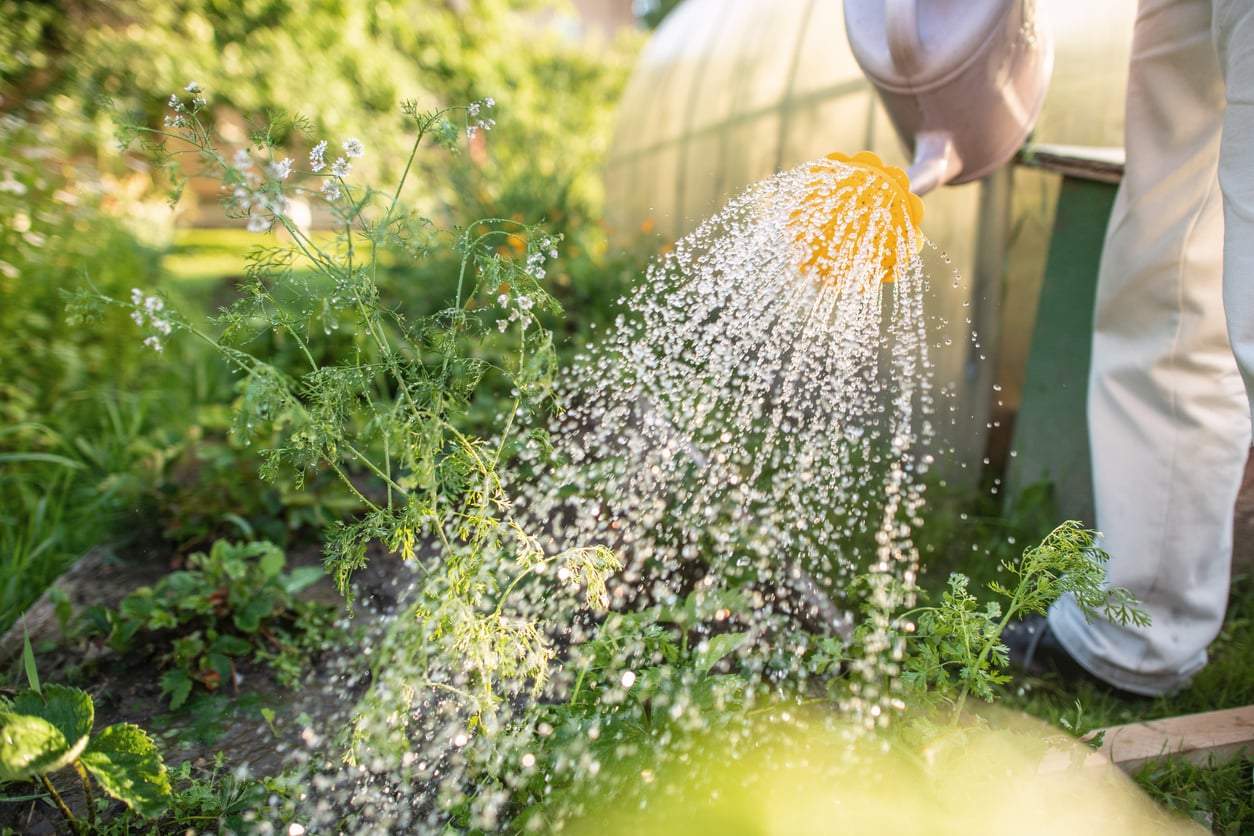
Stir a pinch of baking soda into a liter of lukewarm water, then use it to water the soil in the pot, roughly once every three weeks. The baking soda gently raises the soil's pH, bringing it closer to the environment lavender is used to in the wild.
Important: water the soil, not the leaves, and never use more than the recommended amount — too much does more harm than good.
This isn't a miracle cure, but on many dried-out, woody plants it visibly perks up the lavender, and within a few weeks new green shoots start to appear at the base of the withered branches. If you love the plant indoors too, it's worth knowing how to keep lavender happy inside the home as well.
Even more important than baking soda: drainage
As much as the watering trick helps, if there's no proper drainage at the bottom of the pot, the problem will come back fast. Check that there's a hole in the base and that it isn't clogged.
If you can, mix a handful of small gravel or perlite into the soil. This loosens it and helps drain excess moisture more quickly. In many cases, this loosening alone brings the plant's vigor back — and the baking soda watering is the bonus that keeps the soil at that ideal, less-acidic level.
Pruning: the other half of the rescue
Watering the browned parts isn't enough — you also need to remove them, otherwise the plant wastes energy on them. Using sharp scissors, cut the dried stems back to the point where you still find green, living tissue.
If the shrub has gone completely woody, don't cut into the woody parts — new growth rarely comes from there. Stop at the greenish, flexible stems instead.
The best time to prune is on a dry, mild day — not in the rain or in fierce heat. Afterward, move the pot to a shadier spot for a few days so the plant can rest before returning to full sun. If you want to get the timing and technique right, here's the secret to pruning lavender properly.
Patience that pays off
Lavender doesn't bounce back overnight. It's more of a slow process over several weeks, as tiny green buds emerge at the base of the old stems.
Stick with it — combine the baking soda watering, good drainage, and regular, careful pruning — and there's a good chance you'll be looking at a dense, fragrant lavender shrub in the very same pot you almost threw away.
How often should I water lavender with baking soda?
About once every three weeks, using a pinch of baking soda dissolved in a liter of lukewarm water. Always pour it onto the soil rather than the leaves, and never use more than recommended.
Can a completely dried-out lavender really recover?
Often, yes — as long as there's still some green, living tissue in the stems. New shoots tend to appear at the base of the withered branches within a few weeks of proper care.
Why does lavender keep dying in a pot?
Usually because the soil stays too damp and the roots can't breathe. Dense, water-retaining soil and poor drainage are the most common reasons, even when the plant gets enough sun.
How far back should I prune a woody lavender?
Cut down to where you still find green, flexible stems. Avoid cutting into the hard, woody parts, since lavender rarely regrows from there.