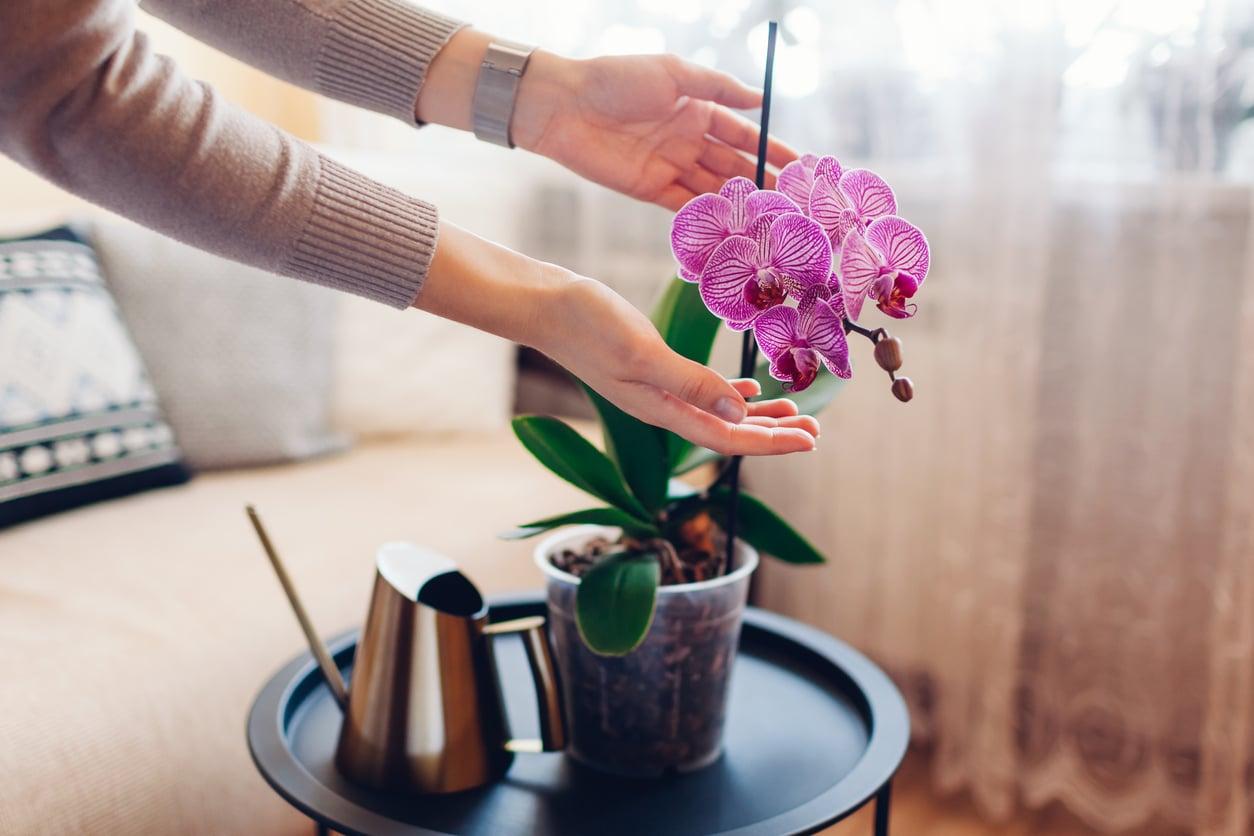
Most people give up on orchids after a few months, convinced they're dealing with some temperamental luxury plant that only a professional botanist could keep alive. The truth? Orchids are among the most forgiving houseplants you can own — as long as you get a few key things right: the correct light, a sensible watering rhythm, and a little patience around blooming time.
What kind of light does an orchid actually need?
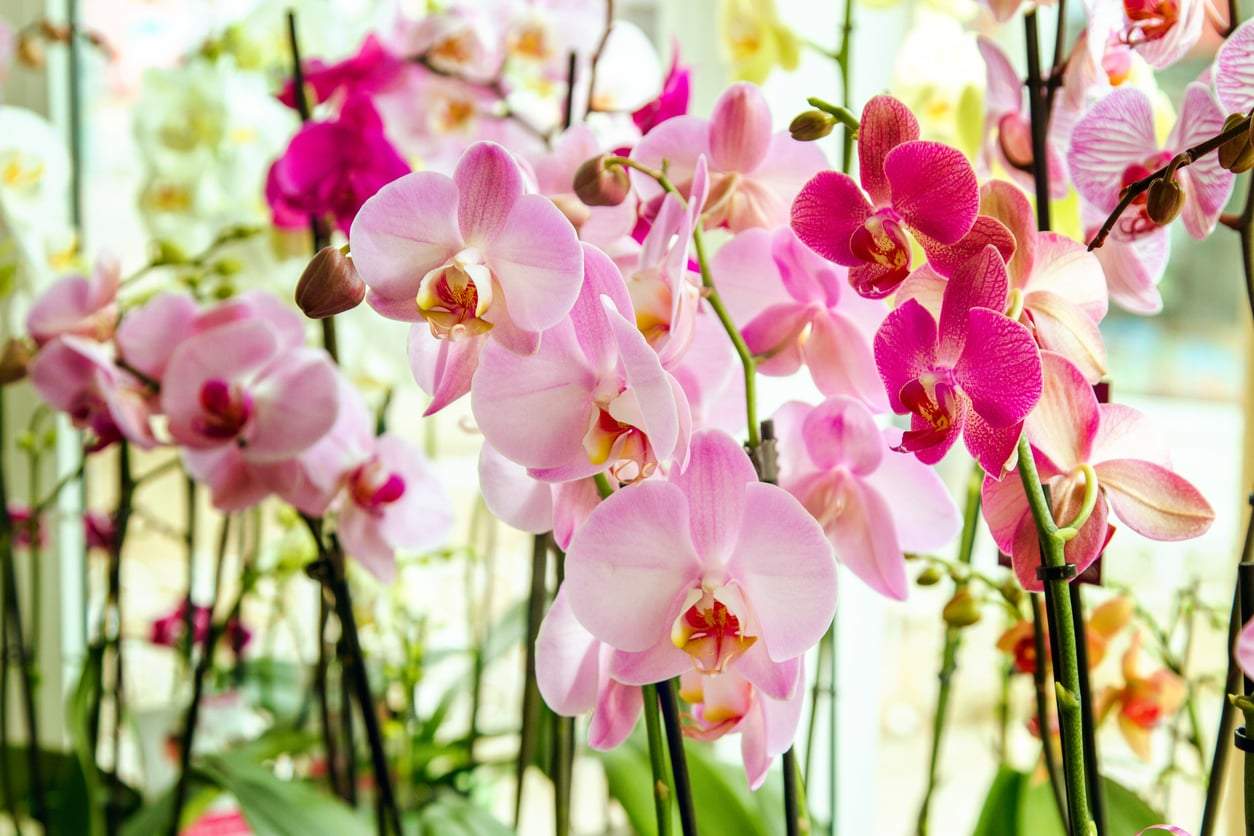
The most common houseplant orchid — the Phalaenopsis, also known as the moth orchid — loves bright but indirect light. Direct sun will scorch its leaves, while a dark corner will leave it flowerless for months on end.
The best spot is near an east- or west-facing window, where it catches gentle morning or late-afternoon light but stays shaded around midday. Not sure if your orchid is getting enough? Check the leaf color. Dark green, oversized leaves usually mean too little light. A lighter, slightly yellow-green tone means it's getting just the right amount — a small but telling detail that reveals whether your plant is in the right place.
Watering — where most people go wrong
In nature, orchid roots cling to trees and hang in open air — they're never buried in constantly wet soil. That's why overwatering is the number one reason orchids die: roots that stay wet too long will rot before you even notice anything is wrong.
The reliable approach is simple: only water when the inside of the transparent pot shows no condensation and the bark-based growing medium feels completely dry on the surface. As a rule of thumb, that's roughly once a week — though it depends on the warmth and humidity of your home.
The easiest watering method is to submerge the pot in lukewarm water for a few minutes, then let it drain thoroughly before placing it back on its saucer.
Tap water can be hard and chlorinated, which stresses roots over time. Whenever possible, use room-temperature filtered or overnight-settled water instead.
How to get your orchid to bloom again
If your orchid has gone quiet, it often just needs a mild temperature shift to trigger a new flower spike. A few degrees difference between daytime and nighttime temperatures signals to the plant that it's time to start blooming. If your home stays uniformly warm all year round, try moving the orchid to a cooler but frost-free spot — near a drafty window, for example — for a few weeks in autumn.
When the flowers drop, don't rush to cut the spike. If it's still green and flexible, it may produce a second flush of blooms from the same stem. Only cut it back to the base once it's completely dry and brown.
Regular but gentle feeding also makes a real difference. During the blooming period, add a diluted orchid-specific fertilizer to your watering can every two weeks. During the resting phase, once a month is enough — always at half strength, never concentrated.
Soil, pots, and repotting
Never plant an orchid in regular potting compost. It holds too much moisture and will suffocate the roots. Specialist orchid mix — typically a blend of bark chips, coconut fiber, and perlite — provides the airy, open structure those roots actually need.
Repotting is usually needed every one to two years, when the bark starts breaking down and the medium becomes dense and soggy. This is also a good moment to inspect the roots: healthy roots are greenish or whitish and firm. Any that are brown, soft, or hollow are rotting and should be cut away cleanly with a sterilized blade before you pot the plant into fresh medium.
Common mistakes worth avoiding
- Letting water pool and stagnate at the bottom of the pot, which leads directly to root rot.
- Placing the plant somewhere too dark, leaving it flowerless for months.
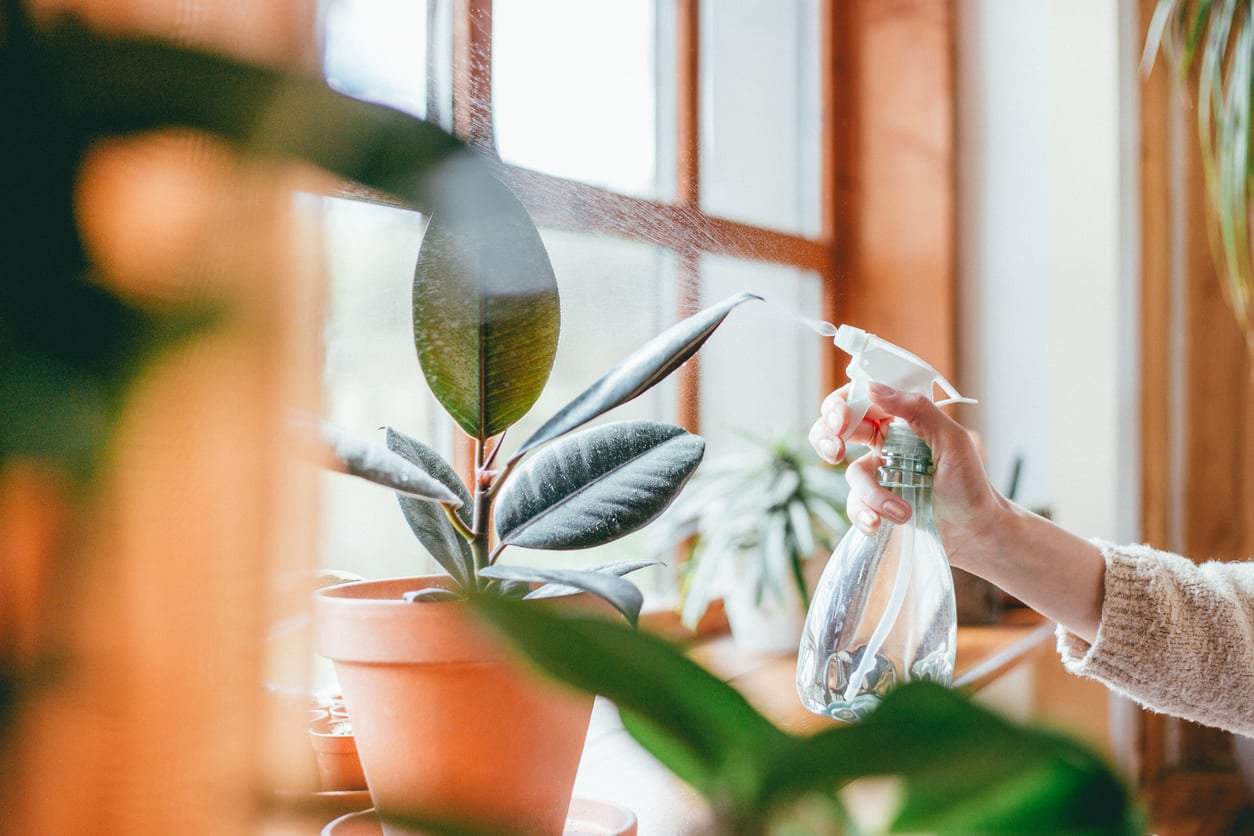
- Misting the leaves — water sitting in the leaf axils can cause mold.
- Keeping the temperature completely stable year-round, so the flower spike never gets the cue to develop.
Avoid these pitfalls and your orchid can become a surprisingly loyal, long-lived companion on the windowsill — one that opens new blooms year after year, as long as it gets the light and rhythm it needs.
How often should I water my orchid?
About once a week is a good starting point, but always check first. Only water when the growing medium is completely dry and no condensation is visible inside the pot. Room temperature, filtered or settled tap water is best.
Why isn't my orchid blooming?
The most common reasons are insufficient light and a lack of temperature variation between day and night. Try moving it to a brighter spot near an east- or west-facing window, and consider giving it a few cooler weeks in autumn to trigger a new flower spike.
Can I use regular potting soil for an orchid?
No — standard potting compost retains too much moisture and will suffocate the roots. Always use a specialist orchid mix made from bark chips, coconut fiber, and perlite, which allows air to reach the roots.
When should I repot my orchid?
Generally every one to two years, when the bark medium starts to break down and become dense. Repotting is also a good opportunity to trim any rotting roots before placing the plant into fresh medium.
Should I cut the flower spike after blooming?
Not immediately. If the spike is still green and flexible, leave it — it may produce a second round of blooms. Only cut it back to the base once it has turned completely brown and dry.