You know that corner by the wall where the sun never quite reaches — the one that's been empty for years because nothing seems to grow there? Here's the thing: not every plant craves direct sunlight. Many of the most beautiful houseplants evolved on the shaded forest floor, beneath a thick jungle canopy, and they actually do better away from harsh rays. Fill that corner. Here's where to start.
1. Boston fern (Nephrolepis exaltata)
The classic shade-tolerant houseplant, the Boston fern loves cool, humid spaces. It thrives in bathrooms where steam from the shower replaces the sunlight it doesn't get. Keep the soil consistently moist and it will reward you with lush, arching fronds.
2. Rubber plant (Ficus elastica)
The rubber plant's thick, glossy leaves are exceptionally efficient at capturing whatever light is available. In partial shade it grows more slowly, but the foliage comes in denser and healthier. A sculptural statement plant even in a dimly lit room.
3. Spider plant (Chlorophytum comosum)
If you're a self-described plant killer, start here. The spider plant is nearly indestructible — it keeps pushing out new leaves even if you forget to water it for weeks. It's one of the best beginner-friendly plants for low-light spaces.
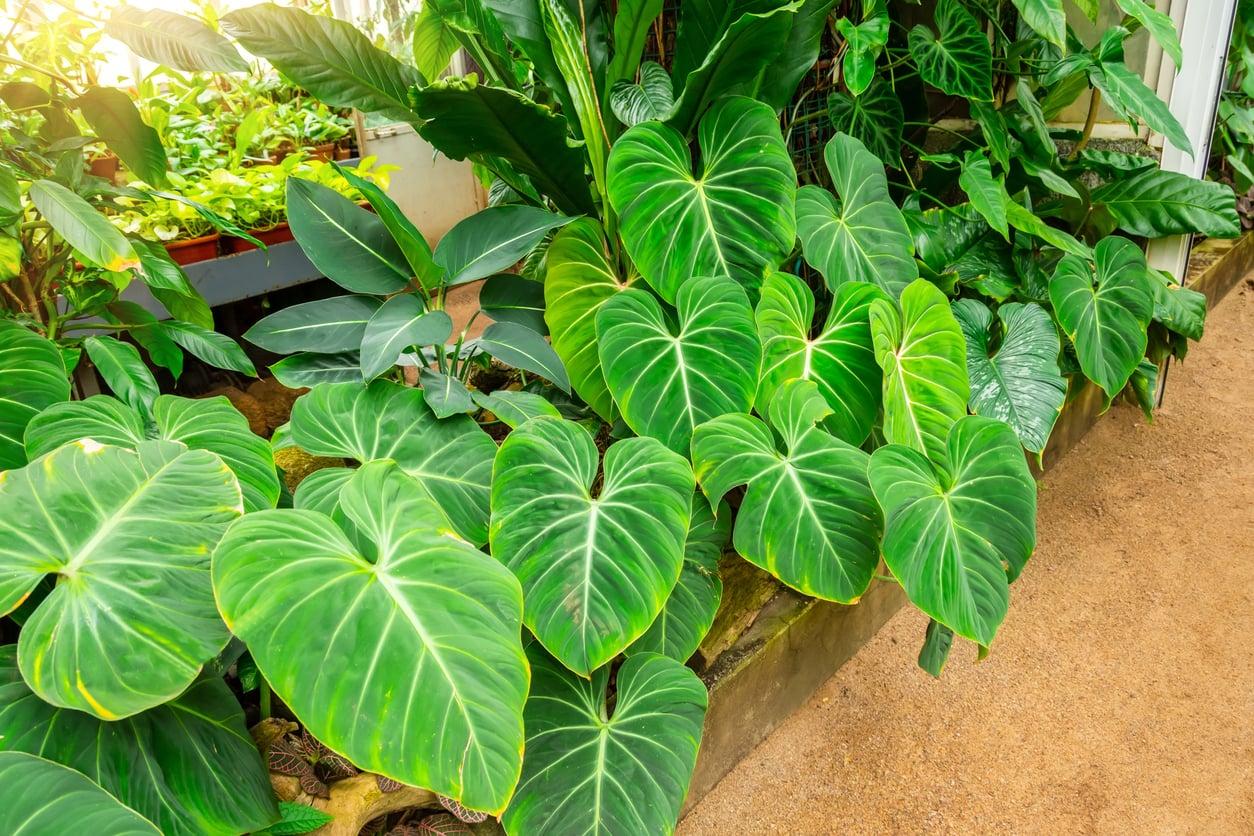
4. Heartleaf philodendron (Philodendron hederaceum)
The trailing vines of the heartleaf philodendron look beautiful cascading from a shelf or a hanging planter, and they keep producing new leaves even in shadowy corners. It's one of the most forgiving vining plants you can own.
5. Snake plant (Sansevieria)
Also called mother-in-law's tongue, the snake plant tolerates almost any light condition — from near-darkness to bright indirect light. It's also exceptionally drought-tolerant, making it the perfect plant for anyone who tends to forget watering day.
6. Pothos (Epipremnum aureum)
Pothos is a fast-growing trailing vine whose heart-shaped leaves stay attractively variegated even in lower light. It roots effortlessly in a glass of water, so propagating new plants is almost too easy.
7. Cast iron plant (Aspidistra elatior)
There's a reason the cast iron plant was the go-to houseplant of the Victorian era: it survived dark hallways, unheated parlors, and general neglect for decades. Its reputation is well earned. If a space feels too gloomy for anything else, try this one first.
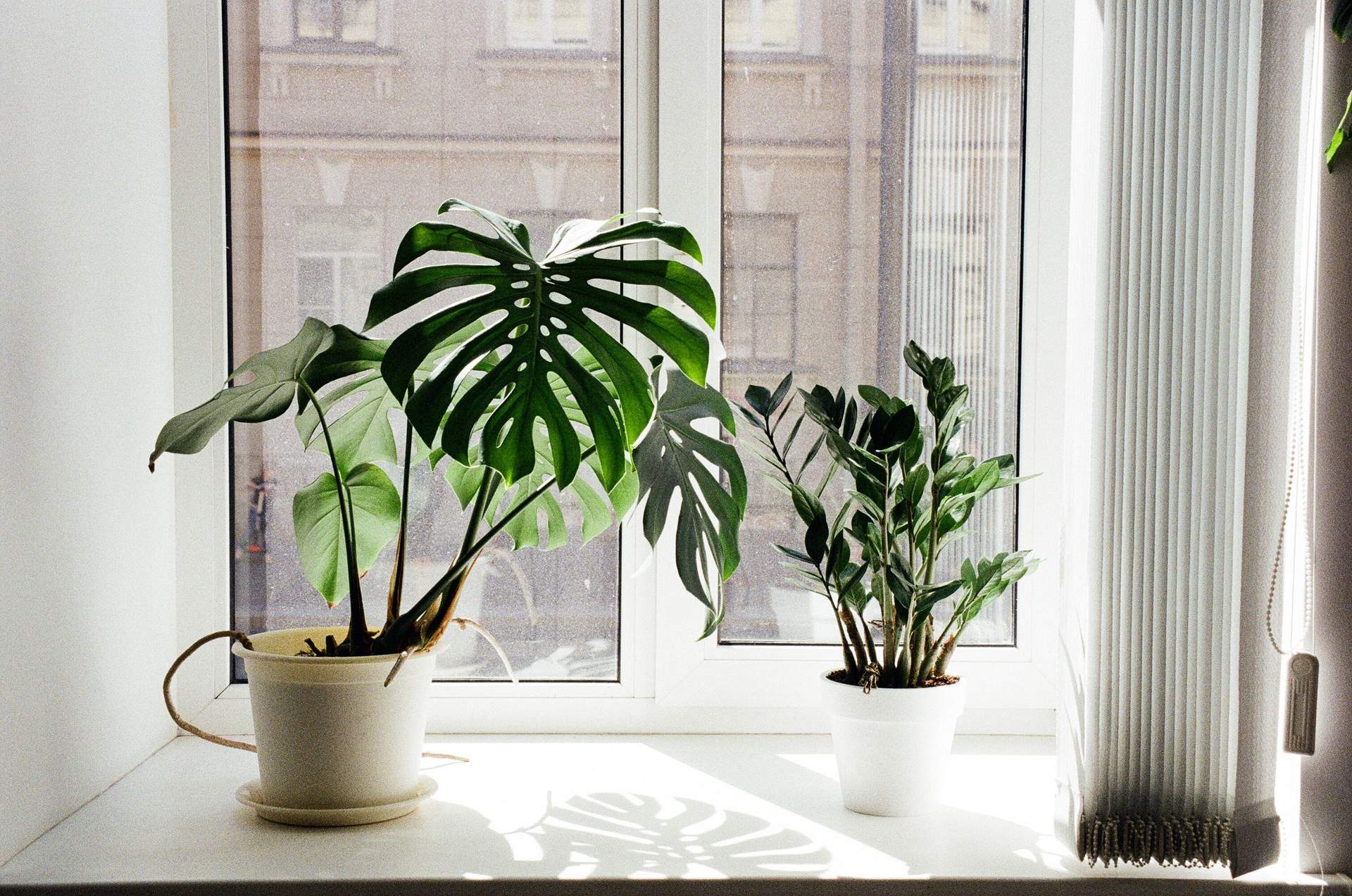
8. ZZ plant (Zamioculcas zamiifolia)
The ZZ plant's waxy, water-storing leaves mean it can go long stretches without watering and still look immaculate in minimal light. It's one of the most popular office plants for a reason — it practically thrives on neglect.
9. Calathea (Calathea spp.)
Calathea's intricately patterned leaves actually prefer indirect, gentle light — direct sun scorches them fast. In return for a shady spot and a little extra humidity, you get some of the most dramatic foliage in the houseplant world.
10. Prayer plant (Maranta leuconeura)
The prayer plant gets its name from its leaves, which fold upward at night as if in prayer. In nature it grows on the rainforest floor, so low light is its natural habitat. A charming, living piece of home decor.
11. Peace lily (Spathiphyllum)
The peace lily is one of the few flowering houseplants that will bloom even in darker conditions, though you'll get fewer flowers than in a brighter spot. Its drooping leaves are a helpful signal: when they sag, it's time to water.
12. Nerve plant (Fittonia albivenis)
With its delicate network of colored veins, the nerve plant is a showstopper in terrariums or on a shaded desktop. Direct sunlight damages it quickly, so a spot away from the window is exactly where it wants to be.
13. English ivy (Hedera helix)
Ivy adapts beautifully to cool, shaded rooms whether it's trailing, climbing, or draping over a shelf edge. It's also frequently praised for its air-purifying properties, making it as practical as it is pretty.
14. Dumb cane (Dieffenbachia)
Dieffenbachia's large, boldly patterned leaves stay decorative in partial shade, though the markings are more vivid in brighter light. One note: handle it carefully — its sap is a skin irritant, so wash your hands after pruning.
15. Dracaena (Dracaena marginata and Dracaena fragrans)
Both of these popular dracaena varieties handle low light well, as long as you don't overwater them. Their slender trunks and airy crowns make them ideal for filling tall, dim office corners with effortless style.
16. Baby rubber plant (Peperomia obtusifolia)
The baby rubber plant's fleshy leaves manage fine on minimal light, and its compact size means it fits comfortably on shelves or small apartment windowsills. Low maintenance, low light, big charm.
17. Dwarf papyrus (Cyperus spp.)
The smaller relatives of the papyrus plant grow happily in pots and genuinely love humid, partially shaded corners. If your bathroom or kitchen tends to be steamy, this is a great fit.
18. Lace fern (Selaginella)
This moss-like plant with its tiny, delicate leaves is naturally adapted to damp, deeply shaded growing conditions. It's happiest in a terrarium or closed glass garden where humidity stays high and light stays low.
19. Spiderwort (Tradescantia zebrina)
In lower light, the striped leaves of Tradescantia zebrina lose a little of their vivid color intensity — but the plant keeps growing vigorously regardless. Trim it back regularly and it bushes out beautifully, making it ideal for trailing arrangements.
20. Rex begonia (Begonia rex)
Rex begonia cultivars are some of the most spectacularly patterned leaves you can find — and they genuinely prefer partial shade. Direct sun scorches them, but in a bright-ish corner away from the window, their color is nothing short of stunning.
Once you've chosen a plant and found it a spot, give it a few weeks to settle in. The size and color of new leaves will tell you everything — if they're healthy and vibrant, your plant is happy where it is. If they're small and pale, it may need to move slightly closer to the light.
Which low-light houseplant is easiest to care for?
The spider plant and the ZZ plant are the most beginner-friendly options on this list. Both tolerate irregular watering and adapt to a wide range of low-light conditions without complaint.
Can any houseplant survive in a completely windowless room?
Most plants need at least some ambient natural light to survive long-term. However, the cast iron plant, ZZ plant, and snake plant can tolerate extremely low light and may do well in rooms with minimal indirect light, especially if supplemented with a grow light.
How do I know if my low-light plant is getting enough light?
Watch the new growth. Small, pale, or widely spaced new leaves are a sign the plant is stretching for more light. Healthy, normally sized leaves in the expected color mean your plant is comfortable in its spot.
Do low-light plants need less water than sun-loving plants?
Generally, yes. Plants in lower light photosynthesize more slowly, so they use water more slowly too. Overwatering is one of the most common mistakes with shade-tolerant plants — always check the soil before reaching for the watering can.