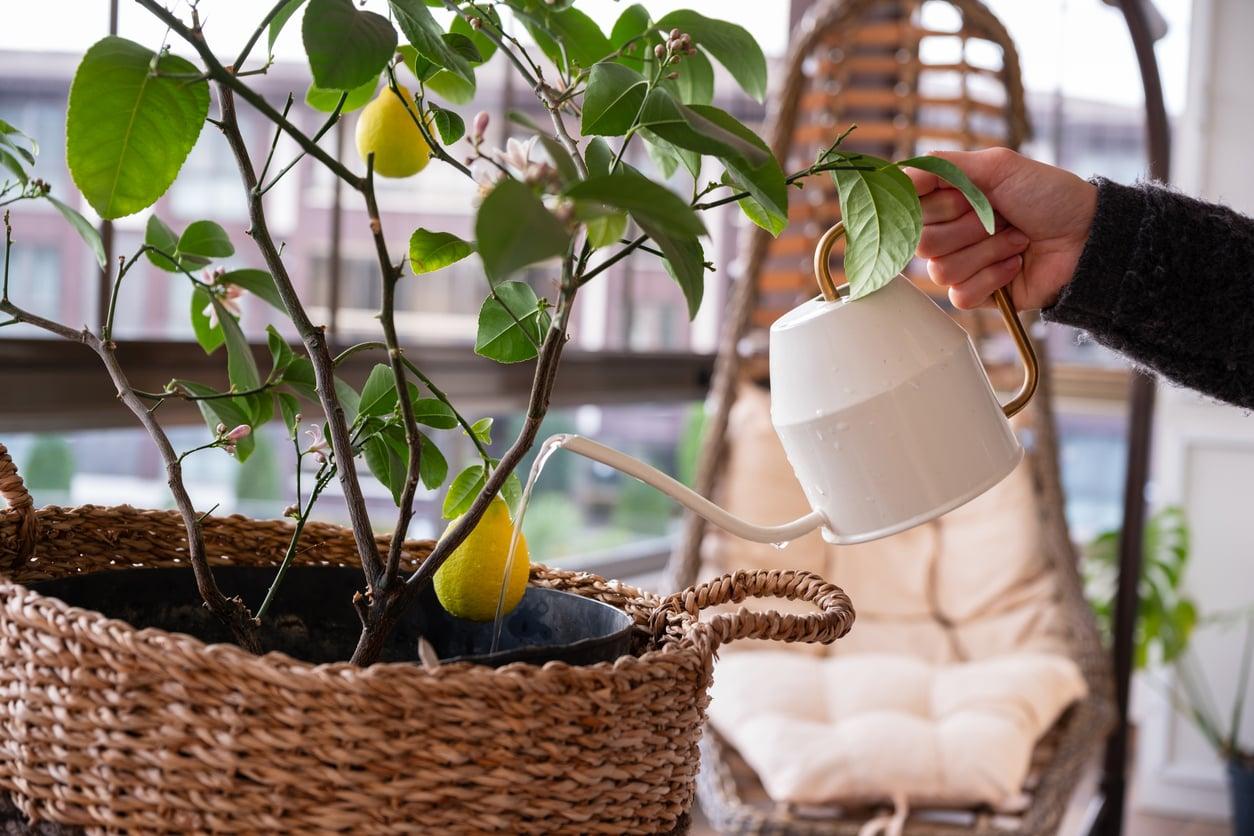
Imagine reaching for a lemon that you grew yourself — right there on your windowsill, glossy leaves catching the light and a faint citrus scent drifting through the room. It sounds like something reserved for sun-drenched Italian courtyards, but it's far more doable at home than most people think.
A lot of people hesitate to try, worried they'll never get the conditions right. The good news? A lemon tree is surprisingly rewarding once you understand what it actually needs. Here's everything to get you from nervous beginner to proud harvester.
Why grow a lemon tree at home?
Growing a lemon tree isn't just a satisfying hobby — it also rewards you with fresh lemons almost year-round, useful for everything from cooking to cleaning to natural remedies. Picture squeezing your own homegrown lemons into lemonade for the kids, or mixing a fragrant welcome drink for friends.
There's a decorative payoff too. An indoor lemon tree instantly makes any room feel warmer and more alive. Its deep green leaves and delicate, fragrant blossoms bring a special mood to a space — and then there's that quietly proud moment when you get to pick your very first fruit.
What conditions does a lemon tree need?
Let's be honest: the lemon tree is a bit demanding when it comes to temperature, light and moisture. Above all, it craves a warm, sunny spot. A south- or west-facing window is ideal, since that's where it soaks up the most light. If you don't have a bright enough spot, a good grow light can fill the gap.
Temperature matters just as much. The sweet spot is 15–30°C (59–86°F). Cold is the enemy here, especially around the roots — the root zone should never suddenly drop below 10°C (50°F).
If you enjoy the idea of nurturing something a little more particular, you might also like our guide on how to grow a lemon tree from seed.
Soil and watering: what your lemon tree loves
Lemon trees thrive in well-draining, slightly acidic soil that's rich in organic matter. A specialist citrus potting mix is a smart choice, as it's blended to give the plant the nutrients it needs from the start.
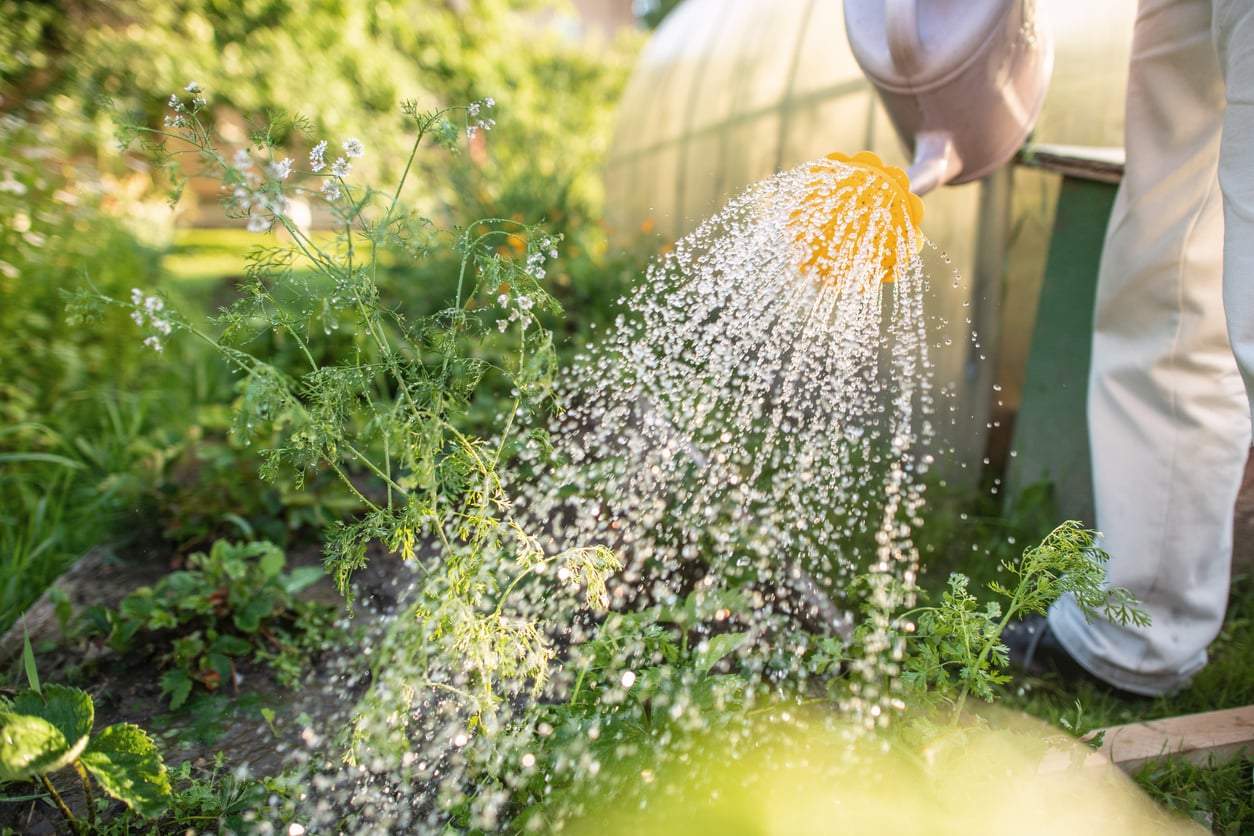
Watering is just as crucial to a healthy tree. Lemon trees like regular but moderate watering — never let the soil dry out completely, but avoid leaving it waterlogged. Overwatering easily leads to root rot, which can be fatal. If you tend to be heavy-handed with the watering can, our guide to caring for garden herbs is worth a look for striking the right balance.
The role of pruning and feeding
Pruning your lemon tree helps shape it and encourages healthy, vigorous growth. The best time to start is in spring, just as the plant is waking up and putting on new energy.
Focus on removing dead and diseased branches, then do some light shaping to encourage fuller, denser growth.
Feeding is another non-negotiable part of the routine. Fertilize through spring and summer, ideally with a supplement that's high in potassium and phosphorus — both of these support the fruit as it ripens.
Don't forget your lemon tree in winter
Through the colder months, keep your lemon tree in a cool but bright spot. This helps prevent leaf drop and sets the tree up to flower again the following year. Ease off the watering too — you don't want to push excess growth, which can weaken the plant when light is scarce.
Choose a variety suited to cooler indoor conditions and, with the right care, you can enjoy the presence of a lemon tree all year long — and keep harvesting its fruit season after season.
How much light does an indoor lemon tree need?
As much bright, direct light as you can give it. A south- or west-facing window is ideal, and if natural light is limited, a grow light helps make up the difference.
What temperature is best for a lemon tree?
Aim for 15–30°C (59–86°F). Cold is the main risk, so make sure the root zone never suddenly drops below 10°C (50°F).
How often should I water my lemon tree?
Water regularly but in moderation. Keep the soil from drying out completely, but never let it sit waterlogged, as overwatering can cause fatal root rot.
When should I prune and fertilize?
Start pruning in spring as the plant becomes active, removing dead or diseased branches and shaping for fuller growth. Feed through spring and summer with a potassium- and phosphorus-rich fertilizer.
Can a lemon tree survive indoors in winter?
Yes. Keep it in a cool, bright spot and cut back on watering to prevent leaf drop and encourage flowering the following year.