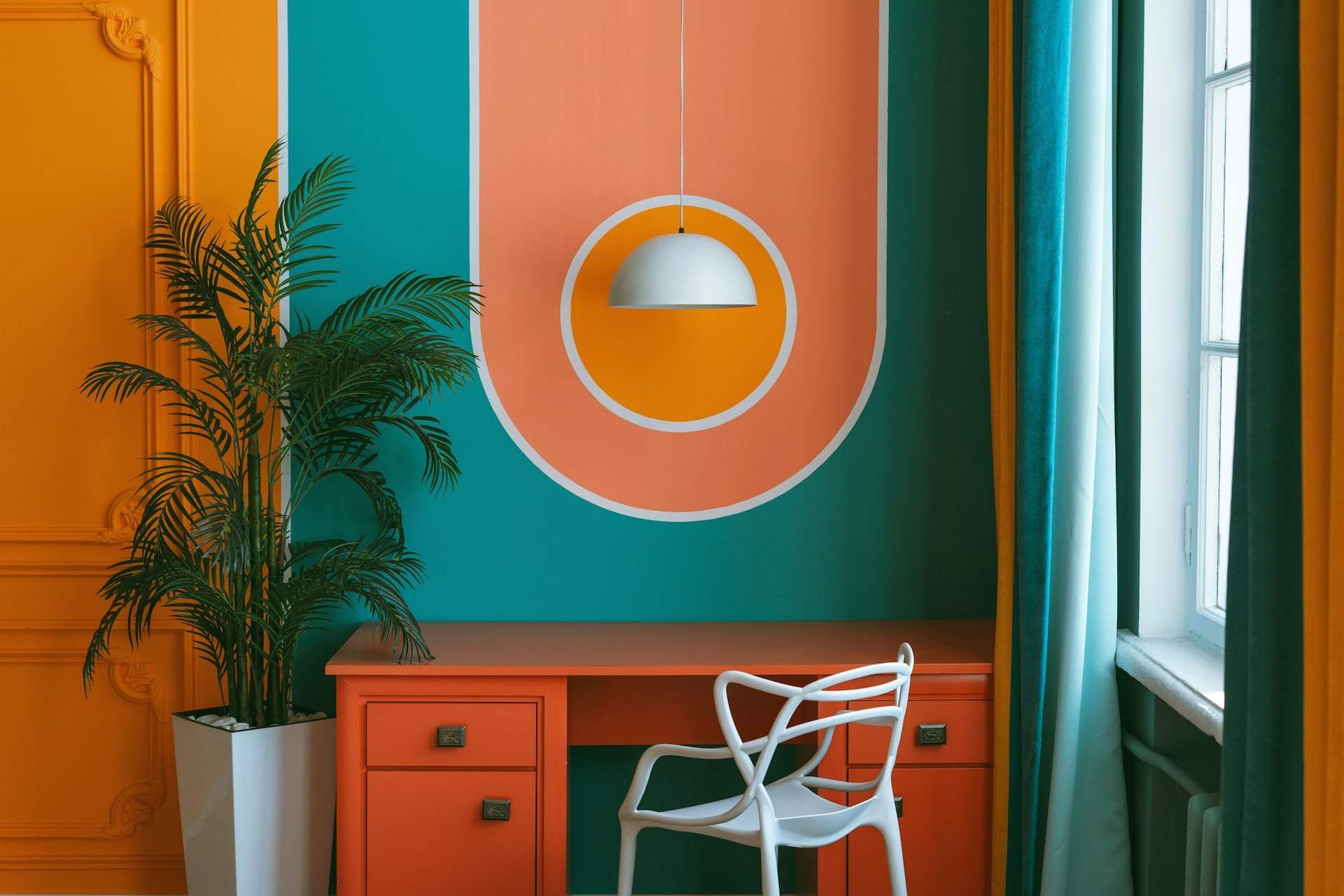
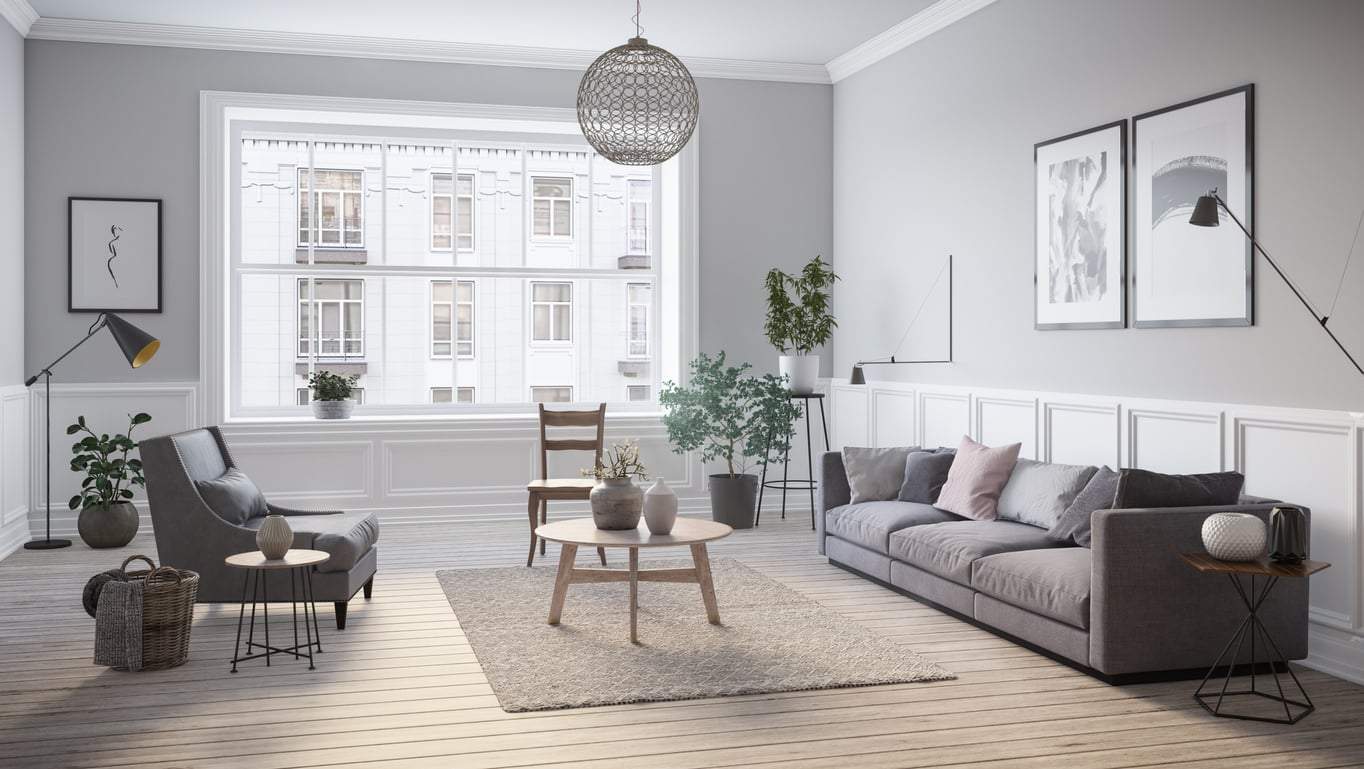
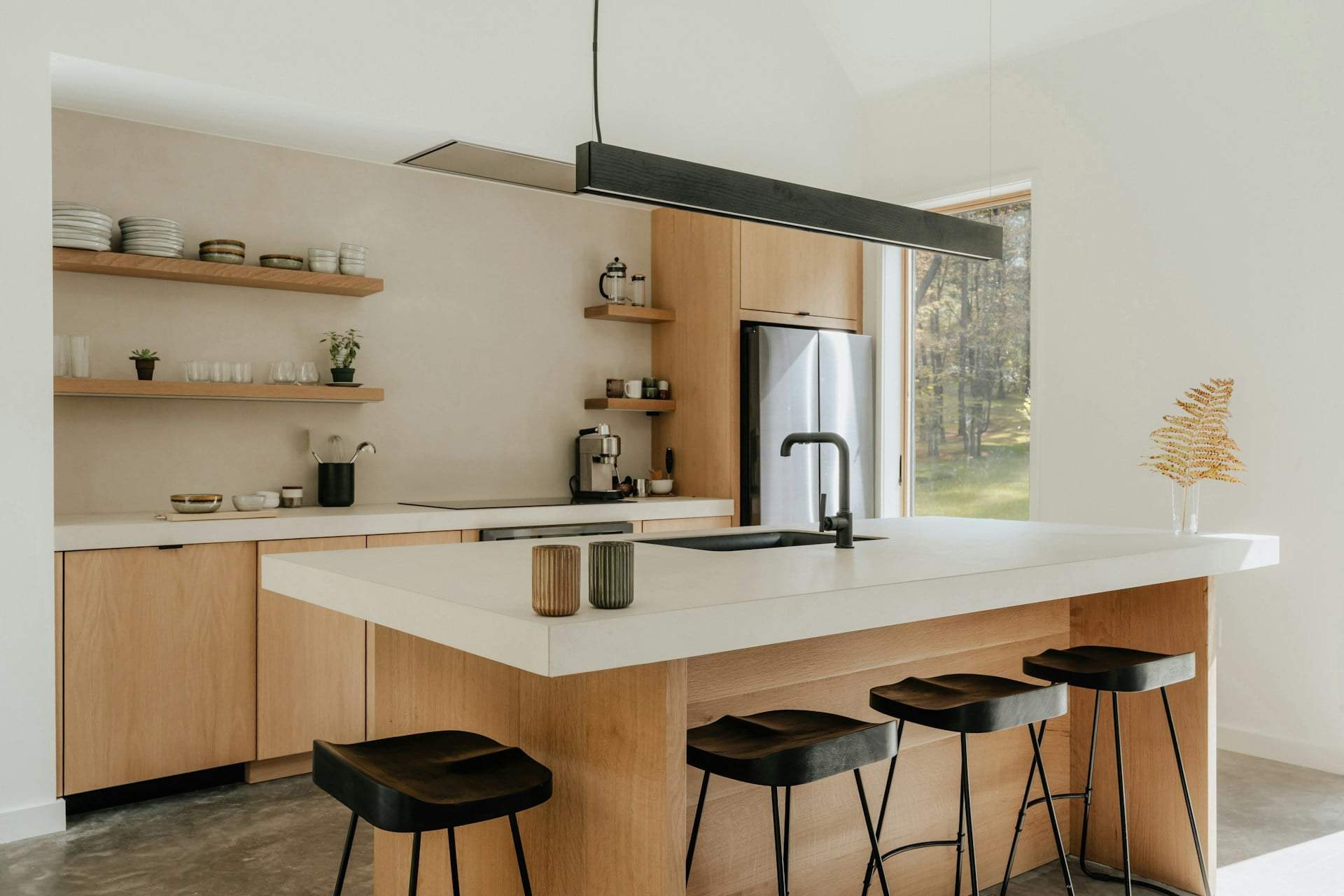
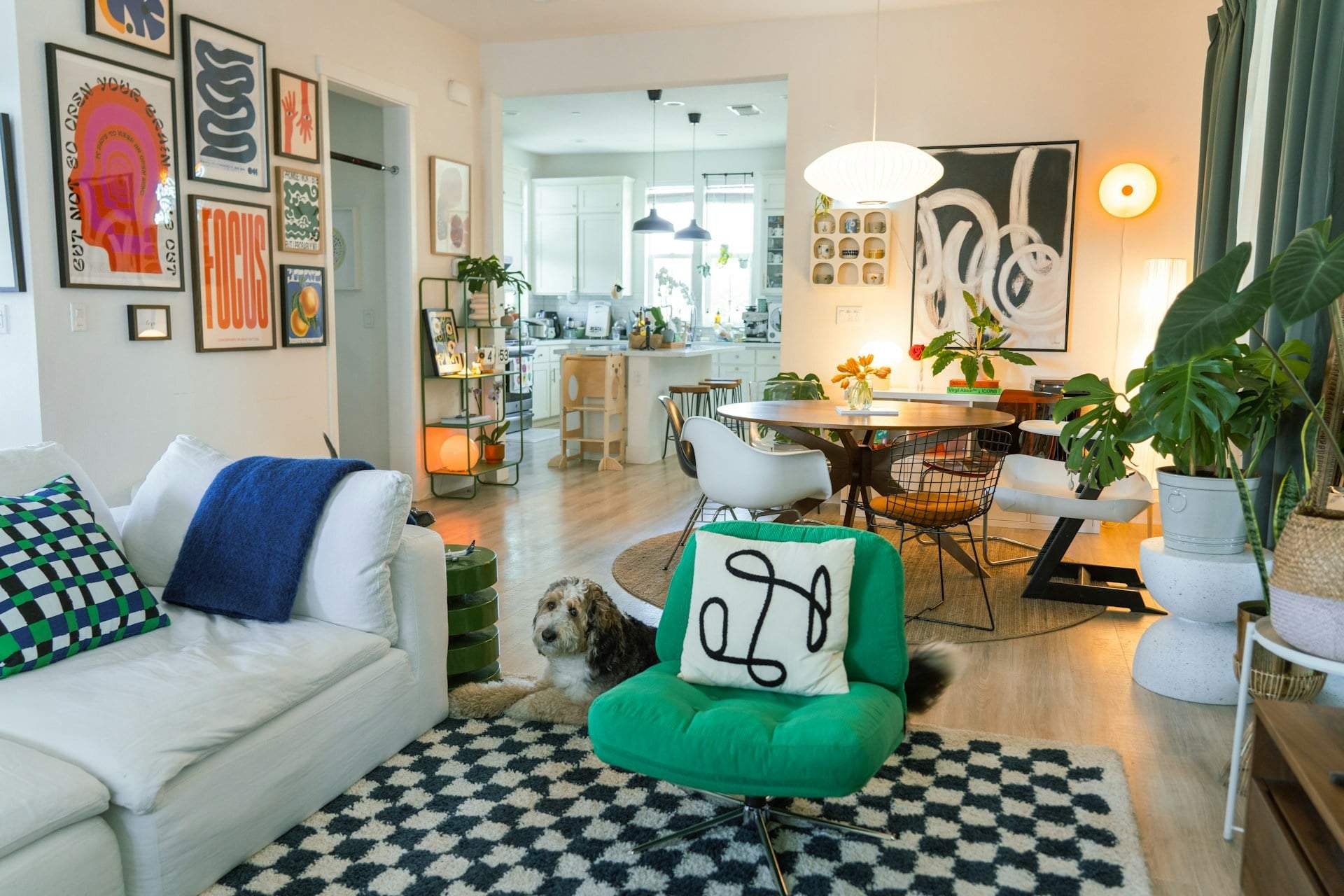
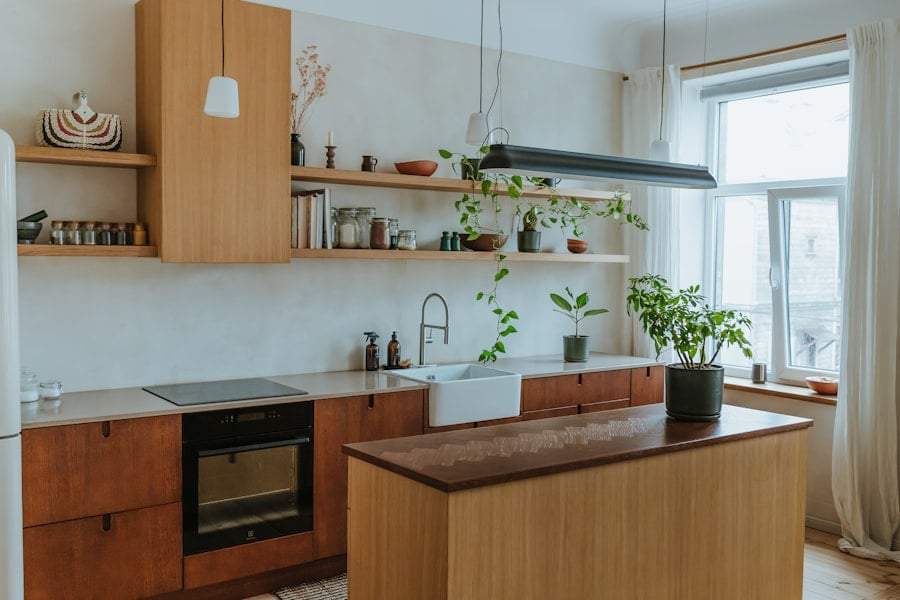
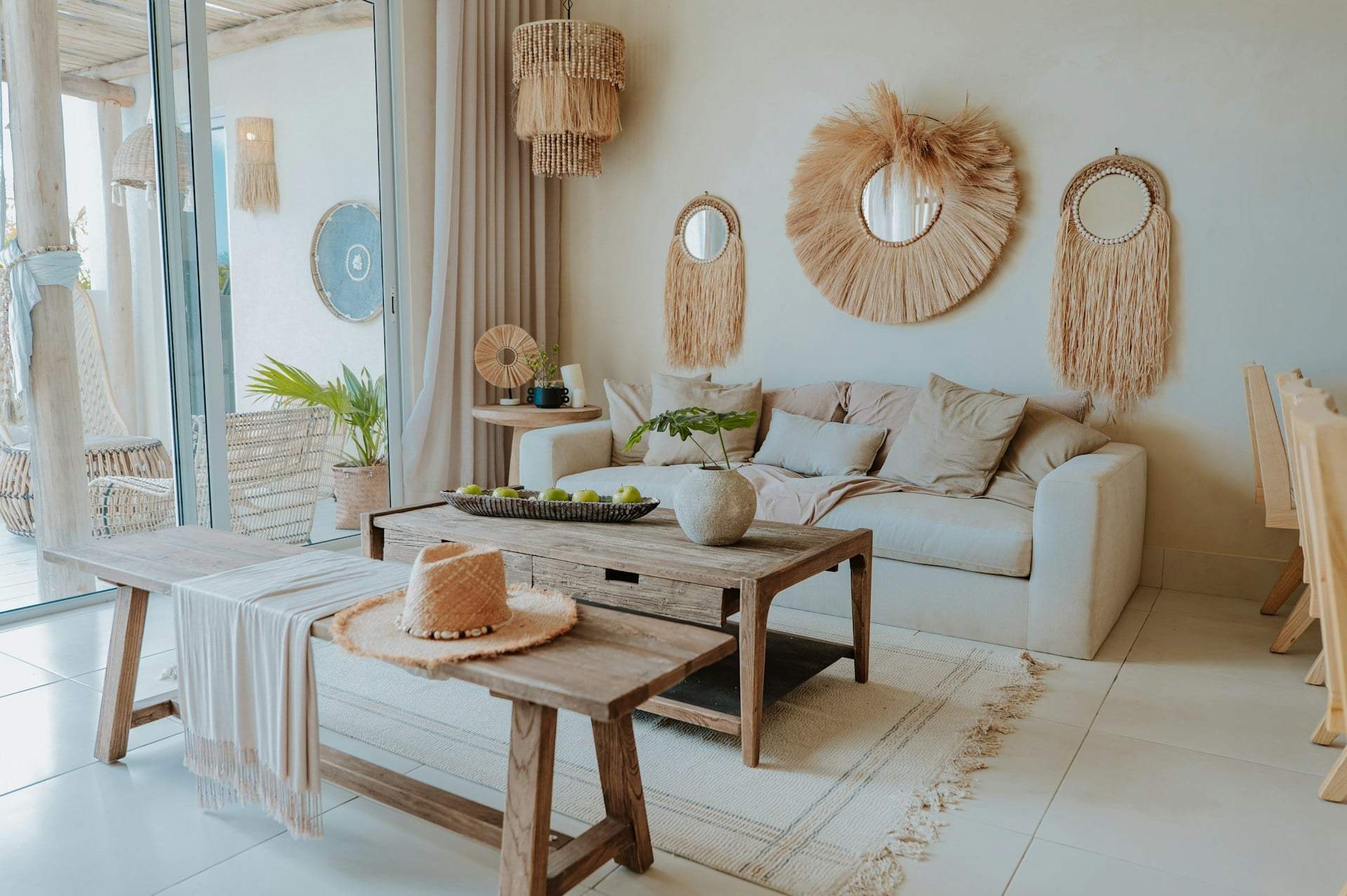
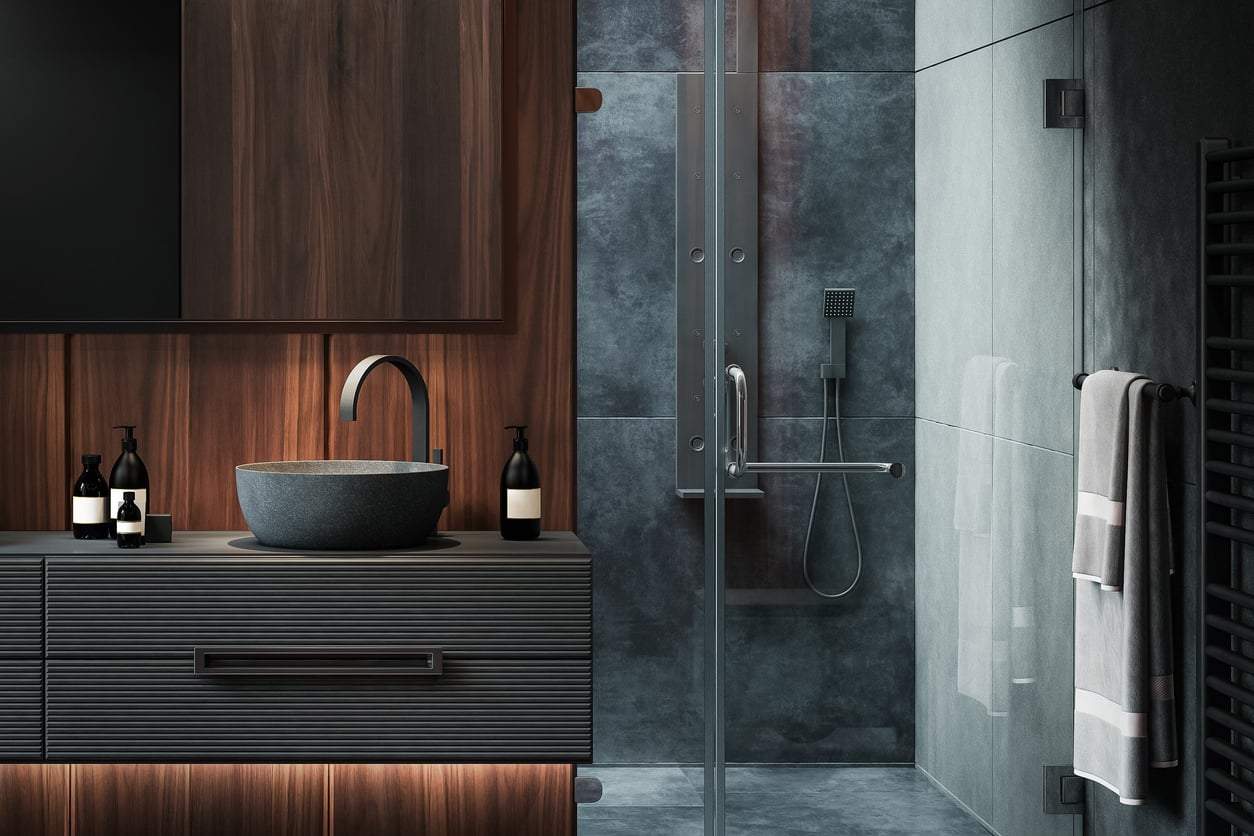
There is a particular week in any move when you walk around the rooms mentally demolishing them. The tiles have to go. The doors are wrong. Who chose that fireplace. I have been that person in two houses now, and the only renovation decisions I genuinely regret are the ones I made in that week — fast, on adrenaline, with no idea yet how the light moved through the place or where anyone would actually want to sit.
Older houses, including the ones that feel too recent to be charming, tend to have three or four features that look dated on arrival and irreplaceable two years later. The trick is knowing which is which before the skip arrives.
The things that are almost always worth keeping
Solid internal doors come first. A heavy door with a proper handle changes how a house sounds — rooms close, noise stops, a child's bedtime happens behind something substantial. Replacing them with hollow modern doors is cheap and quiet in the wrong way. Strip the paint if you must, change the ironmongery, but keep the doors.
Built-in storage is the second. Alcove cupboards, a deep airing cupboard, an awkward understairs shelf someone made by hand — these are square metres you will never get back once they're gone, and modern freestanding furniture rarely fits the same space as neatly. Original floors count too: parquet, boards, even patterned tiles in a hallway. Sanding, patching and oiling is slow and dusty, but you are restoring something that cannot be bought new with the same depth of colour.
Then the small architectural details that do quiet work — picture rails, deep skirting, a serving hatch, a tiled fireplace surround. They're the reason the room has proportions instead of just walls. If you're unsure, paint everything one colour, including the detail, and look again in a month. Half the time it turns out you hated the paint, not the feature.
The things genuinely worth changing
Bad lighting is worth spending real money on, and it's what most people notice as "dated" without being able to name it. A single central pendant flattens every room. Adding switched sockets for lamps, a light over the sink, something at reading height beside a chair, will modernise a room more convincingly than new cabinet doors.
Layouts that fight you daily are worth reconsidering — a kitchen where the bin is on the wrong side of the room, a bathroom door that hits the basin. And anything to do with wiring, gas, damp or structure belongs to qualified trades, not to a weekend and a hopeful attitude. That's the money you should be protecting by not spending it on doors you didn't need to replace.
Live in it for a season first
My rule now is one full season before anything structural, and I would extend it to a year if I could bear it. You learn where the sun lands in the afternoon, which room is cold in October, which corner everyone gravitates to, which "useless" cupboard ends up holding the coats. Houses tell you their logic slowly.
In the meantime, do the cheap reversible things. Paint one wall. Move the furniture twice. Take the net curtains down and see what you actually have. It costs almost nothing and it buys you the information that makes the expensive decisions obvious later.
How do I tell whether a feature is original or a later addition?
Look at consistency and at the back of things. Original details usually repeat across rooms of the same era — the same skirting profile, the same door style upstairs and down — while later additions tend to be one-offs in one room. Unpainted or unfinished surfaces, the underside of a stair, the inside of a cupboard, often show what was there before someone updated it. If you're weighing up something substantial, a builder or surveyor who knows local housing stock can usually date it in a glance, and it's worth the short call.
What if I already hate it and can't wait a year?
Then change the finish rather than the fabric. Paint the tired fireplace surround, replace the handles, reface a cupboard door, put a rug over the floor you're unsure about — all of it reversible, none of it permanent. You get the relief of the room looking different this weekend without making a decision you can't undo. If you still hate it in six months, you'll remove it with a clear head and no doubt, which is the best mood to renovate in.