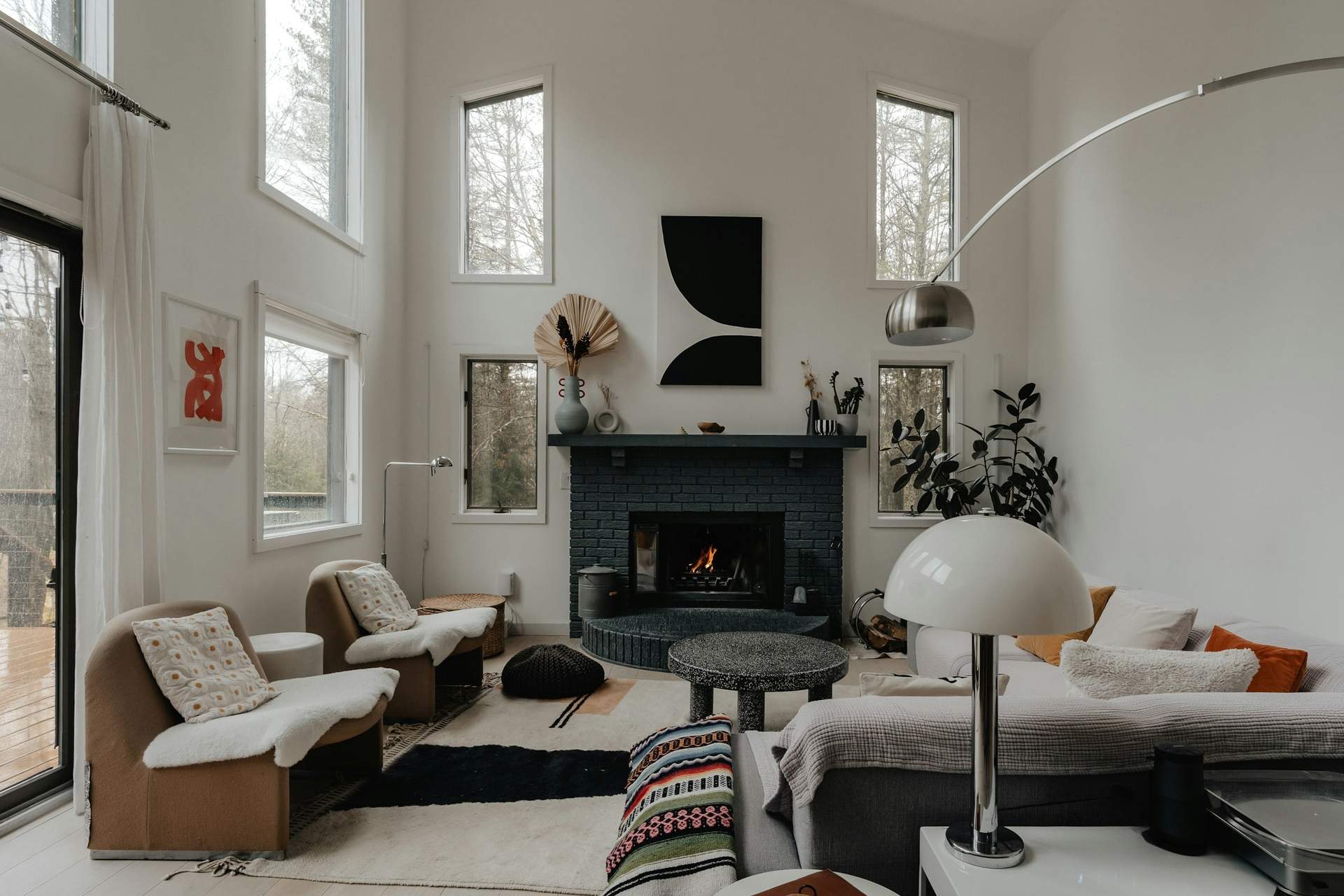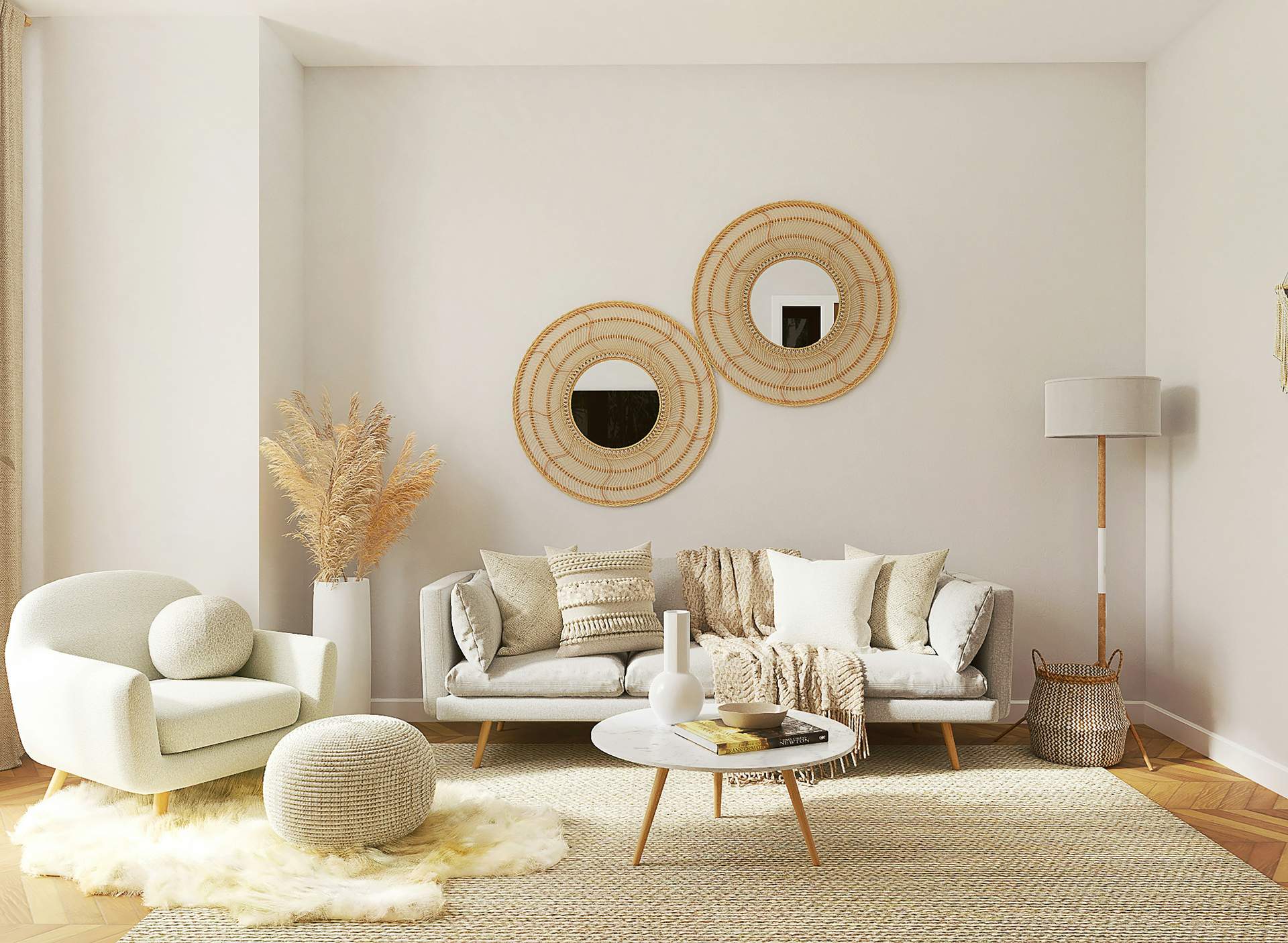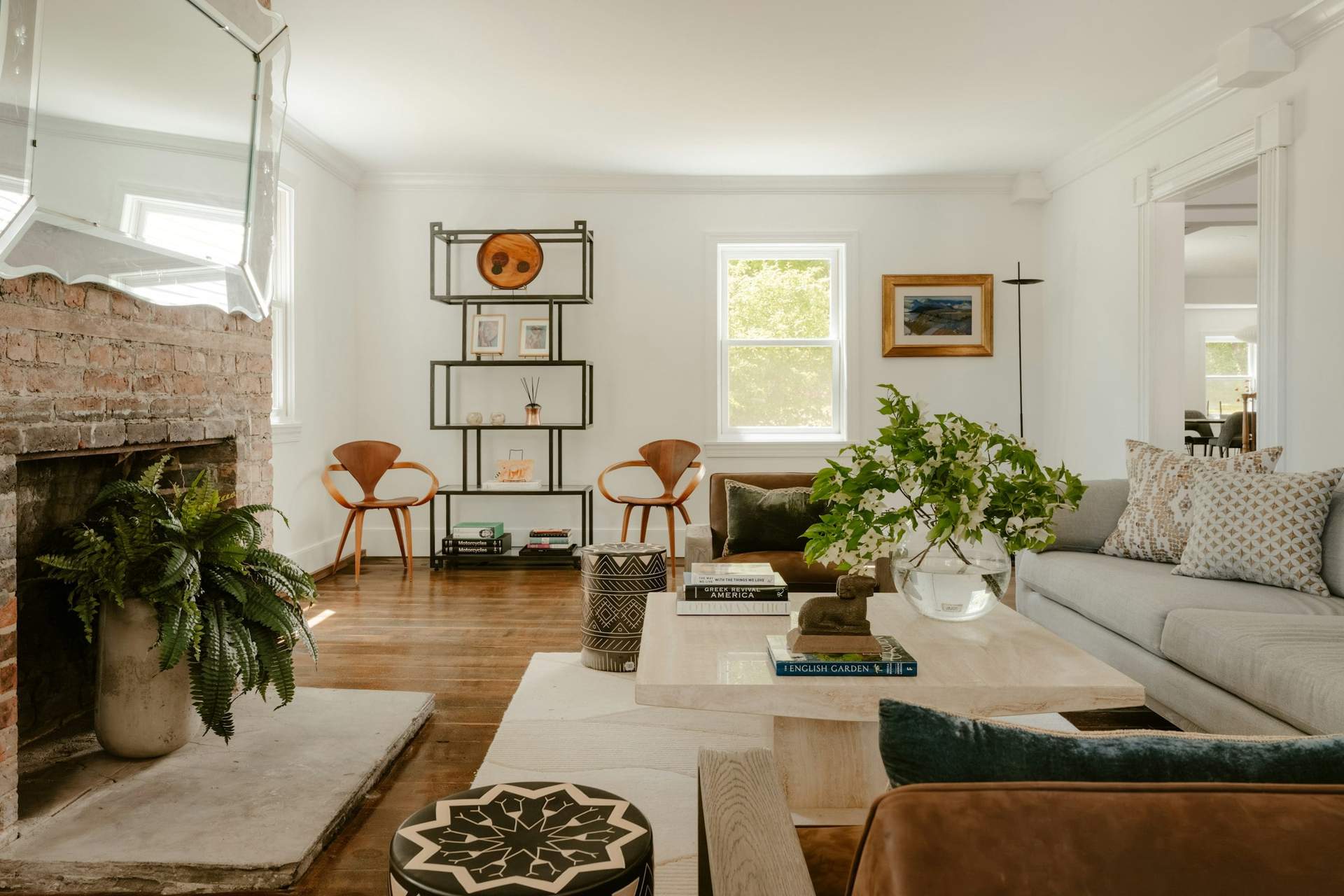
There's a trending conversation again about renovation shows and the enormous houses their presenters move into, and I enjoy it as much as anyone. But I notice what the format does to my brain: it trains me to picture a room at one single moment, freshly styled, with the throw folded at a diagonal and nobody's school bag on the floor. My own home has never once looked like that. It gets judged on a wet Tuesday in February, when three coats are on the bannister and somebody has eaten toast on the sofa.
So when I plan a room now, I plan for year three. Not the reveal, not the photo, but the ordinary middle of a room's life — when the newness has worn off and all that's left is whether the thing actually works.
Start with how the room fails you
Before choosing a single colour, spend a week writing down the moments the room annoys you. Not the aesthetics — the friction. Nowhere to put a mug. The lamp is too far from the chair you actually sit in. The door bangs into the radiator. Everyone dumps their bags in the same spot because there is nothing there to hold them.
That list is your real brief. A makeover that fixes six small frictions will feel transformative for years, even in fairly plain decor. A makeover that only changes the wall colour will feel wonderful for a fortnight and then you'll be irritated by the mug situation again, just in a nicer shade of green.
Do the boring work before the beautiful work
The order of operations is the part television compresses into a montage. Anything that involves lifting floors, chasing walls, dealing with damp, moving sockets or sorting ventilation has to come before paint and soft furnishings. It sounds obvious, and it is routinely ignored, because the dull work is expensive and nobody comes round to admire it.
Be particularly honest about damp and condensation. Painting over a cold, poorly ventilated corner is a decision you will pay for twice. If a room gets heavy condensation every winter, that's a job for before the makeover, not after — and often a question for someone qualified rather than a weekend of optimism.
Spend where your body touches the room
A useful rule when the budget won't stretch: put money into the things you physically touch and use every single day, and economise on the things you only look at. Seating, mattress, the floor underfoot, the light you read by, door handles, the tap. These are the elements that wear visibly and age badly when they're cheap.
Everything decorative — cushions, art, vases, the paint itself — can be modest and swapped later with almost no pain. Paint is the cheapest big change in any house. It's also the one most people agonise over longest, which is a strange allocation of worry.
The three choices that date a room fastest
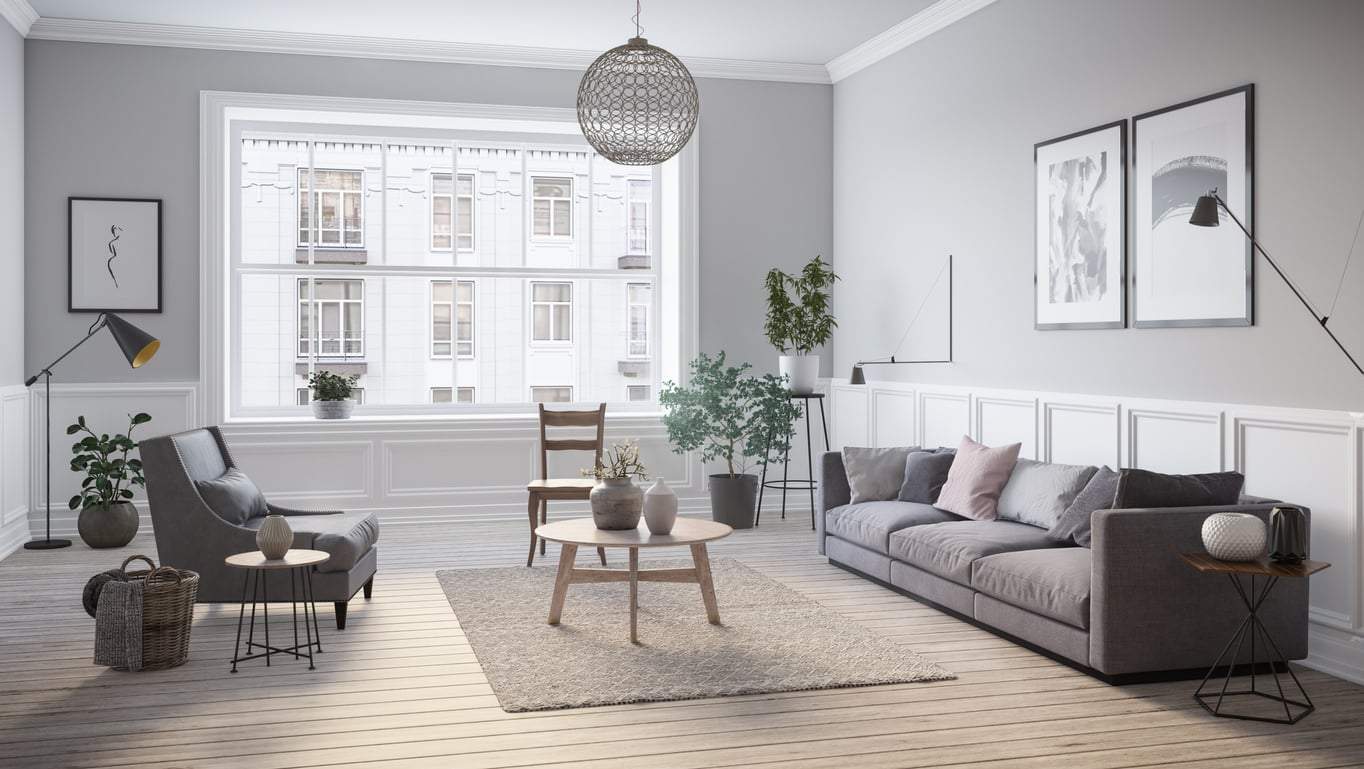
First, matching sets: a sofa, chair and footstool in one identical fabric reads as a showroom, and when the fabric tires, it tires all at once. Second, committing a permanent surface to a short-lived trend — a bold tile, a strongly patterned worktop, a feature wall in a colour of the moment. Third, lighting on a single ceiling pendant. Nothing makes a well-planned room feel flat and institutional faster than one bulb in the middle of the ceiling.
The antidote to all three is layering over time. Buy the sofa in something plain and let the character come from the things that are easy to change.
How do I plan a room makeover if I can't do it all at once?
Work in phases and decide the order now, in writing, so later-you isn't tempted to skip ahead to the fun part. Phase one is anything structural, damp-related or electrical; phase two is the surfaces you can't easily redo, like flooring; phase three is the furniture you sit on; phase four is decoration. If the money runs out after phase two, you'll have a slightly bare but sound room — which is far better than a beautifully styled room with a problem quietly growing behind the plaster.
What should I spend the most money on in a room?
On whatever takes the most daily contact and is the most disruptive to replace. In a living room that's usually seating and lighting; in a kitchen, the worktop and the tap; in a bedroom, the mattress and curtains that genuinely block light. Keep walls, cushions and accessories in the inexpensive, replaceable column — they're how you'll keep the room feeling current in year three without starting again.