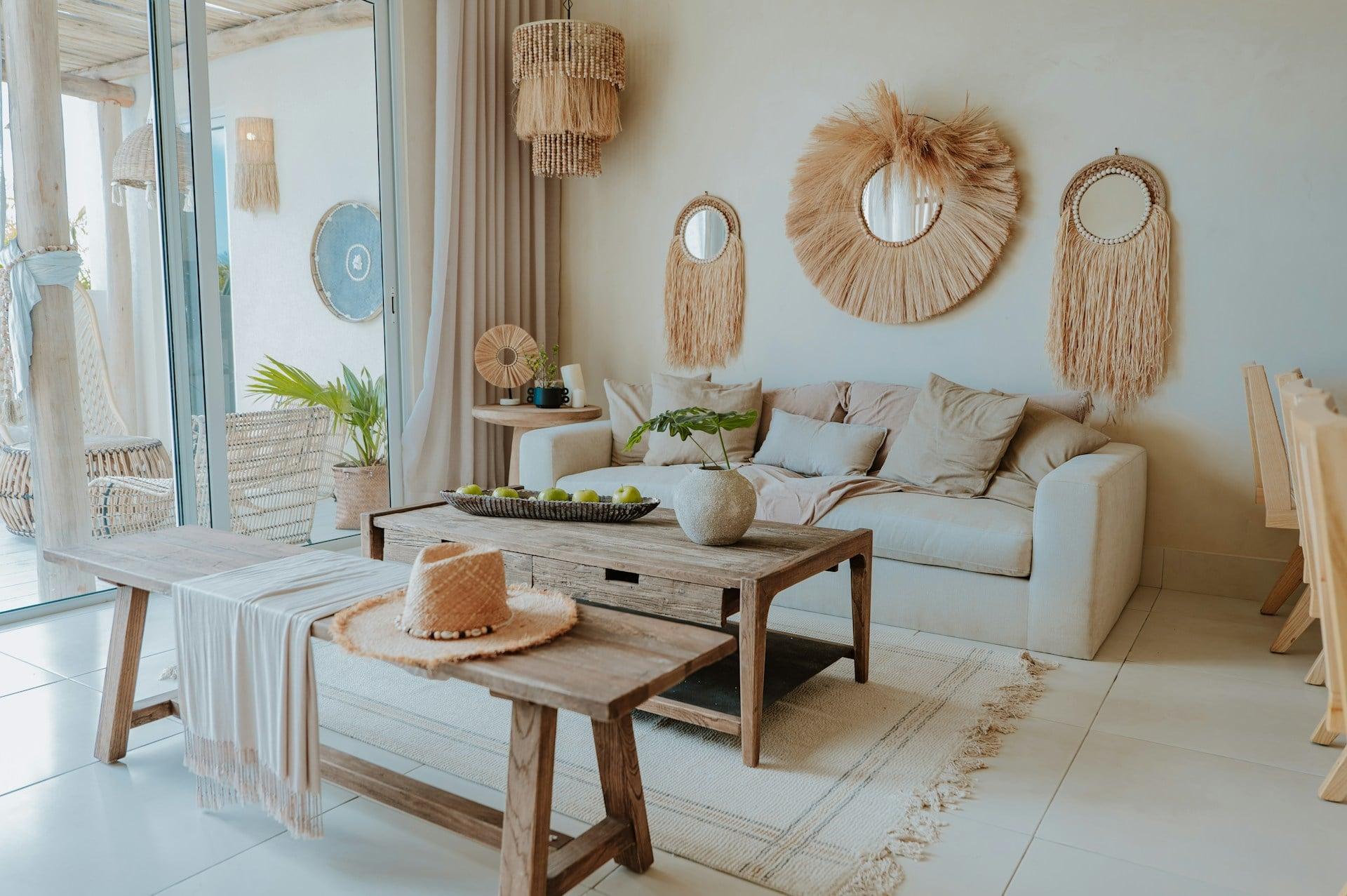
There is a specific evening in late summer when you notice the light has changed. It is not cold yet — the balcony still works, the windows are open — but the sun goes down at a time that surprises you, and the flat suddenly feels wrong in a way you cannot name. The instinct at that moment is to buy something: a throw, a candle, a set of amber glasses. And then the season arrives and the flat still feels wrong, only now with a new throw on it.
What actually shifts a home into autumn is almost entirely rearrangement. Here is the afternoon's work, in the order I do it.
Start With Light, Because Nothing Else Matters As Much
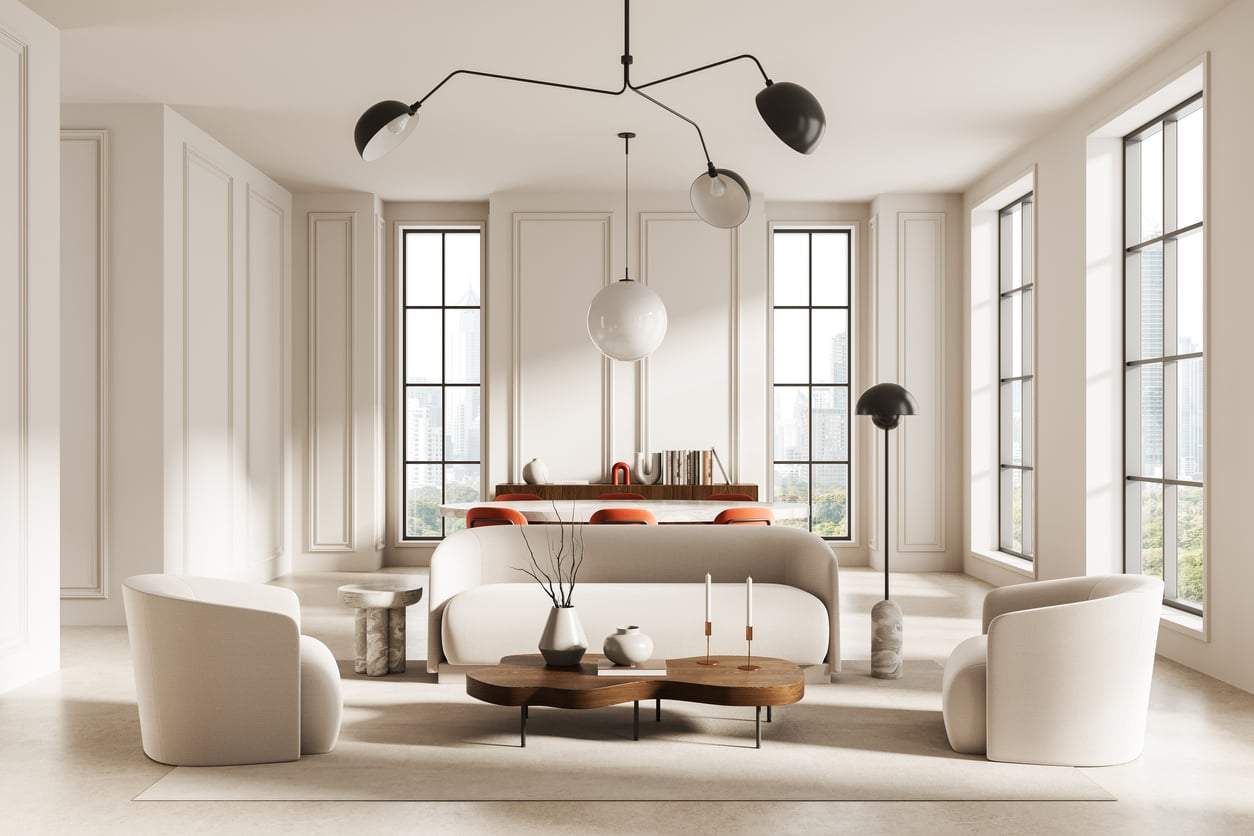
Switch off the overhead light and do not turn it back on until winter. Overhead lighting is efficient and profoundly unatmospheric; it flattens a room and makes 7pm feel like a waiting area. Instead, find three light sources at different heights — a floor lamp, a table lamp, something low like a candle or a small lamp on the floor by a bookshelf — and use those.
If your bulbs are the bright, blue-white kind, that is the one thing worth spending on, and it costs very little. Warm bulbs are the difference between a room that is lit and a room that is inviting. Move the lamps you already own, too: a lamp in a corner throws light back into the room, while a lamp in the middle of a sideboard mostly lights the sideboard.
Rotate the Textiles You Already Own
Somewhere in your flat is a box or a wardrobe shelf with the heavier things in it. Bring it down. Wash the summer linens and put them away in the same box, so the swap is genuinely a swap rather than an accumulation — this is the step people skip, and it is why homes feel cluttered by November.
Beds first: heavier duvet cover, an extra blanket folded across the end, and if you have a spare wool throw, put it on the sofa rather than in storage. Then floors. A rug that lived rolled up all summer changes the acoustics of a room as much as the look; a hard floor in autumn sounds cold before it feels cold.
Point the Furniture Somewhere Else
All summer, the seating in most homes faces outward — towards the balcony door, the open window, the garden. Autumn wants the opposite. Turn the chairs inwards, towards each other or towards a lamp, and pull them a little closer together. It sounds absurdly small until you sit down in the reconfigured room and notice people actually talk.
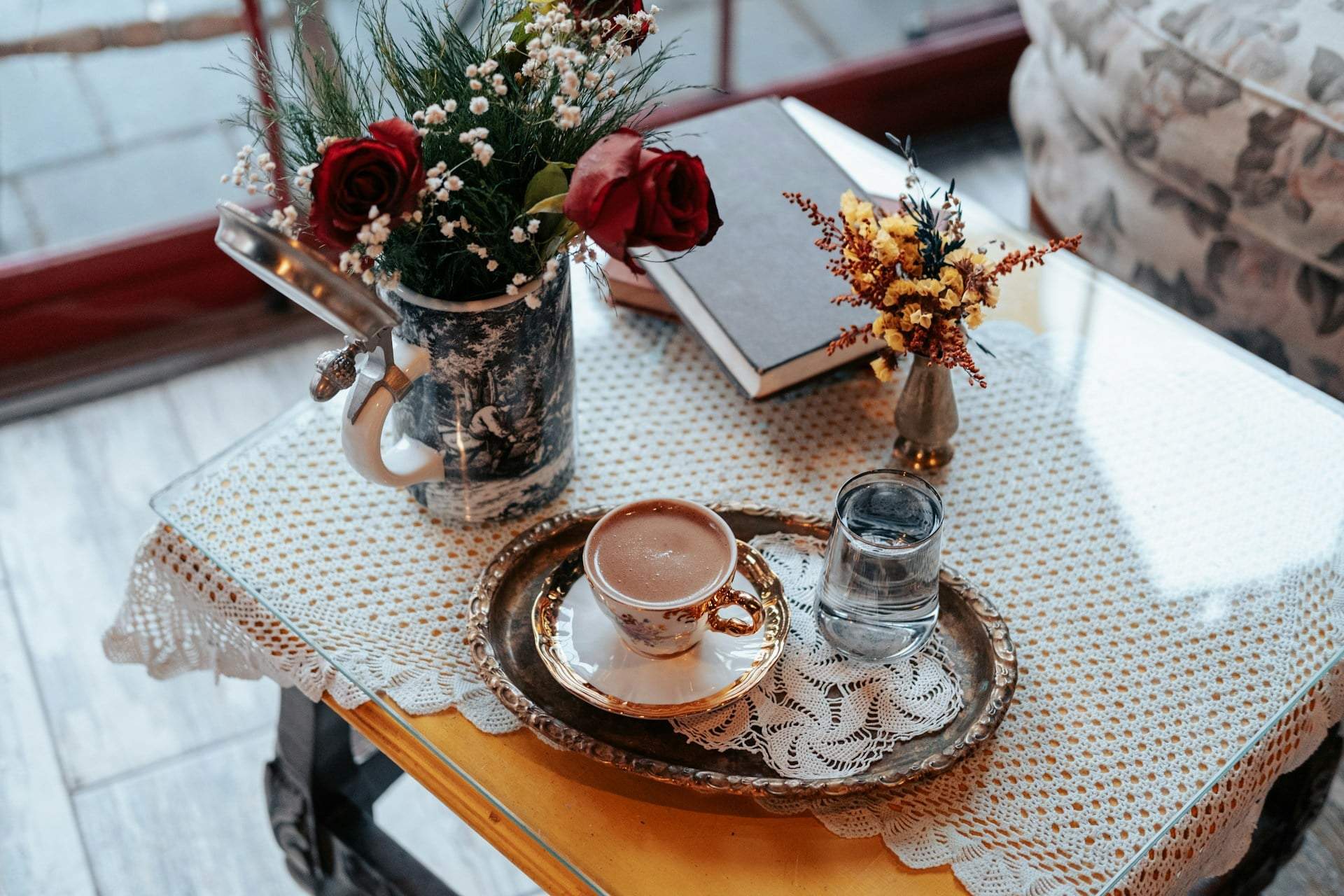
While you are moving things: create one deliberate reading corner. A chair, a light over your shoulder, and a surface for a cup. Not a whole room, not a project — one chair. It is the single most-used thing I set up each year.
Change the Kitchen's Centre of Gravity
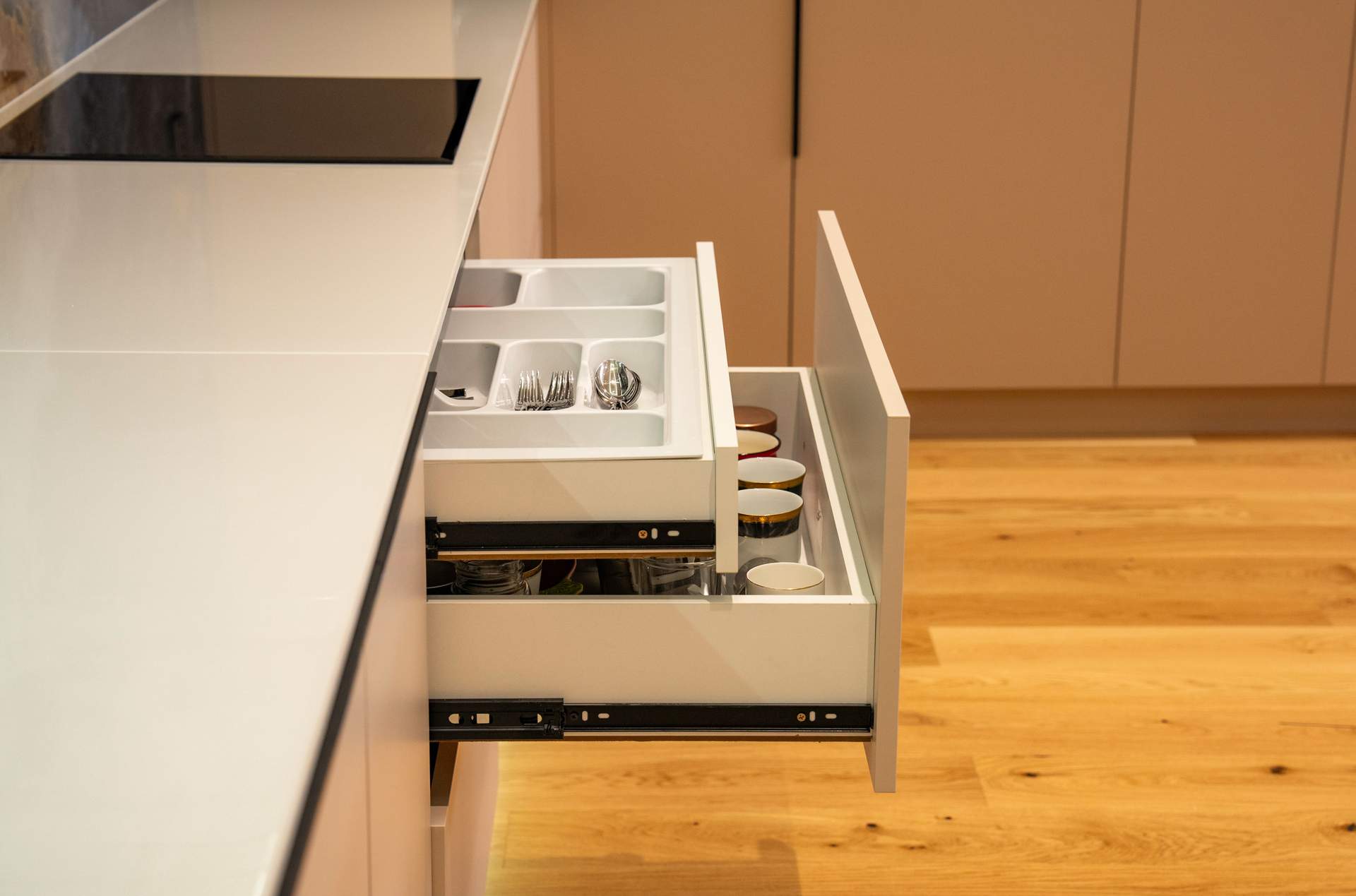
Summer kitchens are organised around cold things: the fridge, the salad bowl, the jug. Move a few items forward. The kettle or coffee pot to the front of the counter, the big pot out of the deep cupboard and onto the hob, the mugs to the shelf where the glasses were. If you have a slow cooker or a casserole dish buried behind the picnic gear, dig it out now, because a piece of equipment you can see is a piece of equipment you use.
Scent belongs here too, and it does not need a candle. A pan of water with orange peel, a cinnamon stick and a few cloves, left to steam gently for twenty minutes, does the job and costs whatever the orange cost.
Deal With the Doorway Before It Deals With You
The entrance is where autumn goes wrong first: wet umbrellas, scarves, an extra layer everyone takes off and abandons. Ten minutes now saves a month of low-grade irritation. Clear the summer things — the sandals, the sun hats — into storage, put out one basket or box for the scarves and gloves that will start appearing, and make sure there is a hook at child height if you have children. A doormat that has been beaten outside is not glamorous advice, but the alternative arrives with the first rain.
How do I make a room feel cosy without buying anything?
Change the lighting and the seating angles first, since those two do most of the work and neither costs a thing. Turn off the overhead light, switch on two or three lower lamps, turn the chairs to face each other rather than the window, and add whatever soft textiles you already own — a blanket over an arm, a rug unrolled, cushions moved from the bedroom. If the room still feels flat, look at what is on the surfaces: clearing them and leaving one lamp, one plant and one book usually reads as more considered than adding anything.
When is the right time to switch a home over to autumn?
Follow the light rather than the calendar. When you find yourself turning lamps on before dinner, the house is ready, and that tends to happen a few weeks before the weather actually turns. Doing it early has a real advantage: you get to enjoy the cosiness while it is still a pleasure rather than a necessity, and the first genuinely cold, dark evening arrives to a home that is already prepared for it.