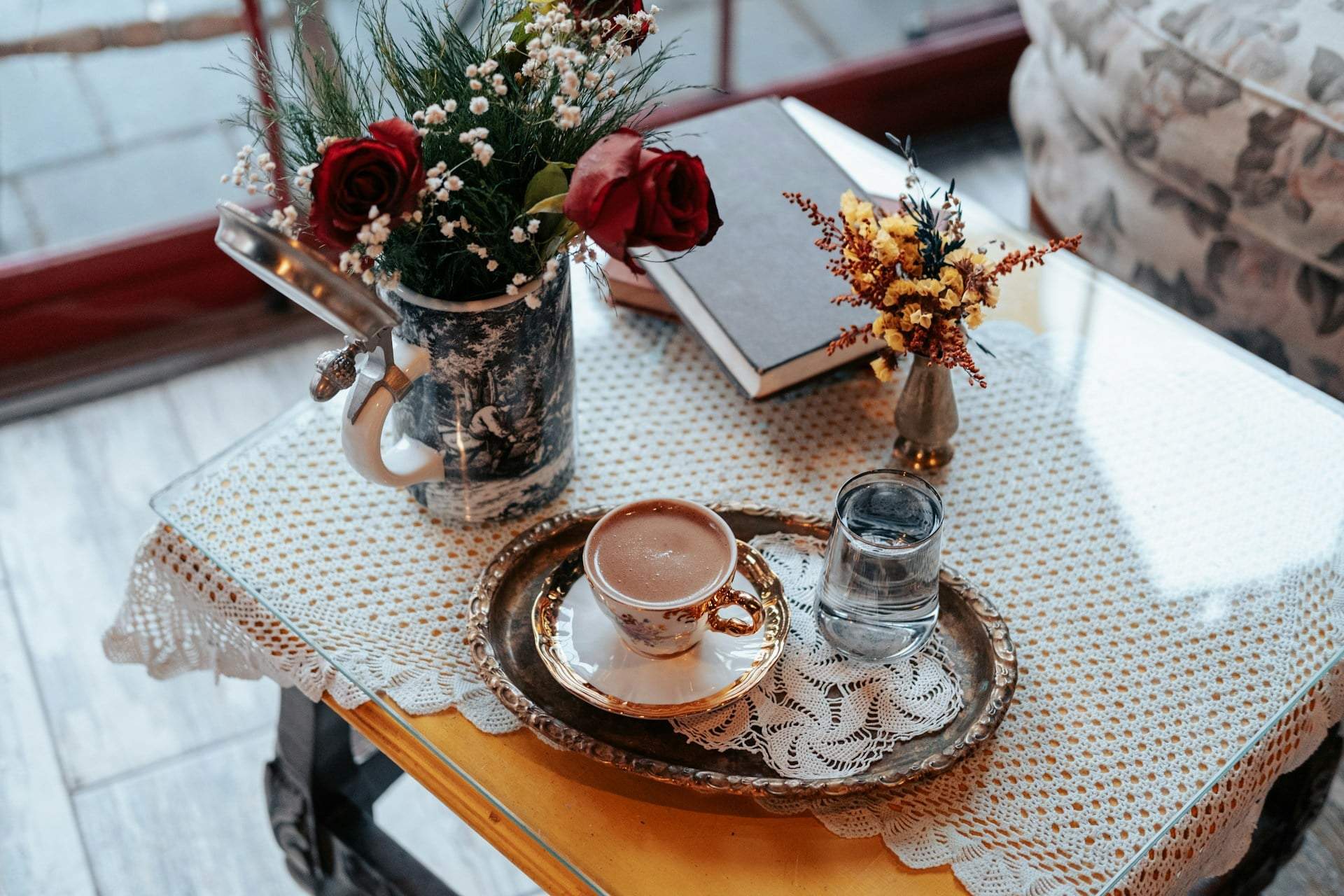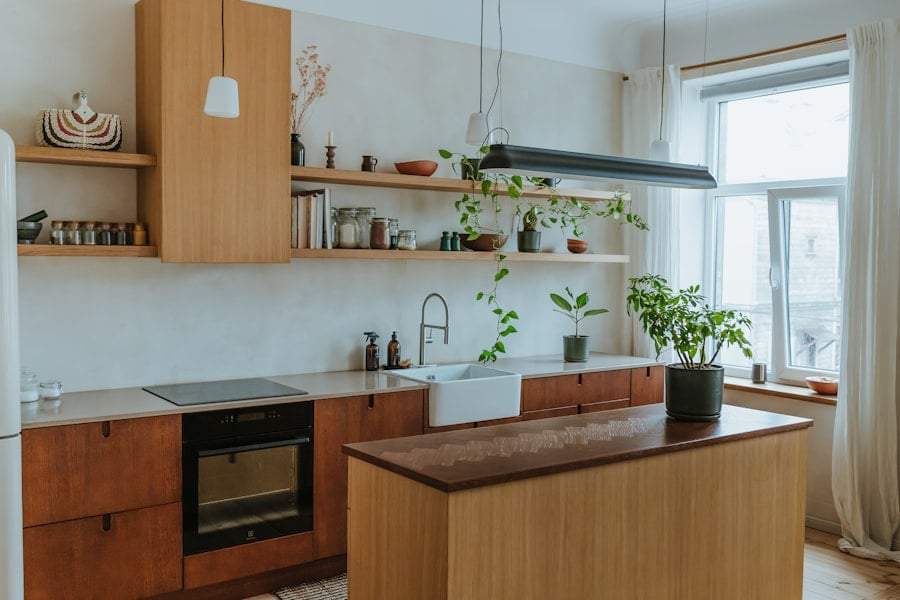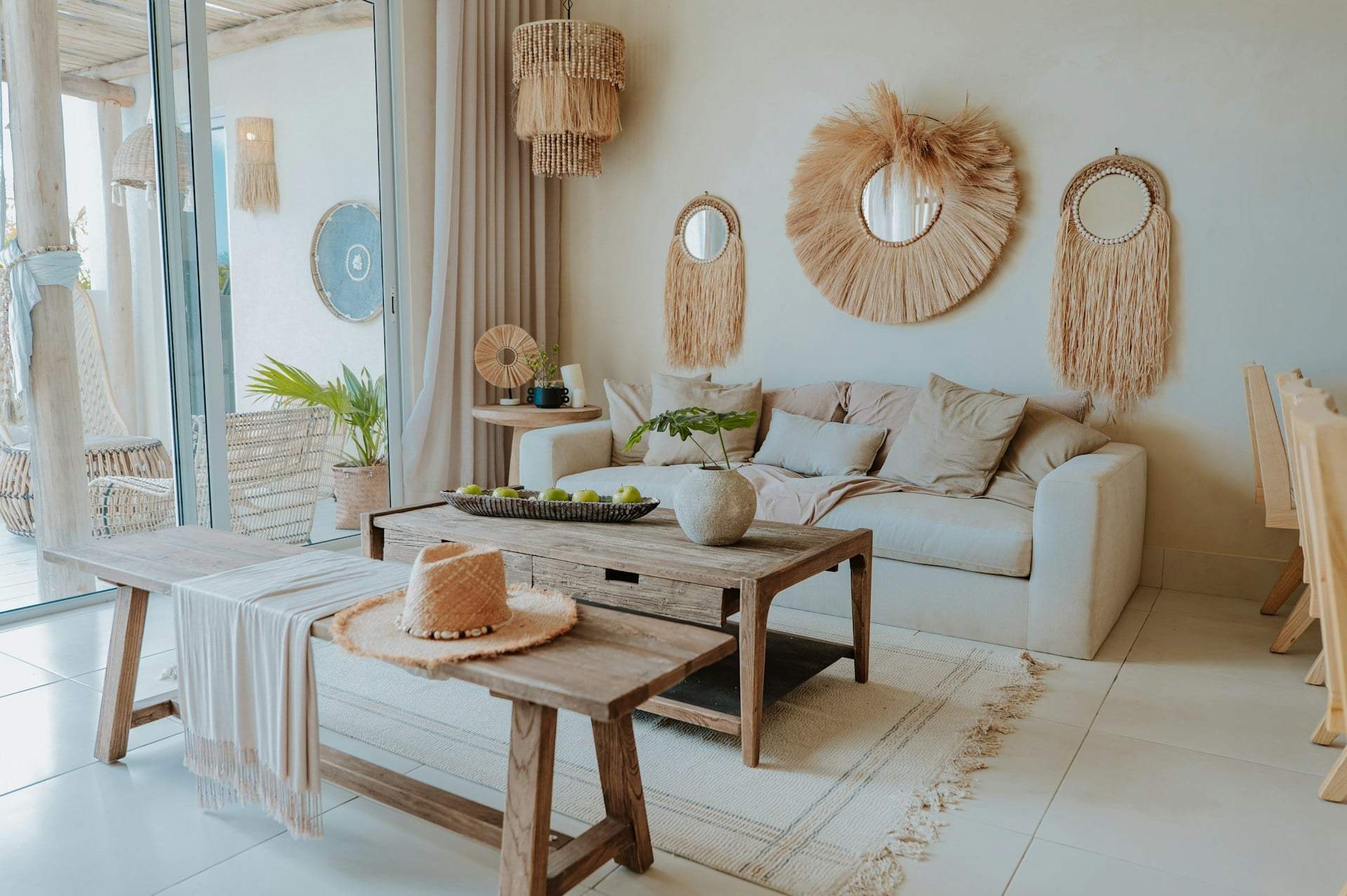
Every so often a photograph of somebody's home coffee station goes round and we all feel the same small pull: a stretch of counter with a tray, a canister, two matching cups, a jar of something dark and glossy, everything within arm's reach. It looks like a life with more time in it. Then you build one, and by the third Wednesday the tray is holding car keys, a school permission slip and a bottle of vitamins, and you are making instant coffee standing up anyway.
The difference between a corner that works and a corner that collects things is not the budget. It is whether the corner matches the coffee you genuinely drink on an ordinary morning.
Start with the honest cup, not the aspirational one
Before you buy a single canister, watch yourself for a week. Do you make one flat white at seven and nothing else? A cafetière you drink over an hour? Two mugs of filter, one reheated? Do you actually only drink good coffee at weekends, and something instant on weekdays because you leave the house in a rush?
All of those are legitimate, and each needs a different corner. A one-cup espresso household needs a tamper, a small bin for pucks and somewhere to keep the milk jug. A filter household needs a kettle with a spout you can control, filter papers stored flat and a way to keep beans away from the hob. A weekday-instant household needs almost nothing but a nice jar, a lovely mug and permission to stop apologising for it. Build for the coffee you drink at 7.15, not the one you'd make if you were a different person.
The geometry of a corner that doesn't spread
Give the station an edge. A tray, a slim shelf, a marble board, even a placemat — anything that says where coffee ends. Objects respect borders in a way they never respect open counter, and if something is on the tray that isn't coffee, you can see it instantly and move it.
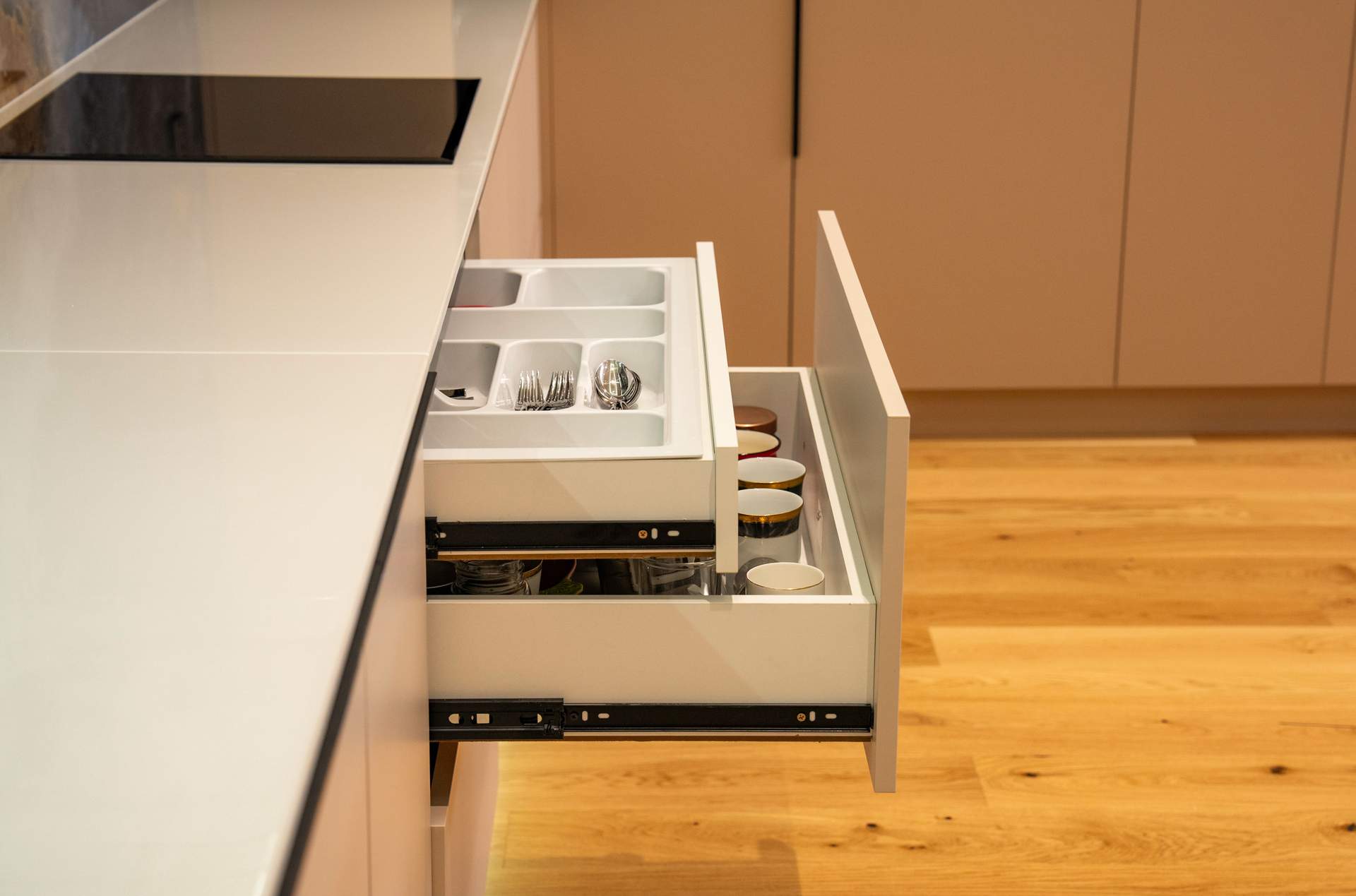
Then go vertical, because counters are precious. A narrow wall shelf above the kettle holds cups and a small jar; a couple of mug hooks under a cupboard frees the space two mugs were occupying. Keep only what you touch every day at counter level; the second grinder, the guest cafetière and the tin of decaf you bought for your mother-in-law live in the cupboard.
How to make it look considered for very little
What reads as expensive in those photographs is repetition and restraint: one material, one colour family, one shape repeated. Six mismatched mugs in charity-shop cream look far more intentional than three good mugs in three unrelated colours. Decant if you like decanting, but only into containers that are genuinely airtight and easy to open one-handed — coffee hates light and air, and you will hate a lid that needs two hands at dawn.
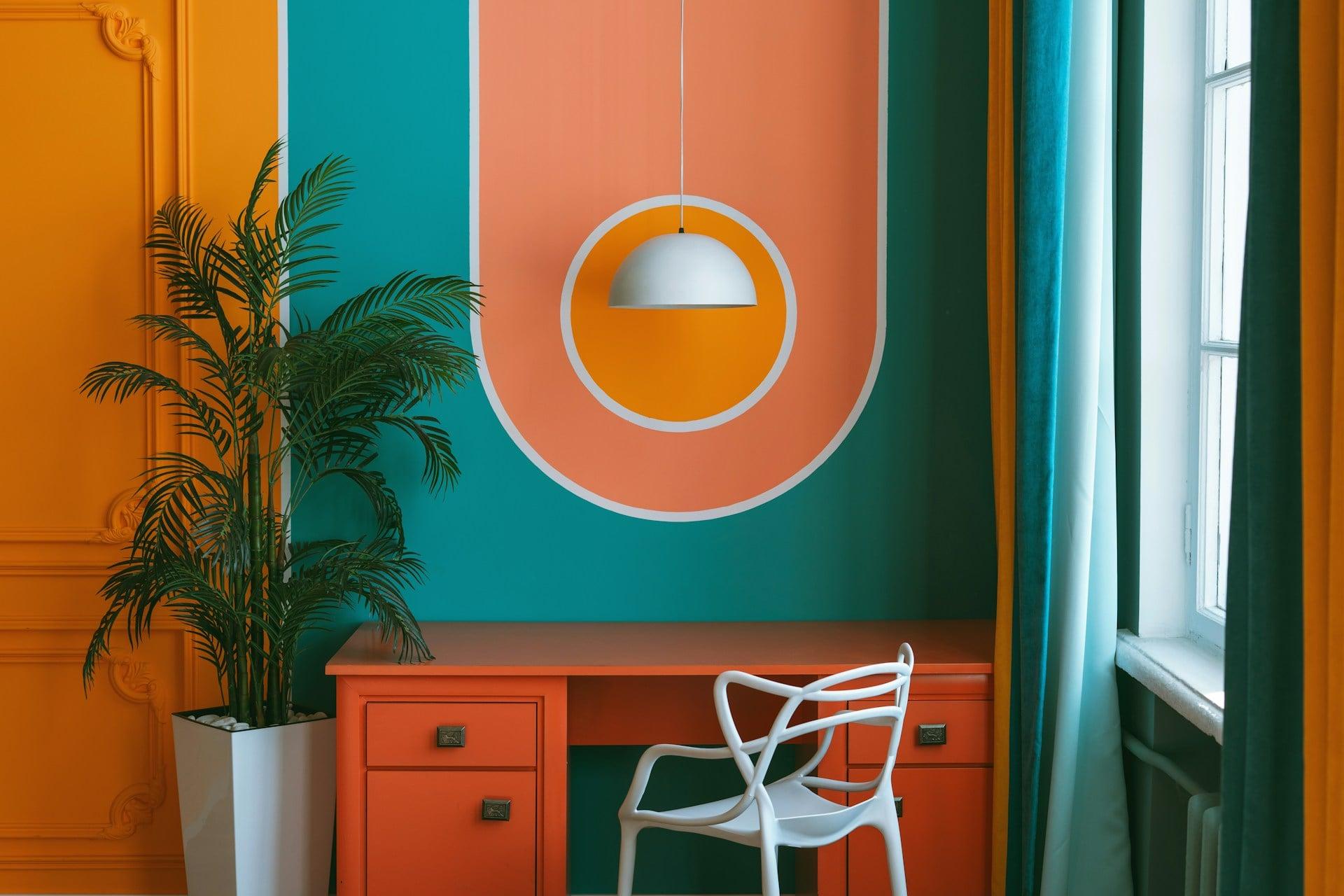
Add one thing that isn't functional. A small plant that tolerates steam, a jug of whatever is on the market stall, a photograph in a cheap frame propped at the back. That single non-useful object is what turns a set of appliances into a corner you like standing in. Wooden spoons, linen napkins folded small, a stack of saucers used as spoon rests — texture does more than expense.
Keep it alive with a two-minute close-down
The reason styled corners collapse is that nobody builds in the resetting. Attach it to something you already do: while the kettle boils for the second cup, or as the last thing before you leave the kitchen. Grounds out, jug rinsed, tray wiped, mug into the machine, jar lid on. Two minutes, and the corner greets you rather than accusing you tomorrow. Once a month, wash the canisters properly — old coffee oils go rancid and quietly ruin fresh beans.
Do I need a proper coffee machine for this to work?
No, and some of the loveliest corners I've seen are built around a cafetière, a moka pot or a good kettle and a filter cone. Method matters far less than freshness and routine, so if you're choosing where to spend, put the money into beans you actually enjoy and a grinder before you consider a machine with a screen on it.
How do I stop the coffee corner turning into a dumping ground?
Give the homeless objects somewhere better to go: a small bowl by the door for keys, a clip on the side of the fridge for paperwork, a drawer for the medicines. Clutter lands on coffee stations because they sit at the natural drop point of the kitchen, so the fix is rarely willpower and almost always a nearer, easier alternative.