Every winter the same impulse arrives. The light goes at four, the sitting room looks tired under lamplight, and suddenly every deep green, ink blue and burnt oxblood on the paint chart starts to look like the answer. Then someone says the thing everyone says — "dark colours make a small room smaller" — and the tester pots sit on the windowsill until March.
I painted a small, north-facing back room a very dark green three winters ago, fully expecting to regret it. I didn't. But I learned that dark rooms succeed or fail on everything except the wall colour: the lighting, the finish, the contrast, and what you put in there. Here's what actually matters.
Stop trying to make a small room feel big
The whole premise of "make it look larger" is a trap in a room that is, definitively, not large. A small room painted pale doesn't read as spacious — it reads as a small room painted pale, and in poor light it tends to go slightly grey and flat. Dark colour gives up on the illusion and goes for atmosphere instead, which is a far easier target to hit.
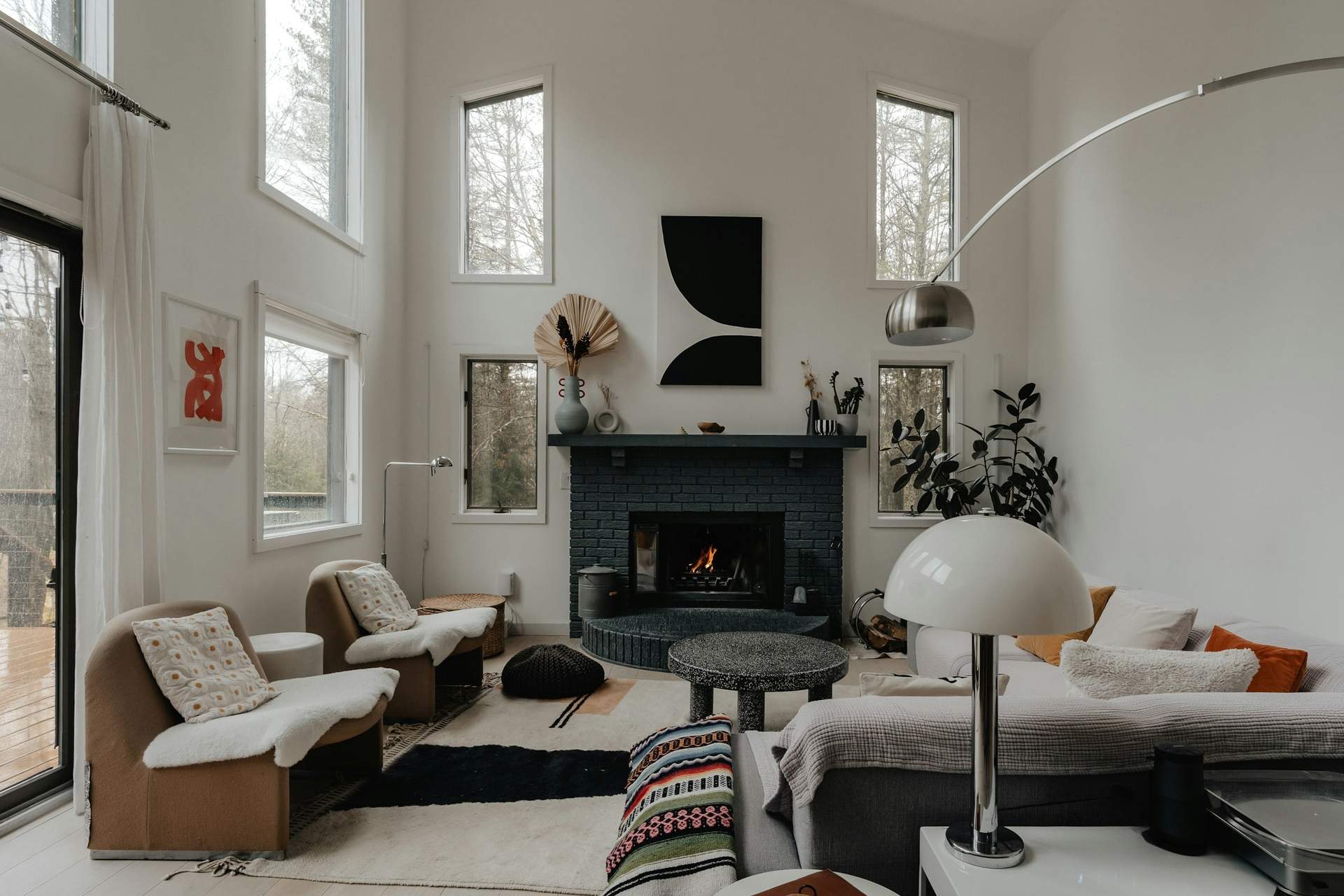
What dark walls genuinely do is blur the edges. When the corners recede, the eye stops measuring the boundaries of the room and you lose the sense of walls closing in. It works best in rooms used mainly in the evening: a snug, a dining room, a hallway, a bedroom. It works least well in a room where you need bright task light all day, like a home office or a kitchen worktop area.