The first proper roast of the season is a kind of audit. You slide the tray in, the fat starts to catch, and within twenty minutes the kitchen smells less of chicken and more of everything you cooked in August. The glass door has gone the colour of weak tea, there is a dark crust in the back corner, and the smoke alarm is thinking about it. Nothing is wrong with the oven. It simply hasn't been cleaned since the weather was warm, and ovens keep receipts.
I used to put this job off because I associated it with a caustic spray, an open window in November and a headache by lunchtime. It turns out the gentler route works just as well on normal domestic grime — it just needs time rather than chemistry. You do ten minutes of work, walk away, and come back when it has loosened by itself.
Start with everything that comes out
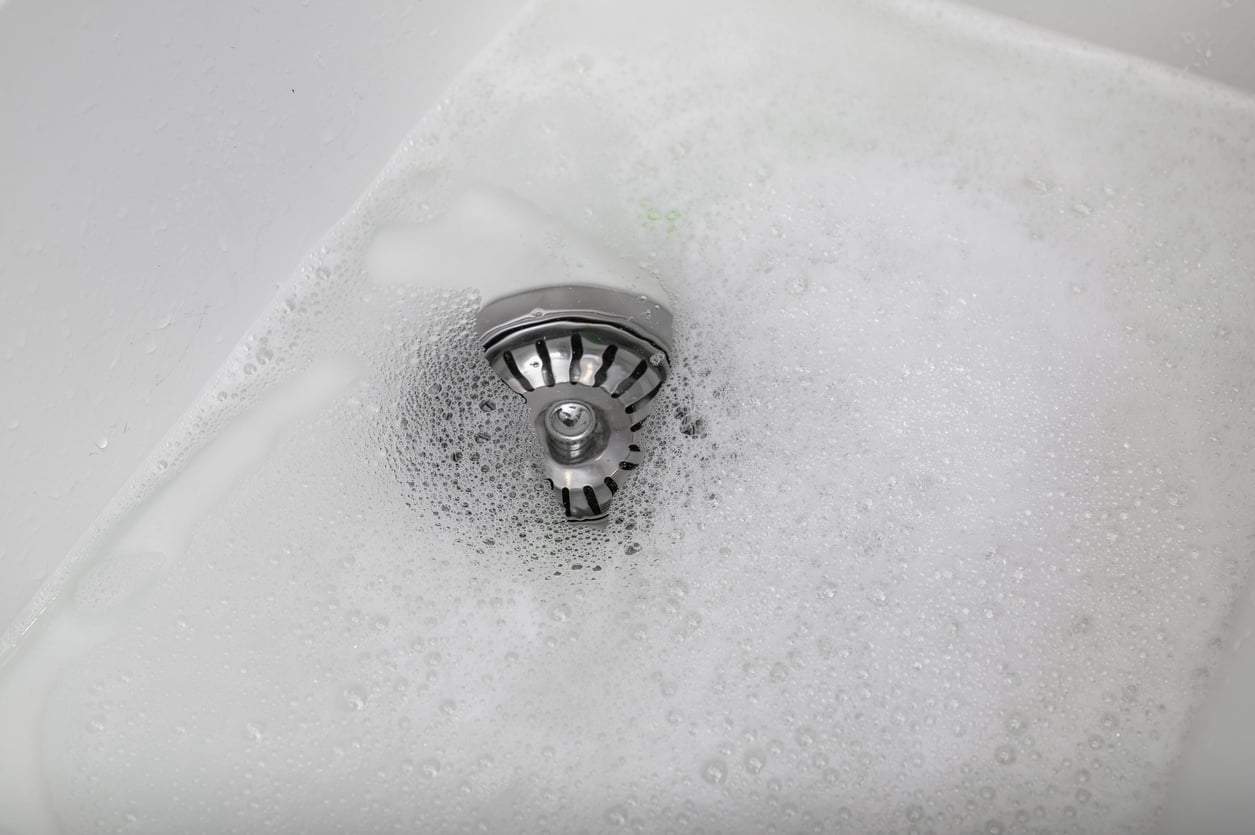
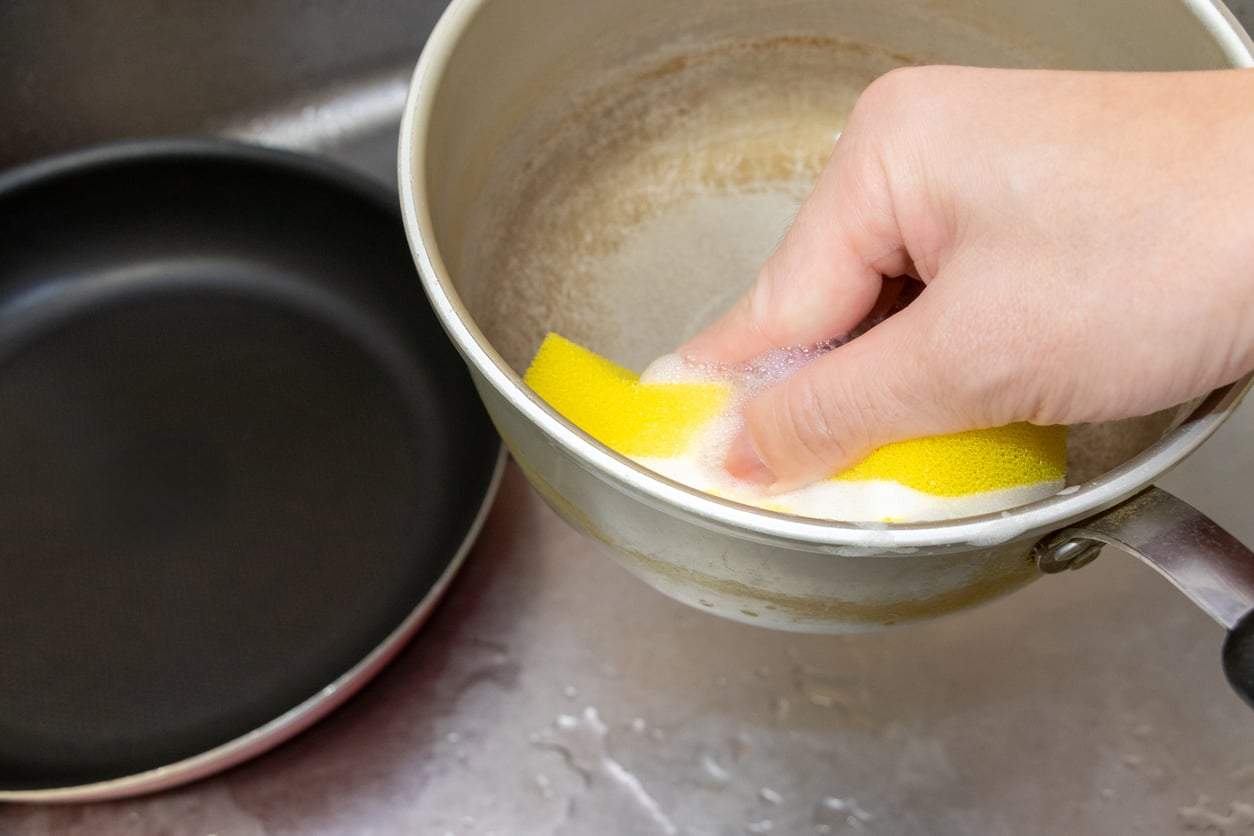
Take out the shelves, the side runners if they unclip, and the roasting tins living at the bottom. These are where most of the baked-on mess actually is, and they are far easier to clean away from the cavity. Lay a towel in the bath or a deep sink to protect the enamel, lay the racks on it, and cover them with the hottest water your tap gives, a good squeeze of washing-up liquid and a generous scoop of bicarbonate of soda. Leave them for an hour or more. What needed a wire brush before the soak usually comes away with a scourer afterwards.
If you have no bath, a bin bag works: put the rack in, add hot soapy water, tie the top, and leave it in the shower tray or on the patio. Just keep it somewhere a child or a dog won't find it.
The paste, and where it goes
Mix bicarbonate of soda with a little water until you have something like thick icing. Spread it over the floor of the oven, the side walls, the inside of the door and the roof if you can reach comfortably. Avoid the heating elements, the fan, and any exposed bulb or vent — paste belongs on enamel and glass, not on the working parts. Leave it overnight, or at least four or five hours.
The next morning, scrape it off with a plastic spatula or an old card. Most of the softened grease comes with it. Wipe with a damp cloth, then spritz the surfaces with white vinegar in a spray bottle; it fizzes against the residue and lifts the chalky film so you are not rinsing for twenty minutes. Finish with clean water and a dry cloth. For stubborn carbonised spots, repeat the paste on that patch alone rather than attacking it with steel wool, which will scratch the enamel permanently.
The glass door, the part people give up on
The door is what you look at every day, so it is worth a little extra. Paste, wait, scrape with a plastic card held almost flat, then polish with vinegar and a microfibre cloth. If the brown haze is clearly between the panes rather than on the surface, that's splatter that has crept in through the vent at the bottom edge. Some models allow the inner pane to be released by lifting the door off its hinges and unclipping a bracket — check your manual before you start taking anything apart, and if it doesn't describe the process, leave it alone. A thin cloth wrapped around a long wooden spoon, posted through the gap at the base, will get most of it without dismantling anything.
How often should I actually clean my oven?
A proper deep clean two or three times a year is enough for most households, usually timed just before the cooking-heavy months and once again in spring. What matters more is the small habit in between: wipe spills while the oven is still warm but safe to touch, and roast anything that spits under a loose foil tent or in a covered dish. Five seconds of wiping on Sunday night prevents the hour you resent in February.
Can I just use the self-cleaning function instead?
If your oven has a pyrolytic cycle, it will burn residue to ash at very high heat and leave you a little grey dust to sweep out, which is genuinely convenient. Remove the shelves first unless the manual says they can stay, open a window, run it when the kitchen will be empty for a few hours, and keep birds and pets well away from the room, as they are sensitive to fumes from any hot appliance. Steam-clean functions are gentler and good for light grime, but they won't touch a year of neglect — that still wants the paste and some patience.