A dishwasher is the one appliance we assume cleans itself, on the reasonable-sounding logic that it is full of hot water and detergent several times a week. It does not. Grease, food debris and limescale build up in exactly the places you never look, and the first sign is usually cosmetic — a film on the glasses, grit in the bottom of a mug — followed shortly by a smell that meets you when you open the door. The good news is that a proper reset takes about twenty minutes of actual work, most of which is standing at the sink.
Start with the filter, because that is usually the whole problem
Pull out the bottom rack and look at the base of the machine. In most dishwashers you will find a cylindrical filter that twists out, sitting inside a flat mesh plate that lifts away with it. If you have never removed it, brace yourself: this is where everything that did not drain away has been sitting.
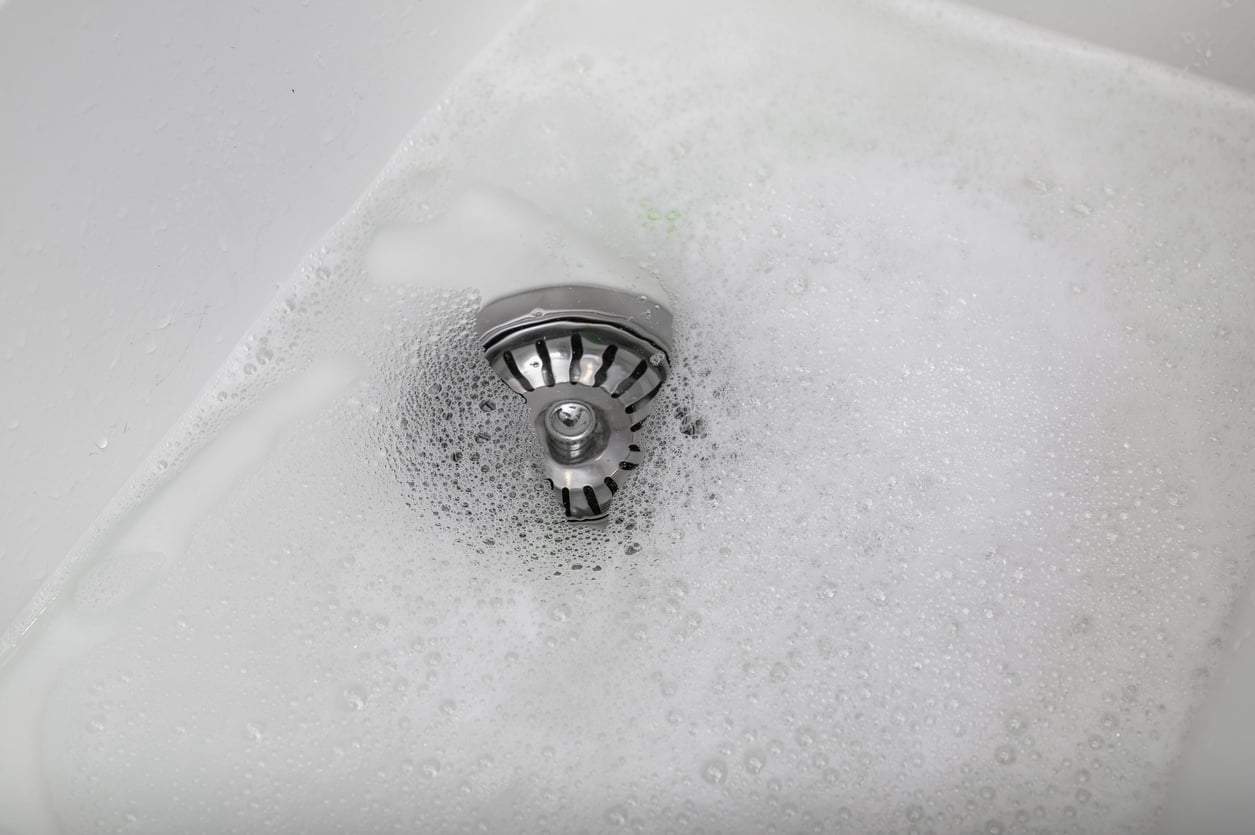
Take both parts to the sink, rinse under hot running water, and work through the mesh with a washing-up brush or an old toothbrush and a little washing-up liquid. Grease clings to the mesh even when it looks clean, so give it more attention than seems necessary. Rinse thoroughly, check the well underneath for stray fragments — olive stones and bits of foil are common culprits — and refit the filter properly, turning until it locks. A filter that is not seated correctly lets debris circulate straight back onto your dishes.
Spray arms, seals and the door edge
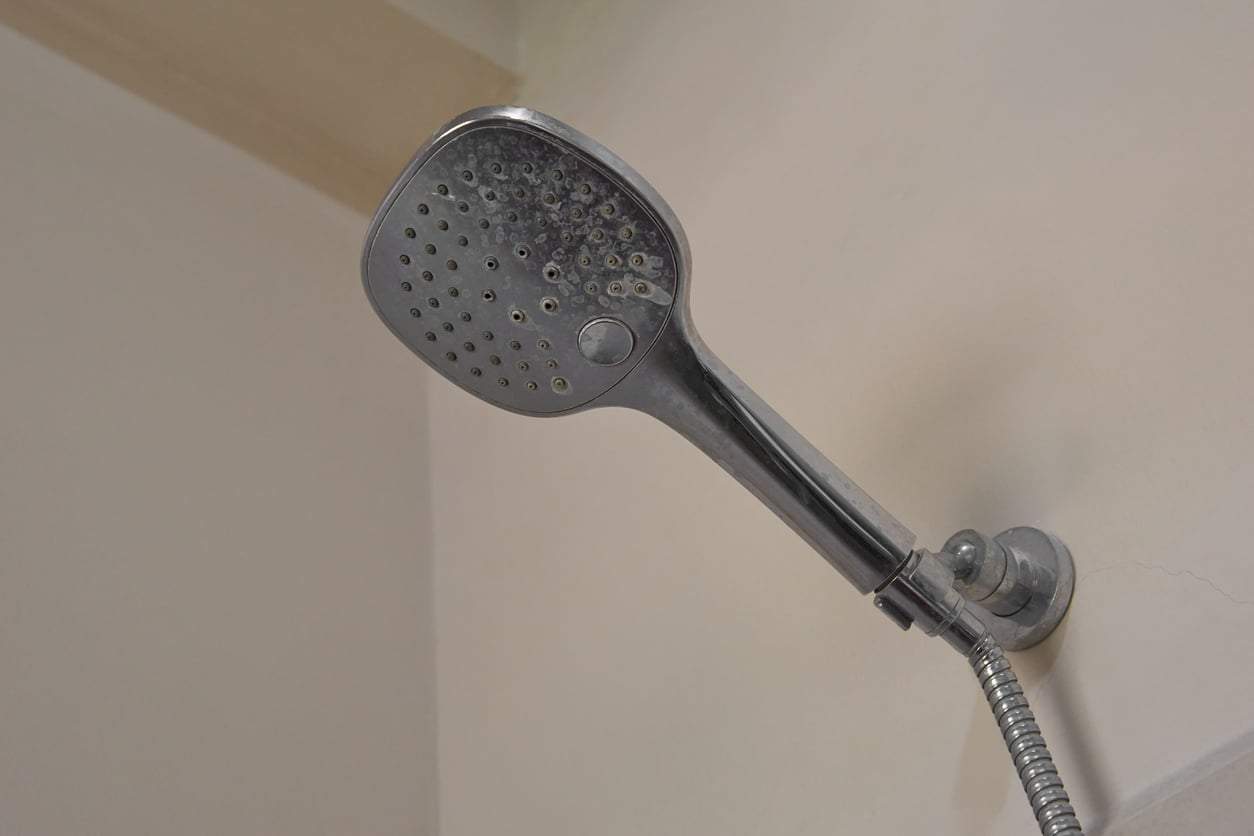
Next, spin the spray arms with your hand. They should move freely. Hold each one up and check the little holes: if any are blocked with limescale or seeds, poke them clear with a cocktail stick or a straightened paperclip. Blocked jets are the reason a machine washes well on one side and leaves the other side dirty.
Then do the part nearly everyone skips: the rubber seal around the door and the lip at the very bottom of the door frame, below where the water reaches. Wipe along the folds of the seal with a damp cloth and a little washing-up liquid, and go around the door edge with the same cloth. Black marks and a sour smell almost always live here rather than inside the machine. Finally, wipe the detergent dispenser flap, which gets sticky and stops opening fully.
The hot empty cycle that finishes the job
With the filter back in and the arms clear, run the machine empty on the hottest cycle it has. A cup of white vinegar in a bowl on the top rack helps cut grease and light scale; if you prefer, use a proprietary dishwasher cleaner and follow the instructions on the bottle. Do not combine the two, and do not add vinegar to a cycle with dishes in it.
Once a month is plenty for the hot empty run. The filter, though, deserves a rinse every week or two if you cook a lot, and thirty seconds with a cloth around the seal each time you unload keeps the smell from ever starting.
Why do my glasses come out cloudy?
There are two different kinds of cloudiness. If the film rinses off with a little white vinegar on a cloth, it is limescale, which means checking that the salt reservoir and rinse aid are topped up if your machine has them, and that the water hardness setting matches your area. If the cloudiness does not shift and looks slightly rainbow-etched, that is permanent glass etching from very hot cycles and too much detergent — you cannot reverse it, but you can stop it getting worse by using a gentler programme and less detergent for glassware.
How often should I clean the dishwasher filter?
Every week or two for most households, and after any load that included a lot of sauce, rice or anything that breaks down into small particles. It is a two-minute job once you have done it a few times, and it prevents nearly all the problems that make people assume their dishwasher is dying.
Does the way I load it really matter?
More than the detergent does. Scrape plates but do not rinse them thoroughly, because most detergents need a little soil to work against; leave space between items so water can reach every surface; face dirty sides towards the centre where the spray arms hit; and keep large plates and trays out of the way of the arms so they cannot block the spray. If one area comes out consistently dirty, the load is almost always the reason.