There is a particular archaeology to the back of a fridge. A half-jar of something green. A yoghurt whose lid has gone domed. Two open packets of the same cheese, because you bought the second one while standing right in front of the first. I don't say this to shame anyone — I have excavated my own shelves often enough to know that this isn't a character flaw. It's a visibility problem. Food you cannot see does not exist, and food that doesn't exist gets replaced, then rots.
The fix is not a drawer of matching acrylic bins, although those are pleasant. It's deciding, once, where each type of thing lives, and then putting it back there even on the evenings when you're unpacking shopping with your coat still on.
Work with the cold, not against it
A fridge is not one temperature. The door is the warmest part of it, because it swings into a warm kitchen several dozen times a day. The back of the lowest shelf is usually the coldest. The drawers sit in their own humid microclimate, which is why they're good for vegetables and terrible for anything you want to stay crisp and dry.
So: raw meat and fish go on the bottom shelf, at the back, in something with a lip so nothing drips onto what's below. Dairy and anything cooked goes higher up. The door — all that generous, tempting shelving — is for things that genuinely don't mind the swings: condiments, jars, pickles, juice you'll finish in days. Milk on the door is the great domestic habit worth breaking; it will keep noticeably better on a shelf.
Give leftovers a parking space, not a shelf-share
The single change that reduces waste in my house more than any other is a dedicated eat-me-first zone. One clear container or a marked shelf section at eye level, and everything that needs using within two or three days goes in it: the half-pepper, the rice from Tuesday, the end of the roast chicken, the opened cream. When somebody says "what is there?", the answer is a place, not a search.
It also means you stop stacking leftovers behind the big weekly shop. The physics of a fridge is brutal: whatever goes in last sits in front and gets eaten, whatever is already there slides back into the shadows. The eat-me-first box reverses that, because it has a permanent spot at the front and you are allowed to be ruthless about what qualifies.
Store vegetables the way they want to be stored
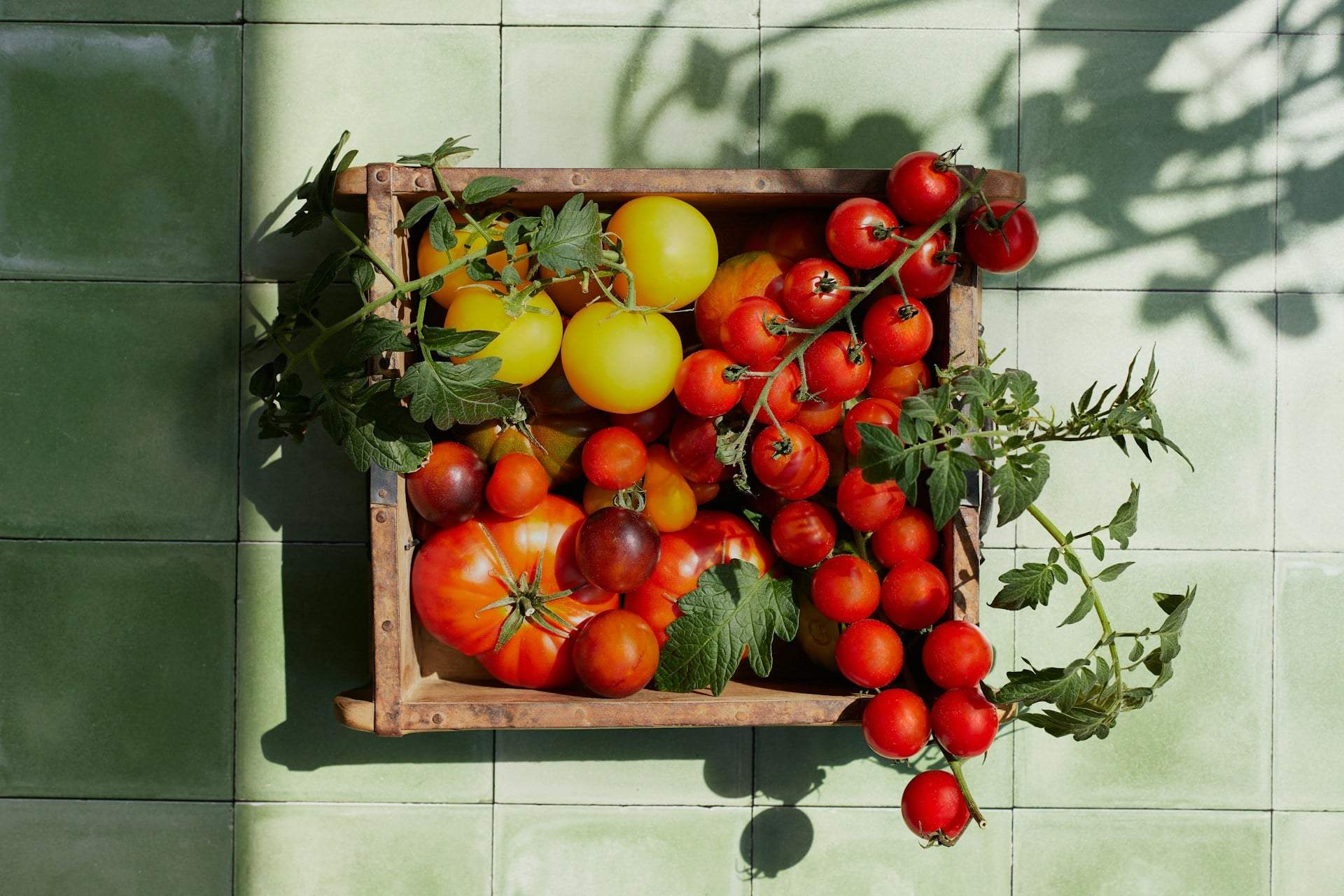
Drawers get labelled in my head as damp and less damp. Leafy things — salad, herbs, spring greens — like moisture and a bit of air, and last far longer wrapped loosely in a slightly damp cloth or kept in a box with a piece of kitchen paper that you change when it's wet. Root vegetables, carrots, celery and cabbage are hardy and can share the other drawer. Tomatoes, potatoes, onions, garlic and unripe stone fruit shouldn't be in there at all; they go in bowls and baskets on the counter, where they'll taste better and stop sweating.
Keep onions and potatoes apart, keep bananas away from anything you want to ripen slowly, and don't seal mushrooms in plastic — paper bag, bottom drawer, done.
Make the reset small enough to actually happen
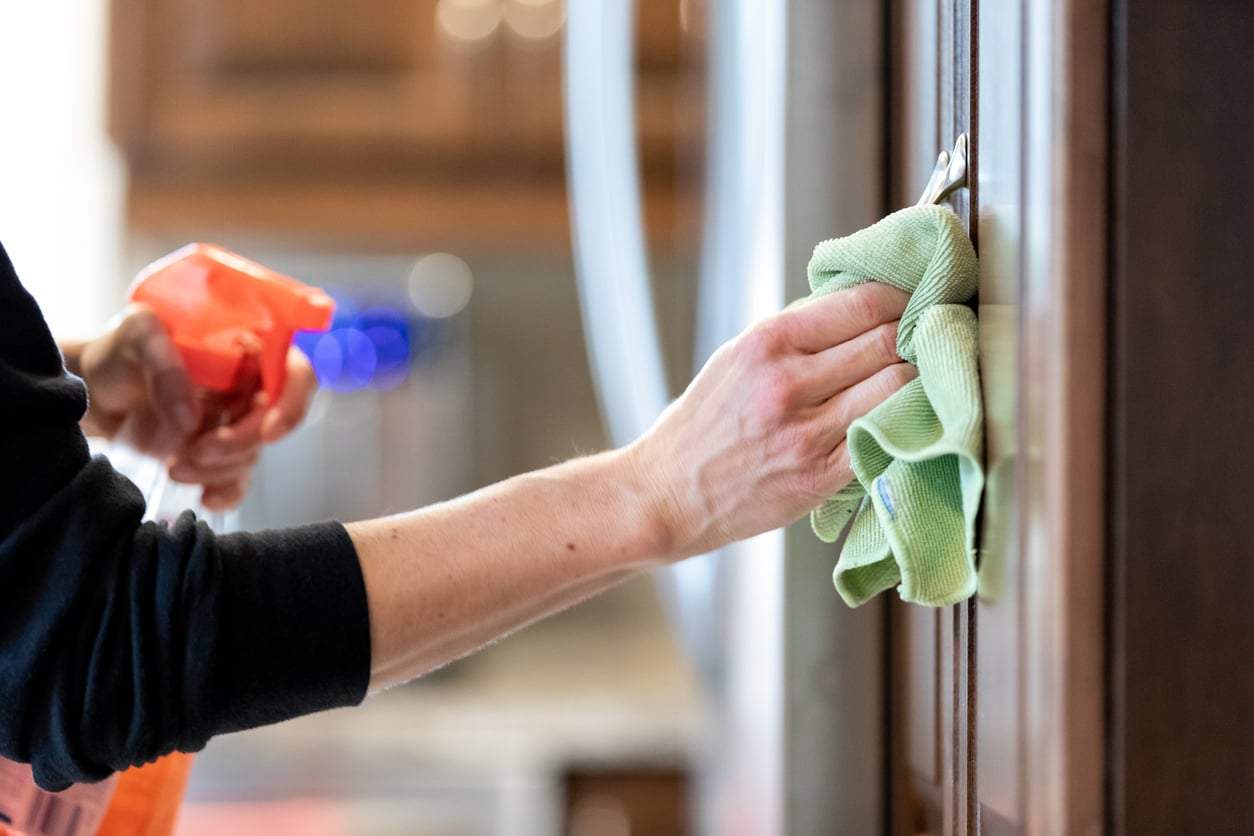
A full fridge empty-out twice a year is a lovely idea that almost nobody sustains. A ten-minute pass on the evening before your main shop is far more realistic. Pull everything forward, bin what's gone, wipe the one shelf that needs it, and write your list from the gaps rather than from habit. Once a season, take the drawers out and wash them in warm soapy water, dry them properly, and check the door seal — a quick wipe along the rubber with a damp cloth keeps it sealing, and a seal that isn't sealing is an expensive, quiet problem.
How often should I really clean the fridge?
A quick weekly pass — clearing out what's past it and wiping any spill the moment you spot it — is more useful than an occasional deep clean. Then once every few months, empty it shelf by shelf, wash the shelves and drawers in warm soapy water, dry them completely before they go back, and wipe the seals. If something has leaked, deal with it that day rather than letting it set.
Where should eggs and milk actually go?
Both do better on a shelf than in the door, where the temperature fluctuates most. Keep eggs in their box on a middle shelf — the box protects them and keeps them from absorbing strong smells — and give milk a spot towards the back where it's coldest. It's a small shift that buys you noticeably more days before anything turns.