Your countertops are gleaming, the sink is spotless, and the floors are freshly mopped. But there are a few overlooked spots in almost every kitchen that quietly give the game away — and guests notice them before you do. Here are the three places worth paying close attention to before company arrives.
1. The undersides and inner rims of cabinet handles
Think about how many times a day you grab a cabinet handle — often with greasy, damp, or flour-dusted hands while reaching for a spice or a pan. The top surface of the handle usually gets a wipe-down when you clean the counters. But the underside and inner curve? That's a different story.
The bottom edge and inner rim of cabinet handles are exactly where hands don't naturally go during a quick clean — which means a sticky, greasy film builds up over time, attracting dust and grime along with it.
This is precisely the surface a guest will touch when they open a cabinet to grab a glass or a plate — and they'll feel it instantly if something is sticky. A great fix: once a week, use an old toothbrush or nail brush dipped in warm soapy water and scrub along the bottom edge and around the screws, where most of the buildup hides.
2. The top of the range hood and the grease filter
Most people occasionally wipe down the shiny front panel of their range hood because it's right at eye level. The top of the unit, however, sits above the cabinets and completely out of your line of sight — you'd only notice it by climbing on a chair, or if a taller guest happens to glance upward. Up there, a thick, sticky layer of grease vapor builds up and gradually hardens from the kitchen heat.
The grease filter is equally neglected: most people only pull it out when it's visibly caked in grime. But monthly cleaning matters for more than just hygiene — a clogged filter significantly reduces the hood's efficiency, meaning cooking smells linger in your kitchen far longer than they should.
Soak the grease filter in hot water with a good squeeze of dish soap, and use a long-handled cloth spritzed with a degreaser to wipe down the top of the hood regularly — before the buildup gets so thick it needs scraping off.
3. The rubber door seal on the refrigerator
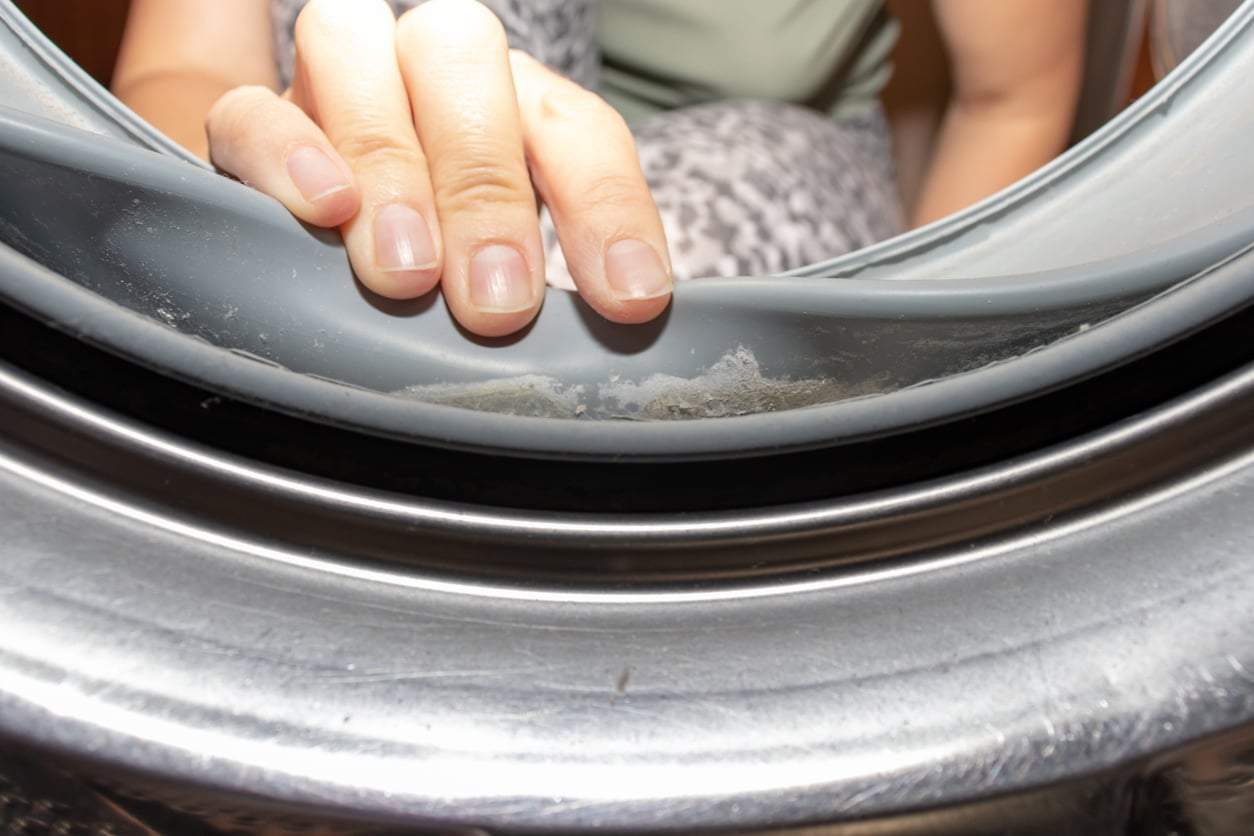
This is arguably the most neglected surface in the entire kitchen. The folds of the rubber gasket trap crumbs, dripped sauces, and sometimes even mold — because the seal sits in a damp, dark, enclosed environment that's practically ideal for bacteria. You open and close the fridge dozens of times a day, so your hands brush against this surface constantly, yet it rarely makes the cleaning checklist.
All you need to clean it is a soft brush or a cotton pad with mildly soapy water — just work your way through the folds carefully. Crucially, dry it thoroughly afterward, because trapped moisture accelerates deterioration and encourages mold growth. Keeping the gasket clean also matters for practical reasons: a well-maintained seal keeps the fridge door closing properly, which has a direct impact on your energy consumption.
Once these three spots become part of your weekly or monthly routine, your kitchen won't just look immaculate on the surface — it will be genuinely clean in all the places where hands instinctively land.
How often should I clean cabinet handles?
Once a week is ideal for a quick scrub with a toothbrush and soapy water, especially on the undersides and around the screws where grease and grime build up the most.
How do I clean a range hood grease filter?
Remove the filter and soak it in hot water with dish soap for 15–20 minutes, then rinse thoroughly. Doing this monthly keeps the hood working efficiently and prevents lingering cooking odors.
Can a dirty fridge door seal affect energy bills?
Yes. A damaged or grimy rubber gasket can prevent the fridge door from sealing properly, causing the appliance to work harder and use more energy. Regular cleaning helps maintain a good seal and keeps running costs down.
What's the best way to remove mold from a fridge door seal?
A soft brush or cotton pad with mildly soapy water works well for regular cleaning. Always dry the gasket thoroughly after cleaning, as leftover moisture is one of the main causes of mold growth in the folds.