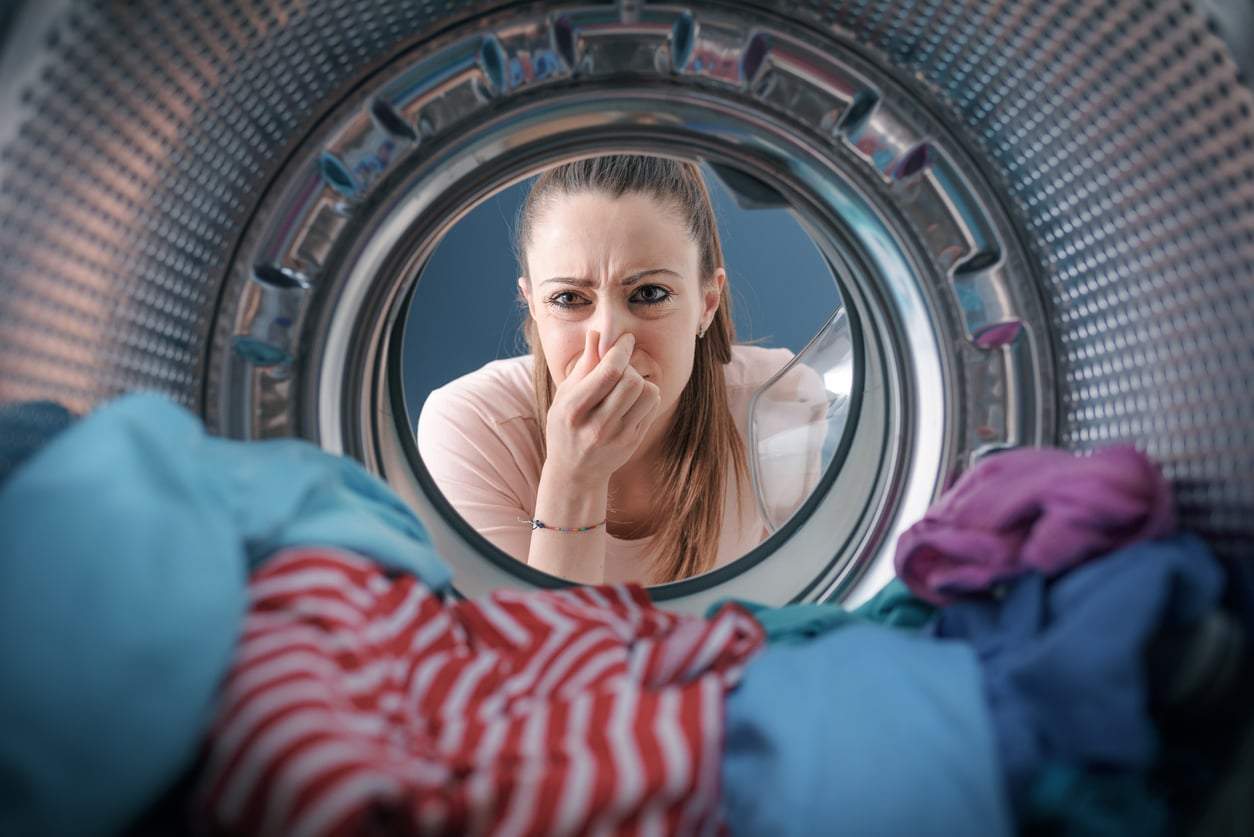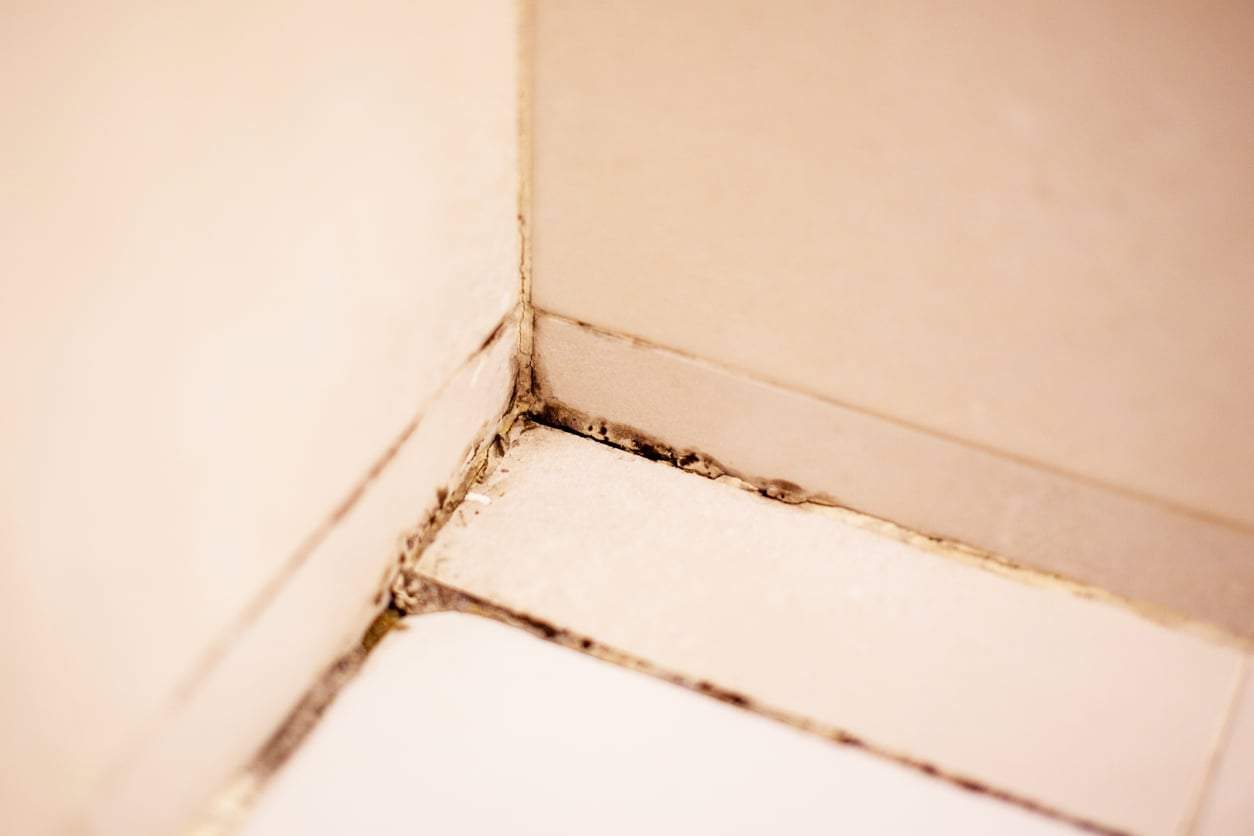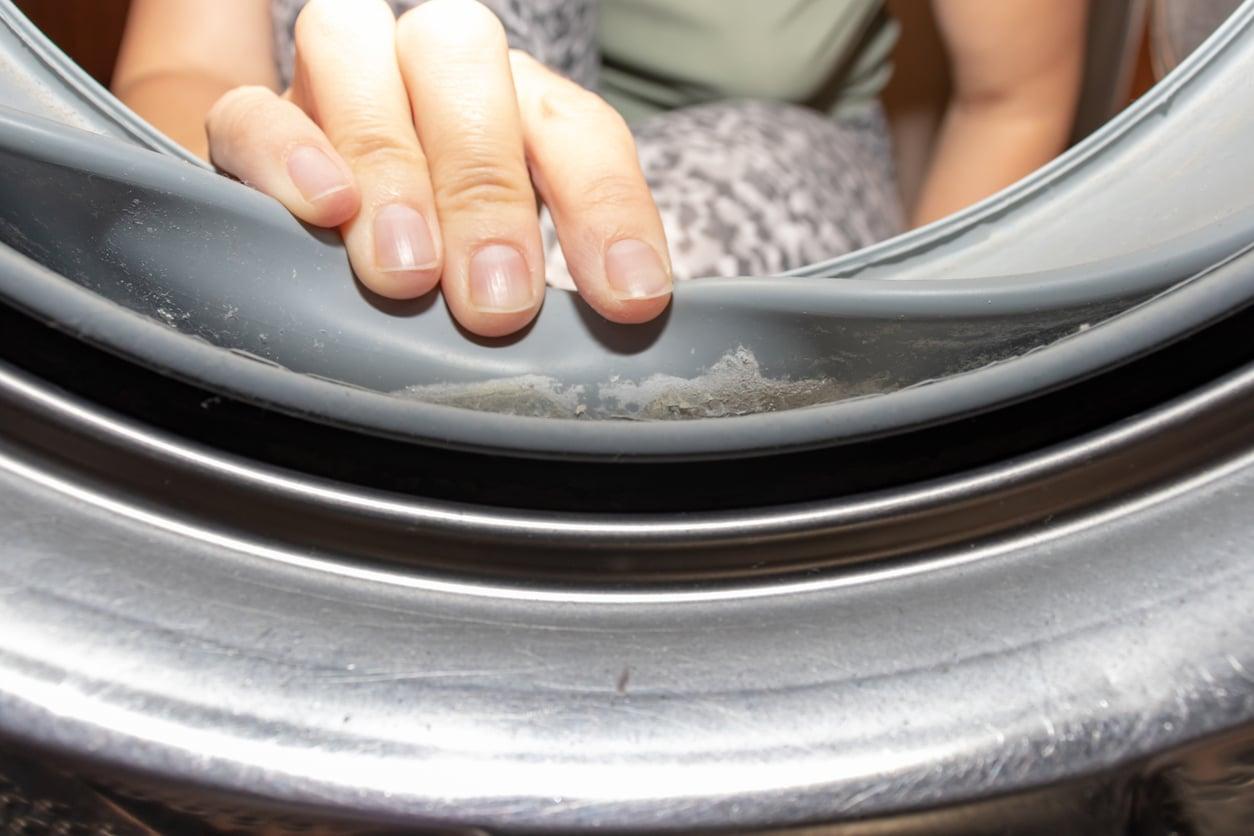
Black spots creeping across the rubber seal. A musty, damp smell every time you open the door. If this sounds familiar, you're not alone — the rubber gasket on a front-loading washing machine is one of the most mold-prone spots in the entire home. The good news? A simple cleaning routine can tackle it fast, and a few easy habits will stop it from coming back.
Why does mold grow on the washing machine seal?
The folds of the rubber gasket are a perfect hiding place for detergent residue, lint, and trapped moisture. Every wash cycle leaves behind a little water, and if you close the machine door right after a cycle, that moisture has nowhere to go. Over time, the warm, damp environment becomes an ideal breeding ground for mold — and that's where the musty smell comes from too.
What you'll need
- White distilled vinegar
- An old toothbrush (soft or medium bristles)
- Clean cloths — one damp, one dry
- Rubber gloves
How to clean the rubber seal with vinegar
Start by switching off the washing machine. Then gently pull back the folds of the gasket and inspect the full surface — black spots tend to hide deepest in the creases, so take your time and check everywhere.
Dampen a cloth with a little white vinegar and wipe down all the affected areas. For the hard-to-reach folds, dip an old toothbrush in vinegar and use it to loosen stubborn buildup. The bristles can get into spots a cloth simply can't reach.
Before you start, check your machine's manual. Some manufacturers advise against using acidic cleaners on rubber components, so it's worth a quick look to make sure vinegar is safe for your model.
Once you've cleaned the seal, wipe it down with a clean damp cloth to remove any vinegar residue, then dry the folds thoroughly with a dry cloth. Leaving moisture behind defeats the purpose of the whole exercise.
Keep in mind that vinegar won't guarantee complete mold removal. If the black staining has deeply penetrated the rubber, some discoloration may remain even after a thorough clean.
How to prevent mold from coming back
Cleaning the seal once is a great start — but if the conditions that caused the mold don't change, it will return. These simple habits make a real difference:
- Leave the door ajar after every wash so the drum and seal can dry out completely.
- Wipe the gasket folds dry if water is sitting in them after a cycle.
- Clean the detergent drawer regularly — residue builds up there too.
- Run a drum-clean or maintenance cycle periodically, following your manufacturer's guidance.
- Don't use more detergent than necessary — excess detergent leaves deposits that feed mold growth.
What if the musty smell won't go away?
If the smell persists even after cleaning the seal, the source may be elsewhere. Mold and grime can also build up inside the drum, in the detergent drawer, or around the filter. In that case, a more thorough full-machine clean is the next step.
If the black staining is deeply embedded in the rubber, or if the gasket looks cracked or damaged, it may be time to call in a technician to assess whether the seal needs replacing.
The real secret to a clean, fresh-smelling washing machine isn't just regular cleaning — it's eliminating moisture. Give your machine a chance to dry out after every cycle, and mold won't stand a chance.
Can I use vinegar to clean my washing machine seal?
In most cases, yes — white distilled vinegar is an effective and affordable option for breaking down mold and detergent residue on rubber seals. However, always check your machine's manual first, as some manufacturers advise against acidic cleaners on rubber parts.
Why does my washing machine still smell after cleaning?
If the musty odor returns after cleaning the seal, the buildup may also be present in the drum, detergent drawer, or filter. A full machine clean — including a hot maintenance cycle — is usually the most effective solution.
How often should I clean the washing machine door seal?
Wiping down the gasket after every few washes is ideal. A deeper clean with vinegar or a specialist cleaner once a month can help keep mold and odors from developing in the first place.
Does leaving the washing machine door open really help?
Yes — it's one of the simplest and most effective prevention steps. Leaving the door slightly ajar after a cycle allows moisture to evaporate from the drum and seal, removing the damp conditions that mold needs to grow.