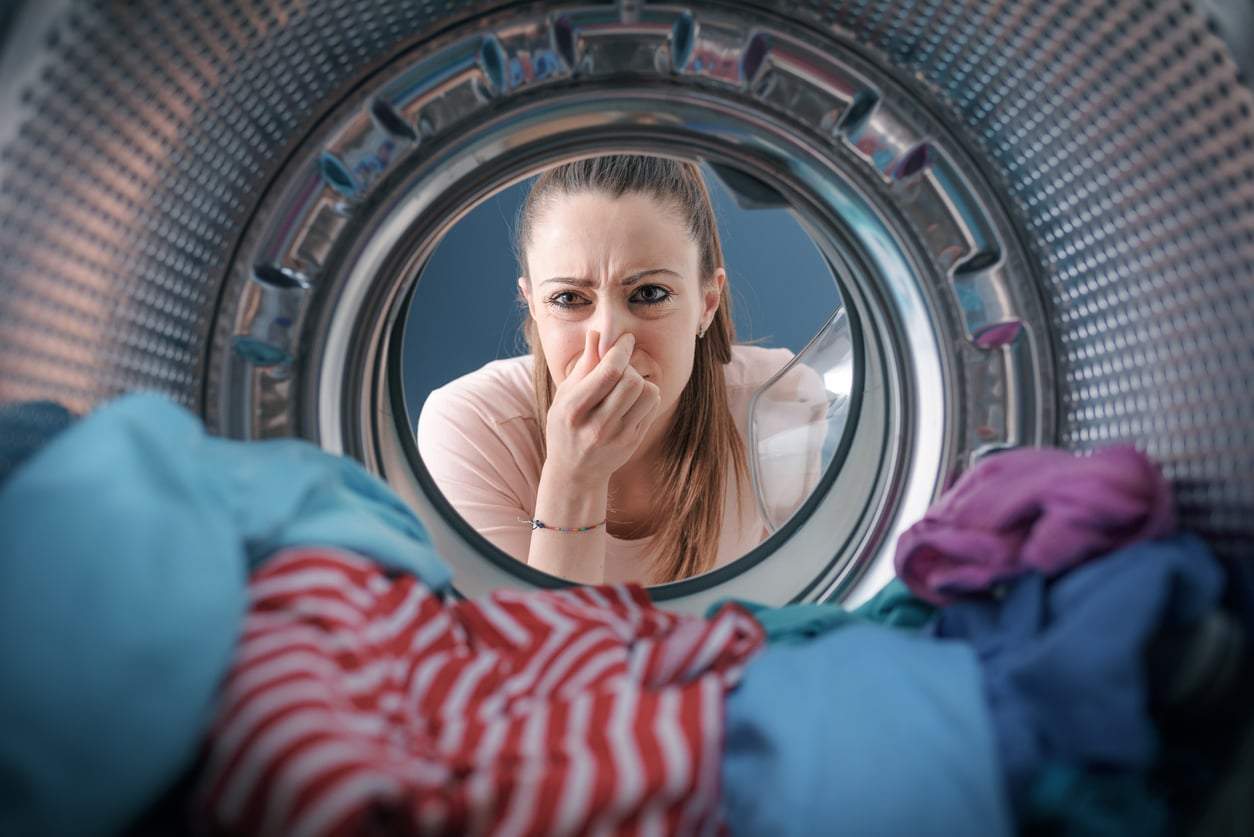
You've scrubbed the bathroom, taken out the trash, and checked the fridge — but that stale, musty smell just won't leave. Sound familiar? Before you reach for another air freshener, check something most people never think to look at: a drain that hasn't been used in a while.
Why a forgotten drain can make your whole home smell
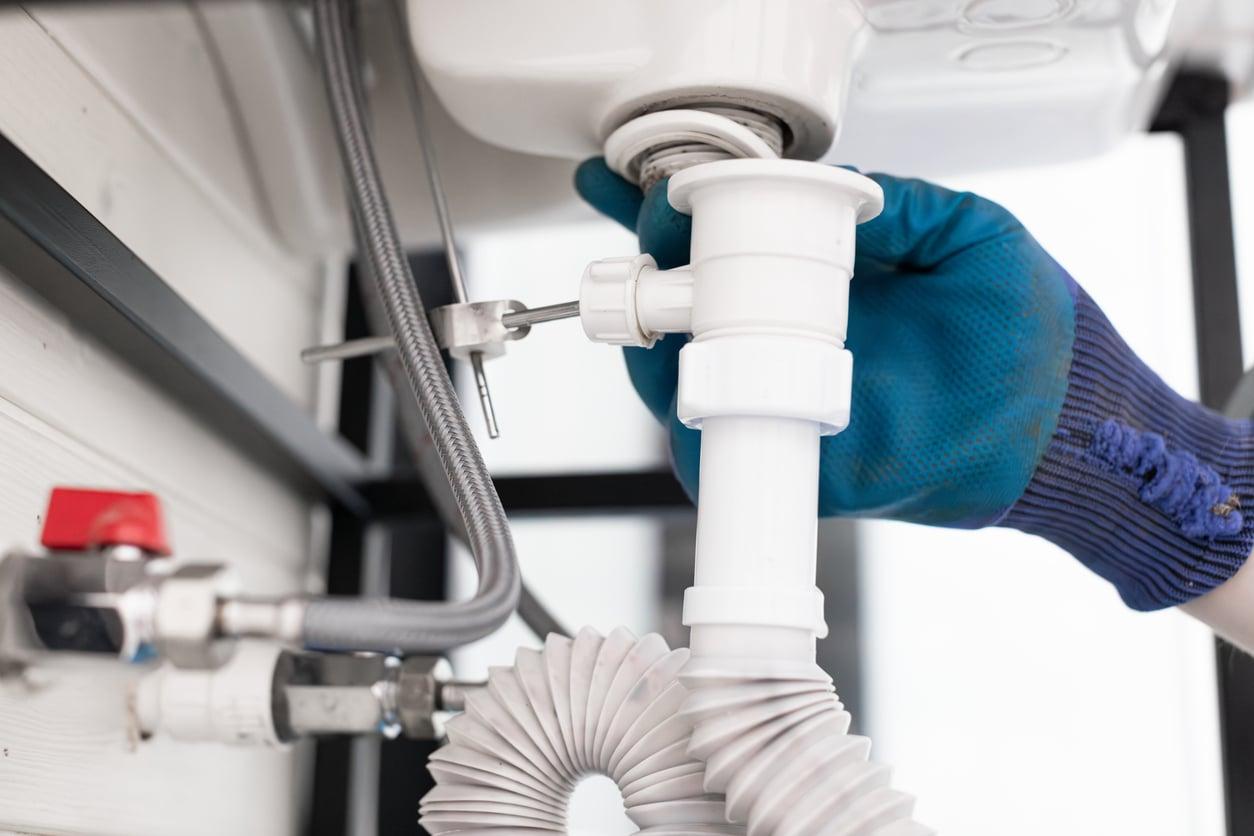
Every drain in your home has a P-trap — a small curved section of pipe that holds a pocket of water. That water acts as a seal, blocking sewer gases from rising up into your living space. It's a simple but brilliant bit of plumbing design.
The problem? If a drain sits unused for several weeks, that water slowly evaporates. Once the trap dries out, there's nothing standing between your home and the sewer system beneath it. The result is that unmistakable damp, rotten odor that no amount of cleaning seems to fix.
When cleaning doesn't solve anything
This is one of the most frustrating household mysteries: you deep-clean the bathroom from top to bottom, use disinfectant, open all the windows — and a few hours later, the smell is back. That's a telltale sign the issue isn't dirt or grime. It's a dried-out P-trap.
Cleaning products tackle surface contamination. They can't stop sewer gases that are already flowing freely up through an empty drain. No matter how much you scrub, the smell will keep coming back until the trap is refilled.
If you're also dealing with musty odors in other parts of your home, it's worth taking a broader look at your cleaning routine — some hidden spots are easy to overlook.
Where to look first
Dried P-traps tend to appear in spots where water rarely flows. Check these areas if you're chasing a mysterious smell:
- The shower or sink drain in a guest bathroom that barely gets used
- A floor drain in the laundry room or basement
- Balcony or patio rainwater drains
- Sinks in a vacation home, garage, or workshop
- A backup drain next to the washing machine that hasn't been connected in a long time
If the smell is strongest in or near one of these spots, there's a very good chance you've found your culprit.
A simple test you can do right now
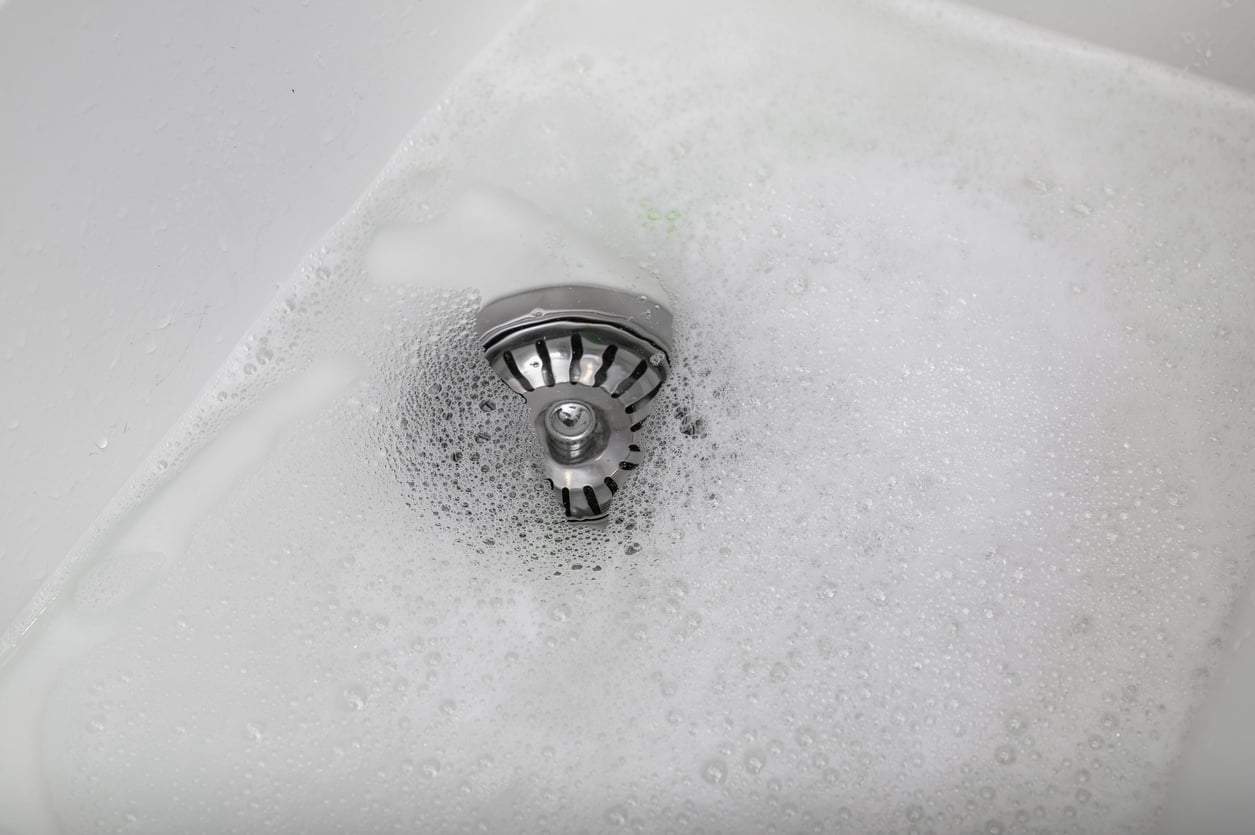
You don't need a plumber to confirm your suspicion. Just slowly pour about two cups of water down the suspect drain and wait a few minutes. If the odor noticeably fades or disappears, a dried P-trap was almost certainly the source. Refilling it with water re-establishes the seal and blocks the sewer gases immediately.
The fix is surprisingly easy
Once you know what's causing the problem, the solution is simple. Pour a glass of water down any rarely used drain every few weeks to keep the trap filled. If your home has been empty for a while — after a vacation or a long trip — make a habit of running water through every drain before you settle back in.
For drains in spaces that are very hard to get to regularly, add a small splash of cooking oil on top of the water. The oil floats on the surface and slows evaporation, keeping the trap sealed for much longer.
Other hidden spots worth checking
A dried P-trap is the most common hidden cause, but it's not the only one. If the smell seems to come from multiple directions, these spots are also worth inspecting:
- The rubber door gasket and detergent drawer of your washing machine, where moisture and mold easily build up
- Roller shutter housings, which rarely get any airflow and are prone to dampness
- The filter in your air conditioner or range hood, if it hasn't been cleaned in months — learn more about keeping your extractor fan working properly
- The narrow gap between furniture and the wall, where air doesn't circulate properly
Any of these can produce a stale smell on their own — but they often combine with drain issues to make the problem much worse.
When to call a plumber
If you've refilled all the drains and the smell persists — or gets stronger — something more serious may be going on. A P-trap can fail, shift out of position, or a drain pipe can develop a crack. At that point, regular rinsing won't cut it. A licensed plumber can pinpoint exactly where the fault is and fix it properly before it causes further damage.
Why does my home still smell after cleaning?
If the odor returns a few hours after cleaning, it's likely coming from a dried P-trap in a rarely used drain rather than surface dirt. Cleaning products can't stop sewer gases from rising through an empty trap.
How often should I run water through unused drains?
Every two to three weeks is usually enough to keep P-traps filled and sealed. If a space will be unoccupied for longer, add a splash of cooking oil on top of the water to slow evaporation.
Which drains are most likely to dry out?
Guest bathroom drains, basement or laundry room floor drains, balcony drains, and sinks in garages or workshops are the most common culprits — anywhere water doesn't flow regularly.
Can a dried P-trap be harmful?
The sewer gases that enter through a dried trap — including hydrogen sulfide — can be unpleasant and, in poorly ventilated spaces, potentially irritating. Refilling the trap promptly is the simplest way to eliminate the risk.
When should I call a plumber instead of fixing it myself?
If the smell remains strong even after refilling all the drains, or if it worsens over time, a P-trap may be broken or a pipe may be cracked. In that case, a professional inspection is the right next step.