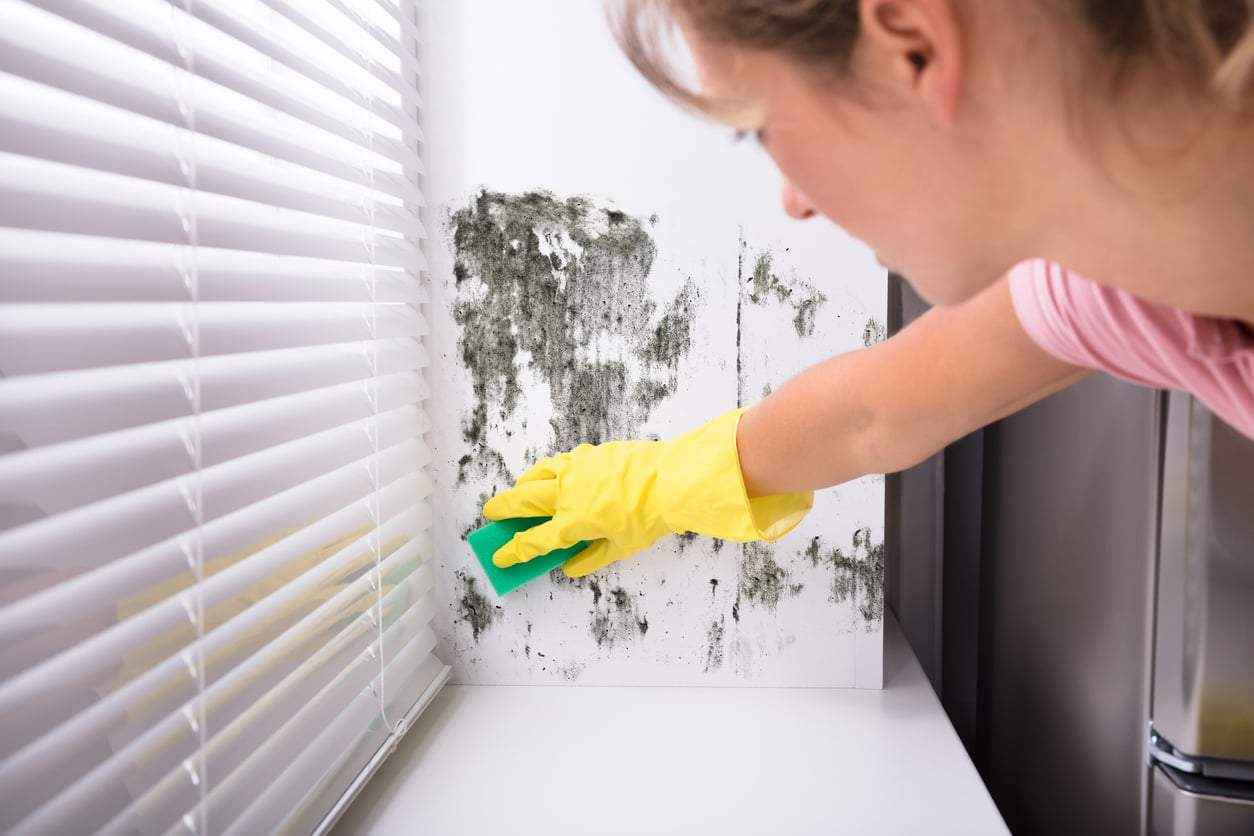
Your air conditioner keeps you cool all summer, but there's a good chance something unpleasant is growing inside it right now. In one hidden spot, out of sight and rarely cleaned, black mold can quietly take hold, and it can trigger real health problems for you and your family.
The good news? Once you know where to look, you can tackle it yourself in an afternoon. Here's what to check and how to clean it safely.
The most overlooked danger inside your AC
An air conditioner is a fantastic way to beat the summer heat, but it needs regular attention so that dangerous mold doesn't get the chance to grow.
It takes surprisingly little neglect for black mold to settle in, and once it does, it can cause serious health issues, from persistent coughing to allergy-like symptoms that never seem to clear up.
Why mold grows inside an air conditioner in the first place
By the very nature of how it works, an air conditioner produces a lot of moisture. When that moisture isn't drained away properly, it becomes the perfect breeding ground for mold spores.
The fins and the drip tray are especially vulnerable, since that's where moisture tends to collect and linger.
These are the parts most people never think to check, which is exactly why they turn into hot spots for mold. If your home has been feeling stuffy or you've noticed a musty smell when the AC kicks on, this is often the culprit.
How to clean it safely at home
You don't need special training to handle a basic clean-up. Just follow these steps carefully and in order.
- Switch it off and unplug it: Before you touch anything, make sure the unit is turned off and completely disconnected from power.
- Remove the air filter: The air filter is easy to reach. Wash it in warm, soapy water if needed, then let it dry completely before putting it back.
- Use a dedicated cleaner: To clean the fins and the drip tray, use a mold-removal spray made specifically for air conditioners. Spray the surfaces, then wipe them down with a damp cloth.
- Keep up with maintenance: Have your AC professionally inspected once or twice a year. Technicians can remove mold more thoroughly and more safely than you can with household tools.
When it's time to call a professional
If the smell of mold is strong throughout your home, or if it doesn't go away even after you've cleaned, it's worth bringing in a specialist.
A professional AC cleaning reaches the deep, hidden areas that simply can't be accessed with everyday household tools, and gets rid of the problem at its source.
How do I know if there's mold in my air conditioner?
A strong or persistent musty smell when the unit runs is one of the clearest warning signs. Checking the fins and the drip tray, where moisture collects, can also reveal visible mold.
Can I clean the mold myself, or do I need a professional?
For a basic clean-up you can do it yourself: switch off and unplug the unit, wash the filter, and treat the fins and drip tray with a dedicated AC mold-removal spray. If the smell is strong or won't go away, it's best to call a specialist.
Why does mold keep coming back in my AC?
Air conditioners naturally produce a lot of moisture, and if it isn't drained away properly, mold spores keep finding the damp conditions they need to grow, especially in the fins and drip tray.
How often should I have my air conditioner serviced?
Aim for a professional inspection once or twice a year. Technicians can remove mold more thoroughly and safely, and reach areas you can't clean at home.