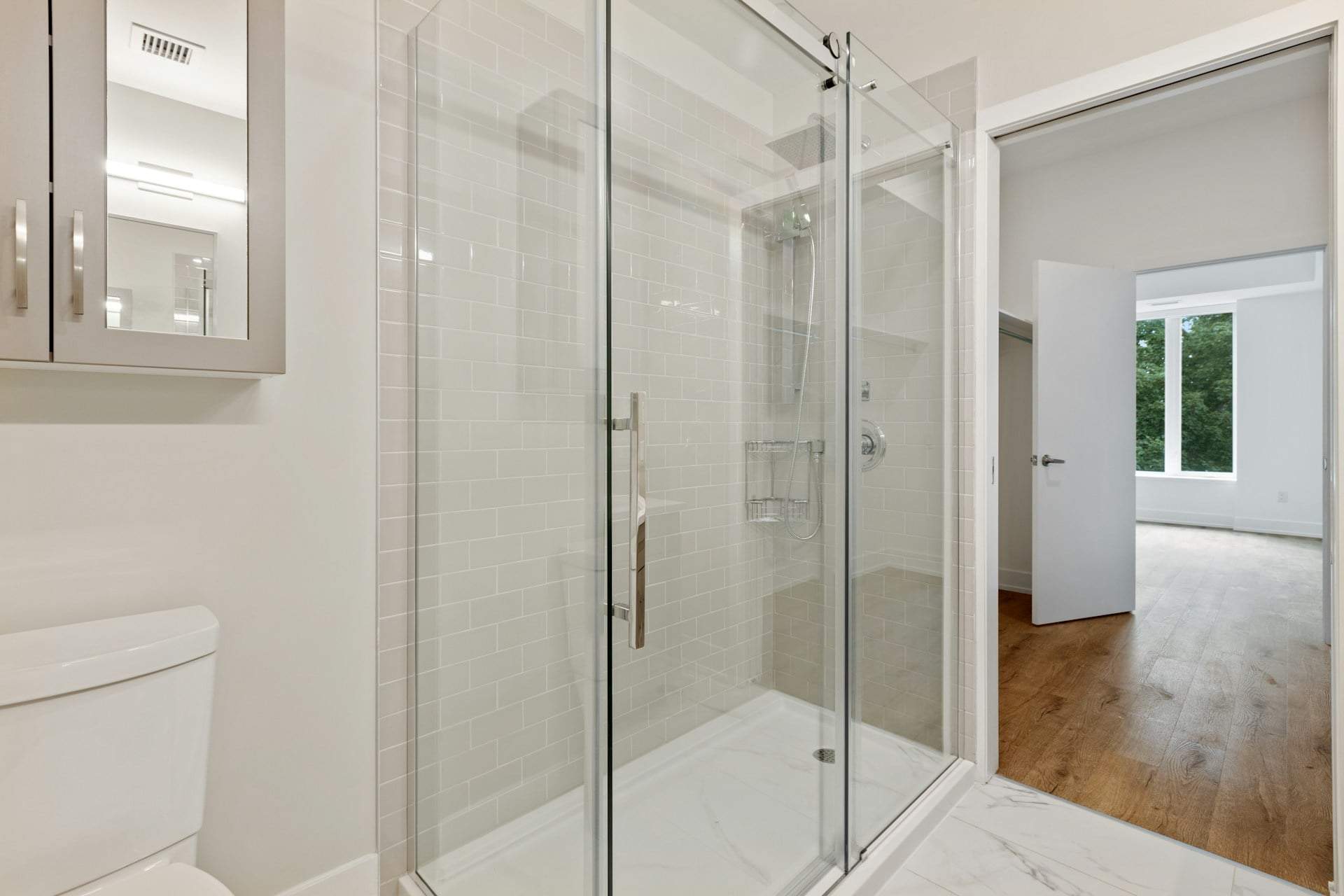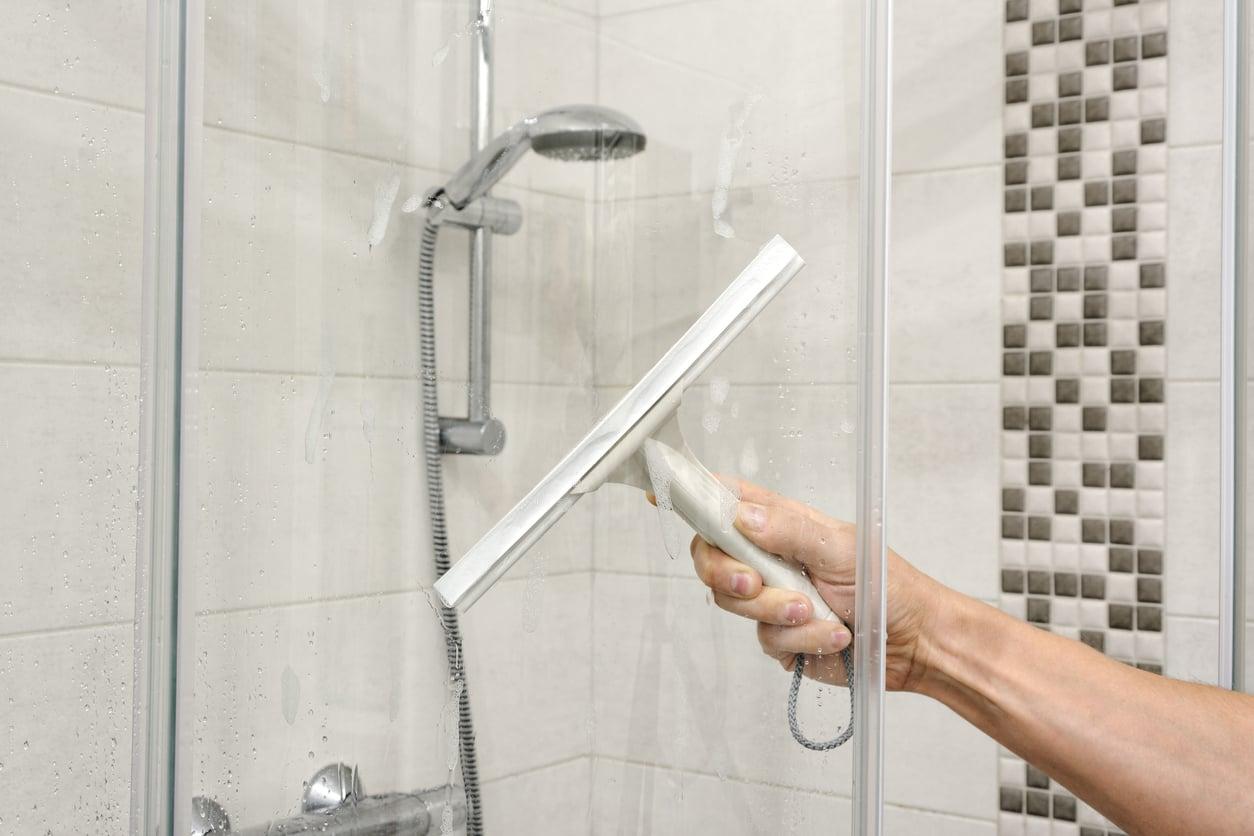
Shower glass might be the most thankless surface in the entire home. You wipe it down, and within days it's cloudy again — streaked with limescale, veiled in soap scum, looking like it hasn't seen a cloth in weeks. The fix, though, is probably already sitting in your kitchen: a lemon and a tablespoon of coarse salt.
This isn't a new trick. It's the kind of thing grandmothers knew by heart — until brightly colored bottles of scented chemicals took over the cleaning aisle and everyone forgot. But citric acid is a natural limescale dissolver, and salt acts as a gentle abrasive. Together, they tackle even stubborn buildup on glass and tiles without leaving your bathroom smelling like a swimming pool.
Why this two-ingredient combo actually works
Limescale and soap deposits are alkaline by nature. The citric acid in lemon attacks them from the opposite end of the pH scale, breaking down those chalky layers effectively. Meanwhile, the salt crystals gently scrub the surface without scratching — as long as you don't press too hard. The result is a pairing that genuinely cleans, not just one that smells like it does.
How to do it, step by step
- Cut a lemon in half and generously coat the cut side with coarse salt — about a tablespoon should do it.
- Hold the lemon by the rind and scrub the shower glass in circular motions, paying extra attention to the cloudiest, most built-up areas.
- Let it sit for a few minutes so the citric acid has time to work into the deposits.
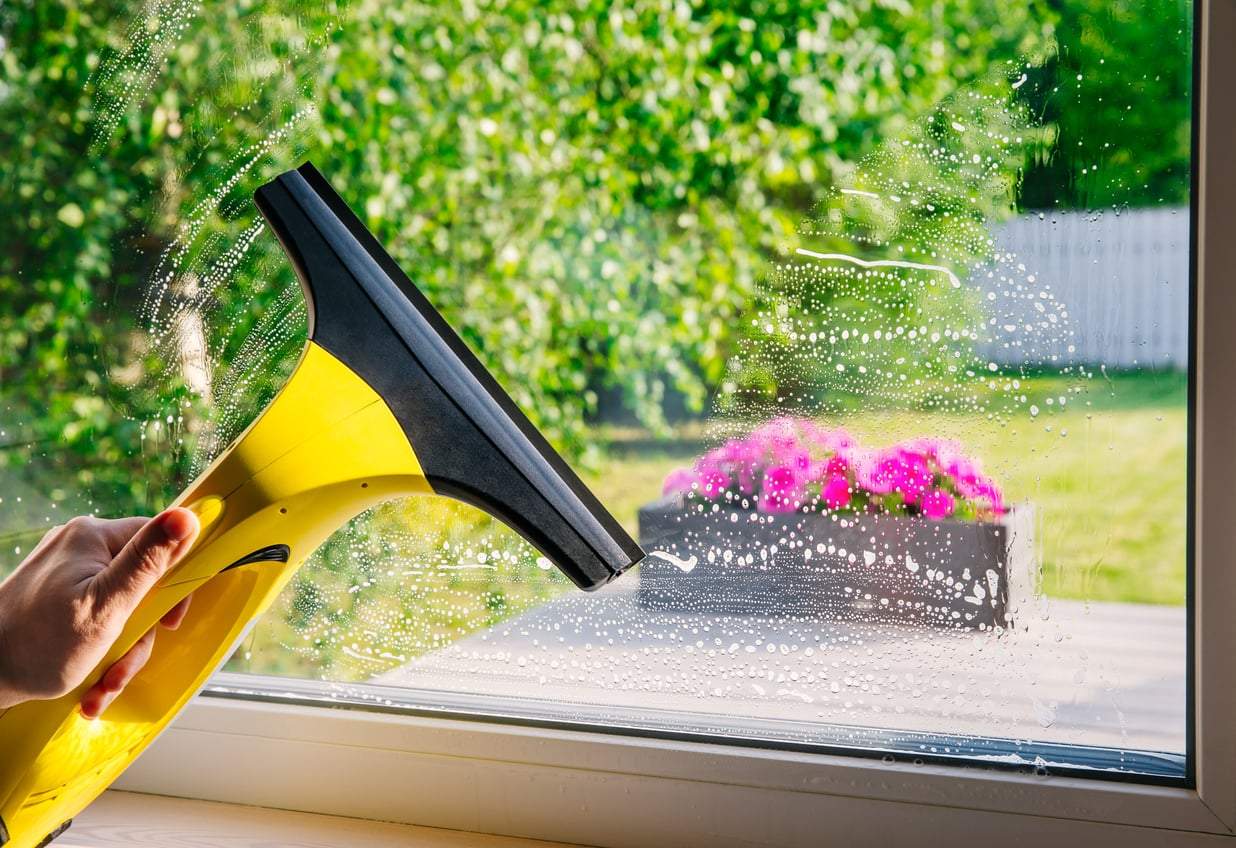
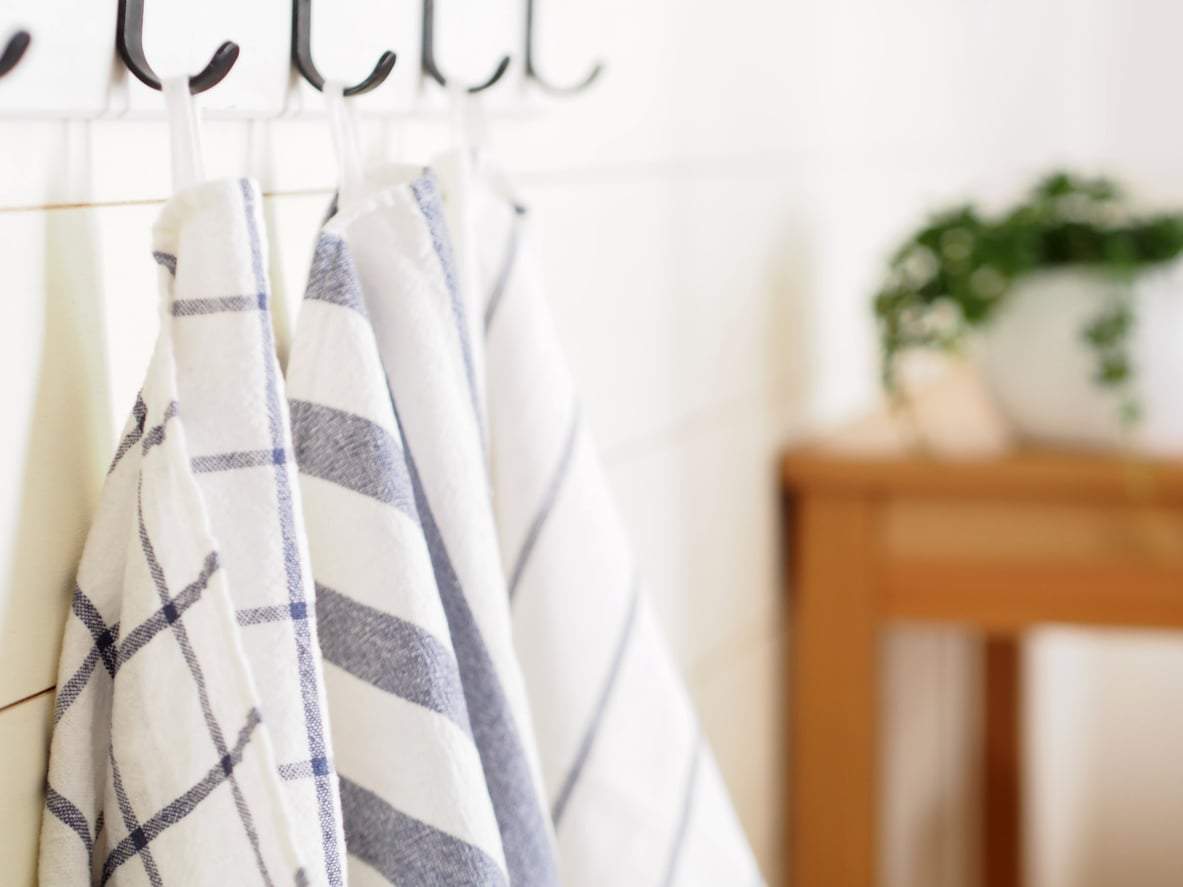
- Rinse thoroughly with lukewarm water, then dry with a microfiber cloth or an old cotton t-shirt to prevent new water marks.
- If the limescale is particularly stubborn, switch to the second lemon half — a squeezed-out piece of fruit has less acid left and won't be as effective.
A few things to keep in mind
Avoid pressing too hard while scrubbing. Salt, however fine, can leave tiny scratches on matte or coated glass surfaces if you apply excessive pressure over time. Be cautious on natural stone or marble tiles as well — prolonged acid contact can dull their finish. On standard glass and standard grouted tiles, though, this method is perfectly safe and can be used as often as once a week.
Make it even more effective
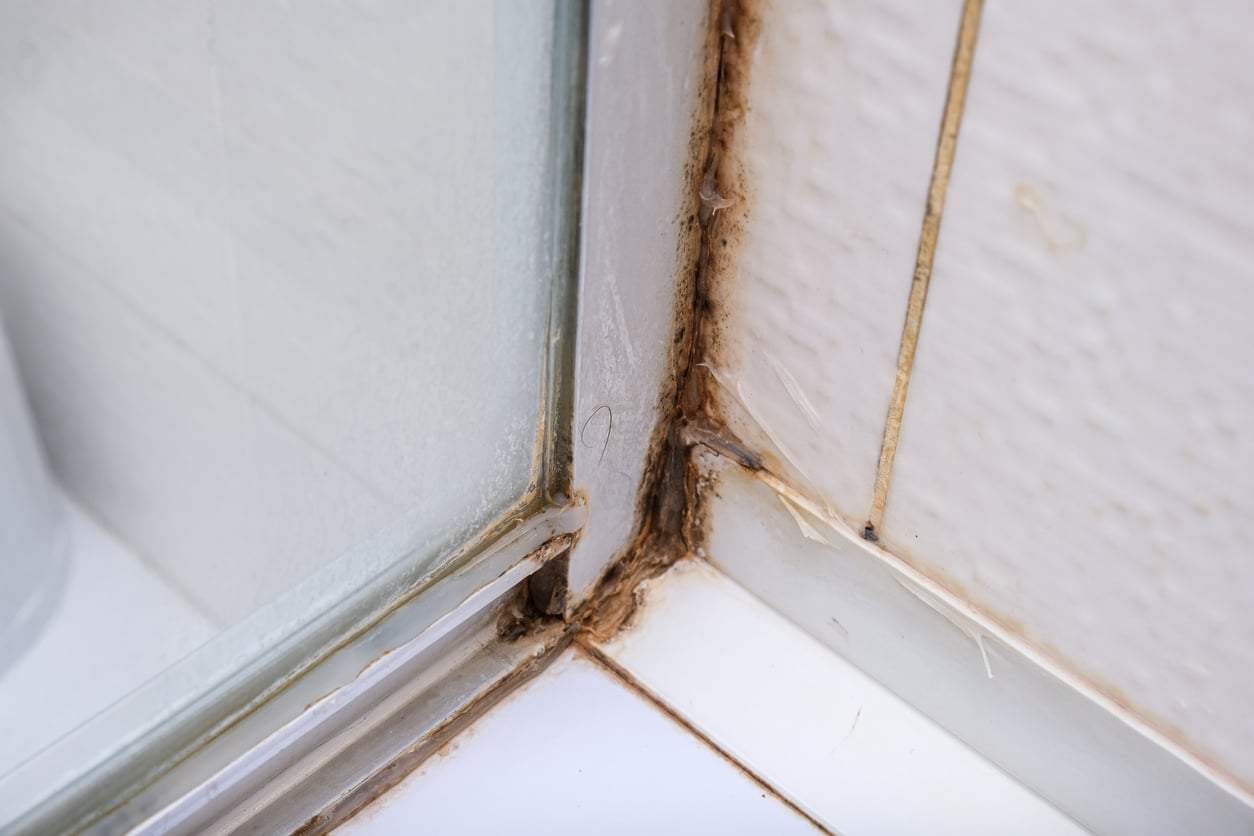
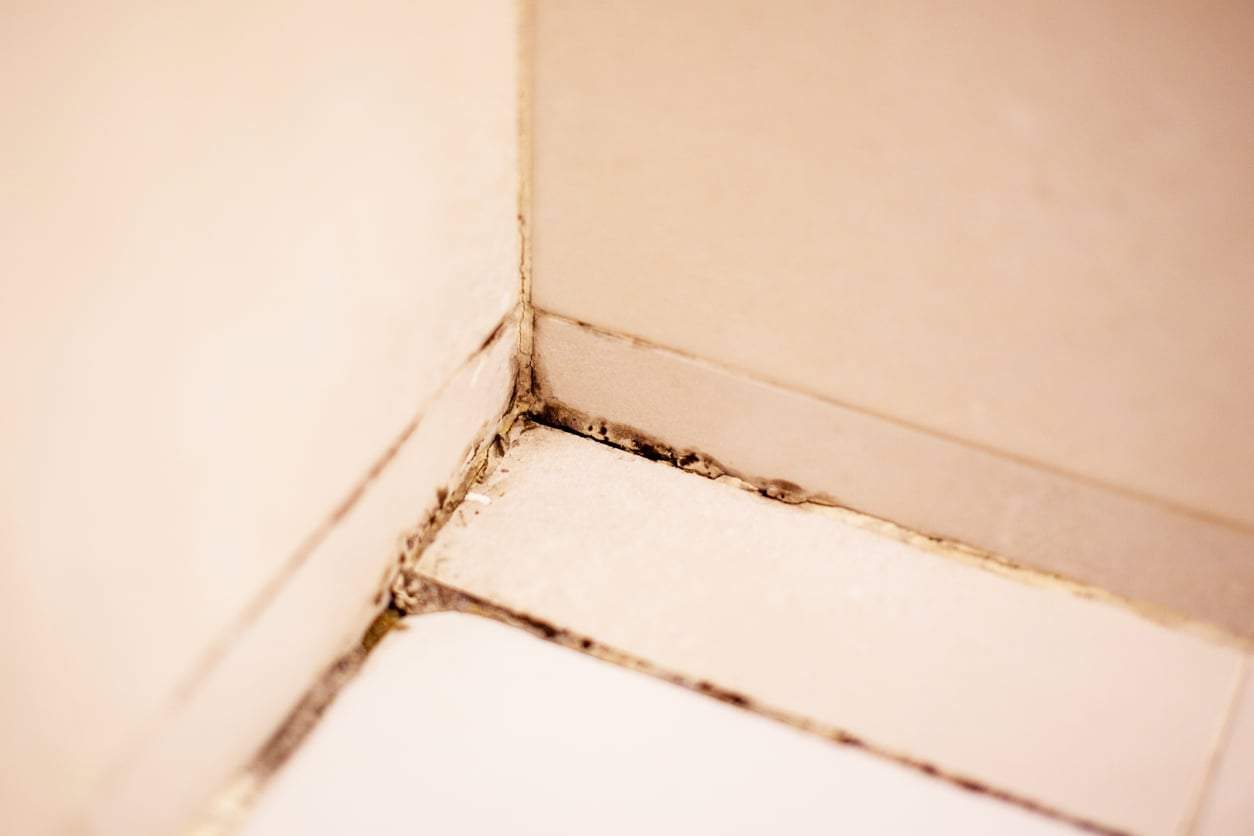
If limescale has crept into the corners of the shower, around the faucet, or into the silicone grout lines, follow up the lemon-and-salt scrub with a baking soda paste worked in with an old toothbrush. A quick rinse at the end and the whole bathroom feels fresher and cleaner — with a light citrus scent instead of harsh chemical fumes.
Why this beats a bottle of limescale spray
Beyond being far cheaper than a specialist limescale remover, lemon and salt are gentler on your skin and your airways — no fumes to inhale, no need to ventilate the room for twenty minutes after cleaning. And since both ingredients are almost always already at home, there's no last-minute dash to the store when you notice the cloudy glass right before guests arrive.
Frequently asked questions
Does this method work on tiles as well as glass?
Yes — lemon and salt work well on standard glazed tiles and grouted surfaces. Just avoid using it on natural stone or marble, as the acid can gradually dull those finishes.
How often should I clean the shower glass this way?
You can safely use this method once a week. Regular use helps prevent heavy buildup, making each clean quicker and easier than the last.
What if the limescale still won't budge after one treatment?
Switch to a fresh lemon half — a used piece of fruit has less citric acid and less scrubbing power. For very stubborn deposits in crevices, follow up with a baking soda paste and an old toothbrush as described above.
Is this safe to use if I have a coated or treated shower screen?
Use gentle pressure and avoid prolonged scrubbing on matte or specially coated glass surfaces, as the salt can cause micro-scratches. On standard clear glass, the method is safe for regular use.