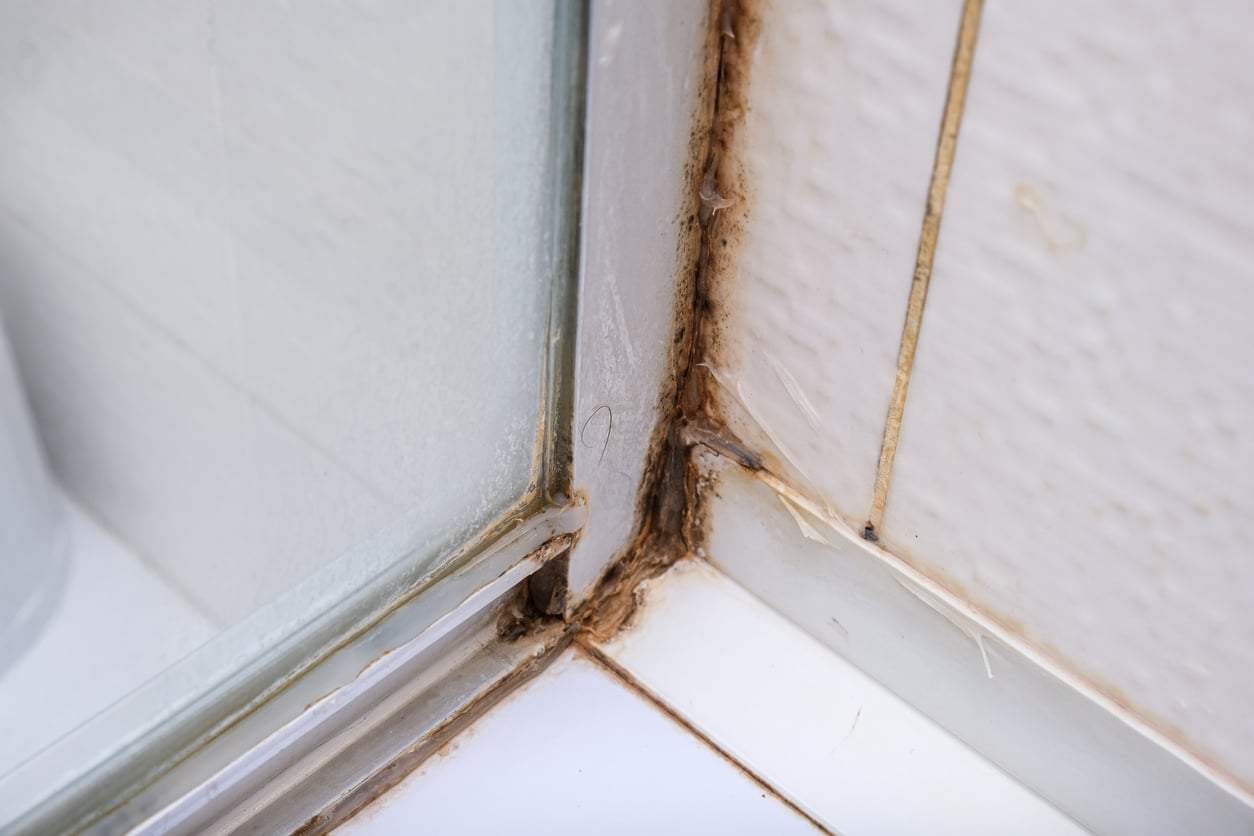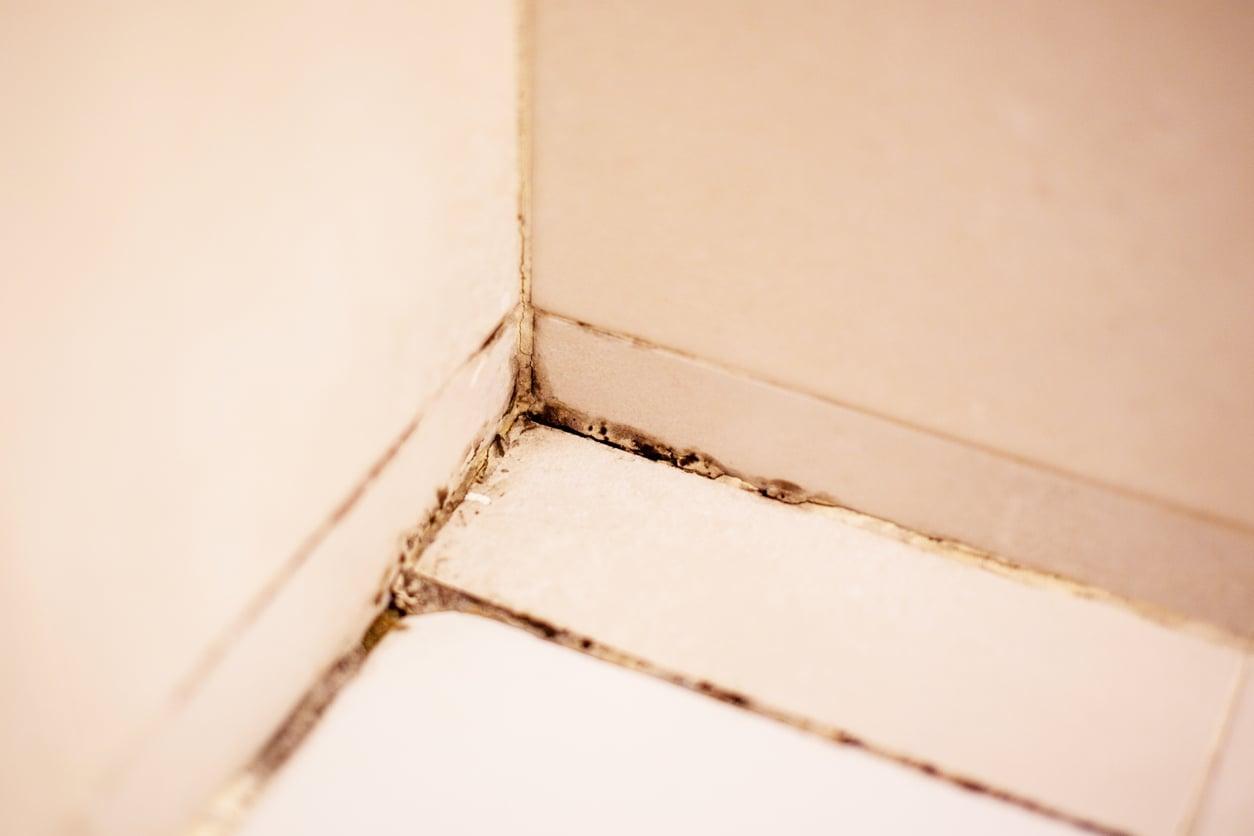
You step out of the shower, glance down at the tiles, and there they are: tiny black dots nestled into the grout lines, almost like they appeared overnight. The truth is, mold has been quietly settling into that porous surface for weeks — and by the time you notice it, it's already dug in deep.
Why grout is mold's favorite hiding spot
The bathroom is one of the best environments mold could ever ask for: constant humidity, warmth, and a rough, porous grout surface where moisture can linger for days. You can easily wipe water droplets off smooth tiles, but the moisture that seeps into grout lines stays put — and that's exactly the window fungal spores need to take hold.
Poor ventilation makes everything worse. If your bathroom has no window, or the exhaust fan rarely runs, the air stays stagnant and moisture clings to walls and tile joints for weeks at a time.
The cheap home remedy that actually works
You don't need an expensive chemical grout cleaner to get rid of those black spots. Chances are you already have everything you need in your kitchen: baking soda and household hydrogen peroxide. Mixed together, they form a thick white paste that clings to the grout surface instead of running straight off like a liquid cleaner would.
The baking soda's mild alkalinity loosens dirt and mold residue, while the hydrogen peroxide bleaches the stain — so the grout doesn't just get clean, it actually goes white again.
Step-by-step guide
- Mix about four tablespoons of baking soda with enough hydrogen peroxide to form a thick, toothpaste-like paste.
- Using an old toothbrush or small scrubbing brush, apply the mixture directly onto the black spots, keeping the paste along the grout lines.
- Leave it to work for at least 20 to 30 minutes — long enough to penetrate the stains, but not so long that it dries out completely.
- Then, using light scrubbing motions, work over the grout with the same brush, focusing on the stained areas.
- Rinse thoroughly with lukewarm water, then wipe the surface dry with a clean cloth so no moisture is left behind.
For stubborn, deeply set stains, you can repeat the process the next day — but even after a single treatment, the difference is usually striking.
What you should never mix together
Hydrogen peroxide and baking soda are a safe combination, but never mix chlorine-based cleaners with any other chemicals — especially anything containing ammonia, as the combination can produce harmful gases. If you do want to use a bleach-based product as a follow-up, rinse and fully dry the grout first, and make sure the bathroom is well ventilated throughout.
How to stop the black spots from coming back
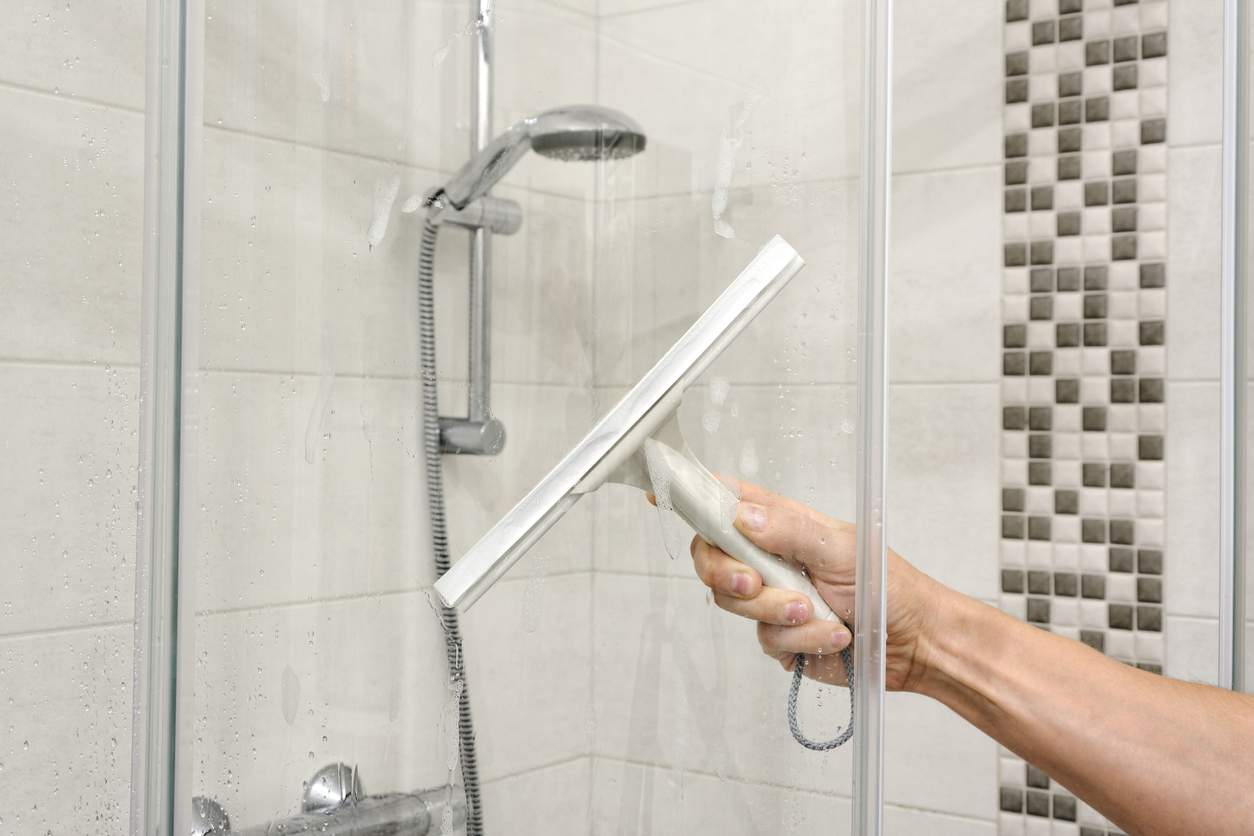
Once the grout is clean, the key is making sure moisture never gets a chance to settle in again. After every shower, take a dry cloth and quickly wipe down the tiles and grout lines. Leave the exhaust fan running for an extra 10 to 15 minutes until the steam clears. Applying a thin coat of silicone-based grout sealer is also well worth it — it closes up the pores so water can't seep back in.
A quick weekly scrub with a baking soda and water solution is all it takes to keep grout in good shape, so you never have to tackle a black-spot problem like this one again.
Does this method work on colored grout?
Hydrogen peroxide has a mild bleaching effect, so it's best used on white or light-colored grout. On darker grout, test a small, hidden area first to make sure it doesn't cause discoloration.
How often should I clean bathroom grout?
A light weekly scrub with baking soda and water is enough to prevent buildup. A deeper treatment with the baking soda and hydrogen peroxide paste can be done once a month, or whenever you notice early signs of discoloration.
Is it worth sealing grout after cleaning?
Yes — applying a grout sealer after a thorough clean is one of the most effective ways to keep mold from returning. It closes the porous surface so moisture and spores can't penetrate as easily.
Can I use this method in the shower as well as around the sink?
Absolutely. The baking soda and hydrogen peroxide paste works on any grout surface in the bathroom, including around the sink, bathtub, and on floor tiles where moisture tends to collect.