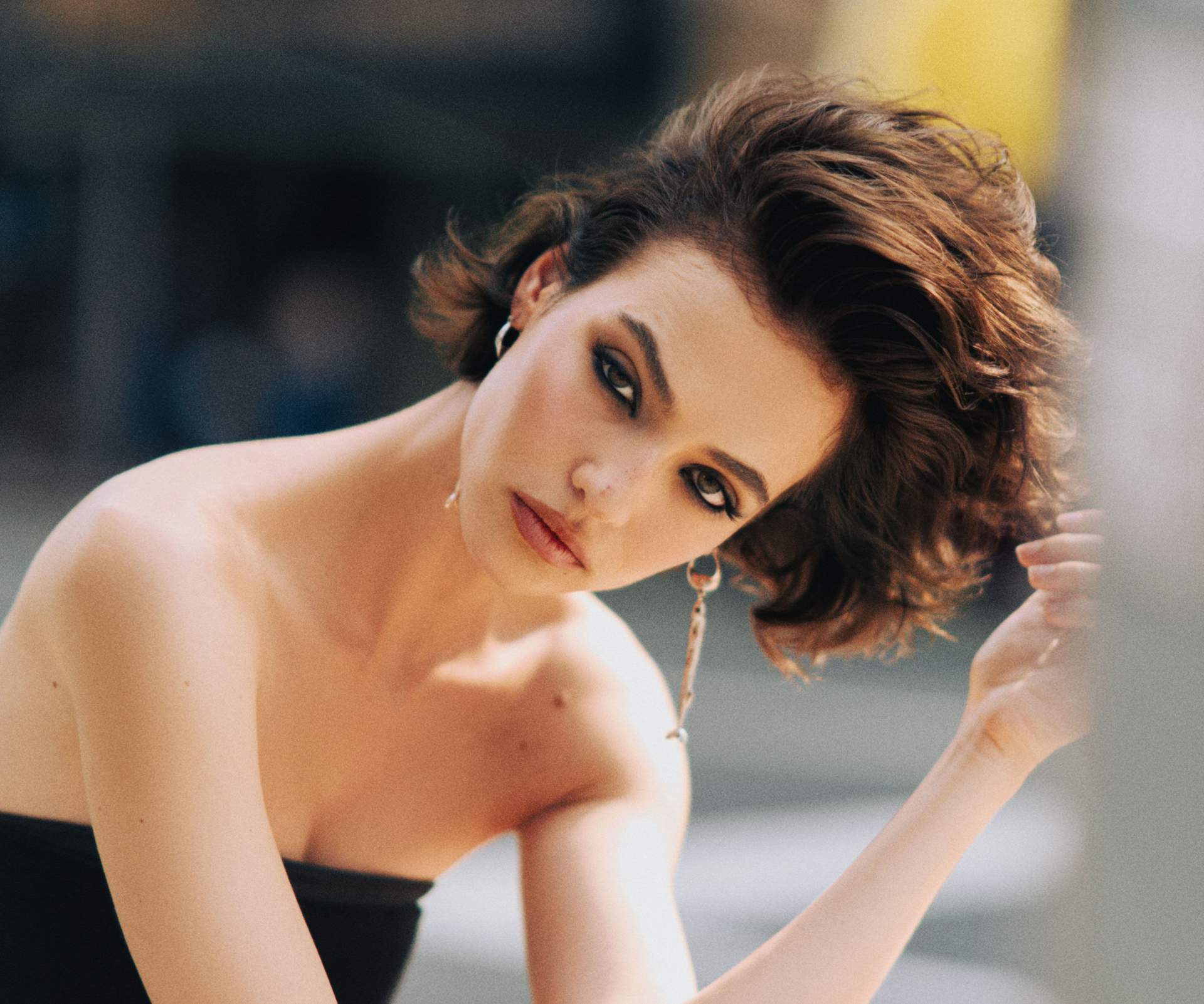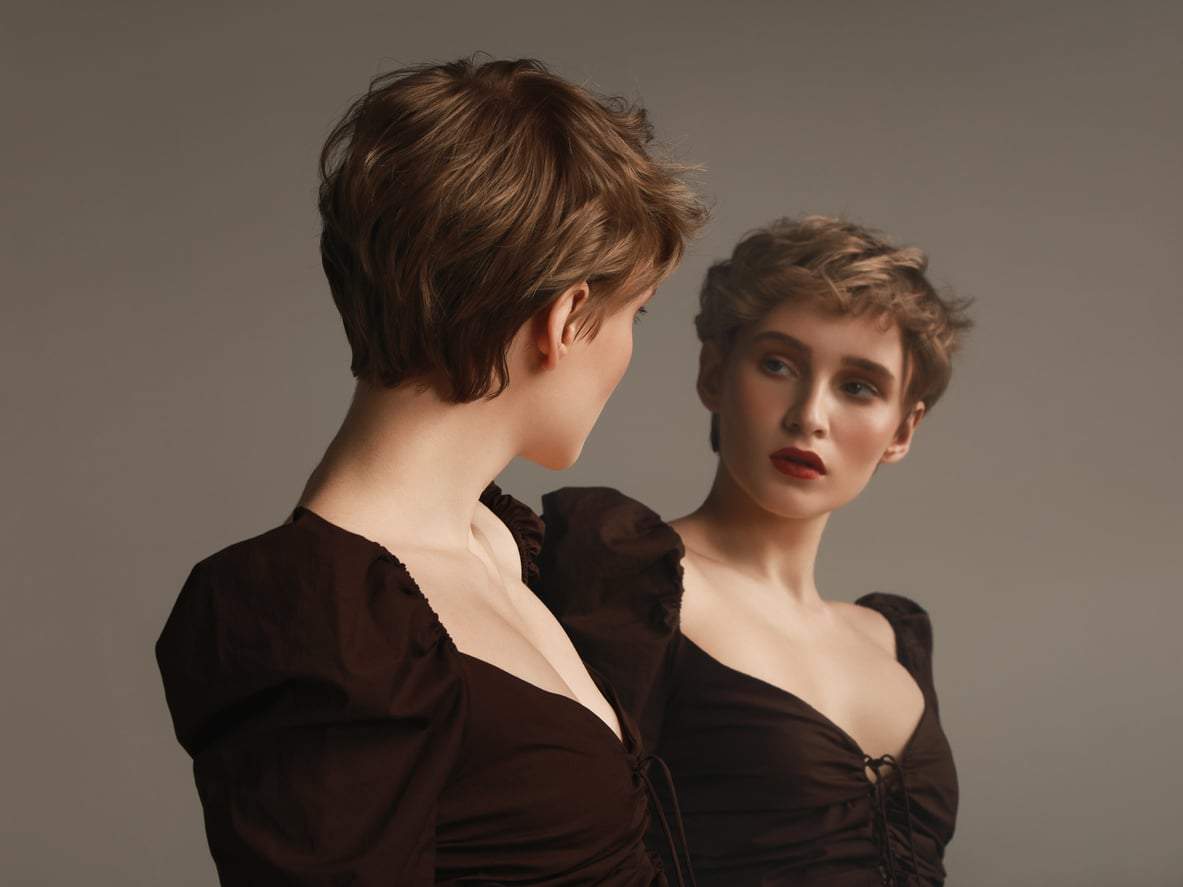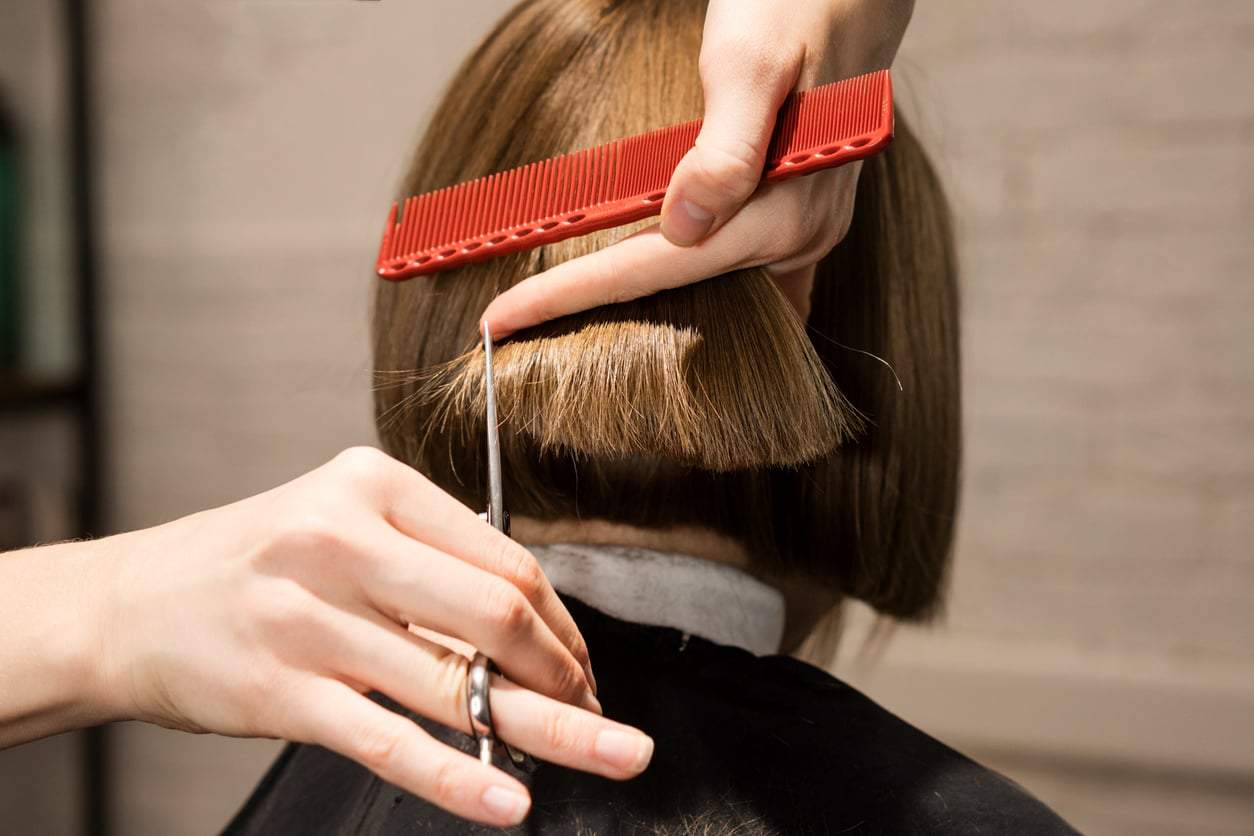
Every few years the salon vocabulary resets, and this season the phrase circulating in every consultation is liquid layers. It sounds like marketing, and partly it is — but underneath the name there is a genuine, useful idea: layers cut so softly that you cannot see where one ends and the next begins, so the hair moves in one glossy sheet rather than in tiers.
It is a nineties revival with the harsh edges removed. The famous cuts of that decade were built on visible steps and heavy internal texture. The current version keeps the swing and the face-framing and throws away the shelf, which is exactly why it is landing with women who have no interest in a haircut that needs forty minutes of styling to look intentional.
What makes a layer "liquid" rather than choppy
Three things. The layers start long — usually below the chin, often at collarbone level — so the top of the cut stays dense and the movement happens where your hair naturally bends. The sections are blended vertically rather than cut in horizontal steps, so there is no line. And the ends are kept relatively blunt, because thinned, feathered ends look wispy rather than fluid.
The result is a shape that reads as "good hair" rather than as a haircut. It grows out gracefully too, which is the real argument for it. A blunt bob announces every centimetre of growth; seamless layers just get slightly longer.
Who it flatters — and where to be careful
Straight and gently wavy hair from shoulder length down is the natural home for this cut. If your hair is thick and heavy, long internal layers remove weight without giving you the triangle silhouette that shorter layering creates.
Fine hair can absolutely wear it, but the layers need to be fewer, longer and concentrated around the face rather than distributed through the whole head — otherwise the perimeter thins out and the ends look sparse. If you have curls or tight waves, ask for the same principle applied dry and curl by curl, rather than a wet layering technique that will spring up shorter than you expect.
One honest caveat: if you are growing out a fringe or a shorter cut, this shape can help disguise the awkward stage, but it cannot invent length you do not have. On hair above the shoulders, the same idea works better as soft face-framing pieces than as all-over layers.
How to ask for it without ending up with the wrong nineties cut
Bring two photographs — one from the front, one showing the back or the movement — and say what you want in plain terms rather than trend words. Something like: long, seamless layers starting below the chin, blended so there is no visible shelf, ends kept strong, face-framing pieces that connect into the rest.
Then add the sentence that saves most consultations: tell your stylist how you actually dry your hair. If you air-dry and touch nothing, you need a cut that behaves without heat, which usually means fewer, longer layers. If you blow-dry with a round brush twice a week, you can carry more movement. Stylists cut differently for those two lives, and they cannot guess.
Styling it in ten minutes at home
The look depends on a bend at the mid-lengths, not on curls. Rough-dry to about eighty percent, then take two or three large sections and dry them with tension over a round brush, rolling the brush under at the ends and holding the section for a few seconds until it cools. Cooling is where the shape sets; people always skip it.
Keep product light and low. A smoothing cream or serum through the mid-lengths and ends, nothing heavy at the roots. If you air-dry, apply a light leave-in to soaking hair, comb it through, then genuinely leave it alone — touching wet hair as it dries is what creates frizz. A quick pass with a flat brush and a shine spray at the end does more for the liquid effect than any amount of heat.
Will liquid layers make fine hair look thinner?
They can, if the layers start too high or the ends are over-thinned, because fine hair relies on a solid perimeter for the illusion of density. Ask for layers that begin at or below the collarbone, keep the ends blunt, and let most of the movement sit around the face — done that way, the cut adds bounce without sacrificing the weight line.
How is this different from the famous nineties layered cut?
That cut was built on visible, stacked steps and a lot of volume at the crown, which needed serious blow-drying to look right. Liquid layers use the same swish but hide the transitions, sit lower on the head and keep the silhouette narrow, so the shape still reads as modern when you have done nothing to it at all.