The worst feeling in a salon is not the mirror at the end. It is the moment about twenty minutes in when you realise the conversation at the start was too vague, and something is being built that is not the thing in your head. Almost nobody says anything at that point. We sit, we nod, we tip, and then we spend six weeks putting it up. The fix happens before the first section is clipped, and it is mostly a vocabulary problem.
Bring pictures — but bring the right ones
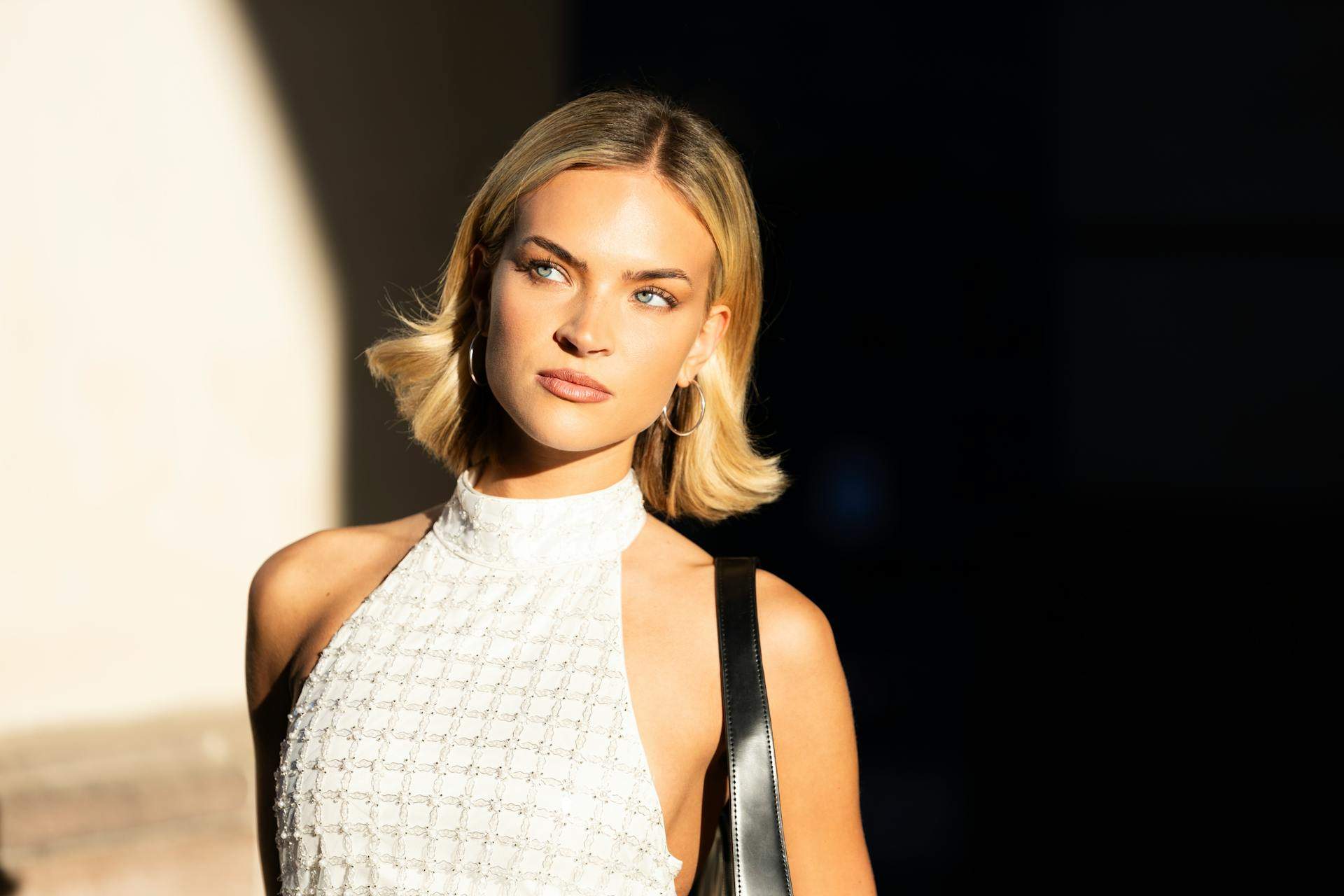
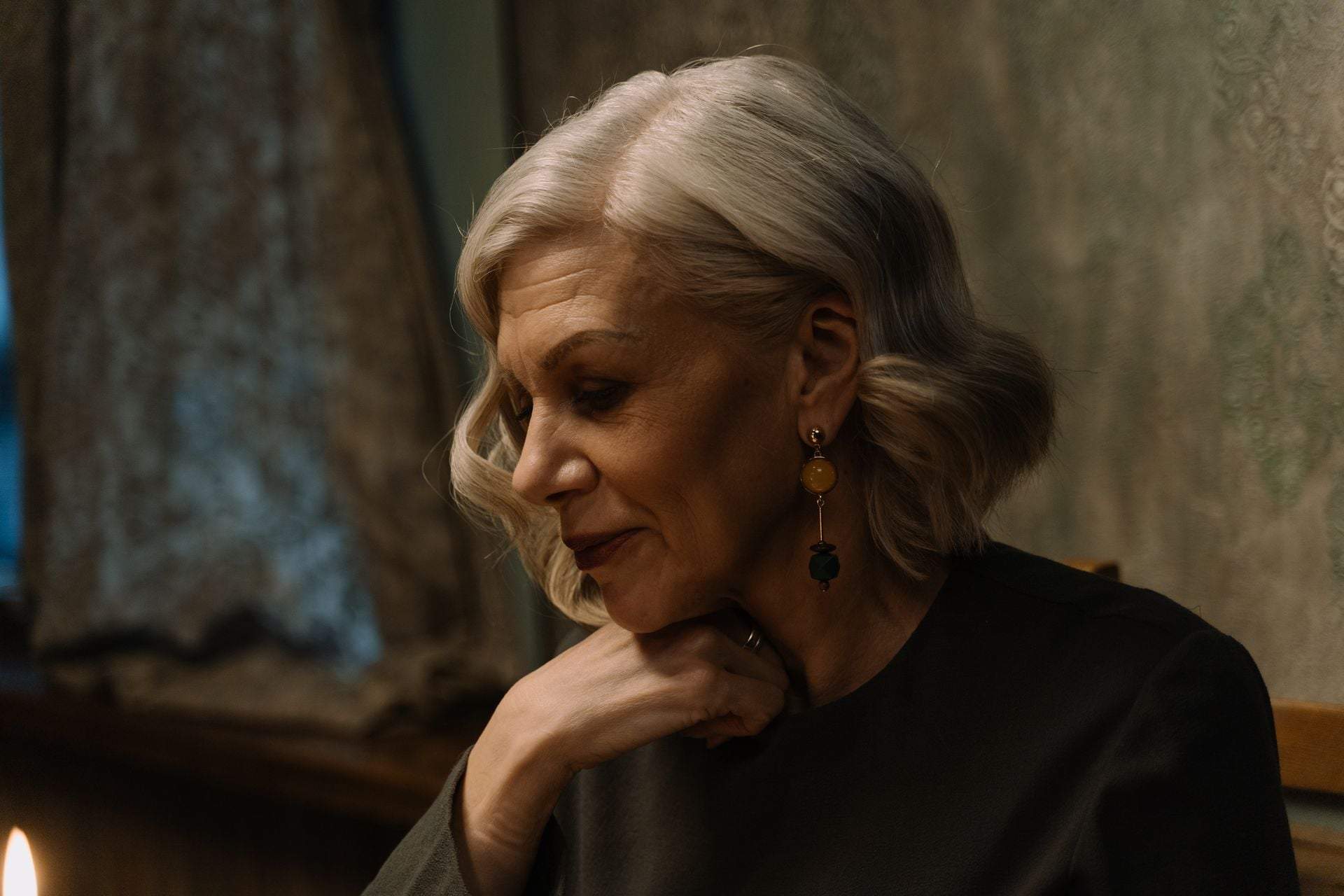
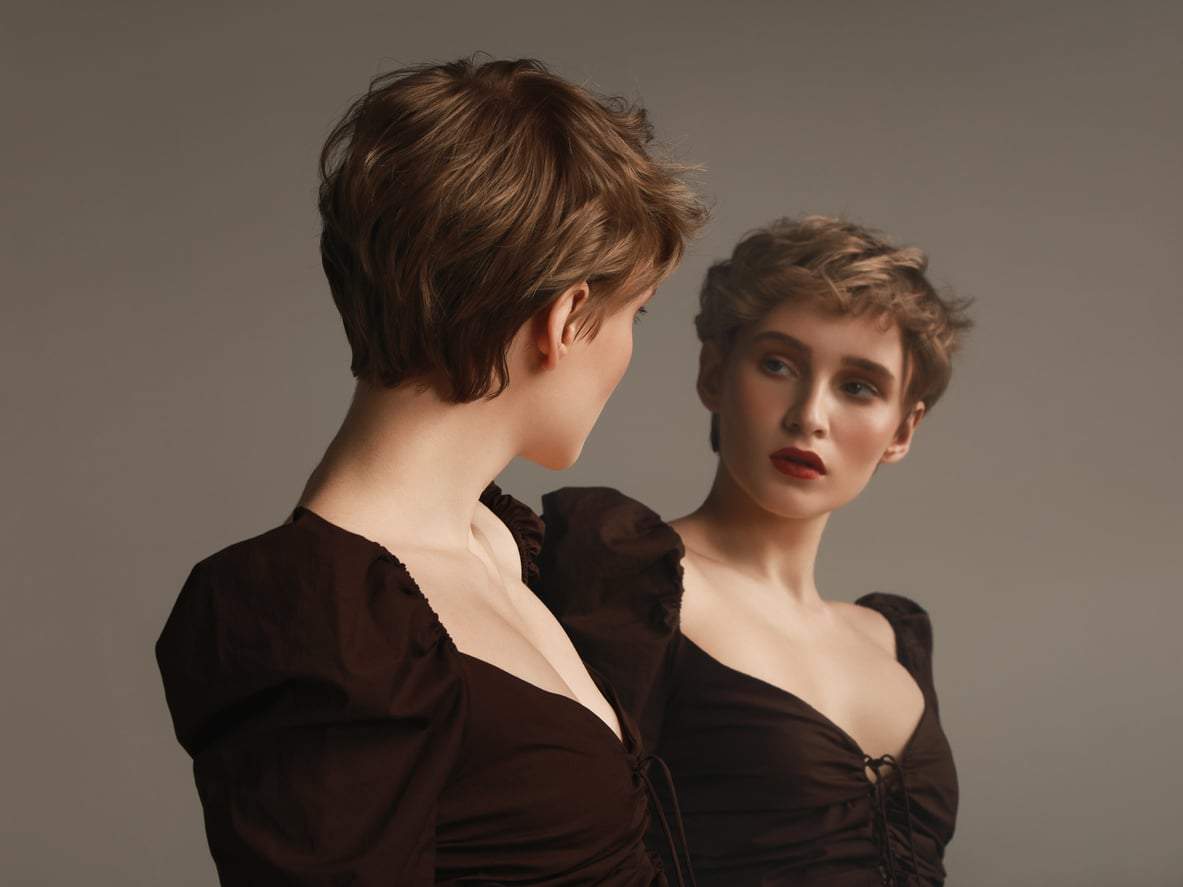
Three or four images beat one, and images of hair that behaves like yours beat images of hair you admire. If your hair is fine and straight, a photograph of thick waves tells your stylist nothing except that you like the general mood. Look for the same density, the same texture, ideally a similar face shape. Photographs taken from behind and from the side are worth more than the glossy front-facing shot, because the shape of a cut lives in the back.
Then do the thing that changes everything: bring one or two pictures of what you absolutely do not want. A reference for "not this" is often clearer than any description. Stylists are usually relieved — it narrows the field fast.
Describe the morning, not just the look
Before length or layers, say how much time you will realistically spend. "Ten minutes with a rough blow-dry and nothing else" is a brief. "I air-dry and never touch it" is a brief. A cut that only works when it is round-brushed in sections is a perfectly good cut, but it is the wrong one for someone who leaves the house with wet hair.
Mention the practicalities too: whether you tie it up most days, whether you wear glasses, whether you are growing out a fringe, how often you can get back for a trim. Someone who can only come twice a year needs a shape that grows out gracefully, and a good stylist will cut differently if they know that.
Use measurements and landmarks, not adjectives
"A couple of inches off" means different things to different hands. Point to your own body instead: collarbone, jaw, the top of the shoulder, the bottom of the bra strap. Say where you want the shortest piece at the front to fall, because that is the line you will see every time you look in a mirror.
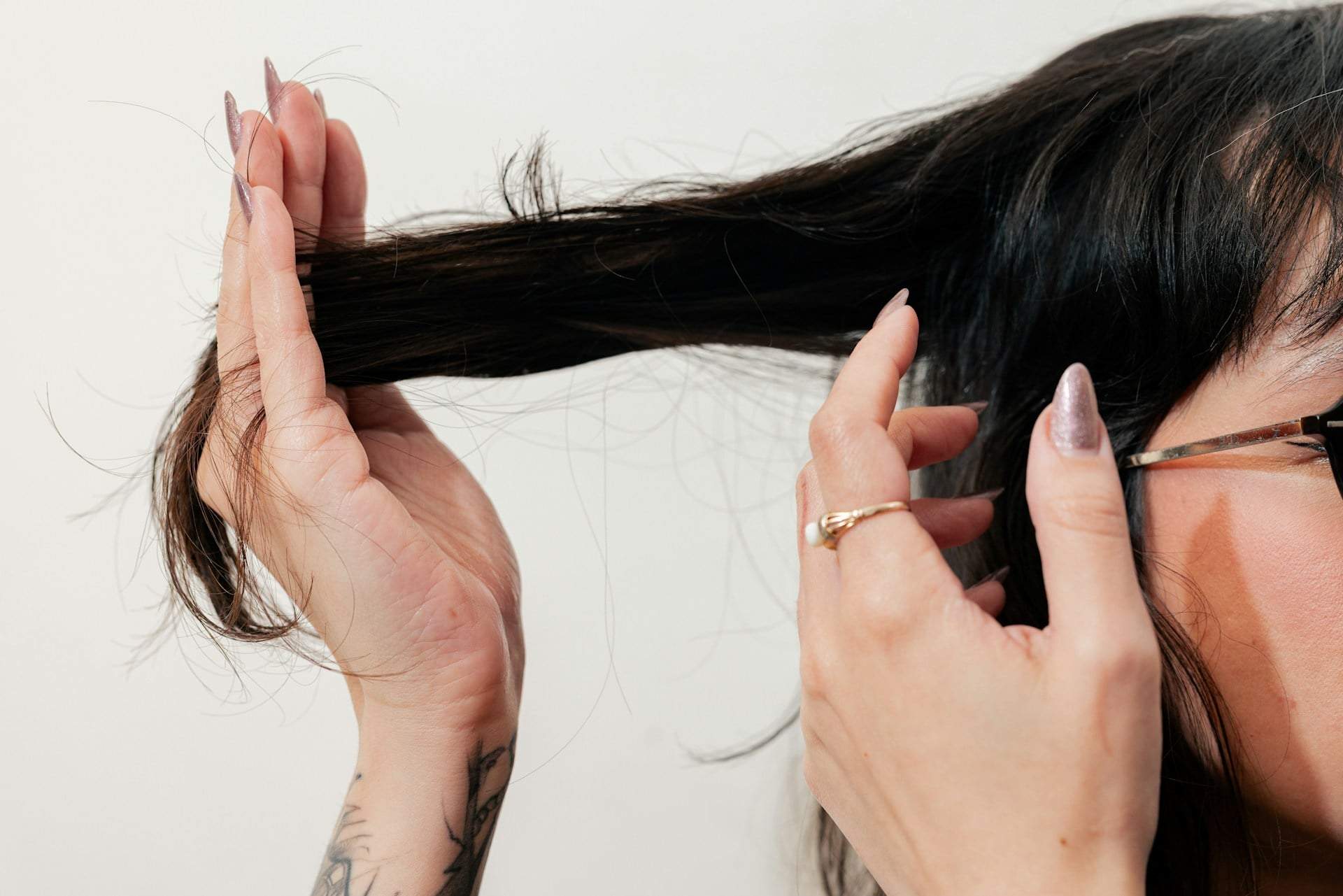
A few other words that carry real meaning: weight (how heavy and solid the ends look), layers (shorter sections through the length, which add movement but remove density), face-framing (shorter pieces at the front only), texturising (softening the ends), and thinning — which is not the same thing and, on fine hair, can create fluff you cannot control. If you are nervous, say you would rather take less off now and come back in a fortnight. Nobody minds.
Colour: say what you want to avoid
Colour conversations go wrong on undertone rather than shade. Rather than "warmer", say whether you want gold, copper or neutral; rather than "ashy", say whether you can tolerate anything that reads green or grey on you. Bring a photograph taken in daylight of your hair at its best, and say honestly what is already on it — box dye from two years ago, henna, a home gloss — because that history determines what is possible.
What if I can tell I hate it while I'm still in the chair?
Say so immediately, calmly and specifically: "Can we stop for a second — the front is shorter than I expected, can we keep the rest where it is?" Mid-cut is the only moment when the length is still there to protect. Stylists would far rather adjust at that point than find out from a cold review later, and most will happily pause, hand you a mirror and talk it through.
How do I ask for a change without losing length?
Ask for shape rather than scissors: face-framing pieces, a softened perimeter, a little weight removed from the ends, or a change in how your parting falls. A dramatic-feeling difference often comes from where the shortest front piece sits and from how the hair is dried, not from overall length. Say out loud, "I want it to feel different but I'm not ready to lose length" — that single sentence redirects the whole appointment.