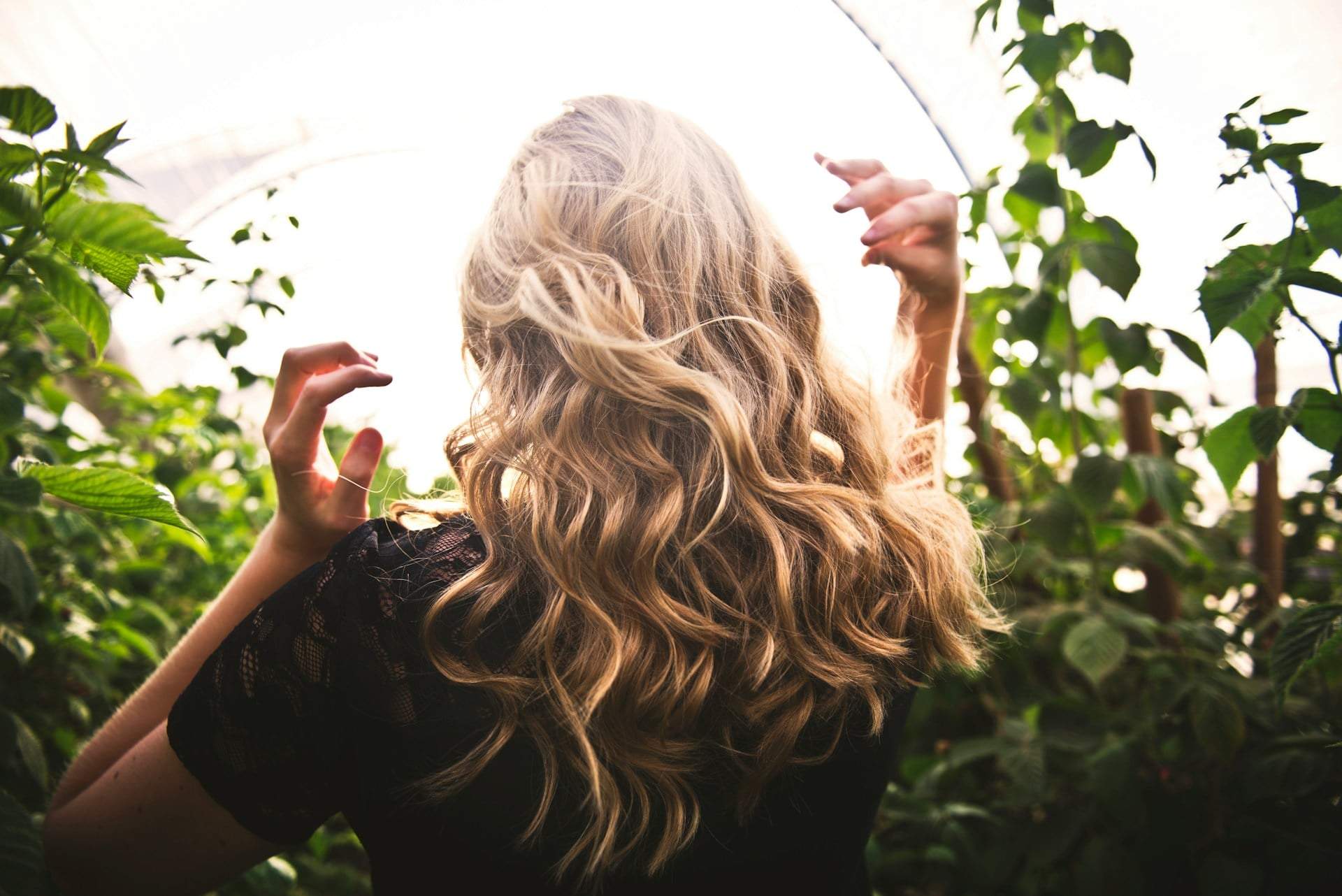
Most people who say air-drying doesn't work for them are doing the same three things: rubbing their hair dry with a bath towel, applying product to hair that has already half-dried, and then touching it every few minutes to check. Air-drying is not the absence of styling. It is a method, and almost all of it happens in the ten minutes after you step out of the shower. Do those ten minutes well and hair dries into a deliberate shape; do them badly and you get a halo of frizz by lunchtime.
The towel is doing more damage than the dryer
A standard terry bath towel has loops that catch the hair cuticle and lift it, and the vigorous rubbing motion most of us learned as children roughens every strand at once. Swap it for a smooth microfibre hair towel or — my long-standing favourite — an old cotton T-shirt. Lay the hair into it and squeeze upwards in sections rather than scrubbing. You are blotting, not drying.
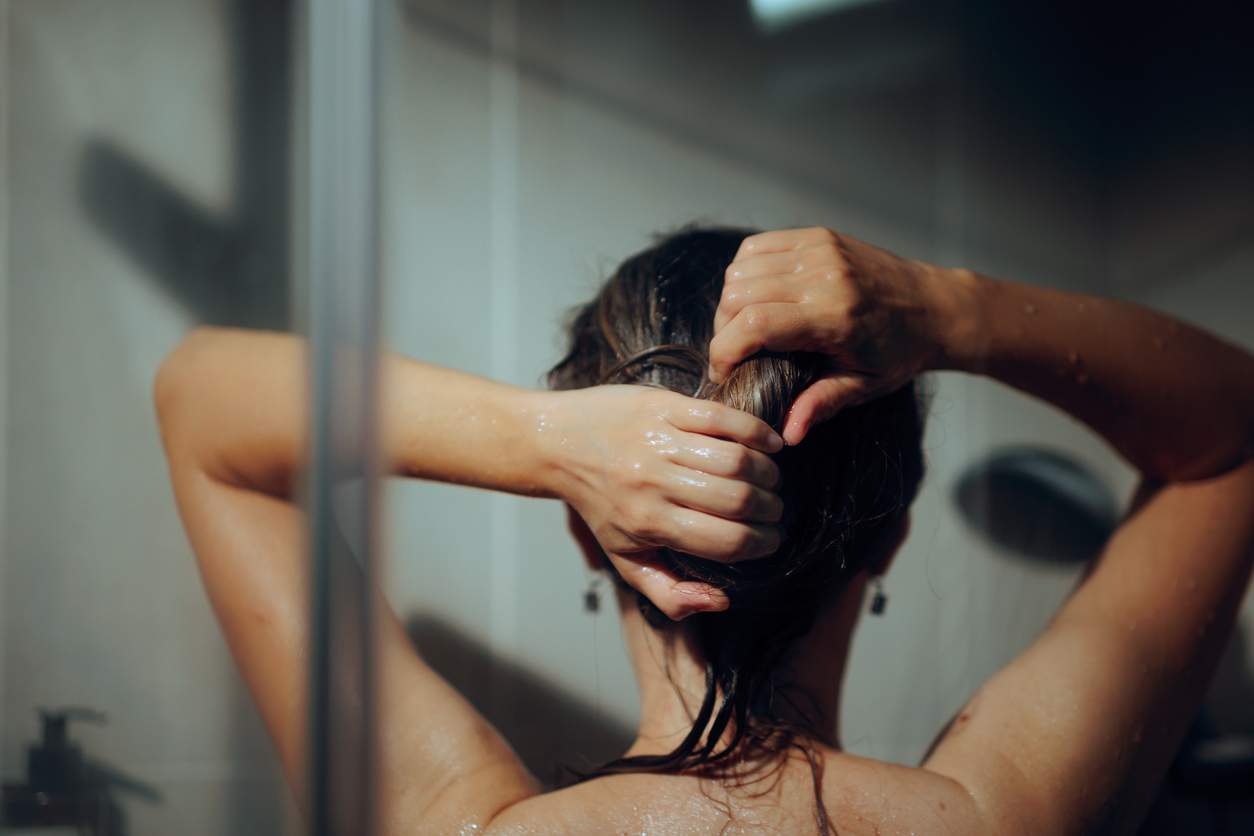
Leave more water in than feels comfortable. Hair should be properly wet, not damp, when product goes on, because water is what lets a cream or gel distribute evenly instead of sitting in patches. If your hair has already started to dry at the front while you were finding your clothes, mist those sections back to wet with a spray bottle before you begin.
One product, chosen for your actual hair
You rarely need a shelf of things. You need the right one. Fine or flat hair generally does better with a light mousse or a very light lotion — anything heavier drags the roots down and reads as greasy by day two. Thick, straight hair that goes puffy rather than curly tends to prefer a smoothing cream worked through the mid-lengths and ends, kept away from the roots entirely. Wavy and curly hair usually wants a gel or curl cream, applied generously, because the cast it forms is what holds the pattern while the water evaporates.
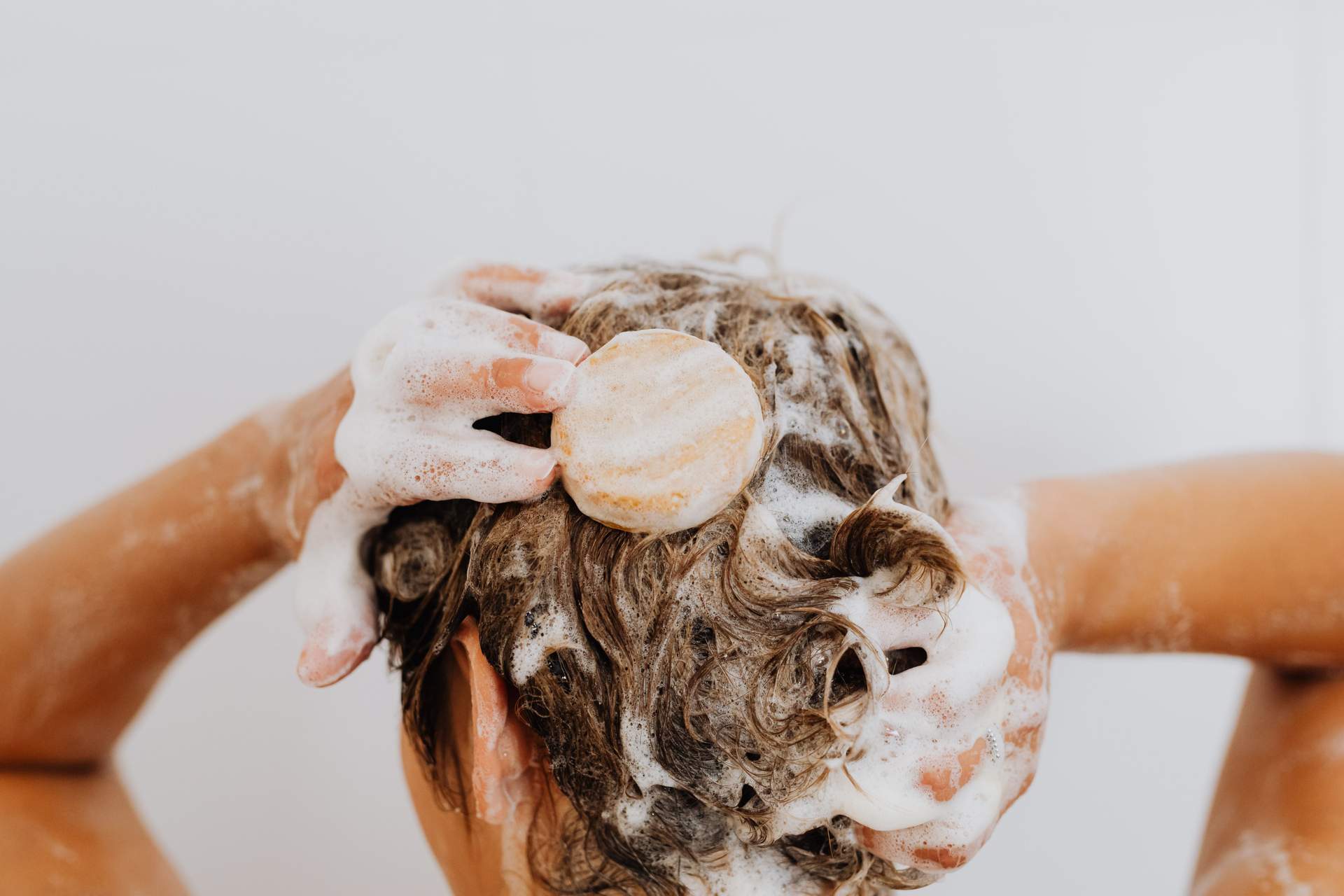
Apply in sections, not in one hopeful handful. Rake it through with your fingers so every strand is coated, then — if you have any wave at all — scrunch upwards from the ends towards the scalp and stop. The scrunching encourages the natural pattern to clump together instead of separating into frizz.
Then leave it alone
This is the part nobody manages. Every time you touch drying hair, you disturb the cuticle and break the clumps apart, and frizz is essentially hair that has separated too early. Decide your parting while it is wet — hair sets where it dries, and a parting moved at the 70 per cent mark will fight you all day. If you want height at the roots, clip the sections at the crown upwards for the first half hour, or lie the parting on the opposite side while it dries and flip it back at the end.
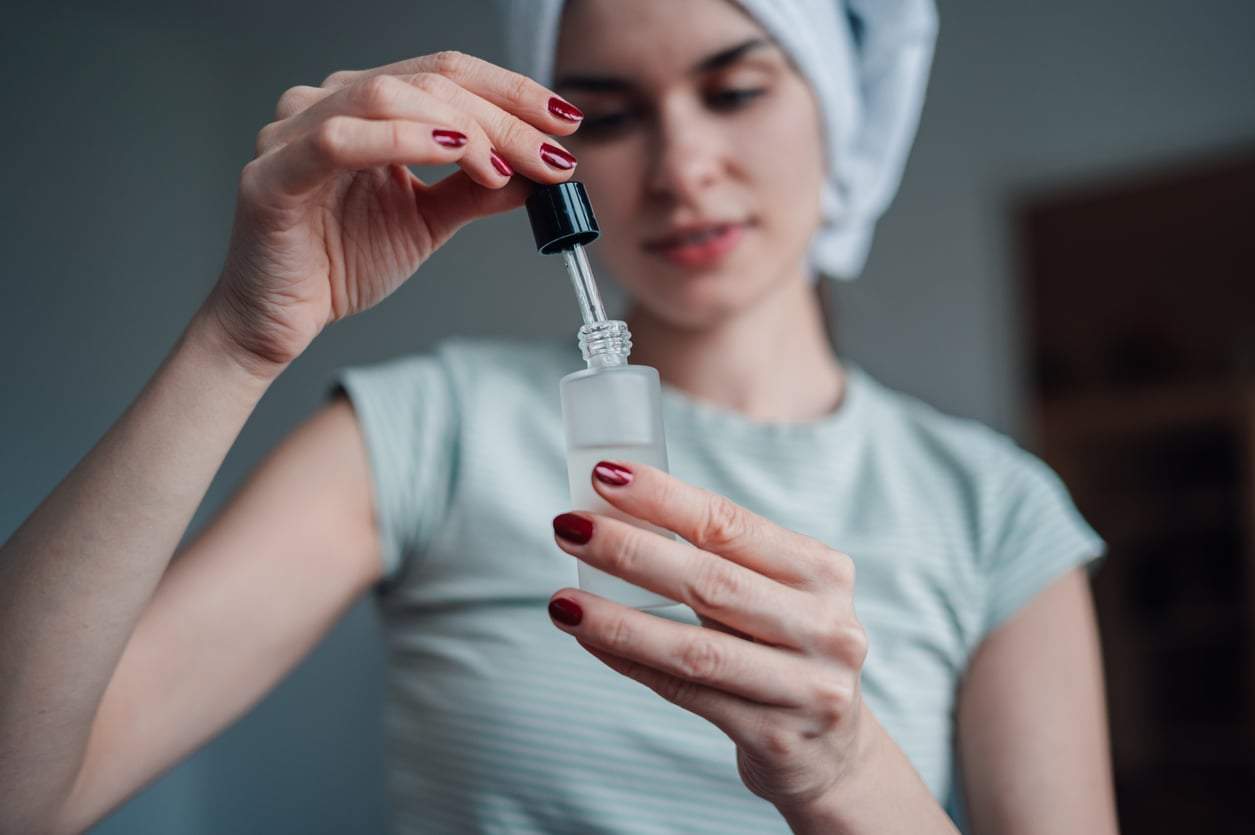
Once hair is around 80 per cent dry, you can gently break any gel cast by scrunching with completely dry hands or a drop of oil. Do it earlier and you reintroduce frizz; do it at all with wet hands and you start the process again.
October has its own complications
Autumn air is damp outside and dry inside, and both affect how hair dries. On a wet, still day, hair takes markedly longer and is more likely to swell at the surface — which is exactly when a slightly heavier product earns its place. Indoors with the heating on, hair can dry fast at the top and stay wet underneath, leaving you with a strange hybrid shape. Lifting the underneath layers with your fingers once, early on, is enough to even it out.
Practically speaking, washing in the evening solves most of it. Hair has hours to dry in a warm room, you are not standing at a bus stop with a wet head in a cold wind, and you can sleep on it in a loose bun or a silk-lined wrap and wake to something you can work with.
Does going out with wet hair actually damage it?
Cold weather will not freeze your hair into snapping unless conditions are genuinely extreme, but wet hair is in its most swollen, fragile state, and friction against a scarf or coat collar while it's in that state does cause roughness and breakage over time. The bigger issue is comfort and shape — hair that dries in the wind dries into whatever the wind decided. If you have to leave with it wet, tuck it inside your coat rather than letting it rub along the outside.
What if my hair air-dries completely flat at the roots?
Flat roots are almost always a product and position problem rather than a hair problem. Keep creams and oils off the first few centimetres entirely, use only a light mousse at the scalp, and dry the roots in the opposite direction to how you want them to sit — flipping the head forward for the first twenty minutes, or clipping the crown sections upright while the hair is still soaking. The lift sets as the water leaves.