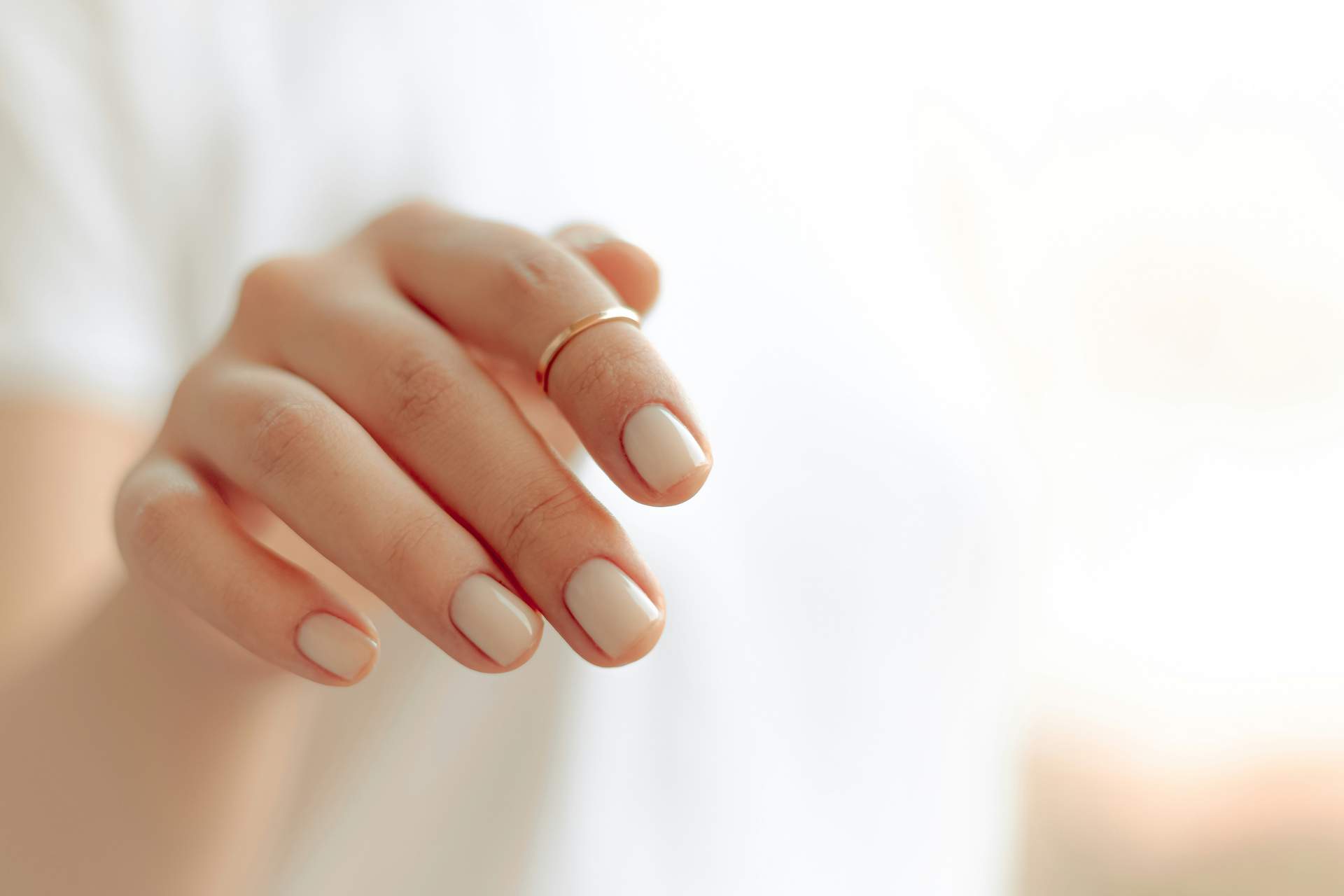
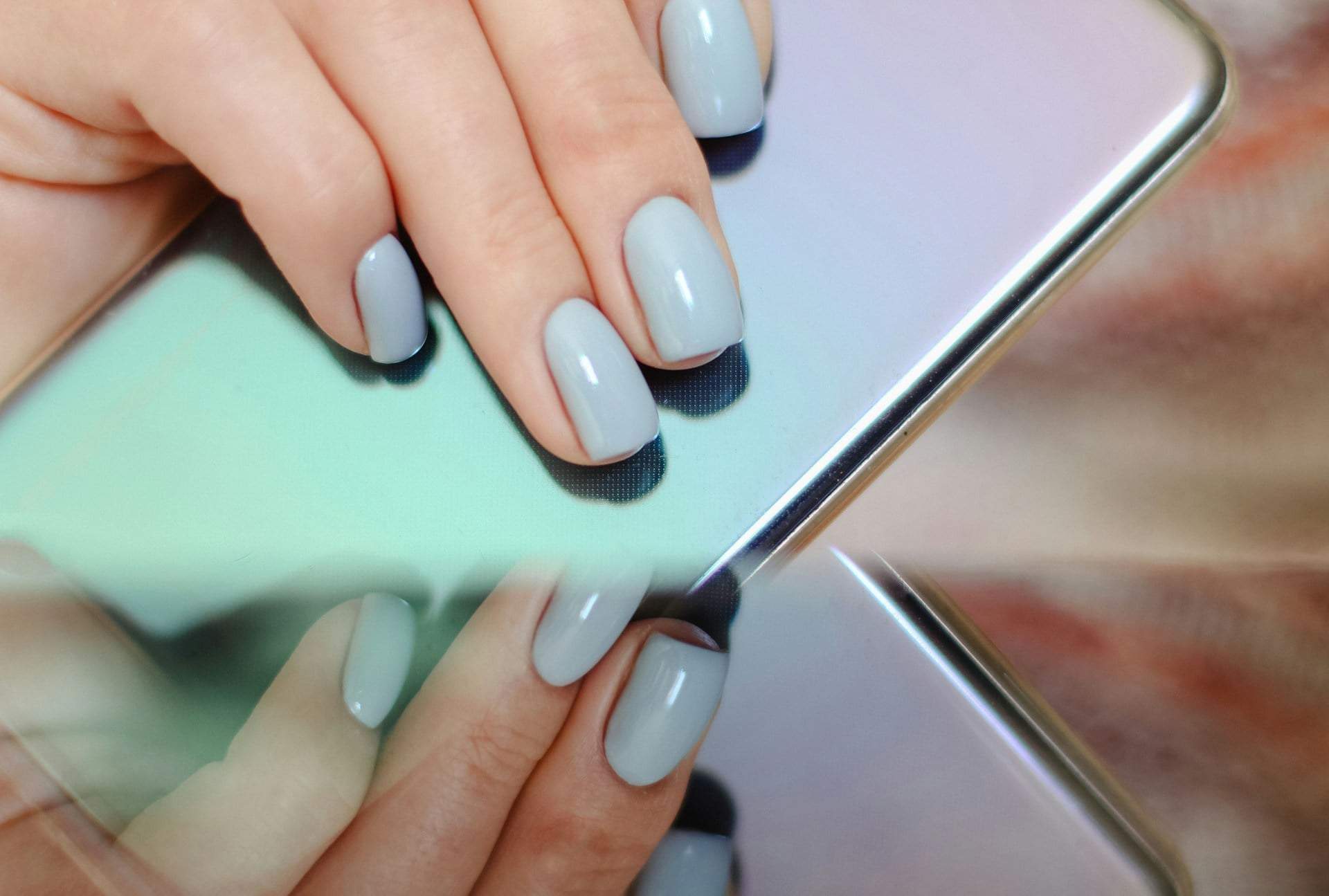
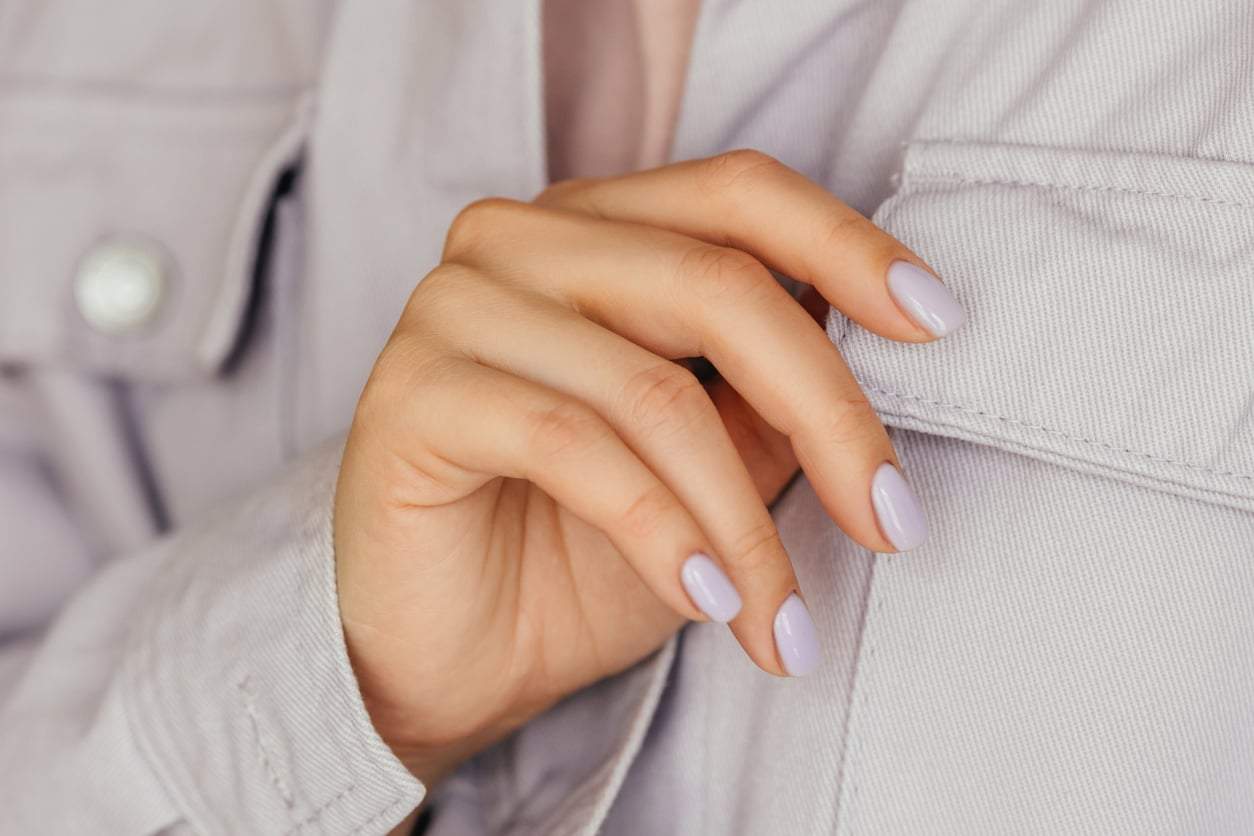
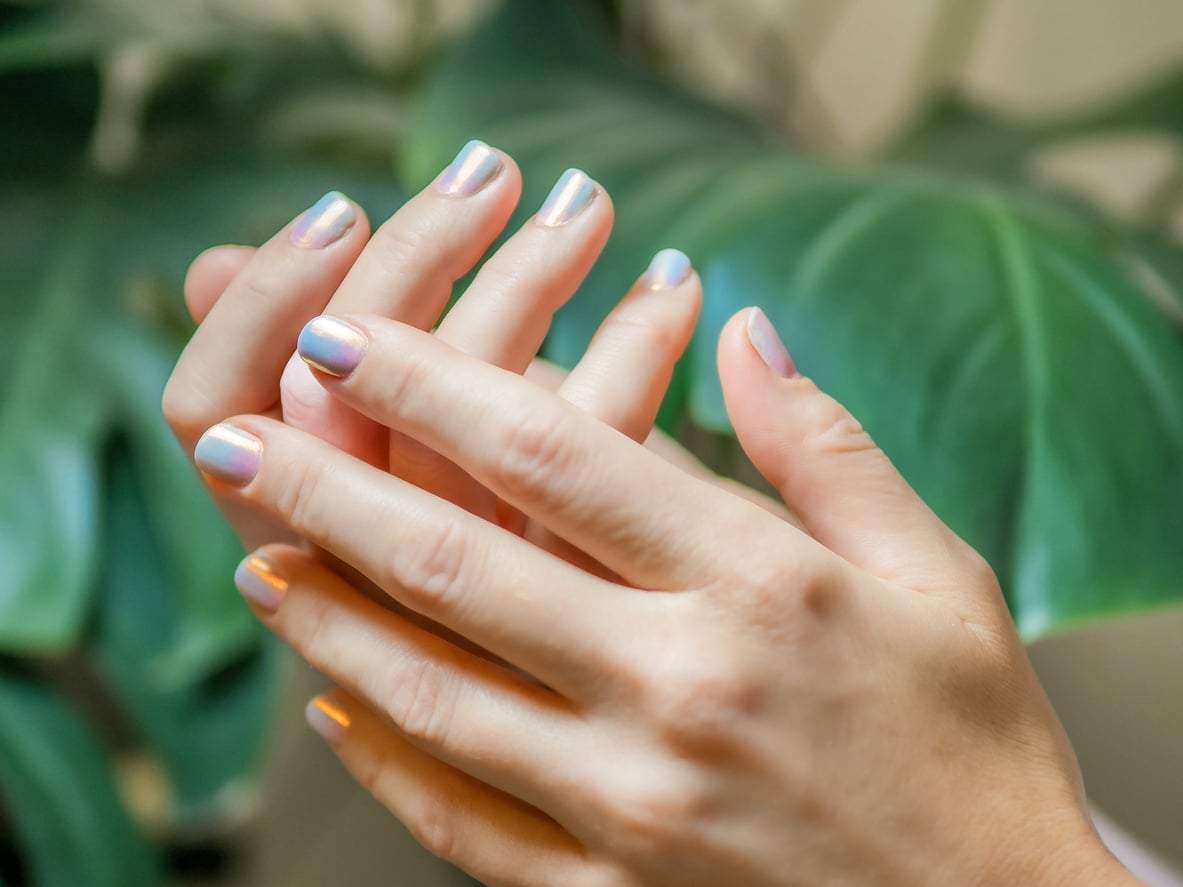
There is a particular kind of hand that always looks expensive, and when you study it closely there is rarely anything dramatic going on. No length, no art, no chrome. What there is instead is consistency: ten nails the same length, the same shape, with tidy edges and skin that has clearly seen a drop of oil in the last week. Shape is the invisible work. Get it right and a bare nail looks intentional; get it wrong and even a perfect polish job looks slightly unfinished.
Autumn is the natural moment to sort this out. Summer manicures tend to drift — chipped edges, uneven lengths, a couple of nails filed in a panic before an event. As sleeves get longer and hands appear against knitwear and dark coats, they get noticed more, not less.
The shape that flatters almost everyone
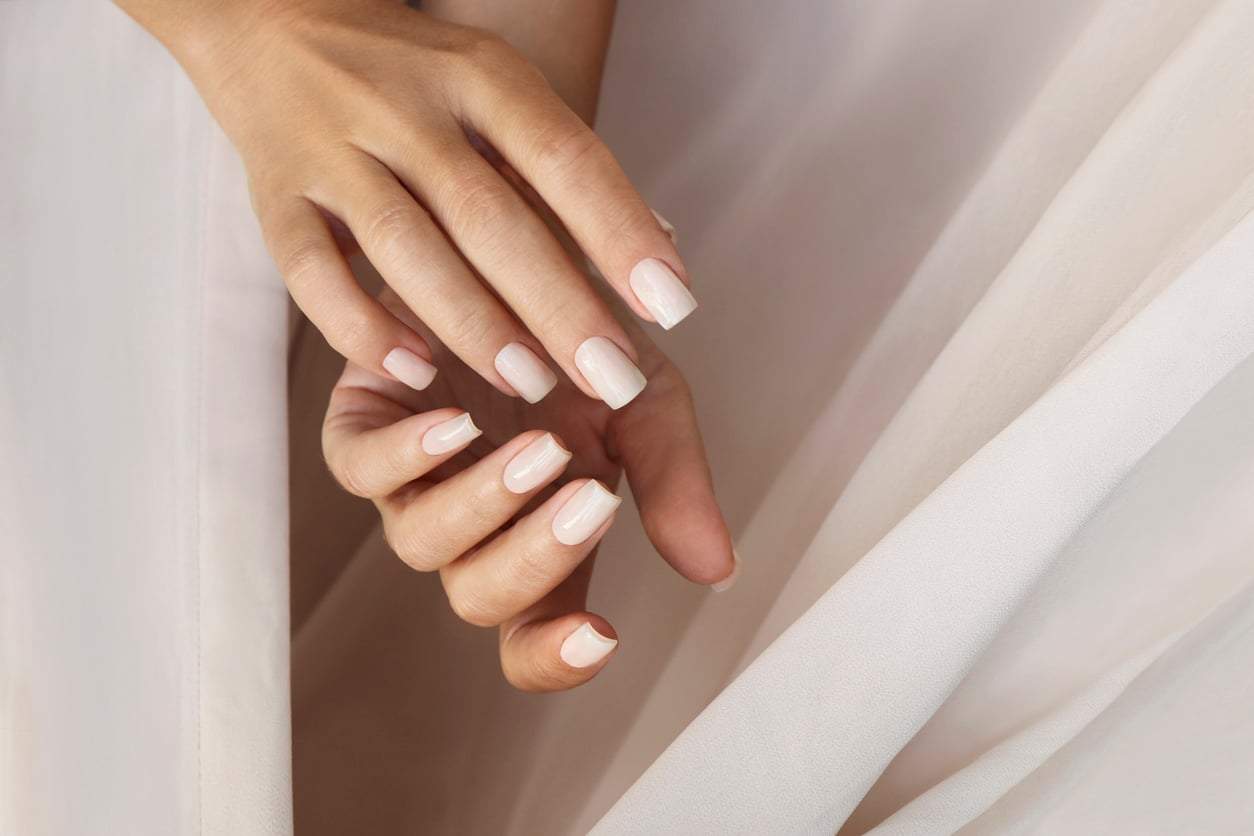
The soft square — square-ish across the top with the corners gently rounded off — is the one I recommend to nearly anyone who asks. It reads as neat and deliberate rather than fussy, it suits short nails beautifully because it keeps the visible nail plate looking broad and healthy, and it is far more durable than a sharp square, which snags and splits at the corners.
The alternative worth knowing is the soft oval, which does the opposite job: it narrows the tip and elongates the finger. If your nail beds are short and wide, oval buys you visual length. If your fingers are already long and slim, soft square stops them looking spidery. Almond and stiletto shapes need length to work at all, and on short nails they tend to look like a shape that has been interrupted halfway.
How to file it properly at home
File dry, never straight after a bath or shower, when the nail is soft and prone to tearing. Use a fine-grit file — the coarse grey boards that came free with something are why your nails peel at the tips. Work in one direction rather than sawing back and forth: rest the file flat against the free edge, draw it from the corner towards the centre, then repeat from the other side.
Set your length first on one nail, then match the other nine to it rather than judging each by eye. The easiest way to see whether you have succeeded is to hold your hand out flat, palm down, and look at the tips as a row. Unevenness shows up instantly from that angle and disappears when you look at fingers individually.
Finish by softening the corners with two or three light passes, and leave it there. Over-filing the sides is the most common mistake; it weakens the nail exactly where it takes pressure, and you will be back with a split by the weekend.
The autumn polish that makes a short nail look longer
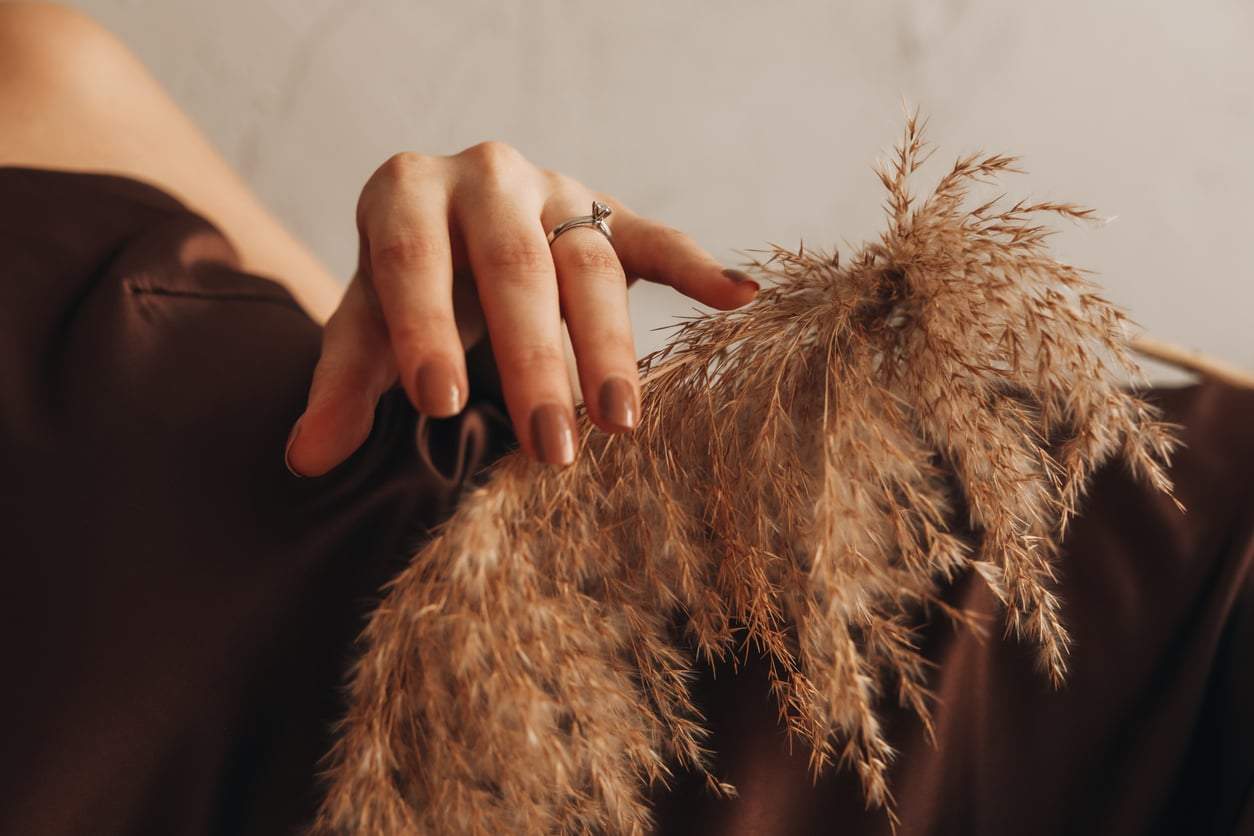
Colour changes the proportions. Deep shades with warmth in them — cocoa, oxblood, plum, a proper dark olive — look luxurious on short nails as long as the application is clean right up to the cuticle line. Leave a hairline gap at the base and sides rather than flooding the skin; that tiny margin is what makes a home manicure look professional.
If you want something lower-maintenance, a sheer milky neutral or a nude with a grey undertone will grow out invisibly, which means a fortnight of looking tidy rather than four days. And if you are going bare, buff lightly, use a clear strengthener and rub oil into the cuticles at night. Bare and moisturised beats chipped and colourful every time.
How often should I actually be filing my nails?
Most people file too rarely and too aggressively. A light shaping session once a week, taking off barely anything, keeps the edges smooth and prevents the catching that leads to tears — it takes less than five minutes and saves you the emergency file-down later.
Why do my nails keep peeling at the tips?
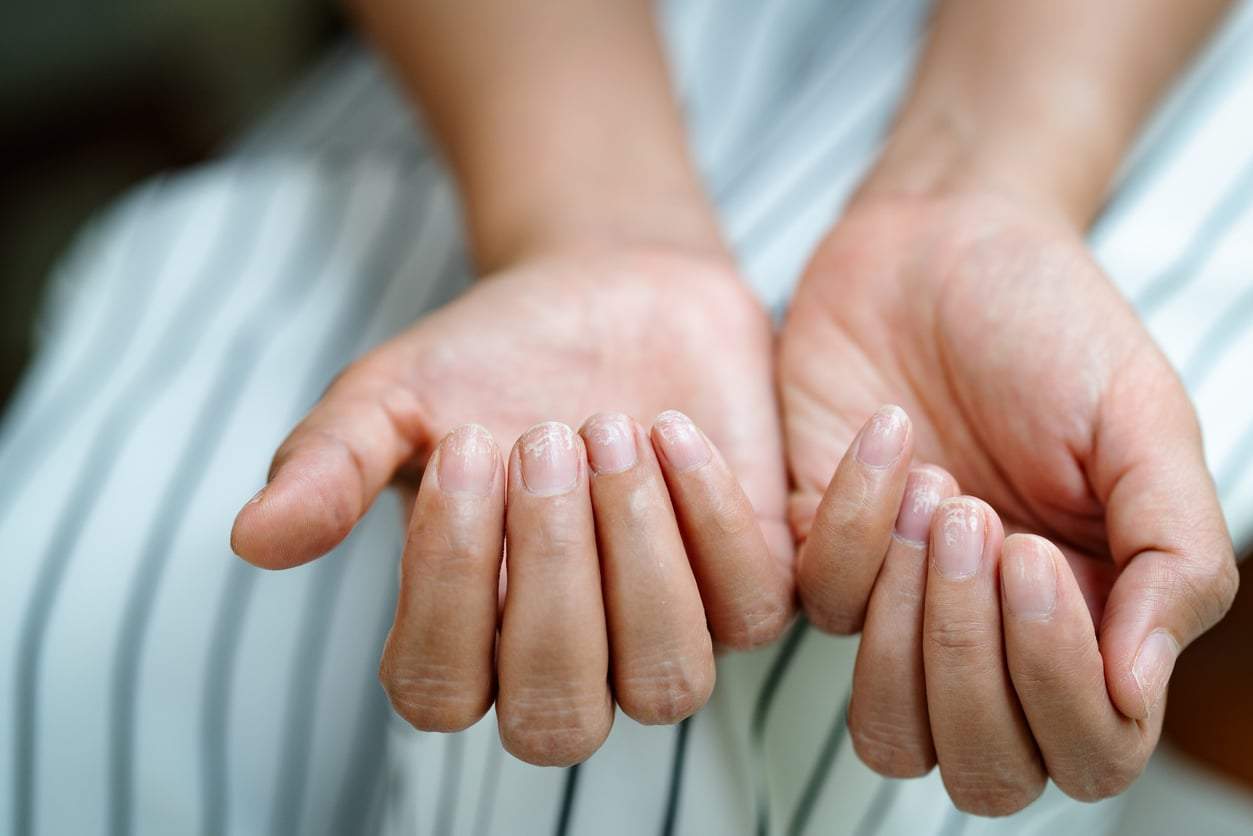
The usual culprits are a coarse file, sawing back and forth, and repeated wetting and drying — washing up without gloves is particularly tough on nails. Switch to a fine-grit file, work in one direction, and apply oil to the nail plate and surrounding skin at night; if peeling is severe, persistent or comes with changes in colour or texture, it is worth mentioning to your doctor rather than trying to file it away.
Making it a five-minute ritual, not a project
The hands that look consistently good are not the product of long salon afternoons. They belong to people who keep a fine file in a desk drawer and a small bottle of cuticle oil beside the bed, and who spend a couple of minutes on maintenance rather than an hour on rescue. Choose your shape, commit to it, and file to maintain rather than to reinvent. By the time the coats come out, your hands will look like you have been going somewhere expensive — which is the whole trick.