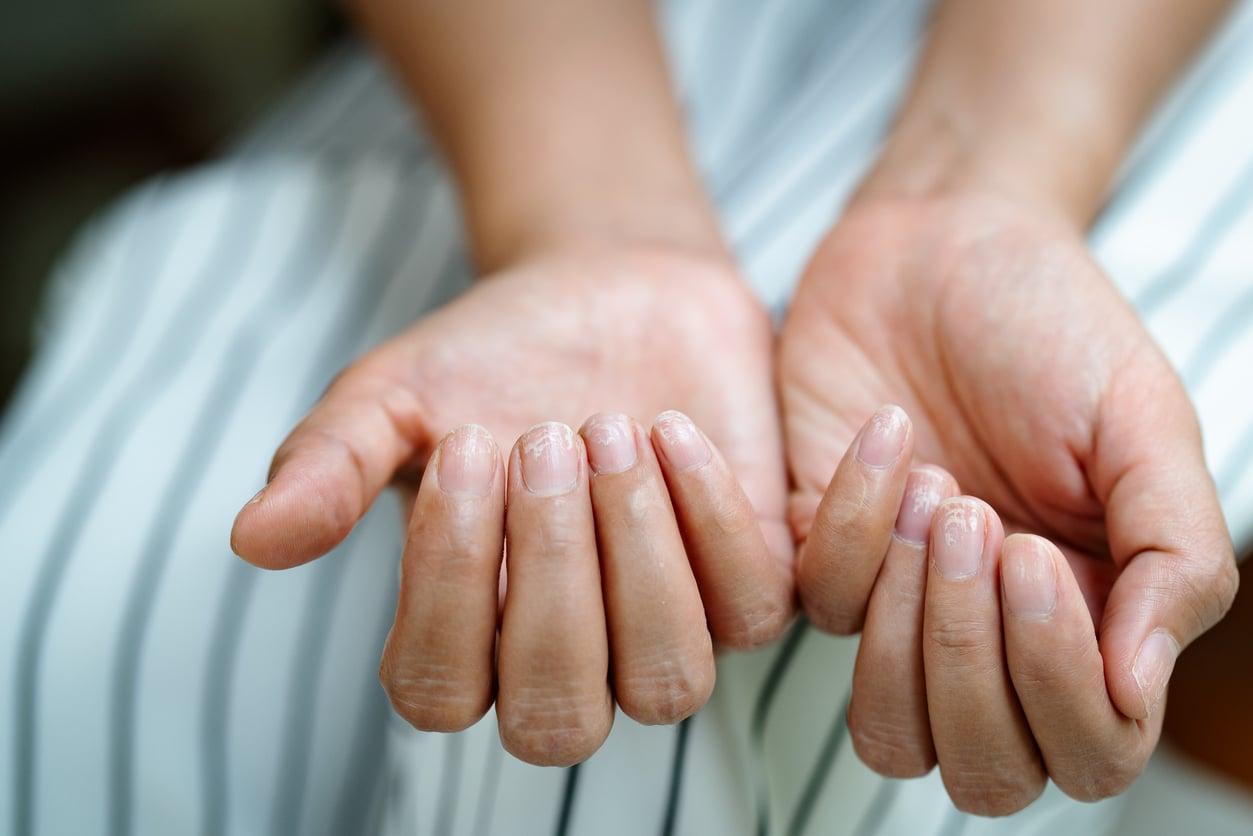
There is a specific morning every September when you glance down at your hands and the polish you loved in July suddenly looks like a holiday photo you forgot to delete. Coral, watermelon, that cheerful sky blue — all of it reads out of step with a wool coat and low grey light. The good news is that autumn colour is genuinely forgiving. The shade families in circulation right now flatter almost everyone, and most of them look better slightly imperfect, which is a relief if your salon budget is not what it once was.
The four shade families doing the work this season
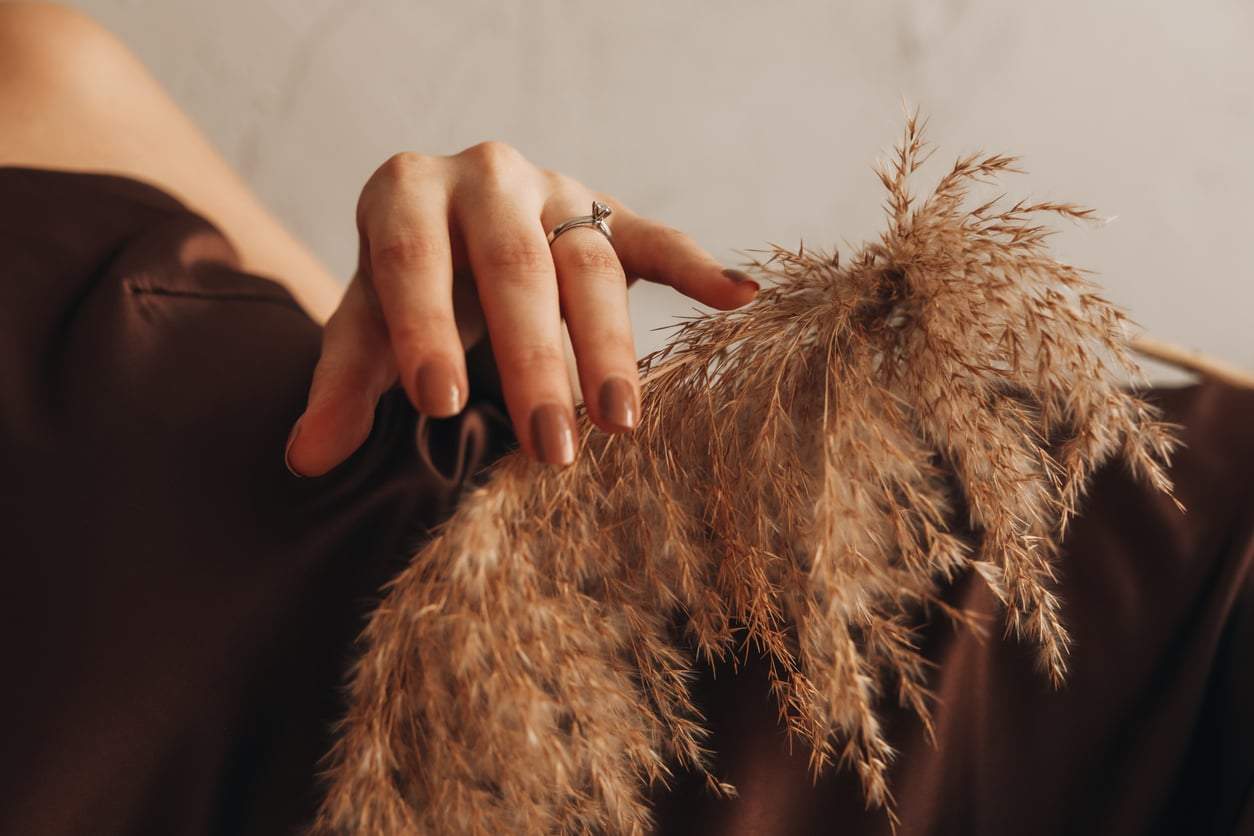
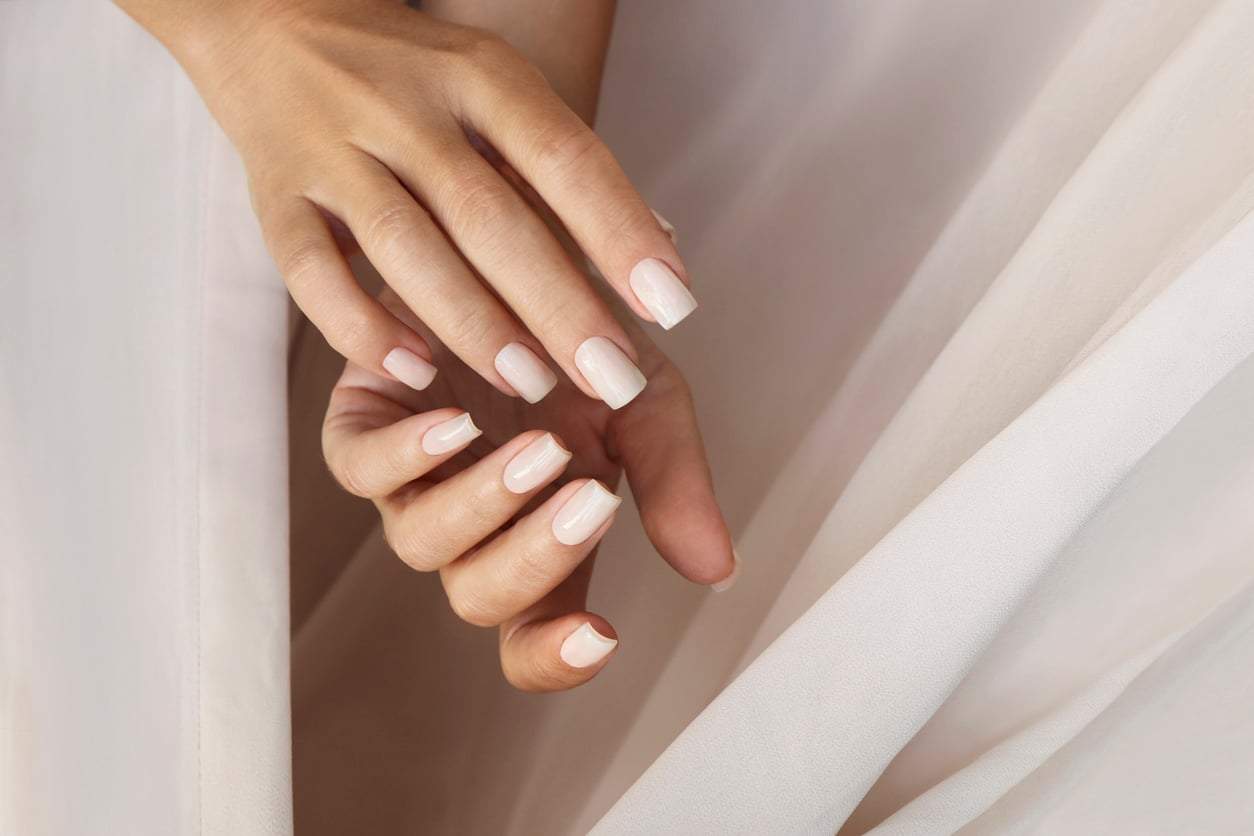
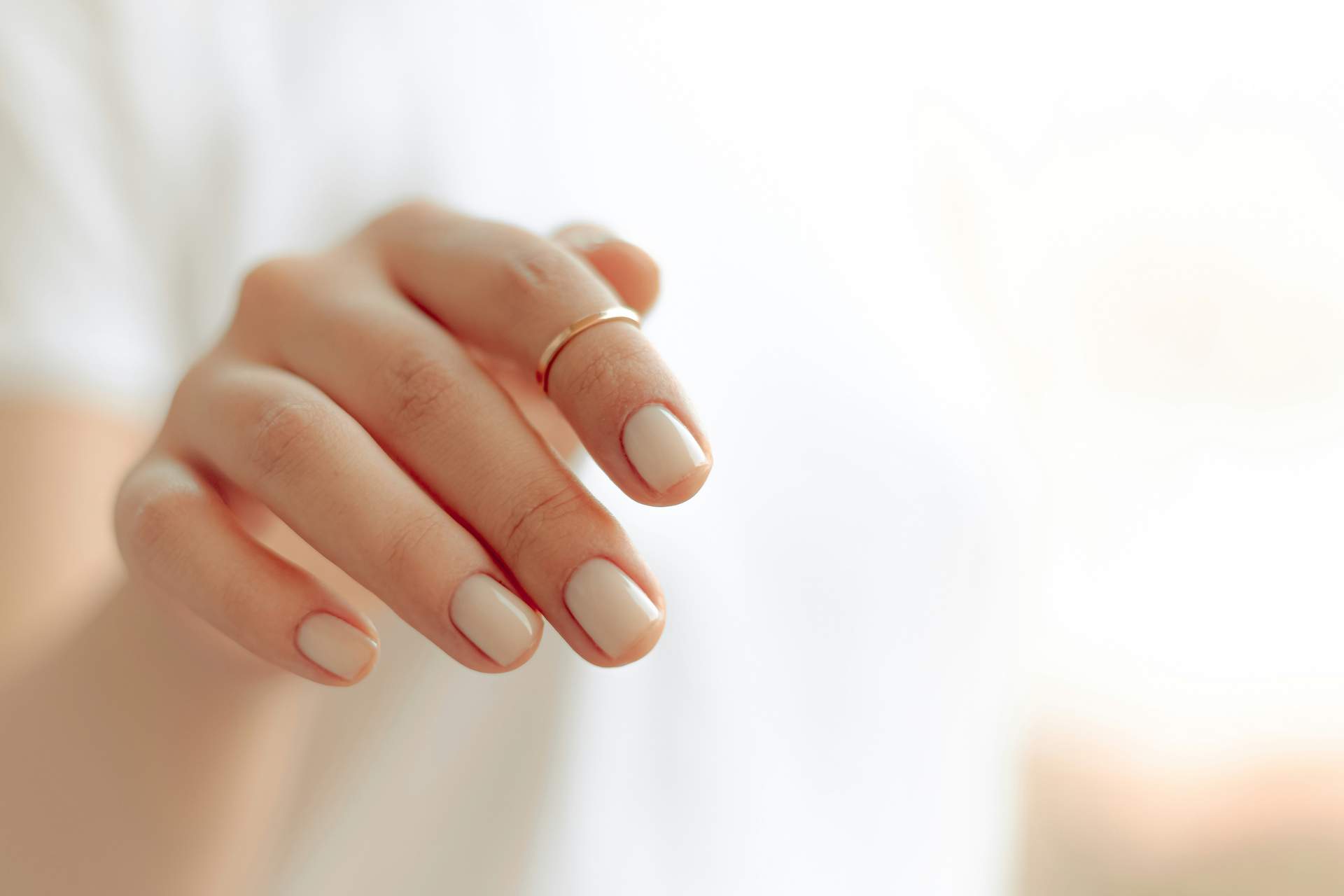
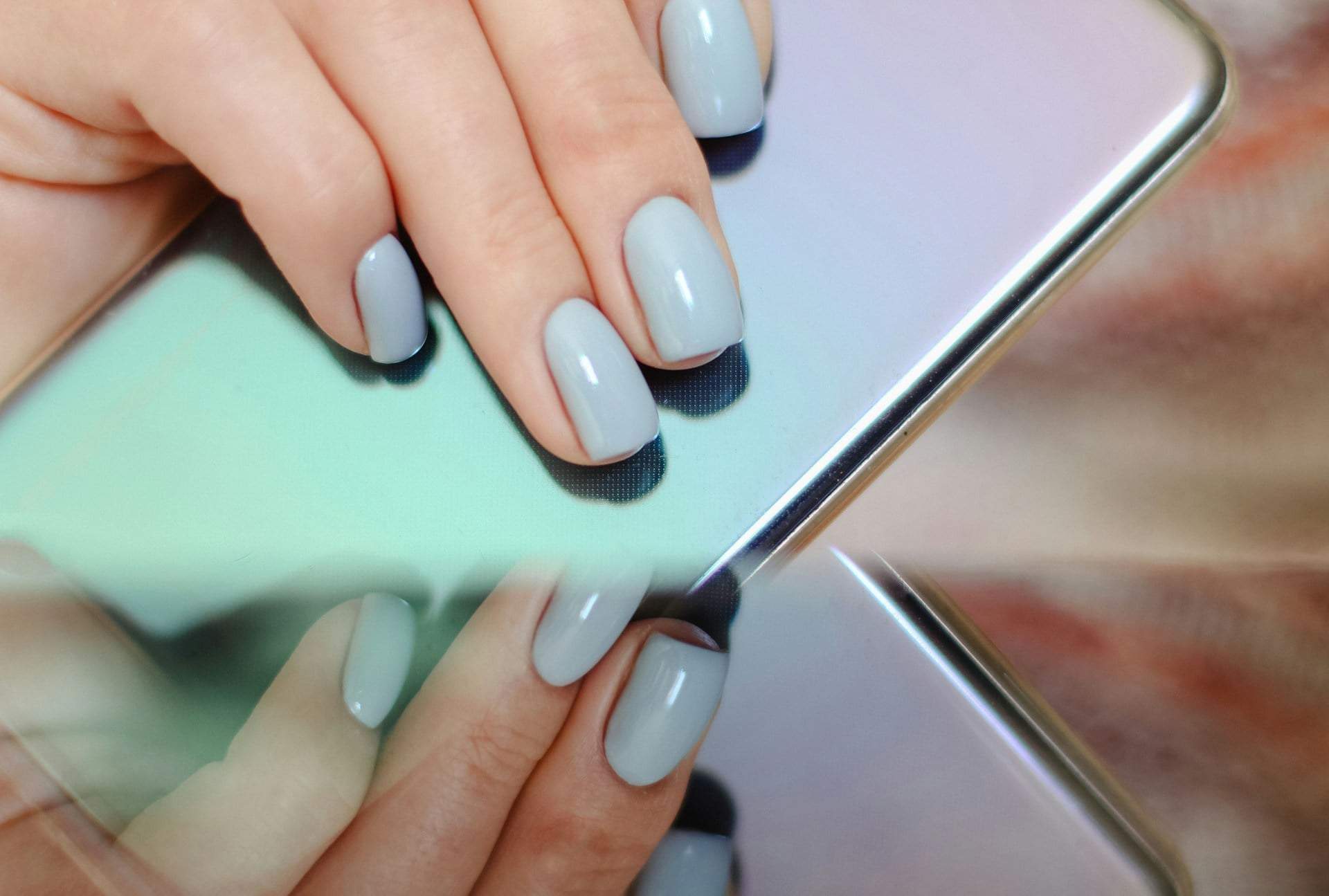
The first is chocolate: espresso, bitter cocoa, that deep coffee brown that sits somewhere between neutral and dramatic. It behaves like a dark shade without the severity of black. The second is wine — cabernet, mulberry, dried rose — the classic autumn red pulled a few degrees cooler and deeper than a summer scarlet. The third is the milky family: mushroom, oat, warm greige and the softly translucent shades that look like skin with the volume turned up slightly. And the fourth is green: moss, olive, the muted khaki that sounds alarming on the bottle and looks surprisingly elegant on the hand.
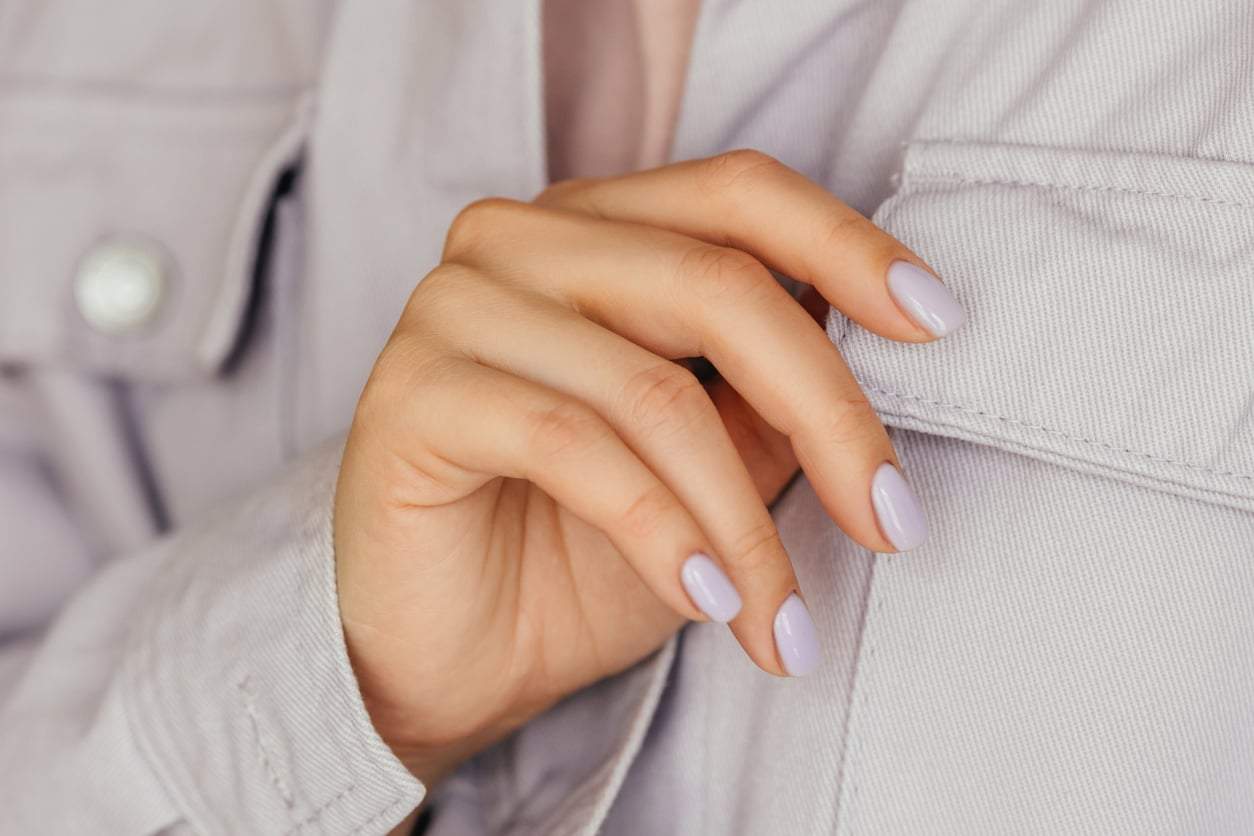
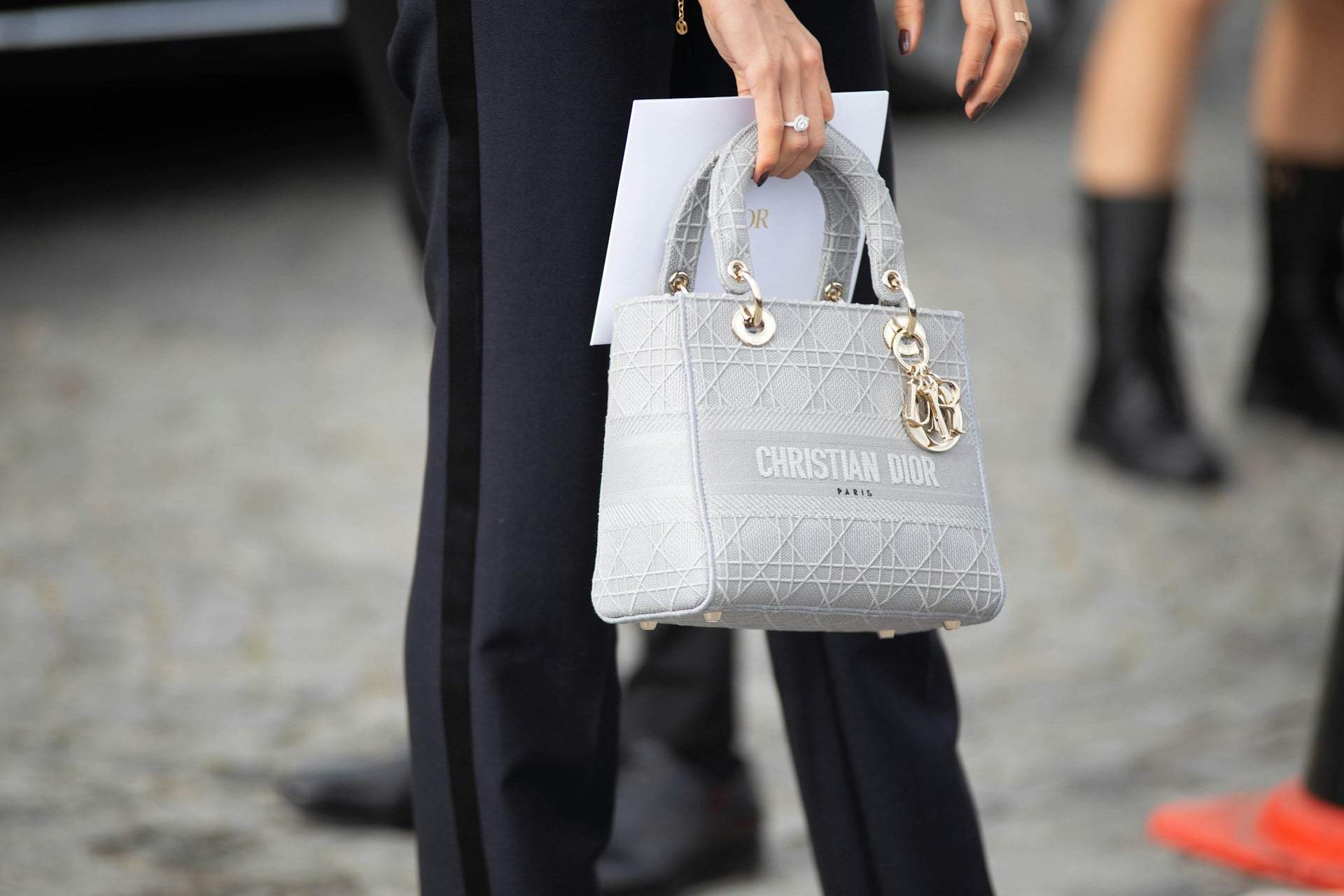
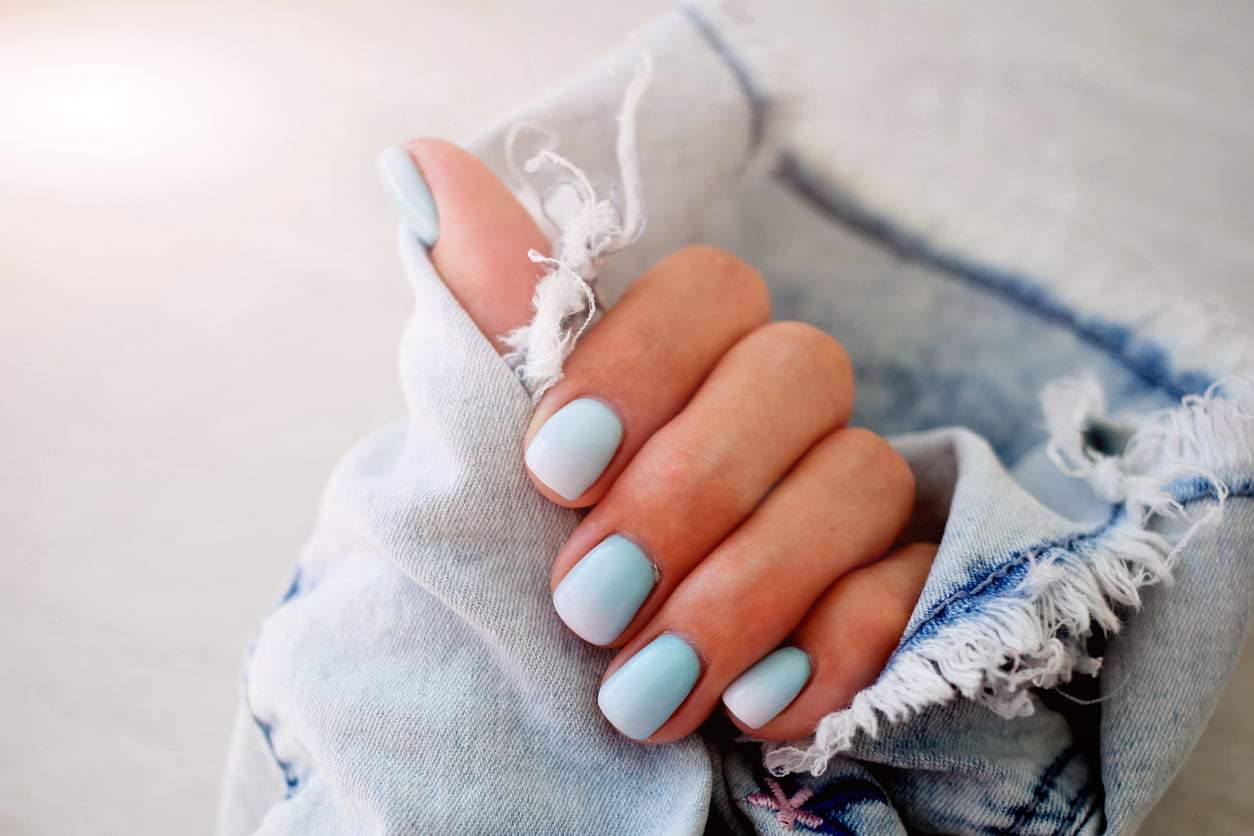
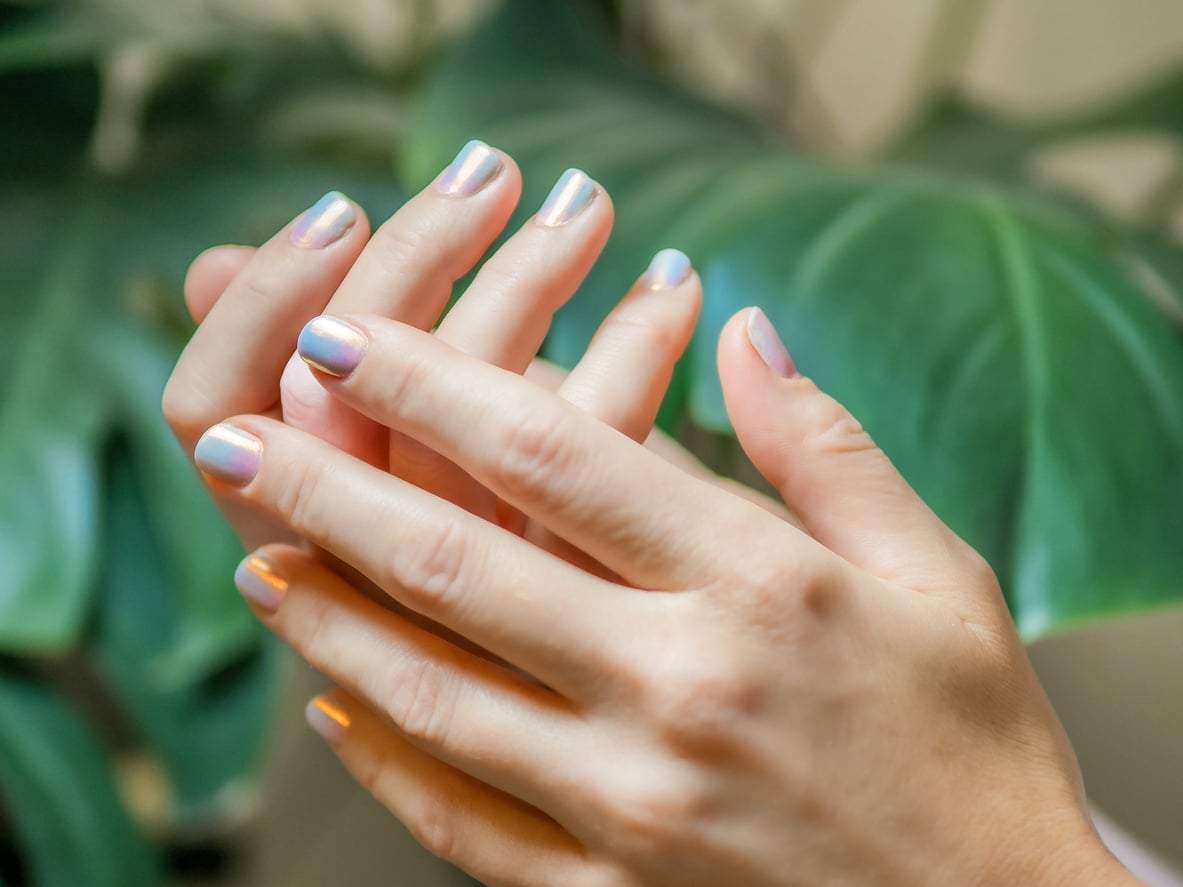
What connects all four is that they are muted rather than bright. Autumn colour tends to have a grey or brown base note underneath it, which is exactly why it sits well against knitwear, tan leather and the general beige of the season.
How to choose the one that flatters your hands
Skin tone matters less than most people think; the finish and the depth matter more. If the skin on your hands is warm-leaning, chocolate, olive and caramel-adjacent milky shades tend to look intentional rather than muddy. If it is cooler, mulberry, plum-touched wine and the greyer mushrooms are easier to wear. If you have prominent veins or redness across the knuckles — very normal, and more visible in cold weather — a very sheer, milky shade can draw the eye to the skin, while a medium-depth shade with a little opacity quietly evens the whole hand out.
One practical trick: paint a single nail on each hand in your two candidate shades, then look at them in daylight while holding your phone or a mug. Nails live in motion, not on a swatch card, and a colour that seems dull on the bottle often turns luminous once it is on a moving hand.
Shape, length and finish change more than colour does
A short nail in a dark shade looks modern; a very long nail in the same shade can tip into costume. If you want to wear espresso or wine and you are not sure it suits you, cut the length back first and try again. A soft squoval — square with the corners filed off — is the most durable everyday shape, because the corners are where breaks usually start.
Finish is the sleeper decision. A glossy top coat makes any shade look richer and more expensive. A soft satin or milky finish makes deep colours quieter and more wearable at work. And if you have ridges, a smoothing base coat does more for the overall effect than switching colour ever will.
The prep that buys you a second week
Most home manicures chip early for the same three reasons. First, the nail plate is not clean: hand cream, cuticle oil or shower residue leaves a film that polish cannot grip. Wipe each nail with a little nail polish remover on a lint-free pad right before you start, even if the nails look bare. Second, the coats are too thick — two thin coats dry properly, one thick coat stays soft under the surface and dents against a car door two hours later. Third, the free edge is left open. Run a fine line of colour and then top coat along the tip of each nail, sealing it like the edge of a hem; this single step is what stops the polish lifting away from the end.
Then keep cuticle oil by the kettle and use it daily. Flexible nails chip less than dry, brittle ones, and oiled cuticles make a two-week-old manicure look far fresher than it is.
How do I stop dark polish from staining my nails?
Always use a base coat, and use it properly: one full layer on every nail, including the tip, and let it set before the colour goes on. Pigment stains through bare keratin, especially in the wine and espresso families, so the base coat is a barrier rather than an optional extra. If yellowing has already happened, going polish-free for a week or two, with daily oil, usually lets it grow out.
My nails peel every time I take polish off — what am I doing wrong?
The most common culprits are scraping or picking gel and glitter off rather than soaking them, and harsh removal habits like filing the surface of the nail between manicures. Use a proper remover, be patient, and give your nails a bare stretch with oil and a hand cream after a run of heavy colour. If your nails change shape, colour or thickness without an obvious cause, or the skin around them becomes painful, that is worth mentioning to a pharmacist or your doctor rather than treating at home.