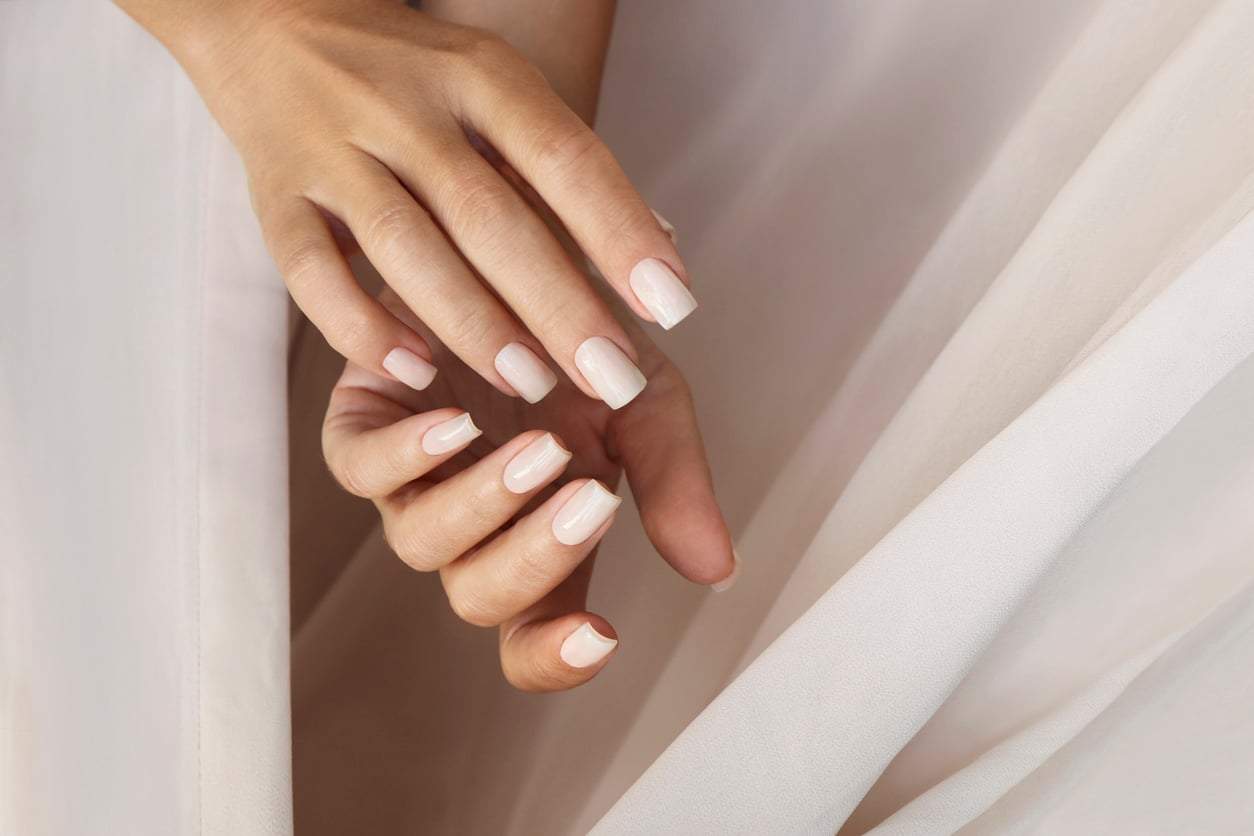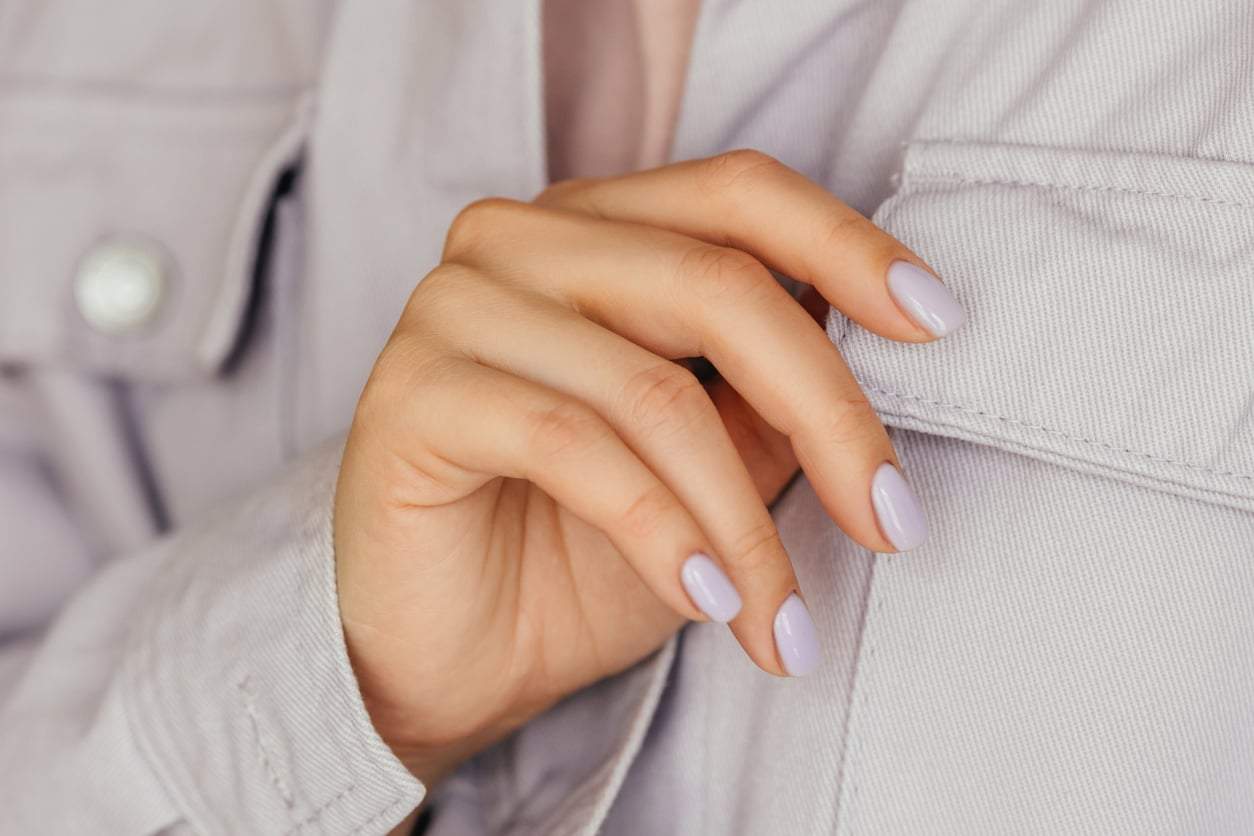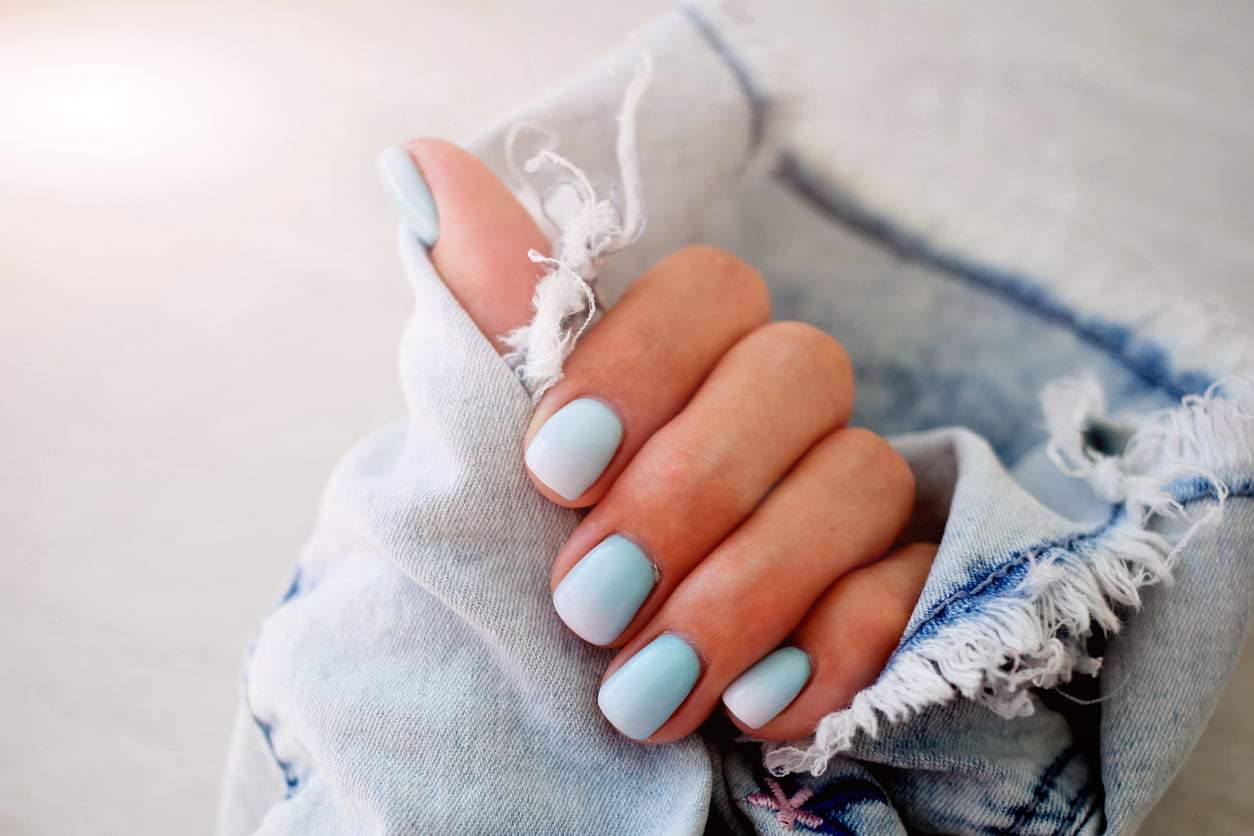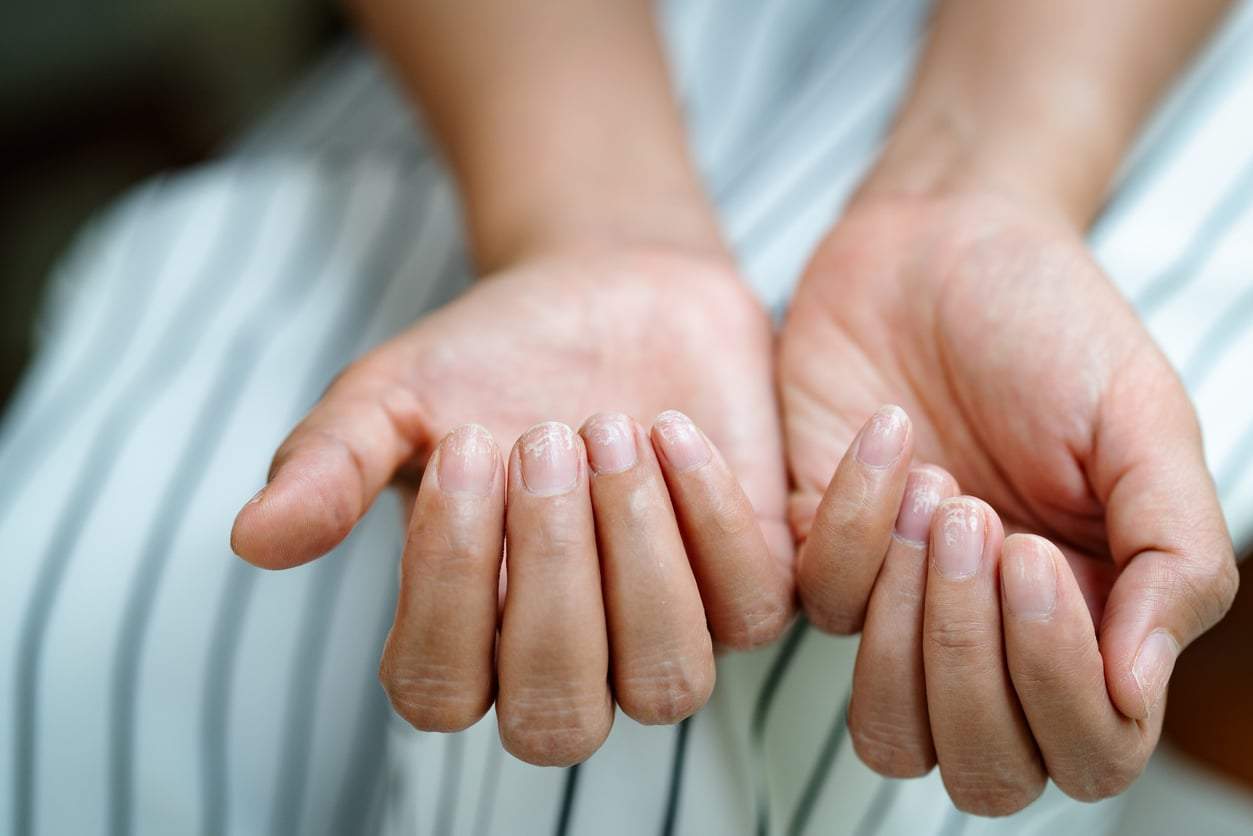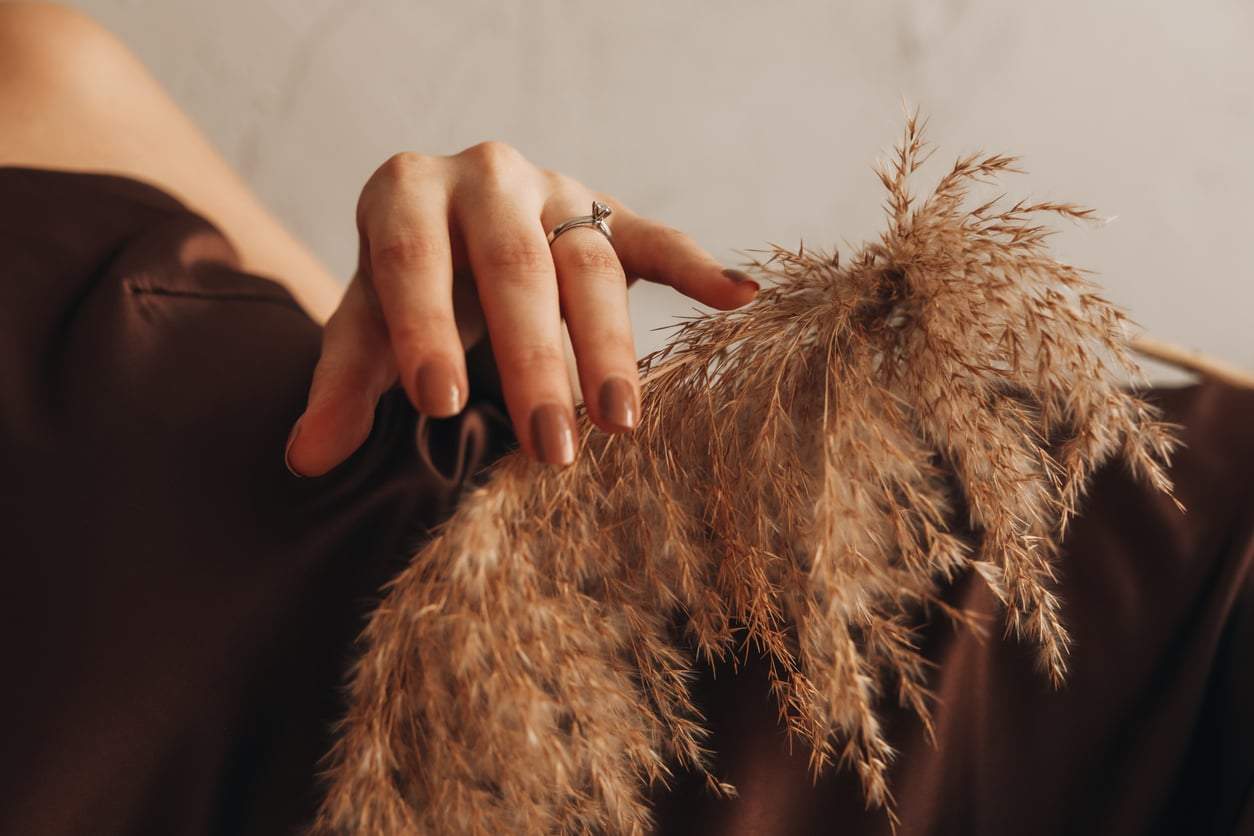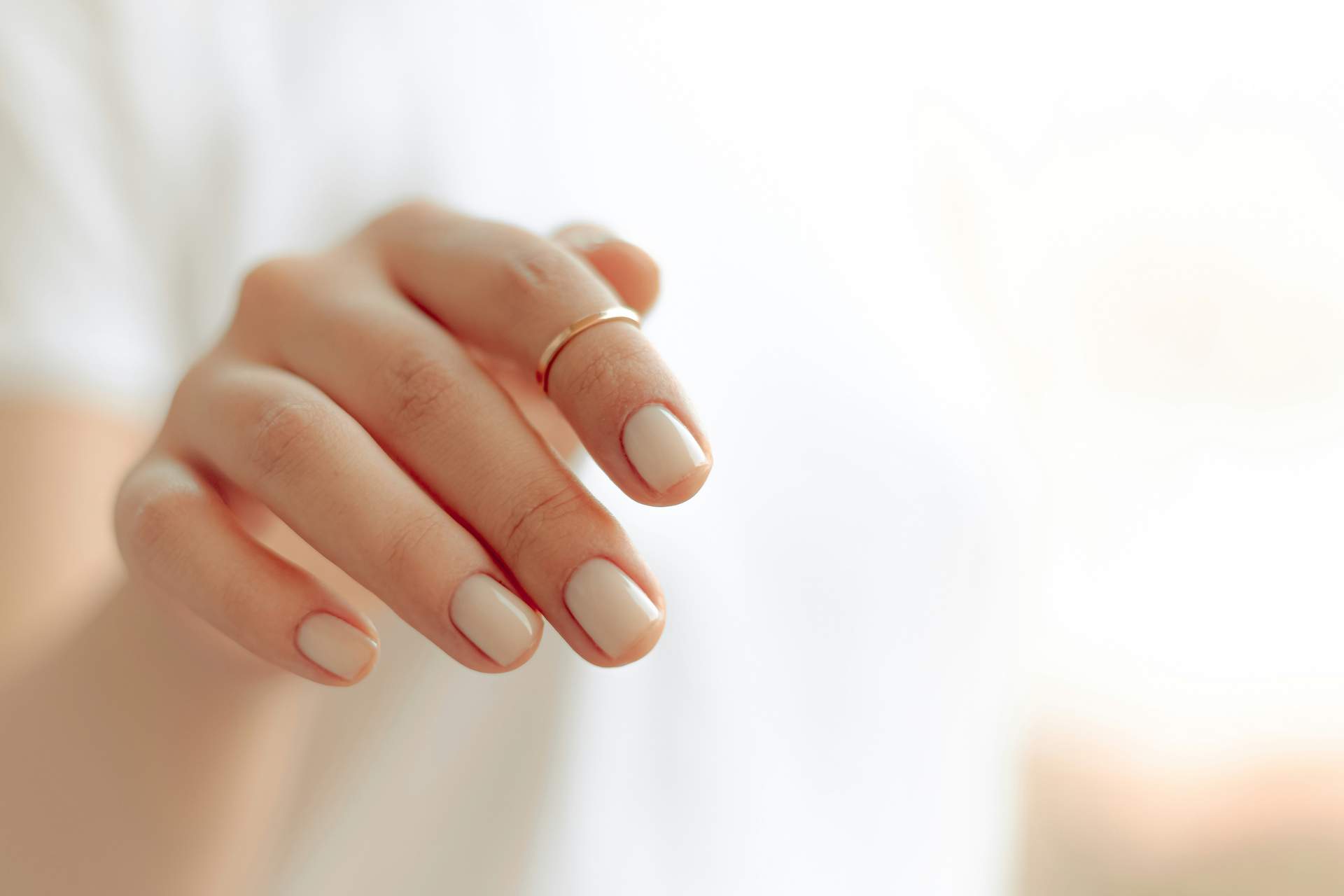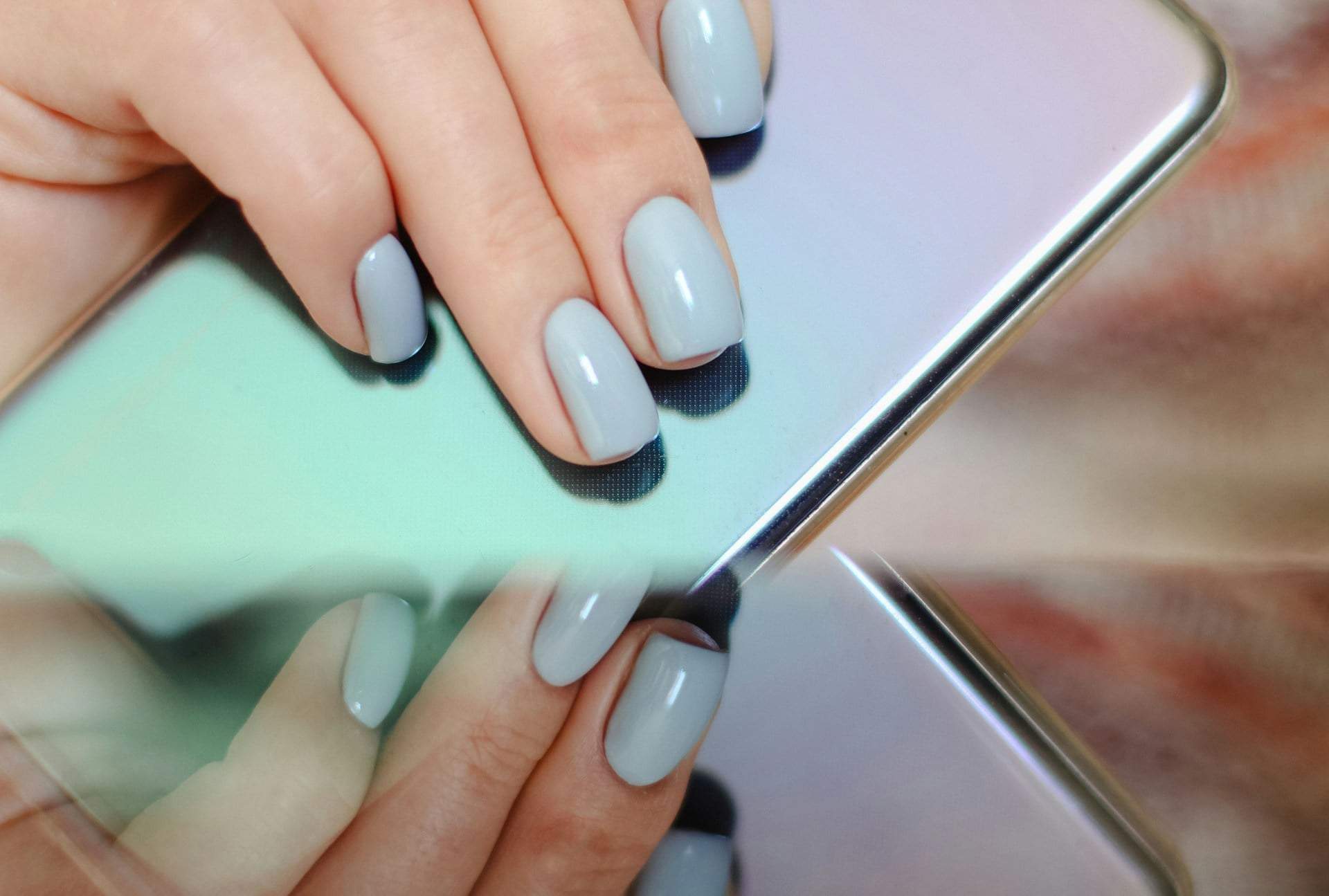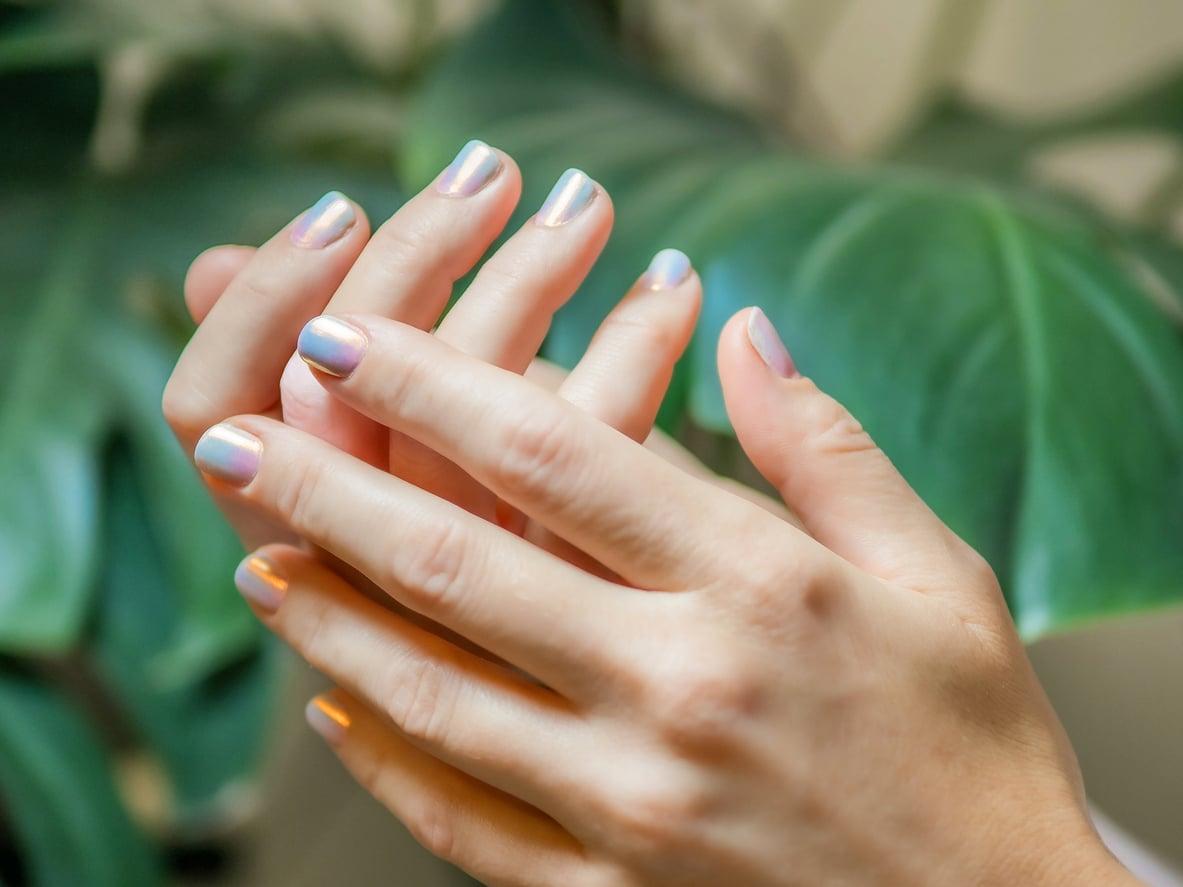
There is a particular kind of hand you notice in real life far more than on a screen: short, evenly shaped nails with a clean edge, a soft natural sheen and cuticles that look tended rather than tortured. No colour at all. It reads as expensive, and it costs almost nothing. It is also, in my experience, the single easiest upgrade available to anyone who has quietly given up on polish because it chips within a day of doing anything useful.
The catch is that bare nails are unforgiving. Colour hides ridges, staining and a wonky free edge; nothing hides them. So the bare-nail look is not the absence of a manicure. It is a manicure with the polish step removed and everything else done properly.
Shape first, and choose one shape
Most hands look better with a shorter nail than the owner assumes. A free edge of roughly two to three millimetres past the fingertip is enough to look groomed and short enough to survive a keyboard, a garden and a supermarket trip. Longer than that with no polish tends to read as neglected rather than elegant.
File in one direction with a fine-grit file rather than sawing back and forth, which frays the layers of the nail and causes the peeling everyone blames on their diet. Pick a single shape and repeat it across all ten: a soft square with rounded corners suits wide nail beds, while a gentle oval flatters narrower ones. Consistency is what your eye actually registers as tidy — ten identical short nails always look better than ten beautifully long ones in slightly different shapes.
Do this on dry nails, not straight out of the bath. Wet nails swell and file unevenly, and you end up with edges that seem fine in the moment and ragged an hour later.
The cuticle step, done gently
This is where most home manicures go wrong in both directions: either the cuticles are ignored entirely, or they are cut back so enthusiastically that the skin retaliates with redness and hangnails. The cuticle is a seal, not a flaw.
The kind approach: soften the area with a little oil or a cuticle remover, wait a minute, then push the excess skin back with a rubber-tipped hoof stick or the pad of a towel-wrapped finger. Not metal, not hard, not every day. Anything genuinely loose and dead can be trimmed with proper nippers; the living skin stays put. Once a week is plenty, and if you only ever do one thing, do this — a clean nail wall makes even an unshaped nail look considered.
Sheen without polish
Buffing gives you the glassy finish that makes bare nails look intentional, but it removes surface layers, so treat it as an occasional polish-up rather than a routine. Use the finest side of a buffer, three or four light passes, and stop before the nail heats up. Once every few weeks is a sensible ceiling; more than that thins the plate and you will feel it.
Then the step people skip: oil. A drop of cuticle oil massaged into the nail wall and the underside of the free edge, ideally at night, is what keeps the whole thing looking alive. Jojoba, almond, even a dab of your face oil in a pinch. Hand cream is not a substitute; it treats skin, not the nail matrix. If you do nothing else after reading this, keep a bottle by the kettle or the bed and use it while you wait for something.
Finally, a clear coat is allowed and often the finishing touch. A single layer of clear strengthener or a ridge-filling base gives protection and a low-key gloss, and because it is transparent, chips are invisible — which is precisely why bare-look nails survive real life better than colour.
How do I stop my cuticles looking ragged and hangnail-prone?
Hangnails are almost always a dryness problem rather than a trimming problem, so oil twice a day for a fortnight before you touch them with any tool. Push the skin back gently after showering, trim only the loose tag itself rather than pulling, and wear gloves for washing up and cleaning, because detergent is the main culprit. If an area becomes swollen, hot or painful, leave it alone and get it looked at by a professional.
Is buffing bad for your nails?
Occasional light buffing is fine; frequent aggressive buffing is not, because you are physically sanding away layers that take months to grow back. Keep to the finest grade, a few passes, and space sessions several weeks apart. If your nails feel bendy, thin or unusually sensitive afterwards, stop buffing altogether and get your shine from oil and a clear coat instead.