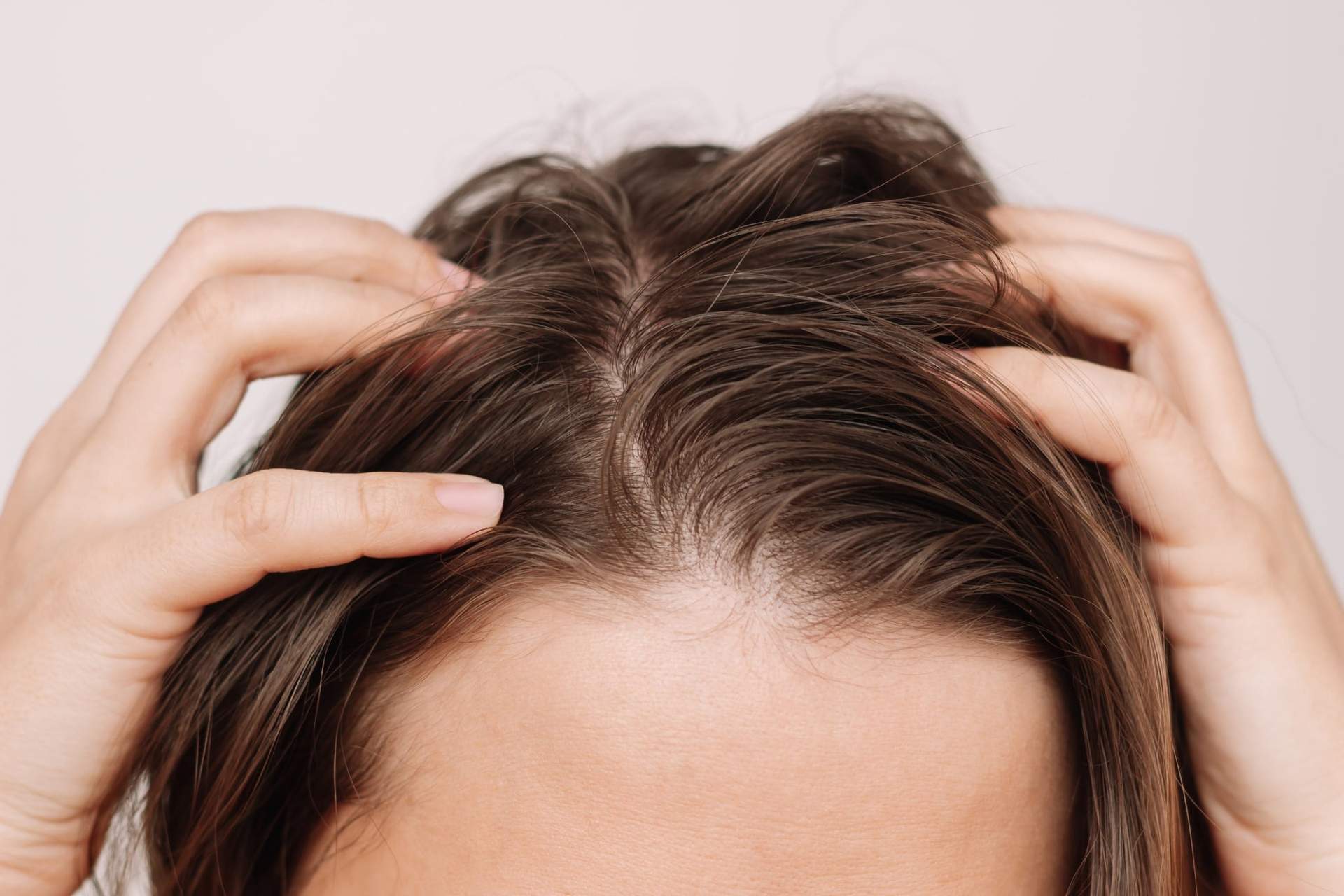
Does your day start with shiny roots and the feeling that you can't leave the house without washing your hair first? If so, you're probably dealing with overactive oil glands — and the good news is that this isn't a permanent state. It's a habit your scalp has learned, and one you can slowly, deliberately unlearn.
Why your hair gets greasy so fast
The oil glands in your scalp exist for a reason: they protect your strands from drying out. But when you strip that oil away every single day, your skin panics. It reads the loss as an emergency and ramps up production to replace what's gone.
It's a vicious cycle: the more often you wash, the faster your scalp gets greasy again — which makes you reach for the shampoo even sooner.
Going slow is the only thing that actually works
Plenty of people try to break the cycle overnight, quitting daily washing cold turkey — then giving up the moment their hair feels oily and limp. A better approach is to take it in small steps. If you wash every day right now, try skipping every third day, then gradually stretch the gaps.
Your scalp needs time to adjust to the new rhythm, and this can be a process of several weeks, even a month or two. Patience is the whole game here.
Dry shampoo that actually helps — not just hides
During the transition, dry shampoo isn't a cheat — it's a genuine tool. It doesn't just mask that greasy look; it absorbs excess oil, so your scalp doesn't get a constant signal to produce more.
The trick is to work it into your roots the night before, at bedtime. That gives it time to absorb overnight, so by morning your hair looks genuinely fresh — not dusted with white powder at the roots.
Cool water and a gentle massage
When you do wash, skip the hot water and rinse with lukewarm or even cooler water. Hot water stimulates oil production, while cooler water tightens the pores and slows the whole process down.
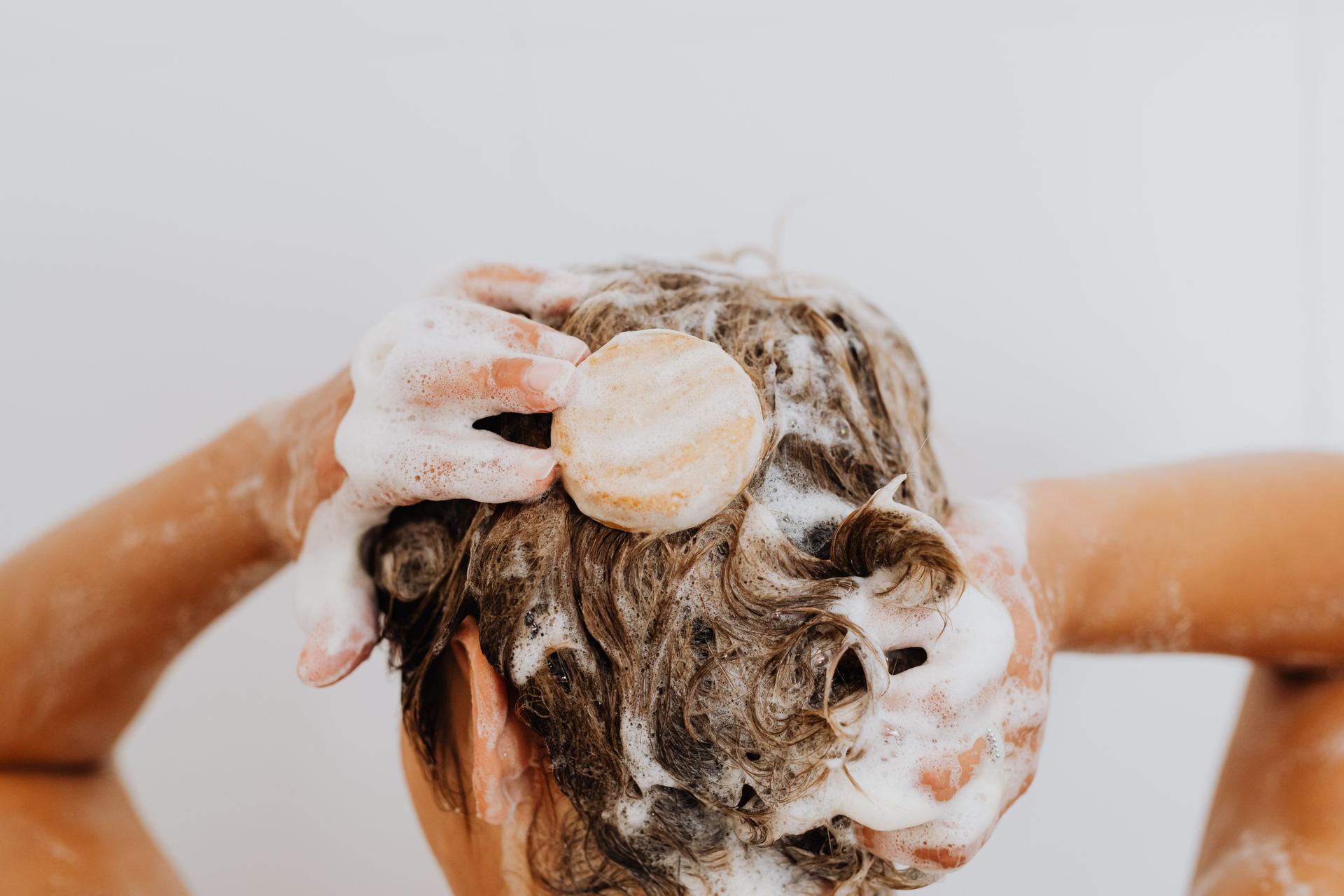
As you wash, massage your scalp gently with your fingertips, and avoid scrubbing hard with your nails. Rough scratching can cause tiny injuries — and those can trigger even more oil production.
Less shampoo, better quality
Often the real problem isn't how often you wash, but that you're using harsh, sulfate-heavy shampoos that strip the scalp almost bare. Your skin treats that as an alarm and responds with instant overproduction.
A gentler, sulfate-free formula throws your scalp off balance far less, which over time can help you go longer between washes.
Stop touching it for no reason
Here's a small, unconscious habit many people share: running your fingers through your hair or slicking it back throughout the day. That single motion transfers dirt and oil from your hands to your scalp while stimulating the glands at the same time. Break the habit, and you'll buy yourself extra time between washes.
Tie it up when you can
Hair pulled into a loose bun or ponytail touches your face, pillow and clothing far less, so less external grime reaches your scalp.
At night, it's worth switching to a silk or satin pillowcase. It's gentler on your hair than cotton and doesn't soak up the natural oils that are there to protect your strands in the first place.
How long does it take to retrain your scalp?
It's a gradual process, typically several weeks and sometimes one to two months. Your scalp needs time to slow its oil production and adjust to being washed less often.
Does dry shampoo really help, or does it just cover up oily hair?
A good dry shampoo does more than mask the look — it absorbs excess oil, so your scalp gets less signal to produce more. Applying it at night lets it work while you sleep.
Why does washing my hair every day make it greasier?
Washing daily strips away the scalp's protective oil, and your skin reads that loss as an emergency. It responds by producing even more oil, which keeps the cycle going.
Is hot or cold water better when washing greasy hair?
Cooler water is better. Hot water stimulates oil production, while lukewarm or cool water tightens the pores and helps slow the process down.