You don't need to be a makeup artist to find the eyebrow shape that truly suits your face. All it takes is a few simple reference points, a steady hand, and a little patience with the tweezers.
Why a one-size-fits-all template never works
The eyebrow trends flooding social media are almost always designed with one specific face shape in mind — yet everyone tries to copy them regardless. A strongly arched, thin brow can slim a round face beautifully, but on a square jawline it only amplifies harshness. Without understanding your own facial structure, even the most expensive brow pencil will work against you.
That's why the very first rule of eyebrow shaping isn't a particular shape at all — it's a measuring method that makeup artists have used for decades, and one you can easily master at home.
The three points that decide everything
Grab a thin pencil or a makeup brush and hold it against the side of your nostril. These three reference points will map out your ideal brow:
- The starting point: hold the pencil straight up from the nostril — that's exactly where your brow should begin. If it starts any further inward, your face can look narrow and closed off.
- The arch peak: angle the pencil from your nostril toward the outer edge of your iris. Where that imaginary line crosses your brow is where the highest point should sit — not at the very end of the brow.
- The endpoint: angle the pencil from your nostril to the outer corner of your eye. That diagonal line shows you exactly where your brow should finish. Cut it shorter and your face can look rounder, even a little startled.
These three points create a proportional arch that looks natural on most face shapes — because it follows your own bone structure, not a passing trend.
The arch peak matters more than anything else
Many shaping mistakes have nothing to do with width — they come from placing the arch peak in the wrong spot. If it sits too close to the inner end of the brow, your face can read as permanently surprised or sad. Too close to the outer end, and the entire line droops, making you look tired.
The most natural result comes from positioning the peak roughly two-thirds of the way along the brow's full length, not in the middle. It sounds like a tiny detail, but this single adjustment is what separates a face that looks awake and open from one that looks worn out.
Thickness: don't blindly follow the trends
Recent years have swung between ultra-thin brows and full, natural-looking brows being the height of fashion. The truth is, thickness should be guided by your brow's natural hair density and the scale of your face — not by whatever look is trending this season.
A solid rule of thumb: keep your brows' natural thickness and only remove stray hairs that fall clearly outside the natural line. This protects you from the kind of irreversible over-plucking that leaves you reaching for brow serums for years, trying to recover what was once just there.
The color that doesn't give itself away
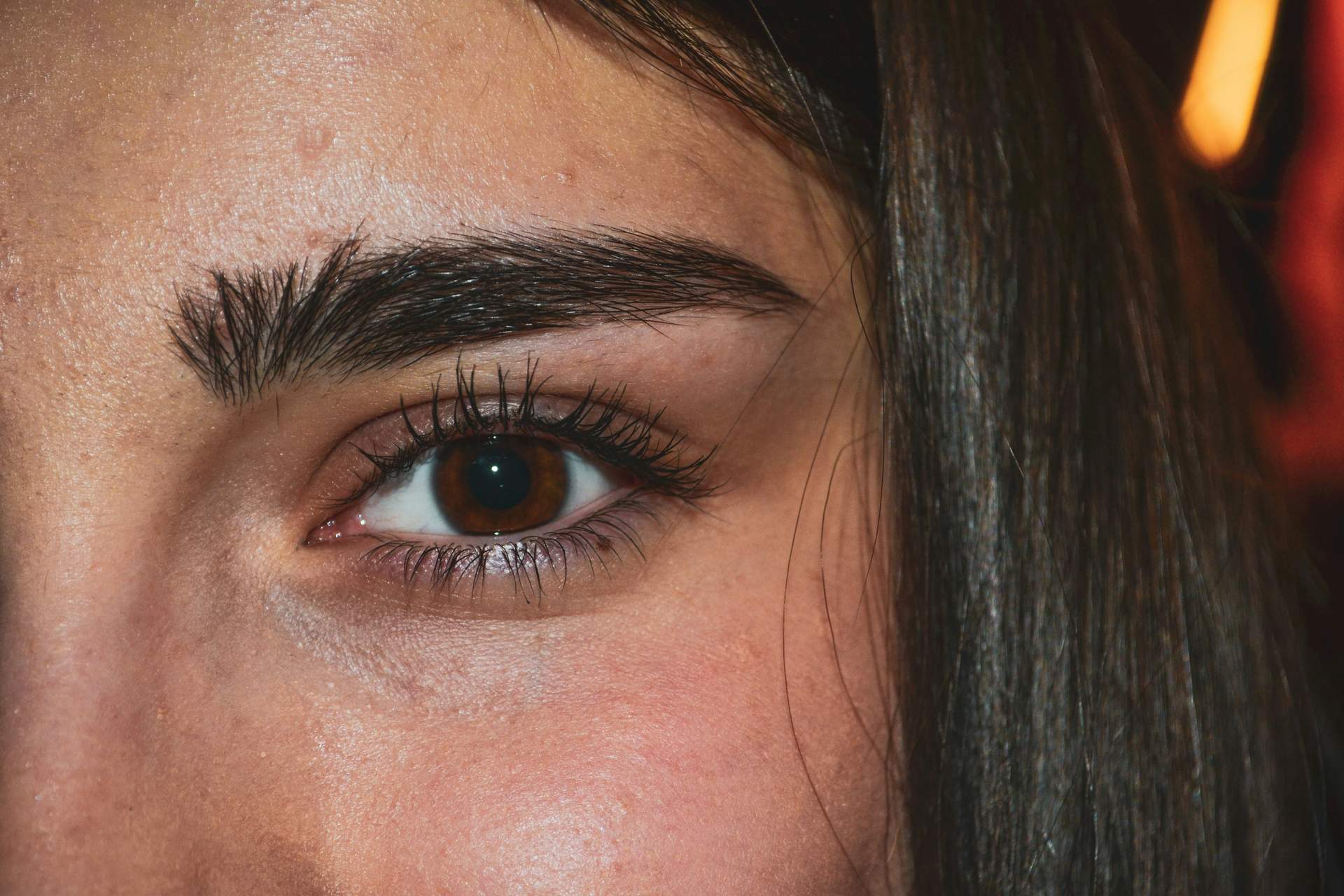
Even a perfectly shaped arch can look artificial if the color is too dark or contrasts too sharply with your hair. For the most natural result, choose a brow pencil or powder one shade lighter than your hair color. If you have dark hair, reach for a warm brown or soft grey-brown rather than black.
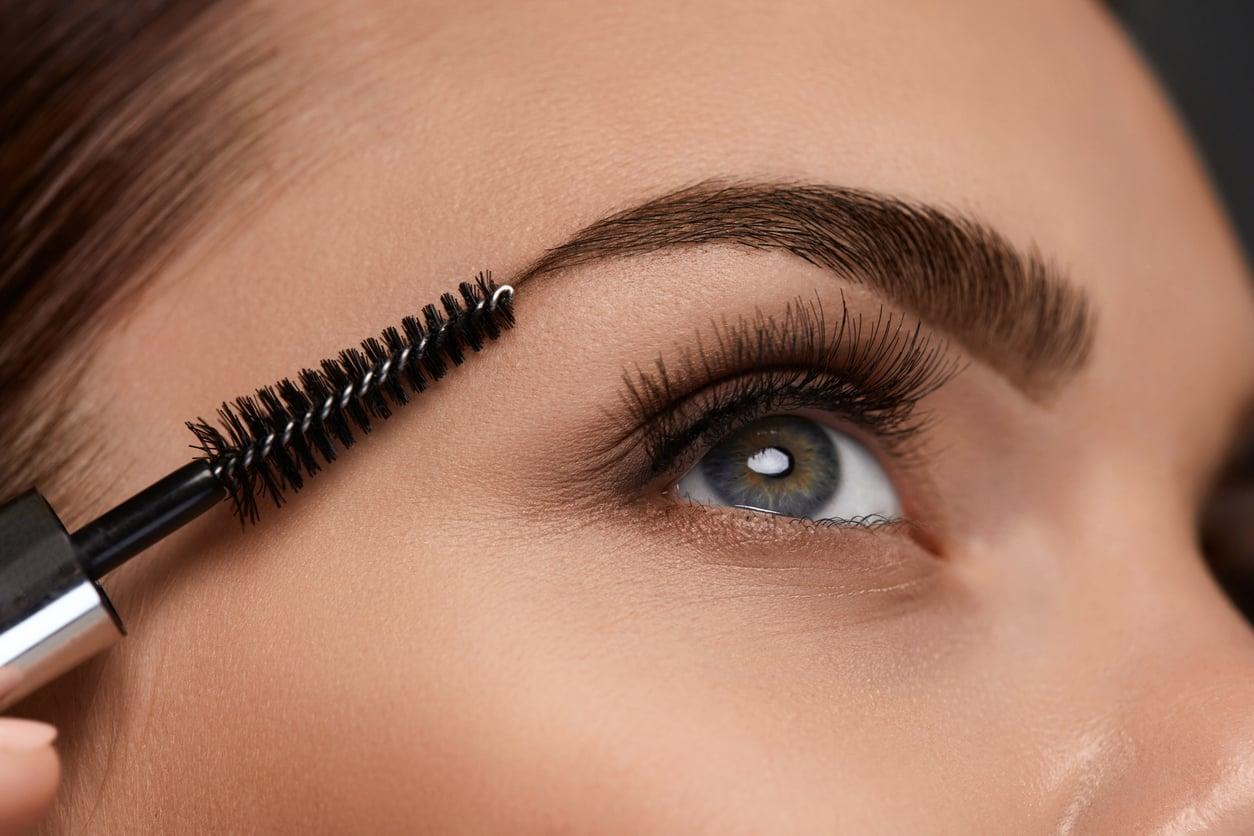
Brushing direction matters too: always comb the hairs upward and slightly outward. This simple habit creates that open, bright-eyed look that most people are chasing when they shape their brows in the first place.
When it's worth seeing a professional
If you've been maintaining the same brow shape for years but the result never quite looks right, it might be time to hand things over to an expert — just once. A skilled brow specialist won't just tidy things up; they'll show you exactly where your personal reference points sit, so you can easily maintain the shape at home going forward.
Eyebrow shaping isn't a one-time event — it's ongoing maintenance. Hair grows back, your face subtly changes over time, and every year or so it's worth reassessing whether the arch you've been following still genuinely suits the face you have now.
What's the easiest way to find my brow's starting point?
Hold a straight pencil or makeup brush vertically against the side of your nostril. Where it meets your brow bone is exactly where your eyebrow should begin. Starting any further inward can make the face look cramped.
How do I know where the arch peak should be?
Angle the same pencil from your nostril toward the outer edge of your iris. The point where that line crosses your brow is your natural arch peak. Ideally it should fall about two-thirds of the way along the brow, not at the center or the tail.
Should I match my brow color exactly to my hair color?
Not exactly — going one shade lighter than your hair color tends to look the most natural. If you have very dark hair, a warm brown or grey-brown will give a softer, more realistic finish than a true black.
How much should I actually pluck?
As little as possible. The best approach is to keep your brow's natural thickness and only remove stray hairs outside the natural boundary. Over-plucking can cause long-term thinning that is very difficult to reverse.