The base aisle has quietly reorganised itself. What used to be a straight choice between full coverage and nothing at all is now a spectrum: skin tints, serum foundations, blurring fluids, flexible-coverage formulas that promise to be buildable and breathable at once. It is genuinely good news for anyone over 40, because the old heavy formulas were rarely doing us any favours. But it also means standing in front of a shelf trying to work out what the difference actually is between three products that all look like slightly beige water.
What the categories really mean
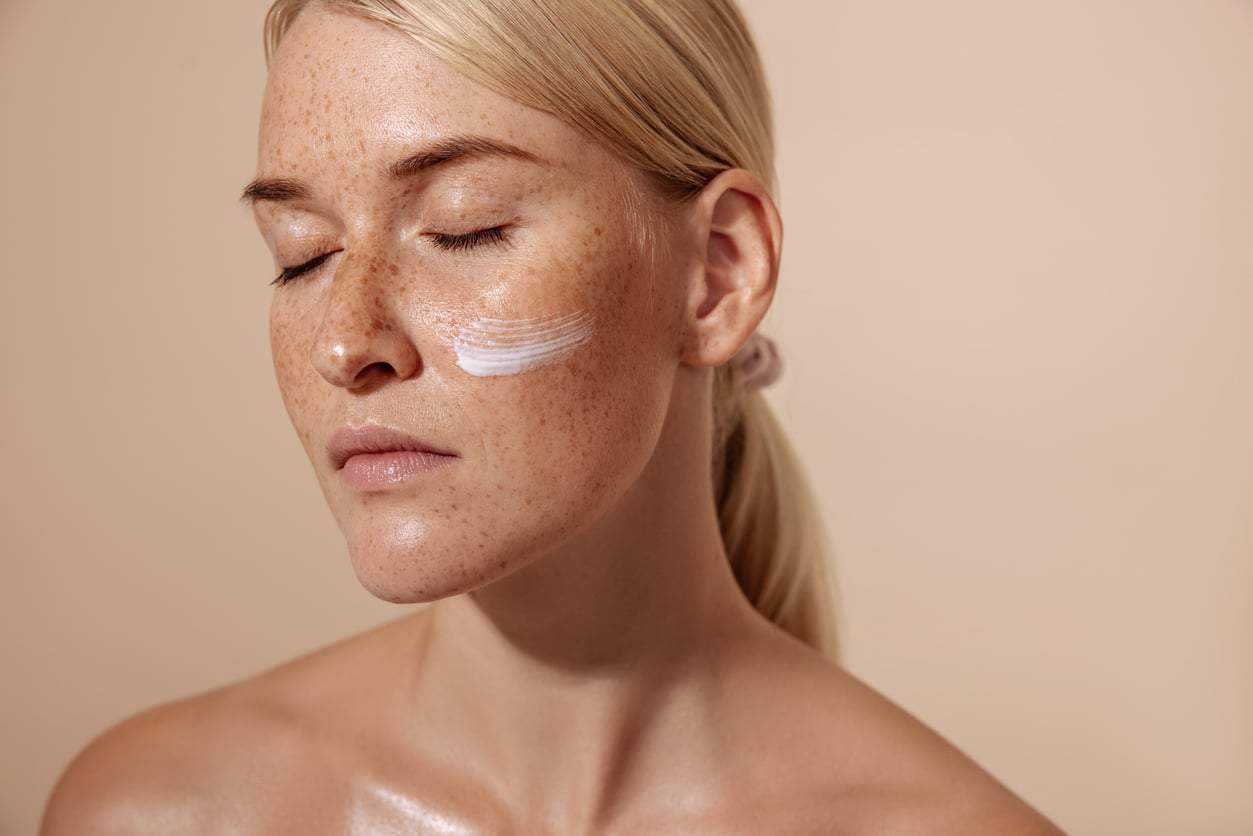
Tinted moisturiser is a moisturiser first. It hydrates, evens tone very slightly, and disappears into skin — the right choice if your complexion is fairly even and you mostly want a softened, less patchy version of your own face. Skin tint sits a step further along: less about hydration, more about a light wash of colour that blurs redness and dullness while leaving texture and freckles visible. It usually has more pigment than a tinted moisturiser and far less than a foundation.
Foundation is still foundation, but the modern versions are lighter than the ones many of us grew up on. The word to look for is buildable: a thin first layer that can be reinforced only where you need it. If you have significant pigmentation, post-inflammatory marks or rosacea, a genuinely buildable foundation applied sparingly will look far more natural than a skin tint layered four times over.
Match the formula to how your skin behaves now
Skin in your forties and beyond often behaves differently in different zones, and that is the thing to design around. If your cheeks feel tight by mid-morning, avoid anything described as long-wear matte across the whole face; a satin or luminous formula on the cheeks with a light powder only on the T-zone will hold better and look far more alive. If your skin has become oilier around the nose and chin — which happens more often than people admit — you don't need a matte base everywhere, just a mattifying primer where the shine appears.
Texture matters more than coverage. On mature skin, the enemy of a good base is not thin coverage, it is product pooling in lines and around the nose. Anything thick, dry-finishing or heavily silicone-based will emphasise exactly what you were hoping to soften.
Prep does more than the product
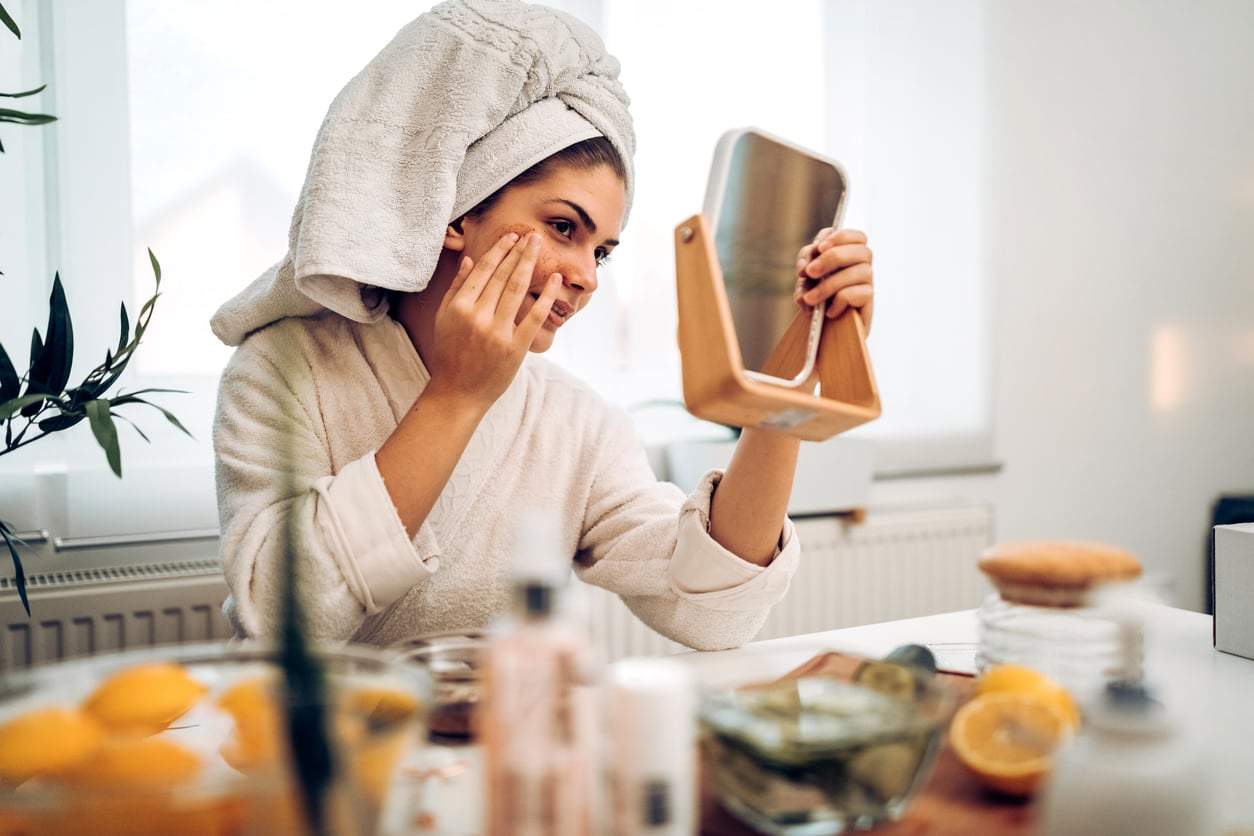
Almost every complaint about a base — patchiness, sliding, clinging to dry flakes — is a preparation problem. Gentle exfoliation two or three times a week keeps the surface even enough for pigment to sit smoothly. Moisturiser needs a couple of minutes to sink in before anything goes on top; if you apply base onto damp cream, it will move all day.
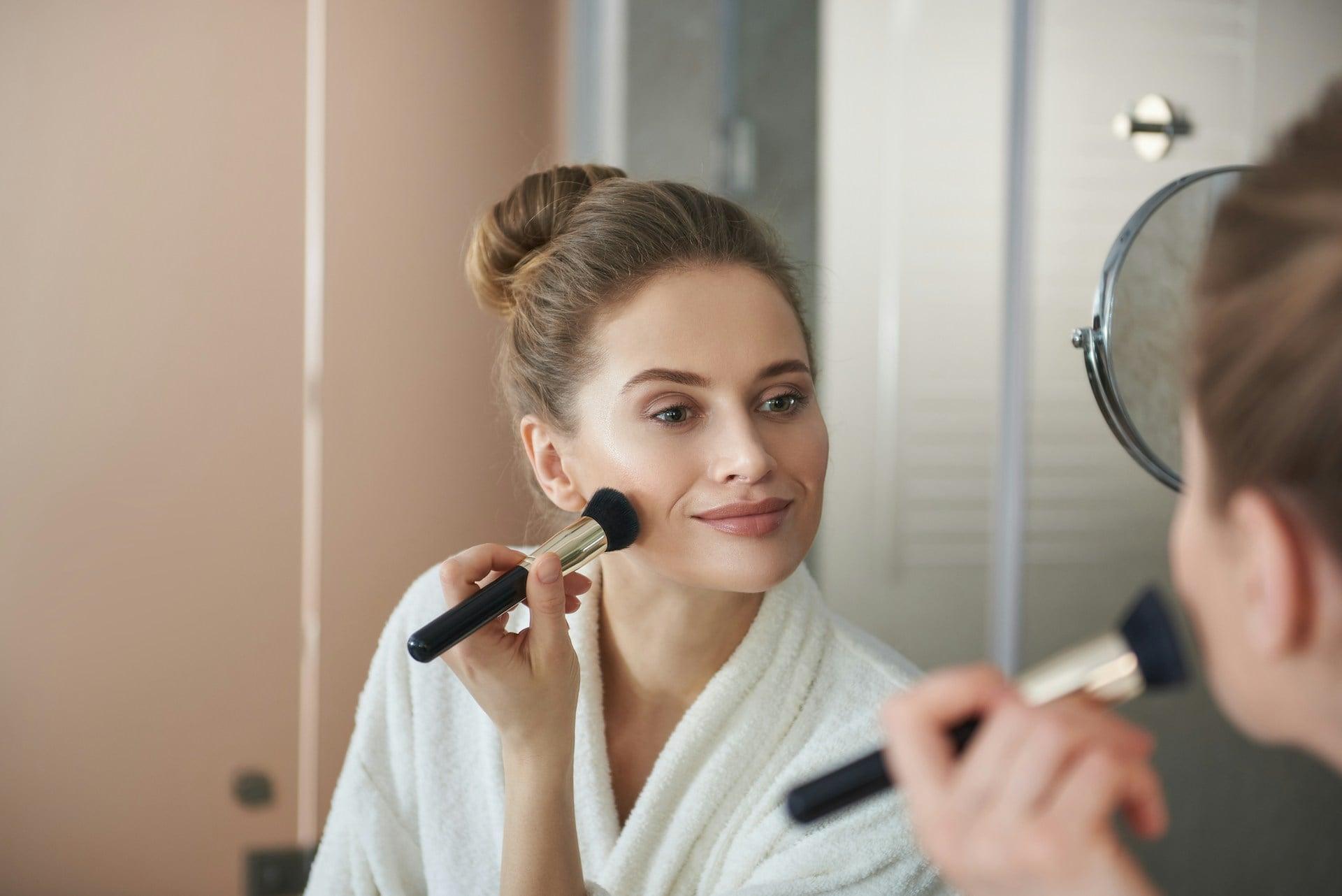
Application matters too. Warm the product on the back of your hand, apply with fingers or a damp sponge from the centre of the face outwards, and stop before you reach the hairline and jaw. Coverage should be concentrated where you actually want it — around the nose, on any redness, over pigmentation — and almost absent everywhere else. That contrast is what makes skin look like skin rather than a mask.
How do I stop my base settling into fine lines?
Use less product than feels right, and press it in rather than dragging it across the face — a damp sponge tapped over the area encourages the formula to sit in the skin instead of on top of it. Skip powder over the eye area and around the mouth entirely, or use a tiny amount on a small brush only where you actually get shine, because powder is what turns a soft line into a visible one by the afternoon.
Can I wear a skin tint if I have visible pigmentation?
Yes, if you treat it as your all-over layer and let a concealer do the specific work. Apply the tint everywhere for tone, then use a slightly more opaque concealer only on the dark patches, tapping the edges out until they blur. That combination almost always looks lighter and more natural than trying to build a sheer product up to full coverage, which tends to go grey and heavy long before it hides anything.
How do I test a shade properly?
Test along the jaw in daylight, not on the back of your hand, and leave it for at least ten minutes before deciding — many formulas oxidise slightly and settle a shade deeper than they first appear. If you are between two, take the one that leans slightly warm; skin tends to look healthier in a shade that is a touch warmer than it does in one that is too cool and pink.