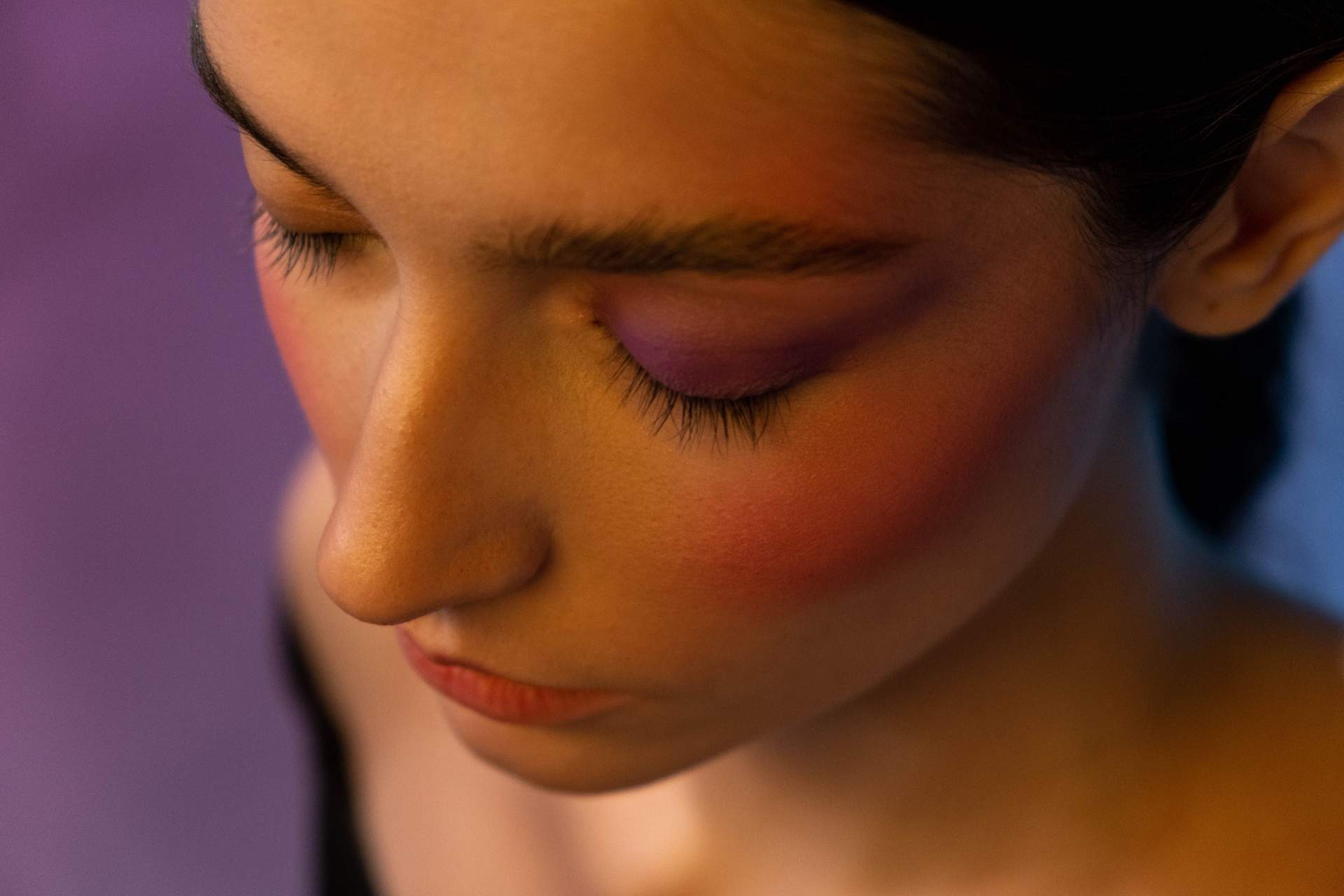
We have had a long run of extremely rosy cheeks. Blush crept up to the temples, down to the nose, out onto the eyelids, and somewhere in there a lot of us stopped asking whether it suited us. So it is no surprise that the mood has swung the other way and makeup artists are quietly putting the blush down. The anti-blush face is not bare, though — and that is the part people get wrong. Remove pink and put nothing in its place and you do look flat. Remove pink and redistribute the warmth, and the result is clean, modern and slightly expensive-looking.
What the anti-blush look actually is
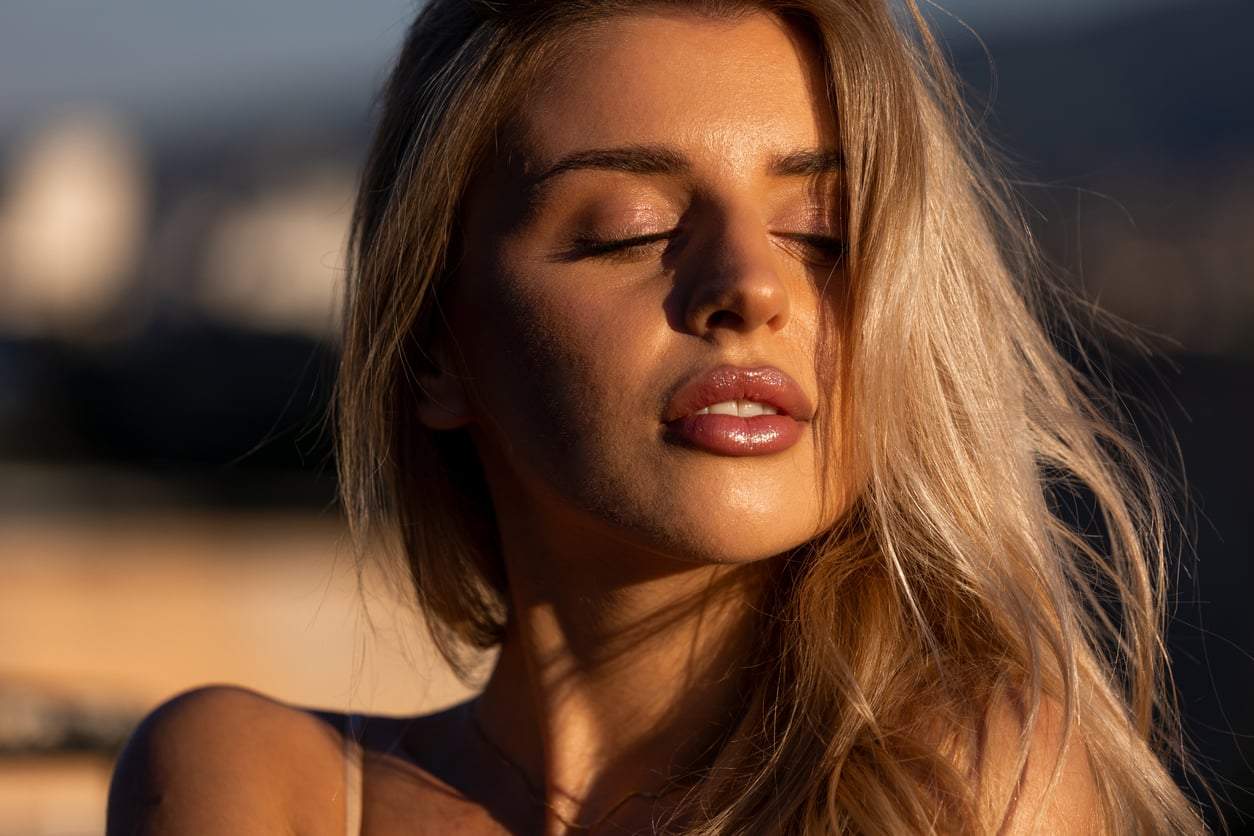
It is a face built without a visible flush. Skin is even, there is structure and warmth, but no distinct patch of colour sitting on the apple of the cheek. Think of the way skin looks in good late-afternoon light: warmer at the edges, clear through the centre, with the interest concentrated on the eyes or the mouth rather than spread over everything.
It suits anyone who has ever felt that blush makes them look feverish rather than fresh, anyone with naturally high colour or redness they would rather not amplify, and anyone who wants a face that reads as polished at work. It is also brilliantly quick, which is its own argument on a dark October morning.
Where the warmth goes instead
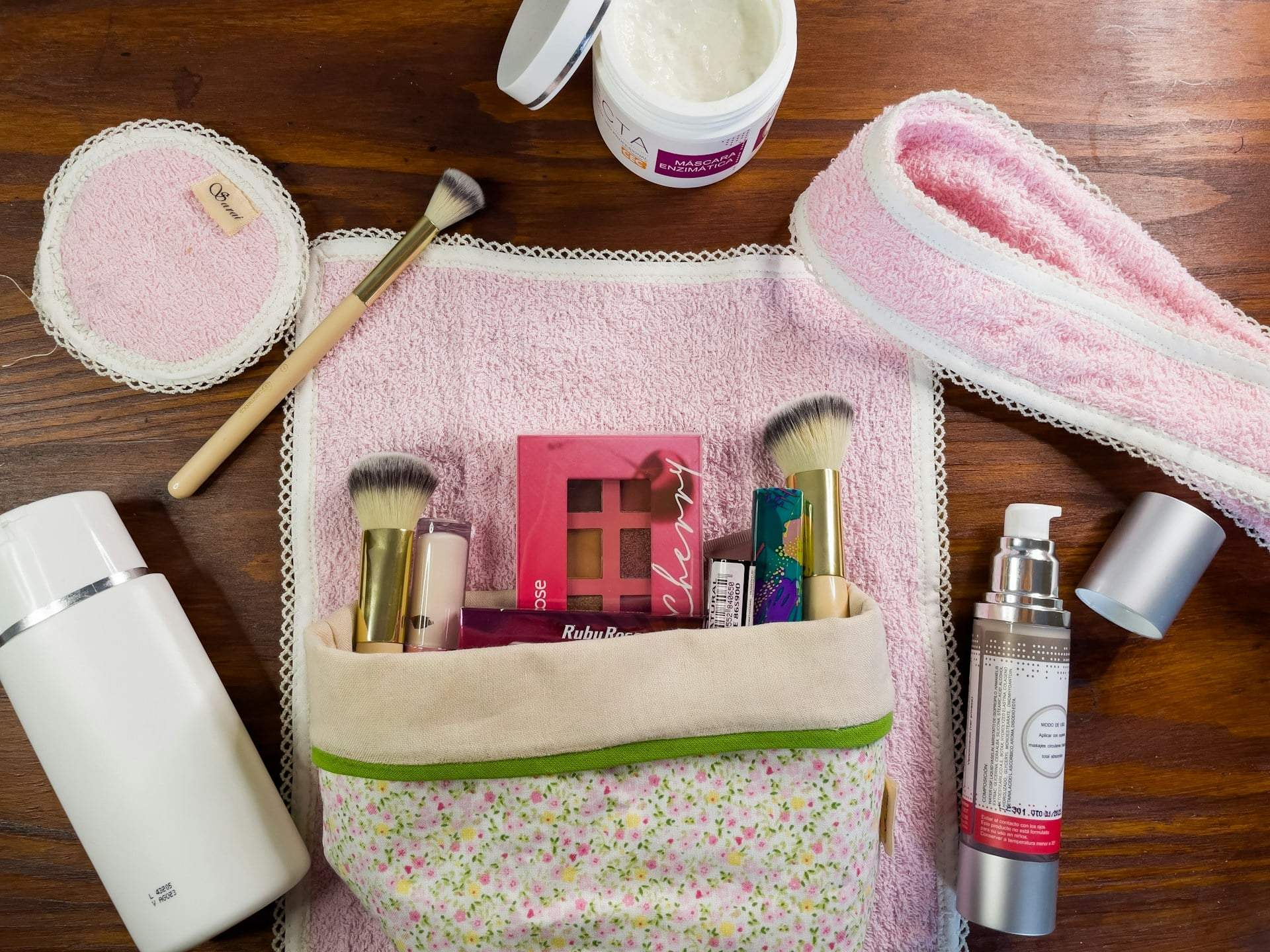
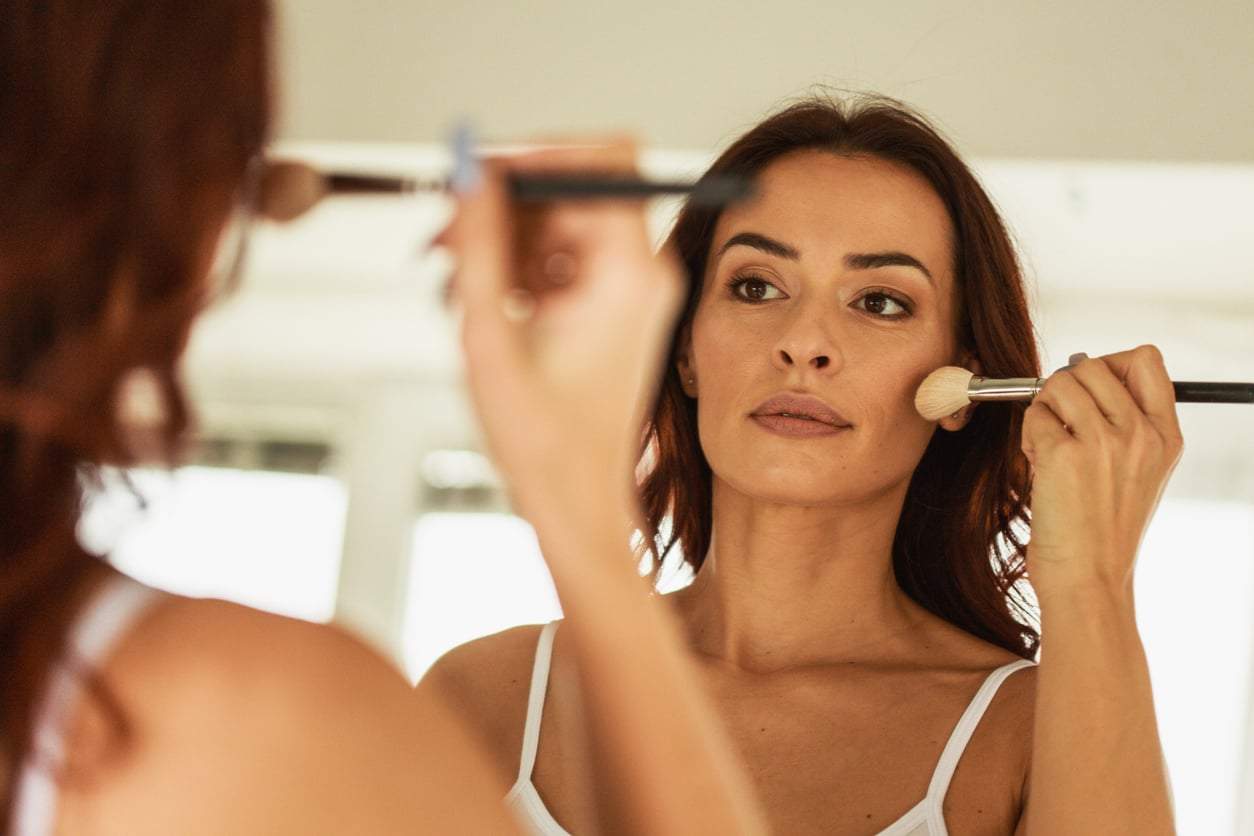
The warmth moves outward and downward. A soft bronzing product — cream or powder, matte or barely satin — placed along the hairline, the outer edge of the cheekbone and lightly under the jaw gives the face a frame. Keep it low and diffuse: the mistake is to drag bronzer forward onto the cheek where blush used to live, which just gives you a muddy stripe. Blend upwards towards the ear, and take a whisper of the same product onto the eyelids so nothing looks disconnected.
A little goes on the tops of the ears and down the sides of the neck too, especially if you are wearing your hair up. The goal is the look of skin that has been somewhere mildly sunny, not contouring in the architectural sense.
Build the face around one focal point
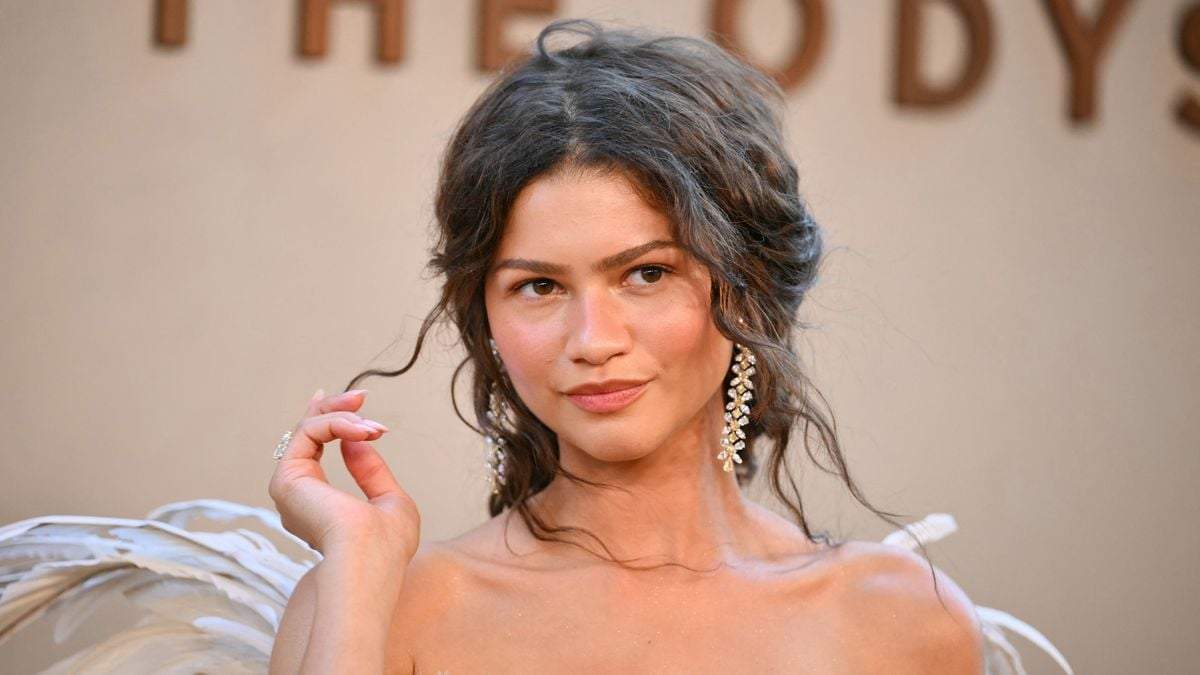
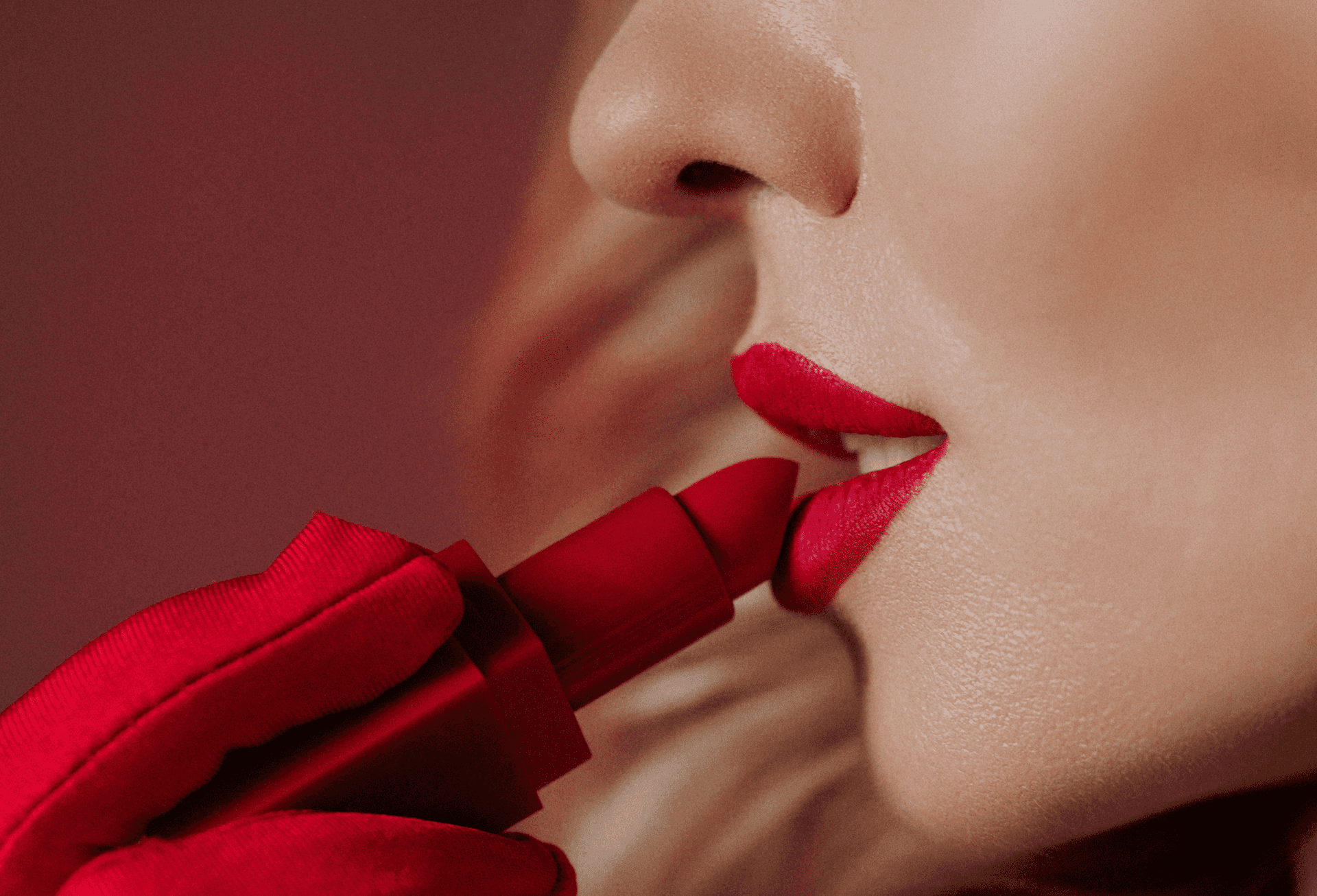
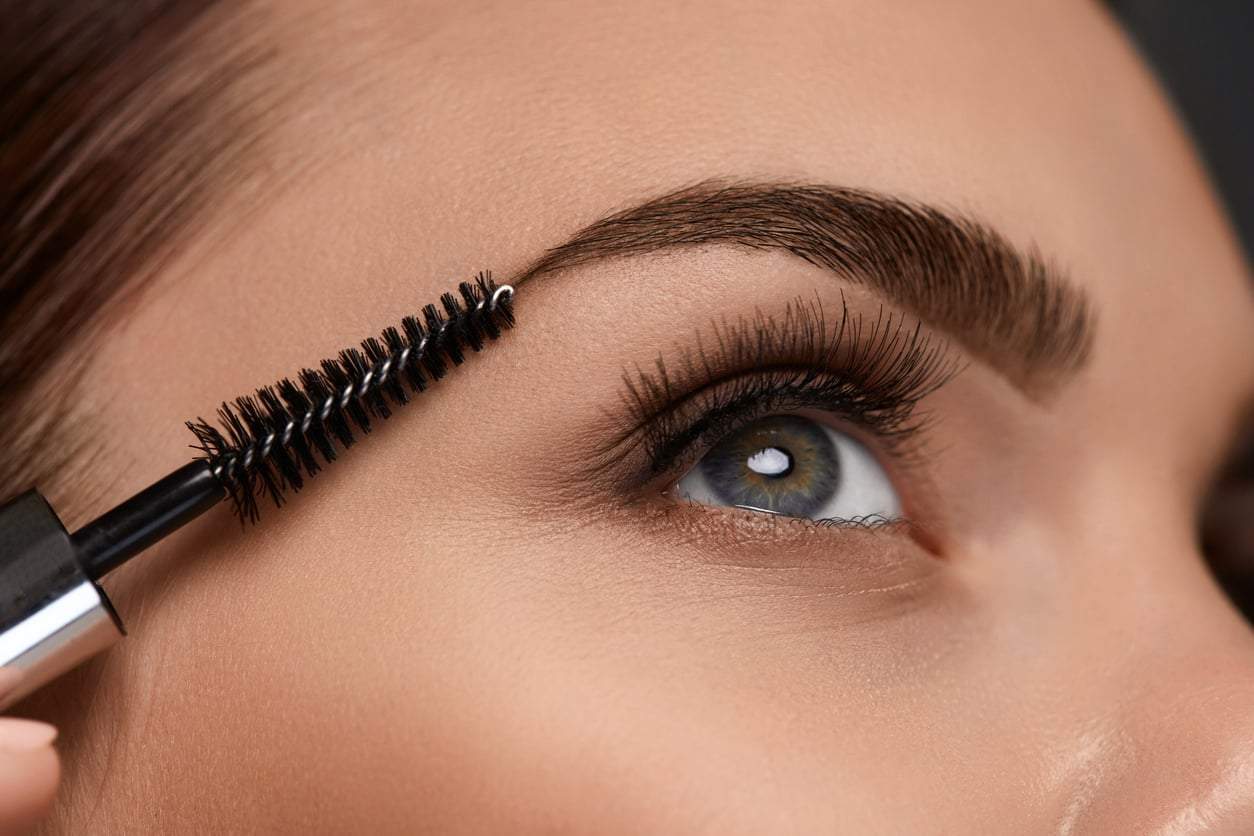
Without blush, something else has to carry the look. Usually it is the mouth. A berry stain, a brown-rose, a glossy neutral — any of them become the point of the face, and the cheeks' job is simply to support them. Alternatively, let the eyes lead: a soft smudge of bronze or taupe along the lash line, mascara, and brows brushed up and filled where they are sparse. Brows matter more than usual here, because they supply the structure that colour used to.
What you want to avoid is three competing focal points, which is how a blush-free face can tip into looking oddly done. Choose one, keep the other two quiet.
The textures that keep it from looking flat
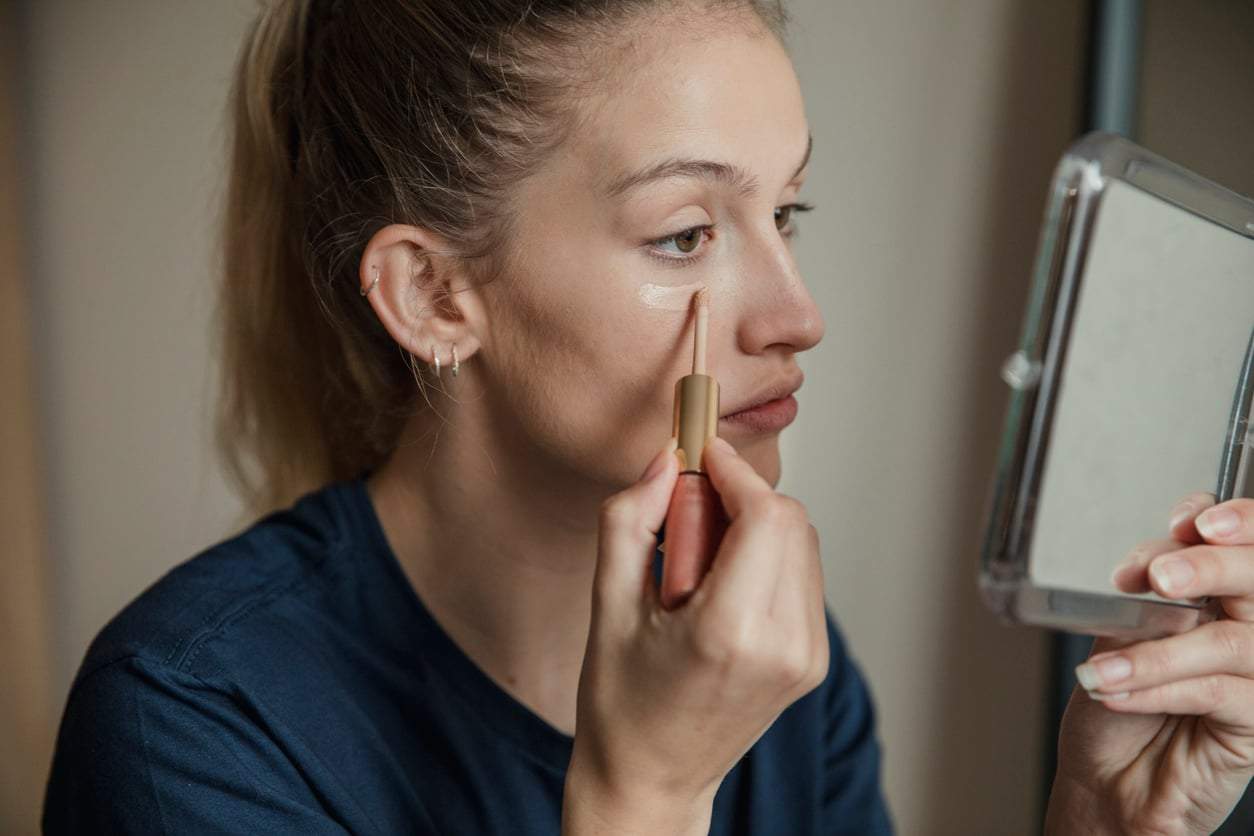
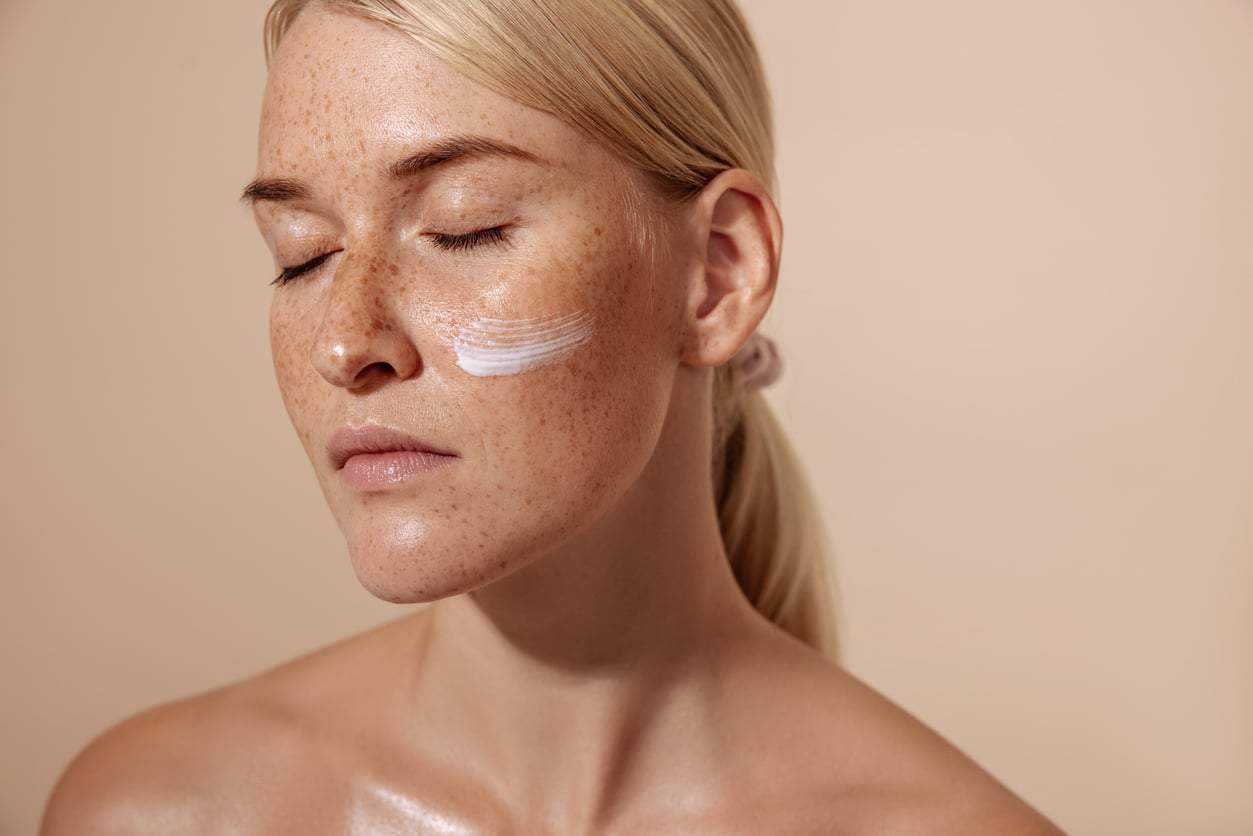
Flatness comes from texture, not colour. If skin, bronzer and lip are all matte, the face loses dimension immediately. Leave a little natural sheen through the centre of the face by using less base there, or press a dab of balm or a cream product onto the high points of the cheekbones after everything else. A creamy concealer under the eyes, well blended, does more for looking awake than blush ever did.
Check your work in daylight at arm's length, not in a magnifying mirror six inches away. From normal conversational distance the face should look warm and even, with no obvious edges. If it reads grey, add warmth at the temples rather than reaching back for the pink.
Does the anti-blush look work on deeper skin tones?
It works beautifully, but the products need to be chosen for depth rather than borrowed from a lighter palette. Look for bronzers and warm browns with enough pigment to show up without turning ashy, and consider a deep copper, terracotta or plum as the warm element if a conventional bronzer disappears on you. The principle is identical: warmth at the perimeter, clarity through the centre, one deliberate focal point.
Will skipping blush make me look older?
Not in itself — what ages a face is flatness and harsh edges, not the absence of pink. If you find you miss the lift, you do not have to go all the way: a sheer cream in a muted brick or soft plum, tapped high on the cheekbone and blended until it is barely a colour, gives you the glow without the obvious circle of blush. Treat the trend as permission to experiment rather than a rule, and keep whatever actually makes you look like yourself on a good day.