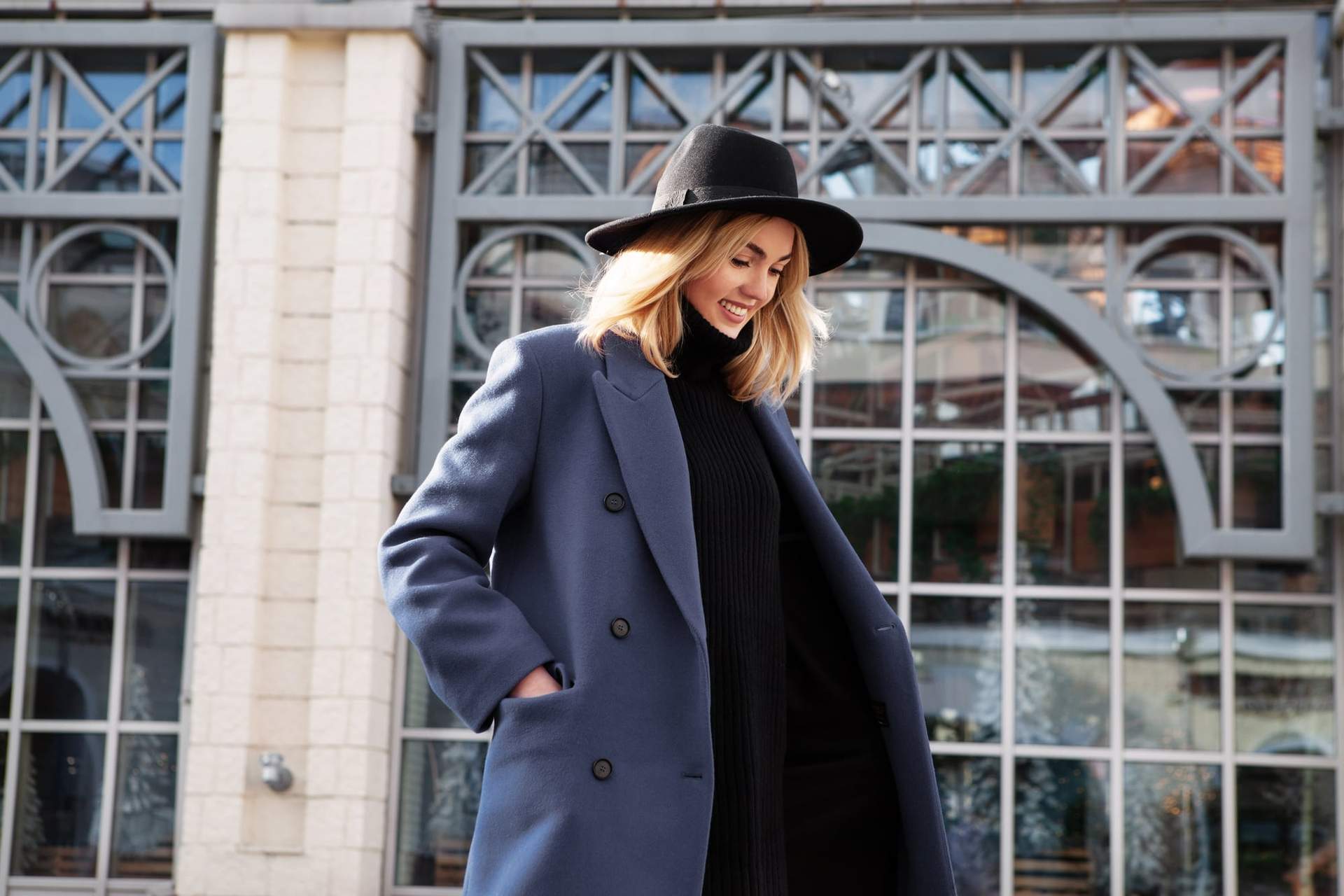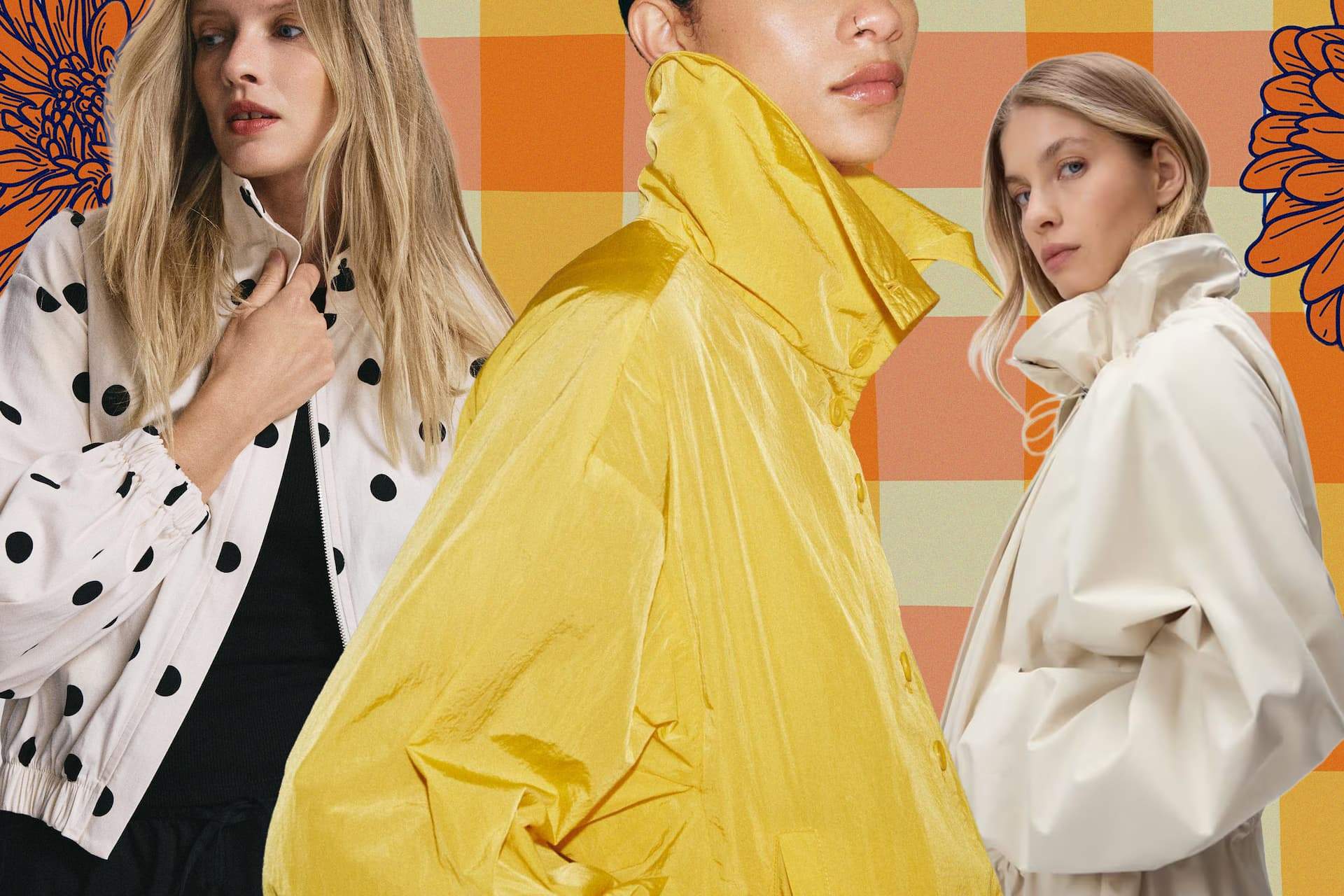
Every few seasons the shoulder quietly returns, and every time, someone panics about looking like an eighties boardroom. The current version is much gentler than that: a thin, soft pad sewn into an otherwise ordinary cotton T-shirt, doing nothing more dramatic than holding the fabric out an inch further than your own body would. Put one on next to your usual tee and the difference is startling — the whole silhouette straightens, the waist reads smaller, and jeans you were bored of suddenly look styled.
It's one of the few wardrobe tricks that costs almost nothing in effort. But there is a right and a wrong version, and the difference is entirely in the construction.
Why a shoulder changes the shape of everything below it
Dressing well is mostly a conversation between the top and bottom of the body. If your hips or thighs are the widest part of your outline, a wider shoulder balances the two ends and the eye reads a smooth line rather than a triangle. It's the same logic behind a strong blazer, a puff sleeve or a boat neck — you're not hiding anything, you're just giving the top half equal weight.
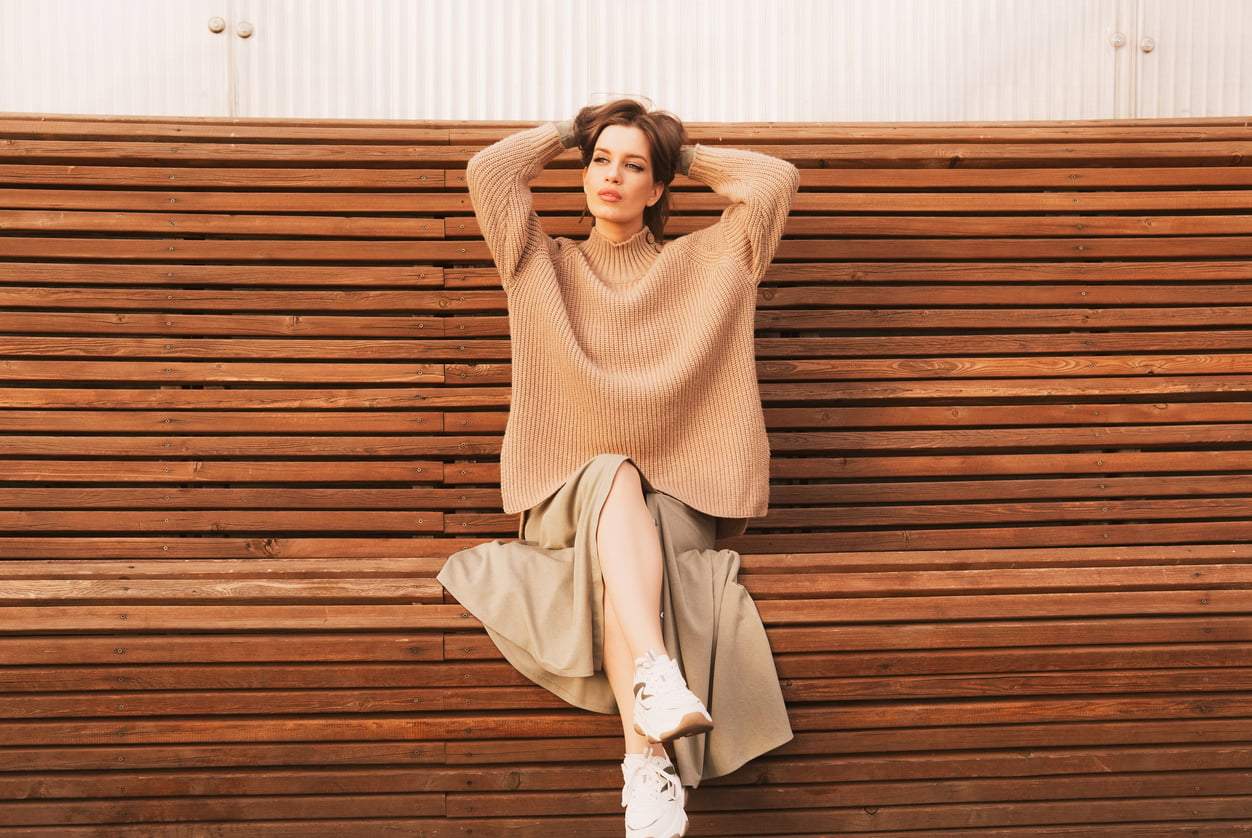
The practical upside is that everything you already own works harder. Wide-leg trousers stop looking bottom-heavy. A full midi skirt gains a proper waist. Even leggings and a long cardigan, that most defeated of combinations, look intentional when the shoulder underneath has some architecture.
How to spot a good one in the shop
Hold the T-shirt up and look at where the pad sits. It should end exactly at the edge of your shoulder bone, not beyond it — a millimetre past and you get the costume effect everyone fears. The pad itself wants to be thin and pliable, the kind you can fold in half between two fingers. If it feels like a sponge or holds a rigid curve, walk away.
Fabric matters as much as padding. Thin, clingy jersey collapses around the pad and shows the outline, which looks like a mistake. Look for a slightly heavier cotton, a compact jersey or a ponte-style knit with a bit of body — enough weight to skim rather than drape into the shape of the padding. And check the seam is properly enclosed, not just tacked in place, or it will migrate the first time you wash it.
Four ways to wear it that never look dated
Keep everything else quiet. The whole point is a strong line, so the outfit should be plain: the structured tee tucked into high-waisted straight jeans with a belt, and nothing else fussing for attention. That's the version I wear most.
Second, half-tuck it into a long slip skirt for the softest possible contrast — hard shoulder, liquid hem. Third, wear it under an open blazer in autumn, which doubles the shoulder without adding bulk, as long as the blazer itself is unpadded. Fourth, and my favourite trick for evening, go monochrome: black tee, black wide trousers, one piece of good jewellery. It looks like tailoring and feels like pyjamas.
Colour-wise, start with black, ivory, navy or a deep neutral. Prints fight the silhouette; you want the shape to be the story.
Do shoulder pads make you look bigger?
Not if they're the right width — a pad that stops at your natural shoulder edge tends to make the waist and hips read narrower by comparison, which is the opposite of bulk. Where it does go wrong is on naturally broad or square shoulders, because you're adding to the widest part of an already-strong upper body. If that's you, look for a soft raglan or a wide neckline instead, which gives you the same clean line without extra width.
How do I wash a T-shirt with shoulder pads?
Turn it inside out, use a cool wash and skip the tumble dryer entirely — heat is what makes thin padding buckle and go lumpy. Dry it flat on a towel or on a broad hanger rather than pegging it by the shoulders, and give the pad a gentle pinch back into shape while it's still damp. Done that way, a good one keeps its line for years.