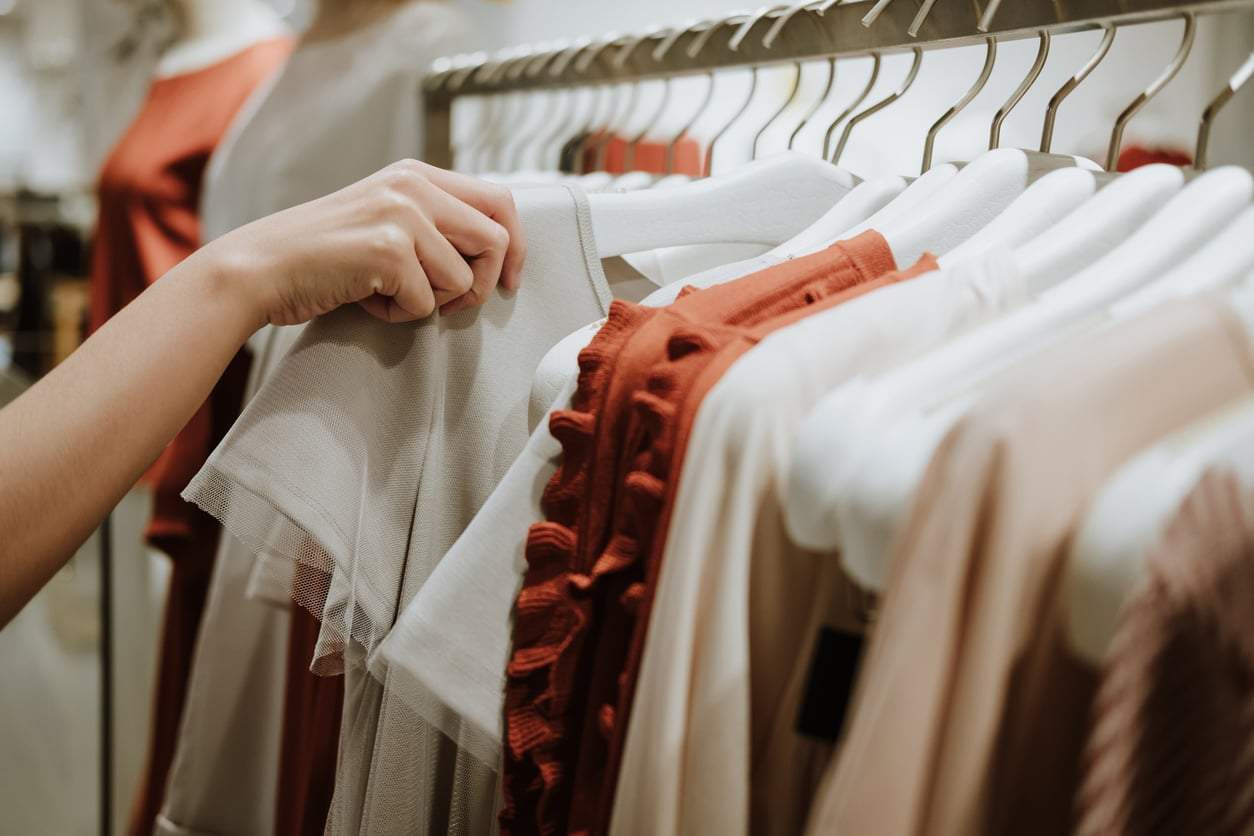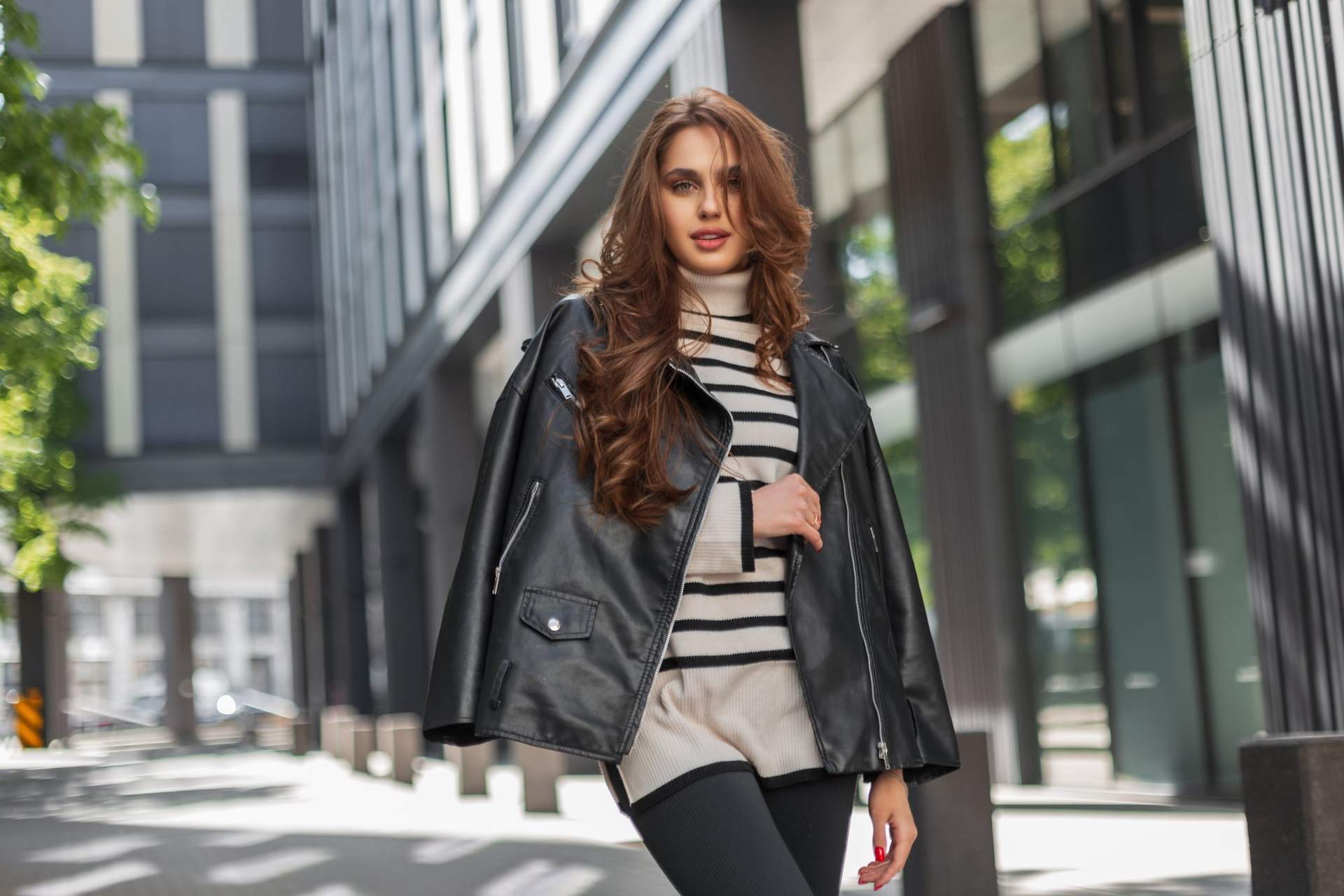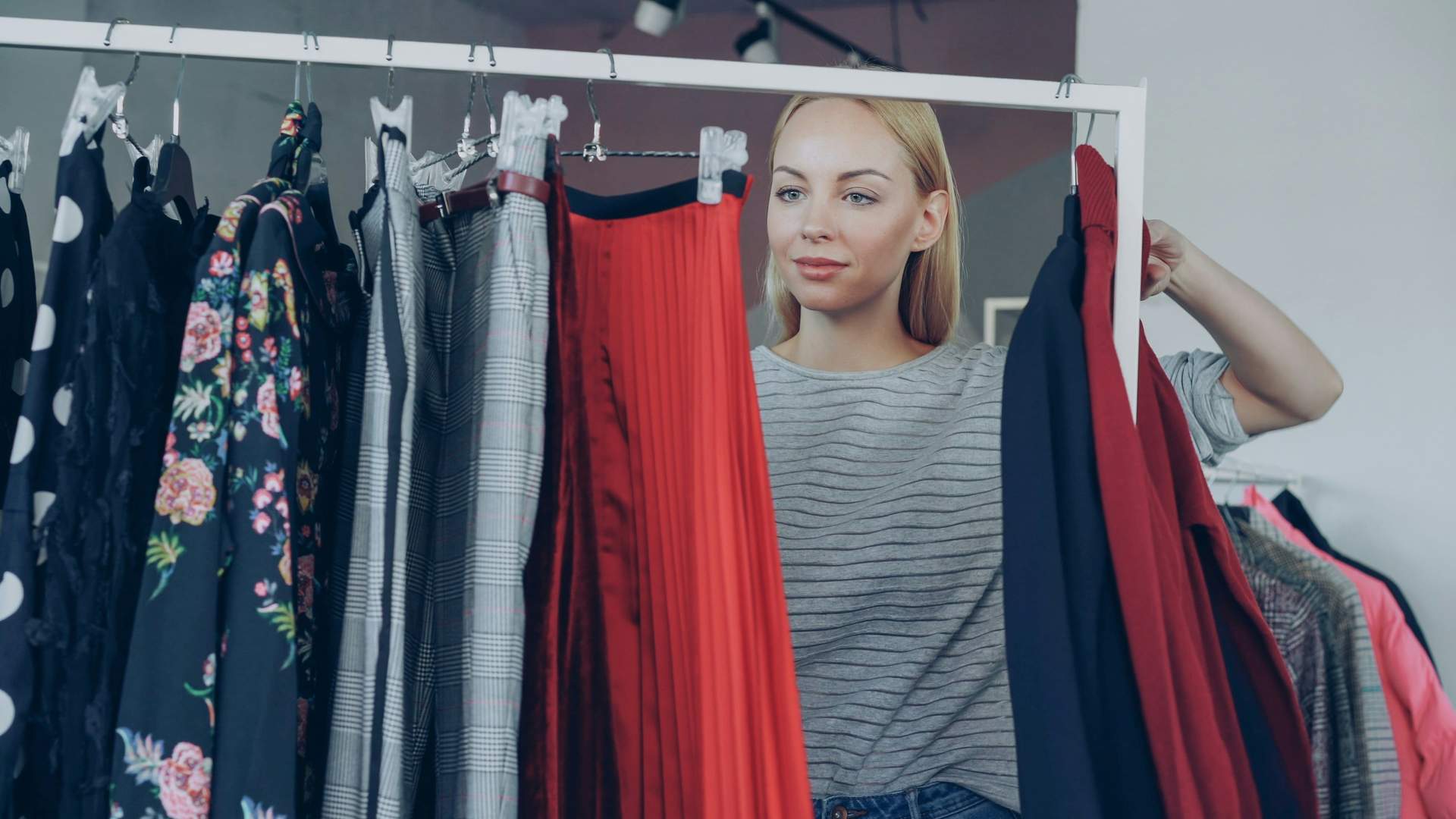
Twice a year I do the same slow circuit of the high street, and twice a year I come to the same conclusion: within any one rail, the difference between a piece that looks cheap and a piece that looks quietly expensive has almost nothing to do with the price on the tag. It's fabric, finishing and shape, in that order. Learn to read those three things and you can walk into any shop, ignore the styling on the mannequin, and find the two pieces worth buying in under ten minutes.
This is the season where it matters most. Autumn clothing is heavier, more structured and more expensive to get wrong — a bad coat haunts you until March.
Turn the garment inside out before you look in the mirror
Start with the composition label, but don't treat it as a moral judgement. Natural fibres generally drape, breathe and age better: wool, cashmere blends with a decent wool percentage, cotton, linen, and real viscose, which falls beautifully. What tends to read cheap is a high proportion of polyester in something that's meant to look substantial — a "wool-look" coat that's mostly polyester will shine under shop lighting and hold creases in odd places.
Then look at the seams. Are they straight, flat and generous, or narrow and puckered? Pull gently across a side seam: if you can see light and thread, it will gape when you sit down. Check whether patterns match across a seam, especially on checks and stripes — matching costs fabric, and fabric costs money, which is why it's such a reliable tell.
Buttons, linings and the bits nobody photographs
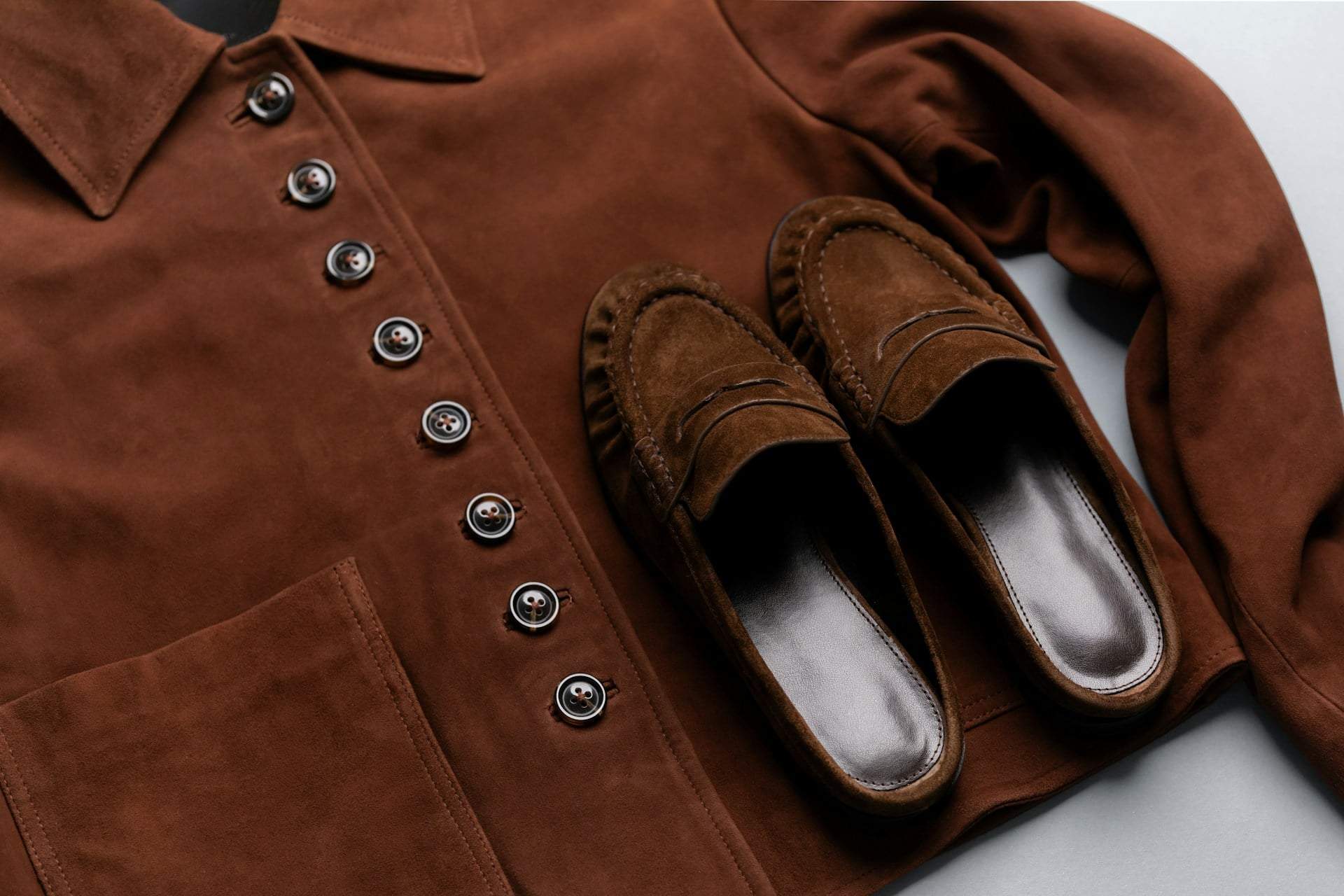
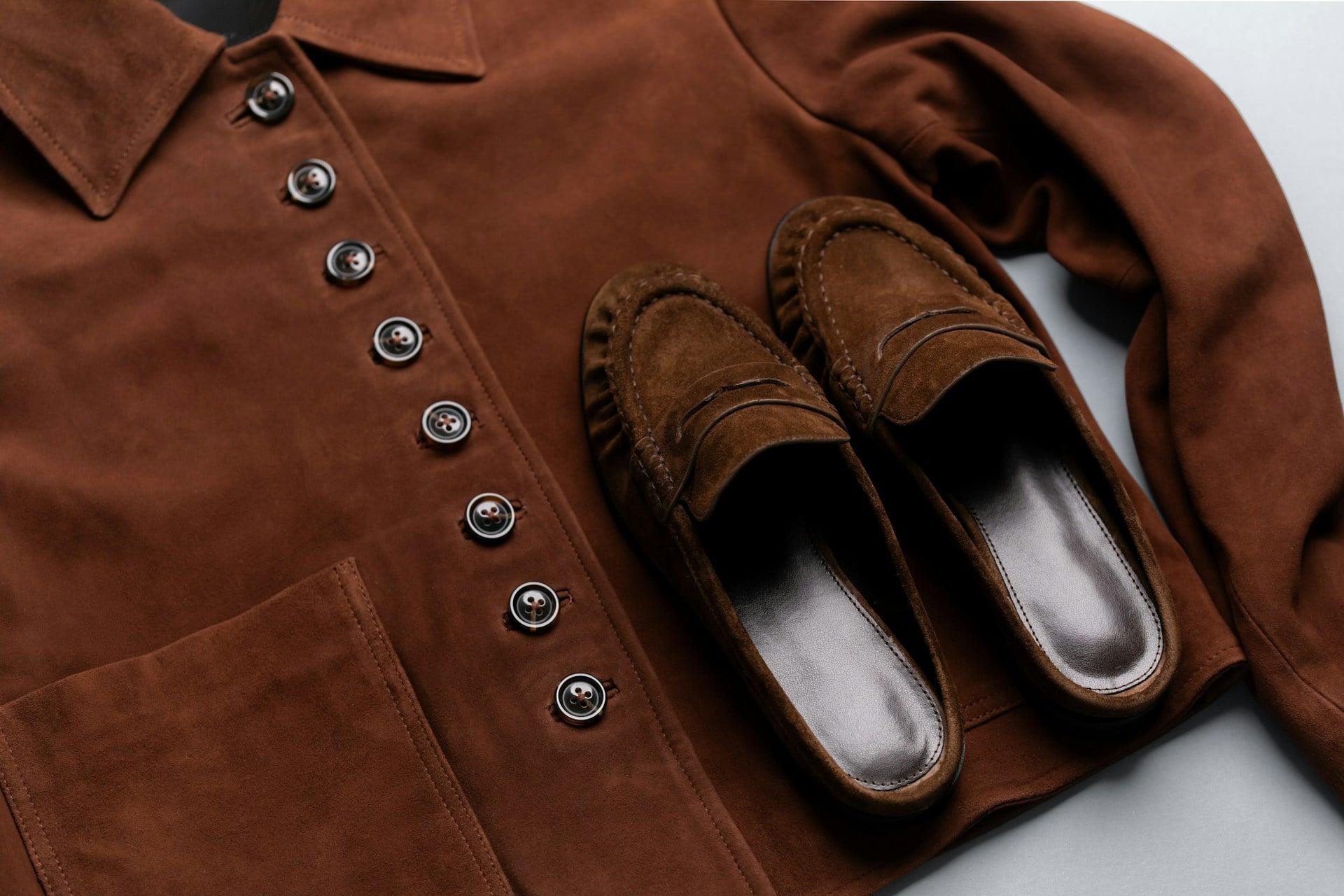
Buttons are the cheapest thing a brand can cut corners on and the easiest thing for you to upgrade. Shiny, hollow, plasticky buttons let down otherwise good coats and blazers constantly. If the garment is lovely but the buttons are not, buy it and change them — horn-look, corozo or matte resin, five minutes with a needle, and the whole thing moves up a bracket.
Linings matter too. A jacket with a proper lining hangs better, slides over knitwear instead of catching, and keeps its shape. Half-lined is fine for a soft blazer; unlined in a heavy fabric usually means it will sag and rub. On trousers, look for a lining to the knee — it's what stops wool bagging at the seat.
Colour depth does more work than you think
The pieces that read as expensive are almost always in colours with depth: chocolate and espresso rather than orangey brown, ink rather than flat navy, olive rather than khaki, oat and bone rather than bright optic white. Cheap dye jobs look thin and slightly grey in daylight — take the garment near a window and see whether the colour holds or goes dull.
Texture does the same job. A ribbed knit, a brushed wool, a fine corduroy or a matte crepe catches light in a way flat synthetic jersey never will. If you're building a capsule for this season, choose texture over pattern: it photographs better, it combines with everything already in your wardrobe, and it doesn't date by March.
Buy for the shape you'll wear, not the shape on the hanger
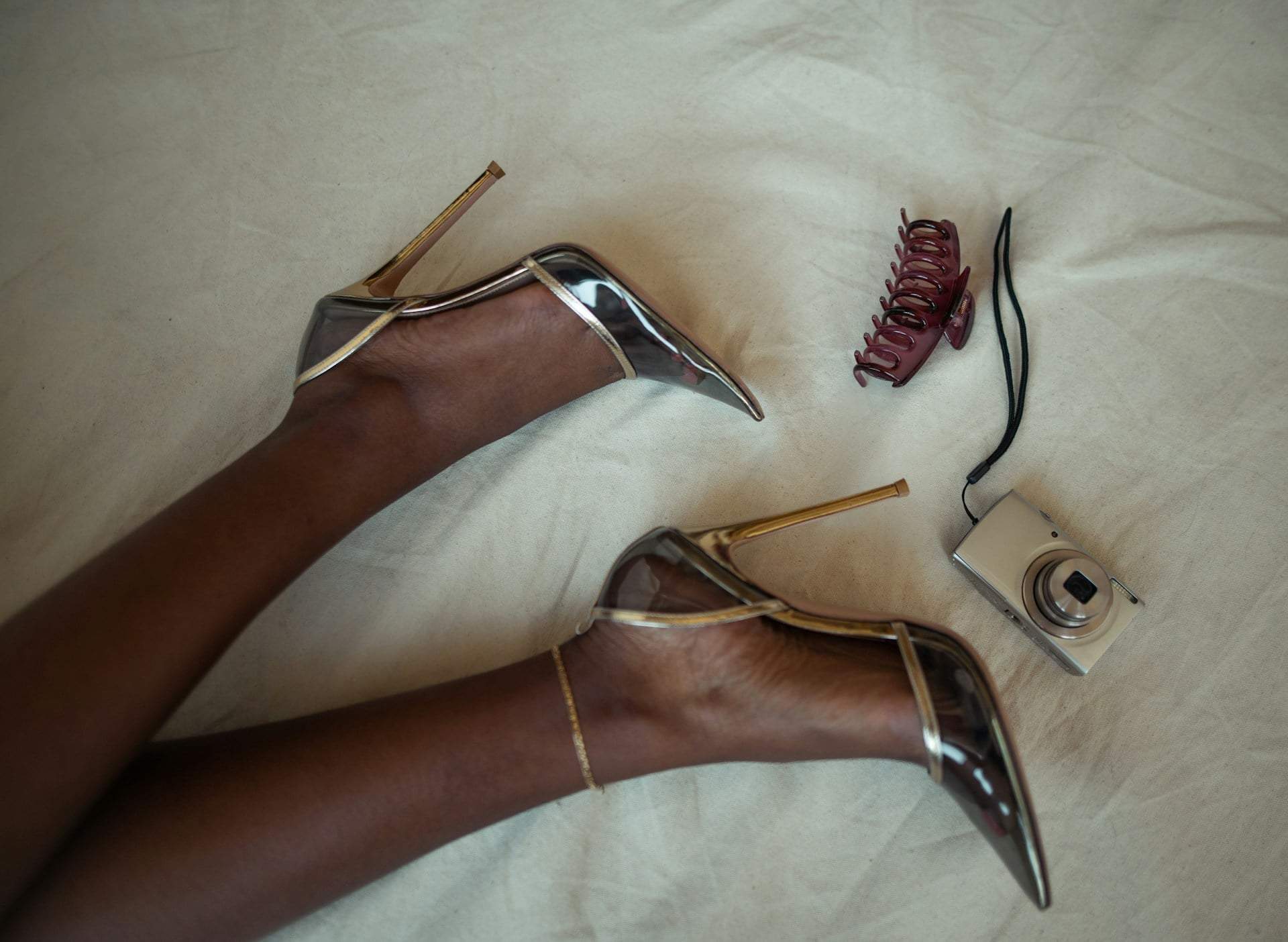
The last test is the most honest one. Put the piece on and move: sit, reach forward, cross your arms. Shoulders should sit where your shoulders are, not an inch beyond unless the cut is deliberately dropped. Sleeves on a coat should clear a jumper. Trousers should break where you want them to break with the shoes you actually own, not the heels you might buy.
And resist a piece you need to style perfectly to make work. The genuinely good buys are the boring-looking ones on the rail: the plain crew-neck in a good yarn, the straight wool trouser, the unfussy blazer. They look like nothing between two sequinned tops, and they'll be in rotation for years.
Is wool always better than a synthetic blend?
Not always, but it usually photographs and ages better in outerwear and knitwear. A small percentage of synthetic can genuinely help — a touch of elastane in trousers for recovery, a little nylon in a fine knit for durability. What's worth avoiding is a heavy coat or jumper that is overwhelmingly synthetic, because it tends to shine, pill and hold static.
What should I check first in the fitting room?
Shoulders and length, in that order, because those are the two things a quick alteration can rarely fix cheaply. Everything else — hems, waists, sleeve length, buttons — can be adjusted. If the shoulder seam sits wrong, put it back, however good the price feels.