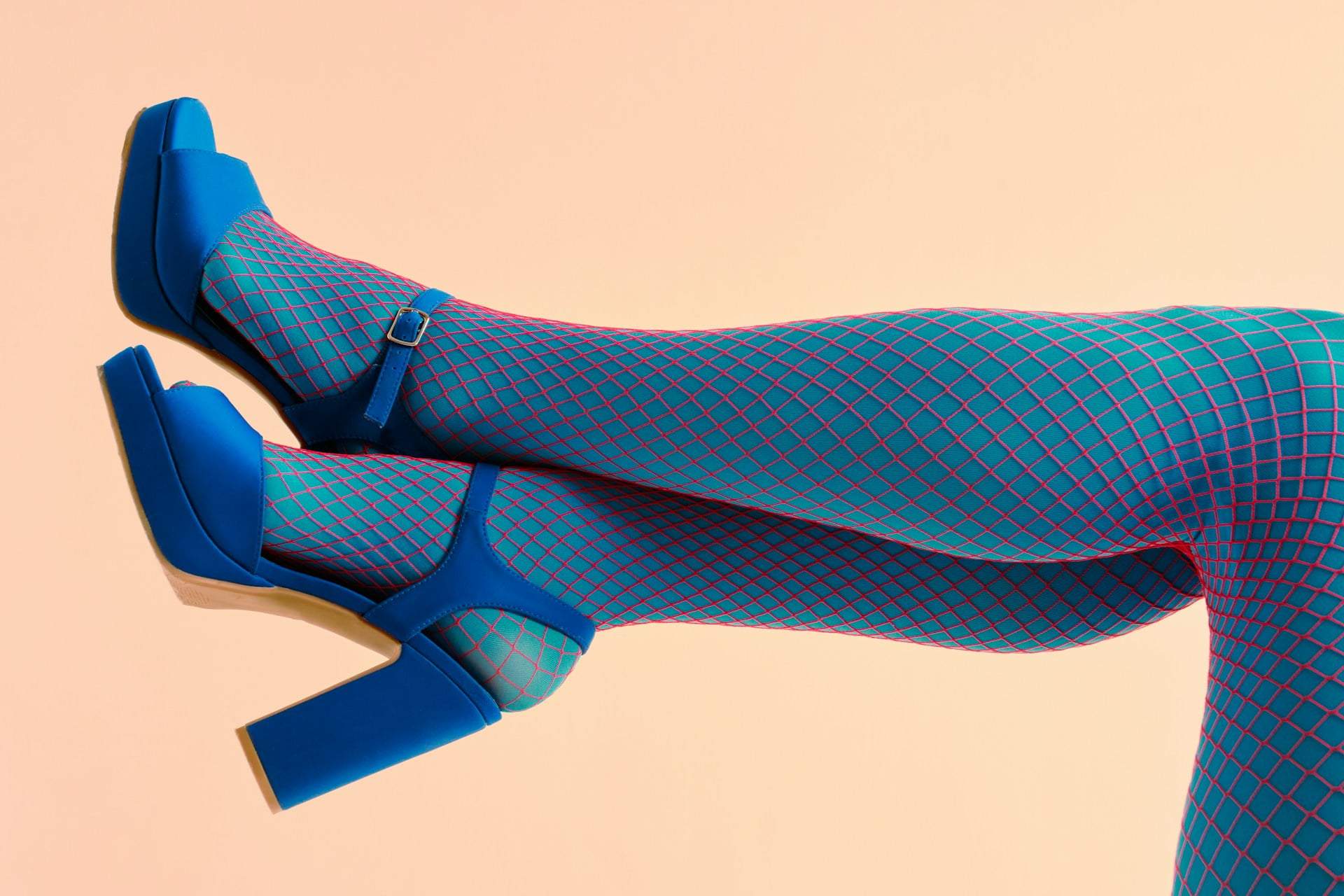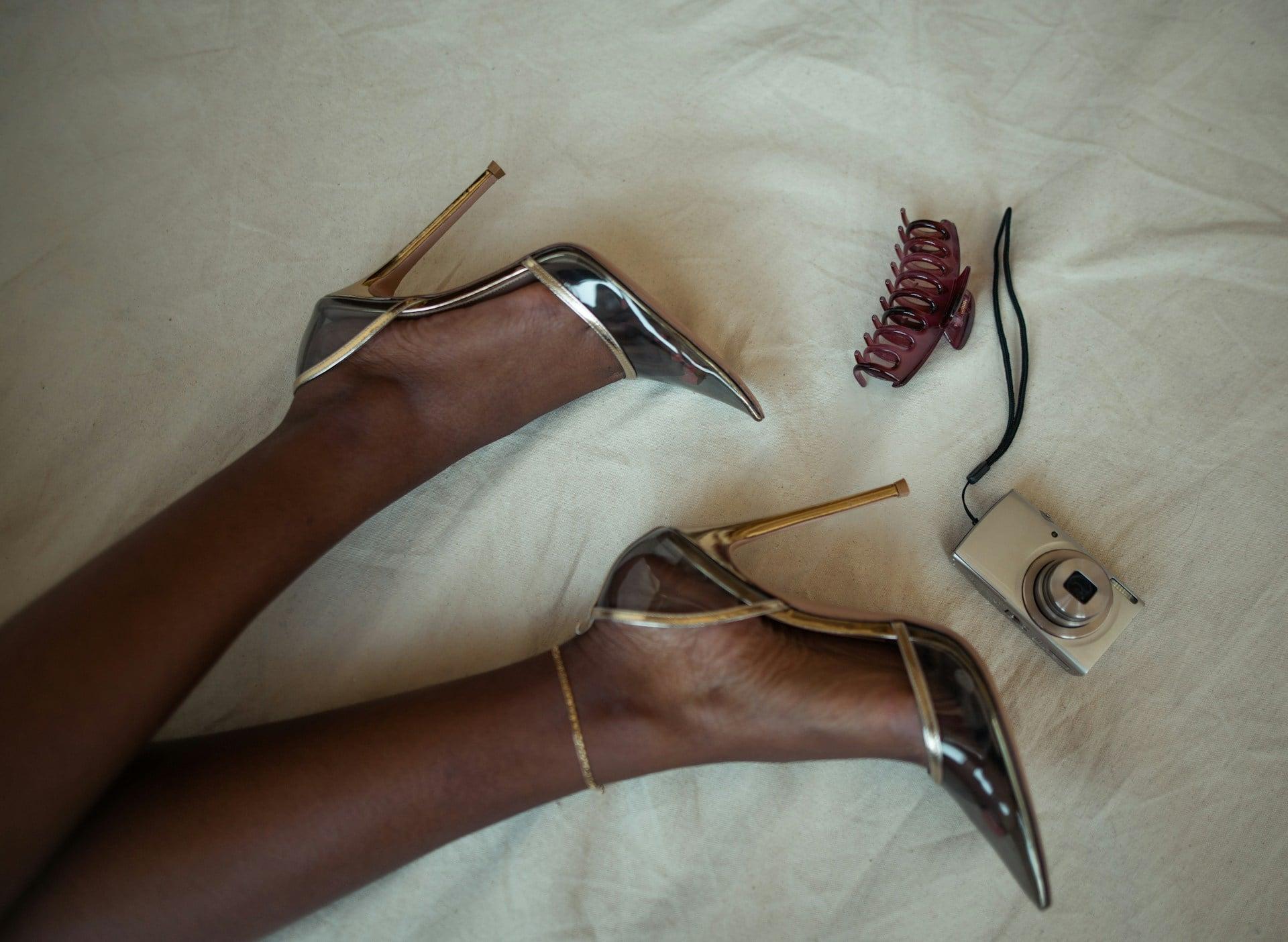
There's a moment, usually in October, when you open the wardrobe and realise everything in it is the same four colours. Oatmeal, camel, charcoal, black. It all goes together, which was the point. It also means that nothing in there says anything, and that the person getting dressed could be anybody at all.
I'm not here to tell you neutrals were a mistake. They're the most useful thing most of us own and they make mornings quick. But a wardrobe built entirely on the principle of not standing out eventually stops working as clothing and starts working as camouflage. The fix isn't a new personality or a shopping spree. It's deciding, deliberately, what your clothes are allowed to say — and then saying it on repeat.
Find the thing you keep being drawn to
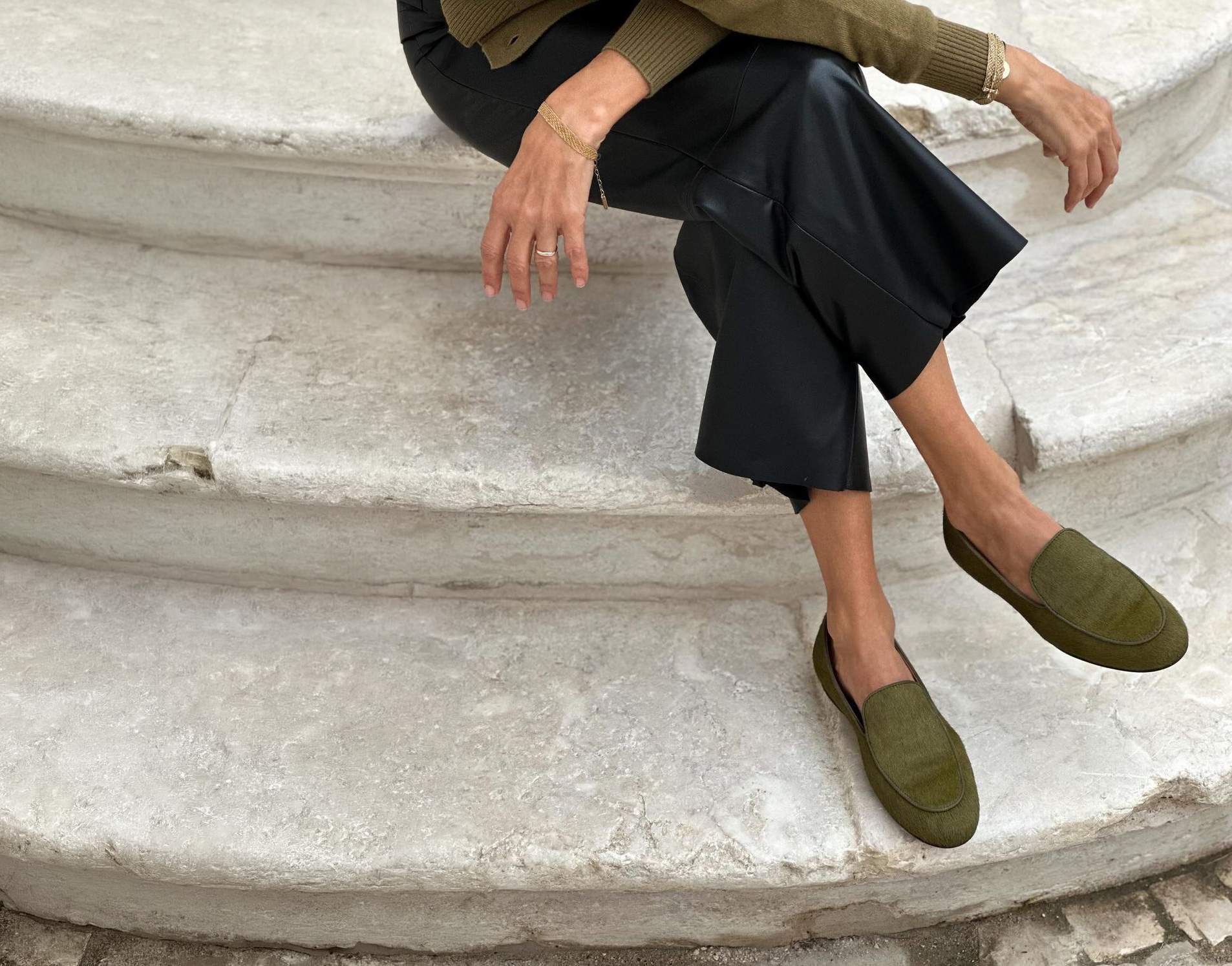
Style doesn't arrive as a mood board. It arrives as a pattern of small, slightly embarrassing preferences you've been ignoring. Go and look at what you actually pick up in shops and put back down because it felt too much: a particular green, animal print, big silver jewellery, a stiff collar, a pleated skirt, a shoe with a buckle. That hesitation is the information.
Pick one of those and commit. Not one of each — one. A signature works because it repeats. If your thing is a specific red, you want it in a knit, a scarf, a lipstick and eventually a coat, so that people register it as yours rather than as an experiment. A wardrobe with one loud idea running through it looks far more intentional than a wardrobe with twelve quiet ones.
Anchor the loud thing in the quiet ones you already own
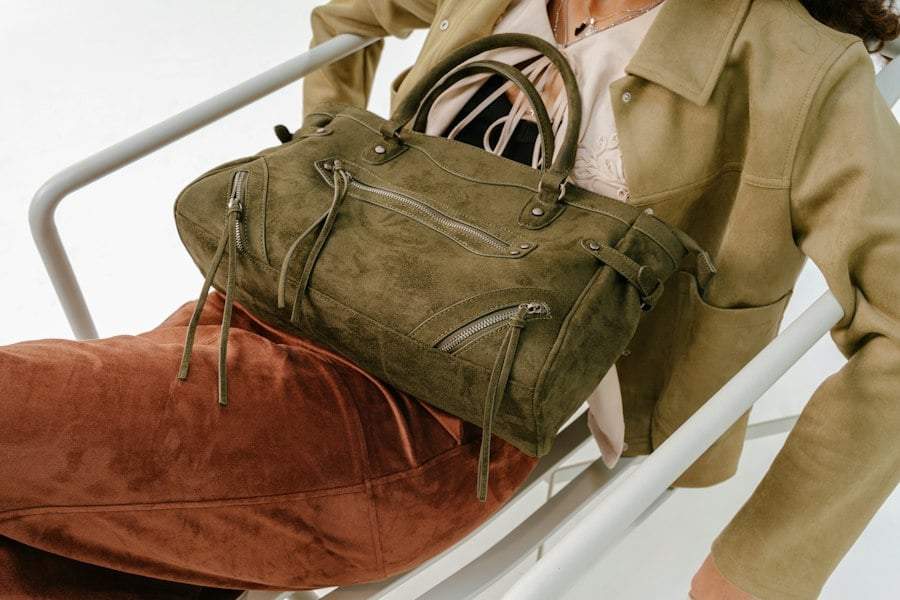
This is where all that beige earns its keep. A bottle-green blazer over cream and grey reads as considered. The same blazer with three other strong colours reads as fancy dress. The formula most stylish women use, consciously or not, is one statement plus a neutral base plus one small echo of the statement somewhere else — a bag, a sock, a nail colour, the stripe in a scarf.
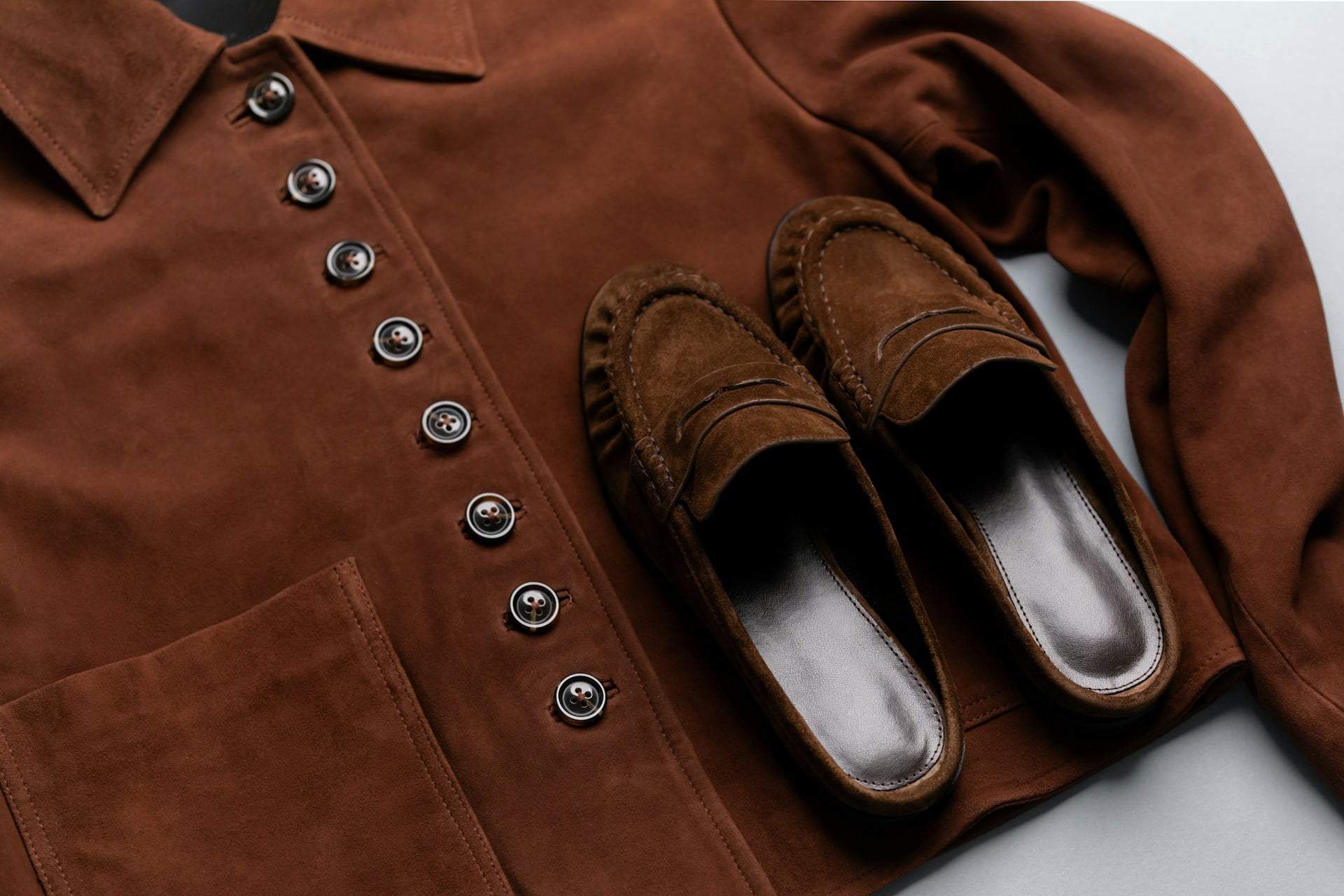
Texture counts as personality too, and it's the gentlest entry point if colour feels exposing. A ribbed knit, corduroy trousers, suede boots, a satin skirt and a boucle jacket can all be in the same restrained palette and still make an outfit look like it belongs to a specific person. Flat, smooth, synthetic sameness is what makes a neutral wardrobe look like uniform rather than style.
Shapes have opinions as much as colours do
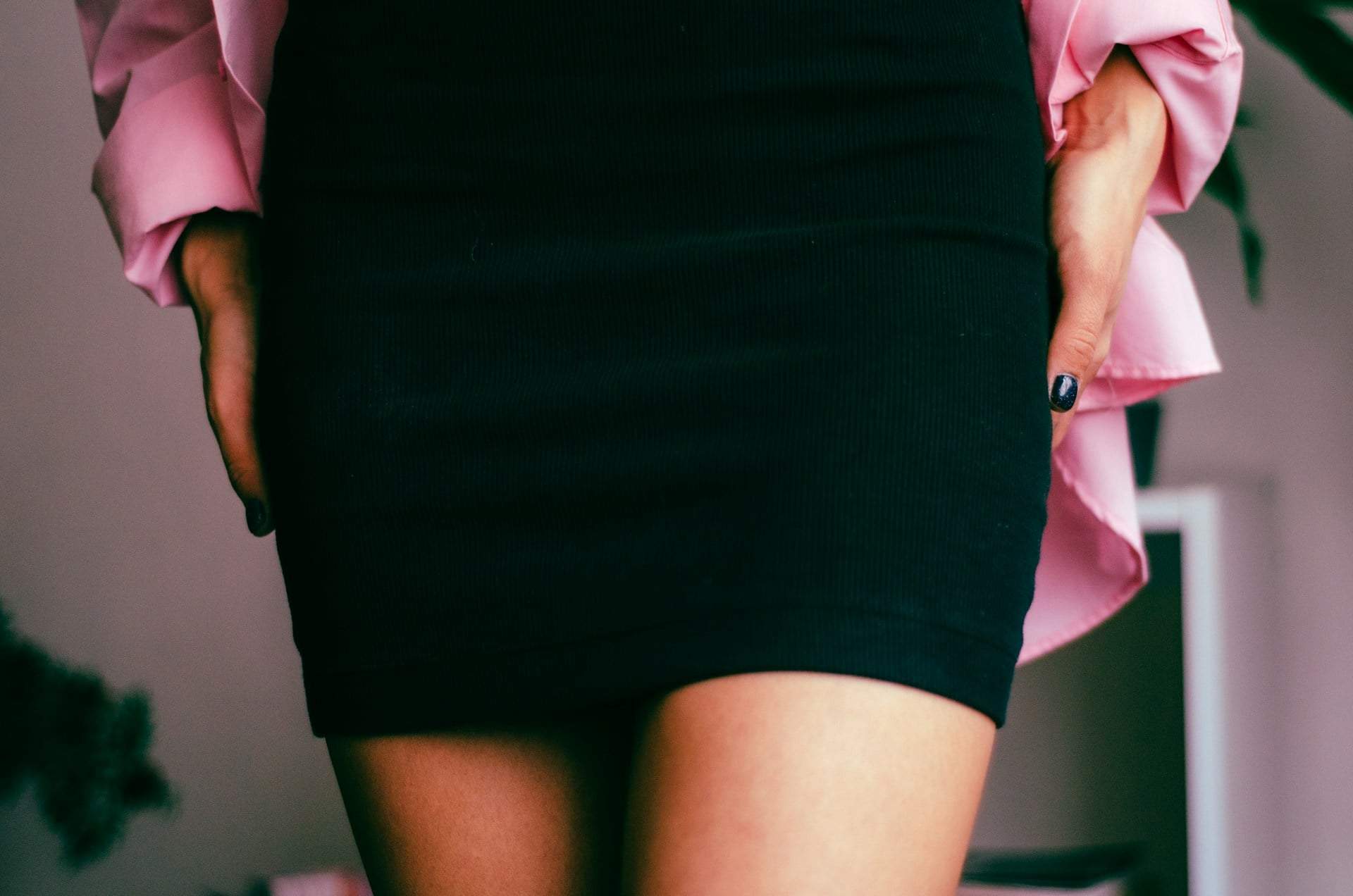
If you've worn the same silhouette for five years — fitted on top, straight on the bottom, or whatever your version is — try reversing the proportions before you try new colours. A voluminous shirt with narrow trousers, or a slim knit with a full skirt, will change how you look far more than a different shade of taupe.
Pay attention to the details that date an outfit forward or back, too: the length of a trouser hem on your particular shoe, where a jacket ends on your hip, whether a collar sits open or closed. Personality dressing is often just a question of taking one element to a slight extreme — a longer coat, a shorter jacket, a bigger earring — rather than wearing everything at medium.
Wear it three times before you judge it
The first outing in anything expressive feels like being looked at. That's not a verdict on the garment, it's just unfamiliarity, and it fades by the third wear. Give a new direction a proper trial: wear the green coat on an ordinary Tuesday to the shops, not just to the one event you bought it for. Style is a habit before it's an identity.
And let things retire. A neutral wardrobe often accumulates because we keep buying safe replacements for safe things. If a jumper has never once made you feel like yourself, it isn't a basic, it's filler, and it's crowding out the hanger space where the real thing could go.
What if I work somewhere where strong colour isn't done?
Keep the structure strictly conventional and put the personality in the smaller surfaces: lining, scarf, shoes, jewellery, the colour of a shirt under a navy suit. A deep oxblood loafer or an unusual shade of blue shirt reads as polished rather than attention-seeking, and you can judge the room before escalating.
How do I work out which colour is actually mine?
Look at the clothes you reach for on good days and at the compliments you remember, which tend to cluster around one or two shades. Then test it in daylight, holding the fabric near your face in a mirror — you're looking for the colour that makes your skin look rested rather than the one you think you ought to suit.