Every autumn there is a moment when the shop windows shift from beige and sand to something altogether more saturated, and every autumn a particular reader writes to say the same thing: it looks wonderful on the mannequin, but I own eleven items and nine of them are grey. If that is you, the good news is that a neutral wardrobe is the easiest possible base for colour. You are not starting from scratch. You are choosing where to put the accent.
Start with the shade that already lives in your face
Before you buy anything, stand at a window in daylight and look at what you actually are: the warmth in your skin, the tone of your eyes, whether silver or gold jewellery makes you look more awake. This is not about seasonal colour analysis and its rigid rules. It is a simpler question — which colours make people ask if you have been away, and which ones make them ask if you are tired?
Most people find they have one family that flatters instantly. For some it is the inky end: navy, deep plum, forest. For others it is the warm side: rust, cinnamon, mustard, brick. Autumn's palette generally leans rich rather than bright, which is helpful, because deep colours are more forgiving next to the face than acid ones. Pick your family, then buy in that family for the pieces worn near your neck, and be freer lower down.
The three-place rule
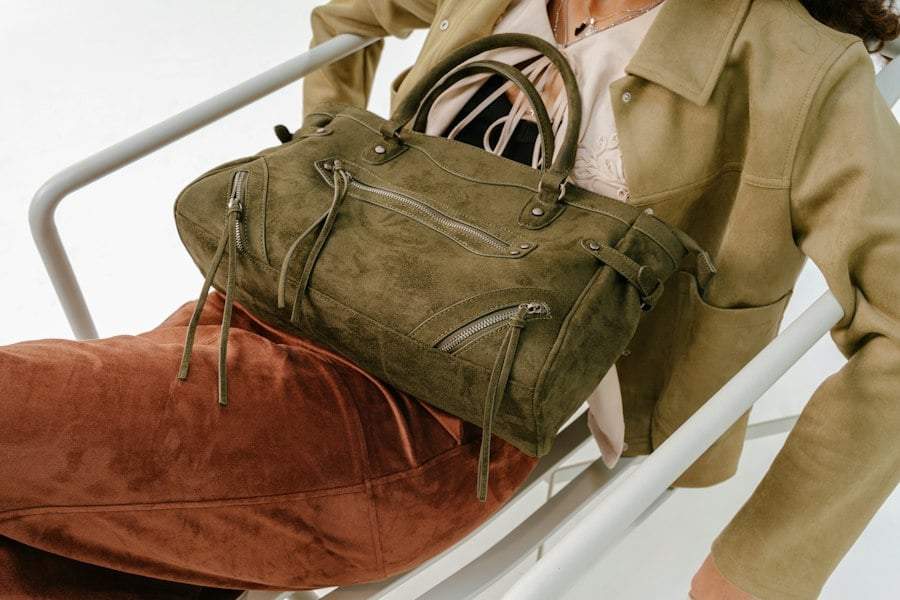
When you are new to colour, the temptation is to buy one loud item and then never wear it, because it does not know anyone else in the wardrobe. Avoid that by introducing a shade in three places at once, at three different price points. A knit is the anchor. A scarf or a pair of socks is the cheap echo. Something in between — a belt, a bag, a shirt worn under a blazer — bridges them.
Suddenly the colour is a resident rather than a visitor. You can wear the knit with your grey trousers on Tuesday, the scarf with your black coat on Thursday, and it reads as intention. This is the single trick that turns a hesitant colour buyer into someone whose outfits look considered.
Where to put the colour on your body
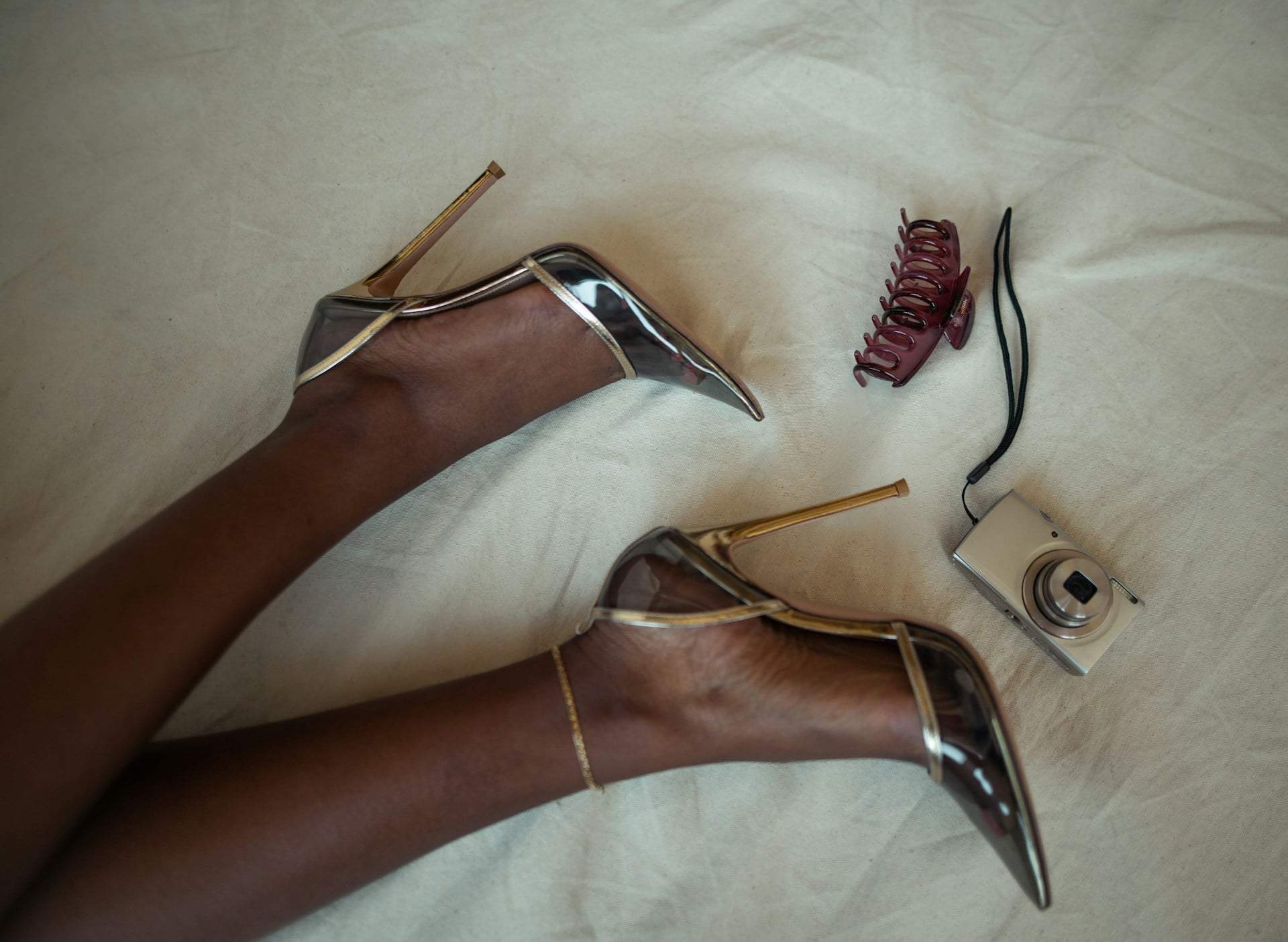
There is a practical geography to this. Colour at the top draws the eye up, which most of us want on a working morning, and it means one bold knit can do the heavy lifting over black trousers you already own. Colour at the feet — boots, tights, socks that flash above a shoe — is the low-risk entry point, because it is far from your face and easy to abandon if you decide you hate it.
The mid-body is trickier. A saturated skirt or trousers wants a very calm top half and good shoes, or it can tip into costume. If you want colour there, keep the shape simple: a straight midi, a wide-leg trouser, nothing with extra detail competing for attention.
Two neutrals that make everything look expensive
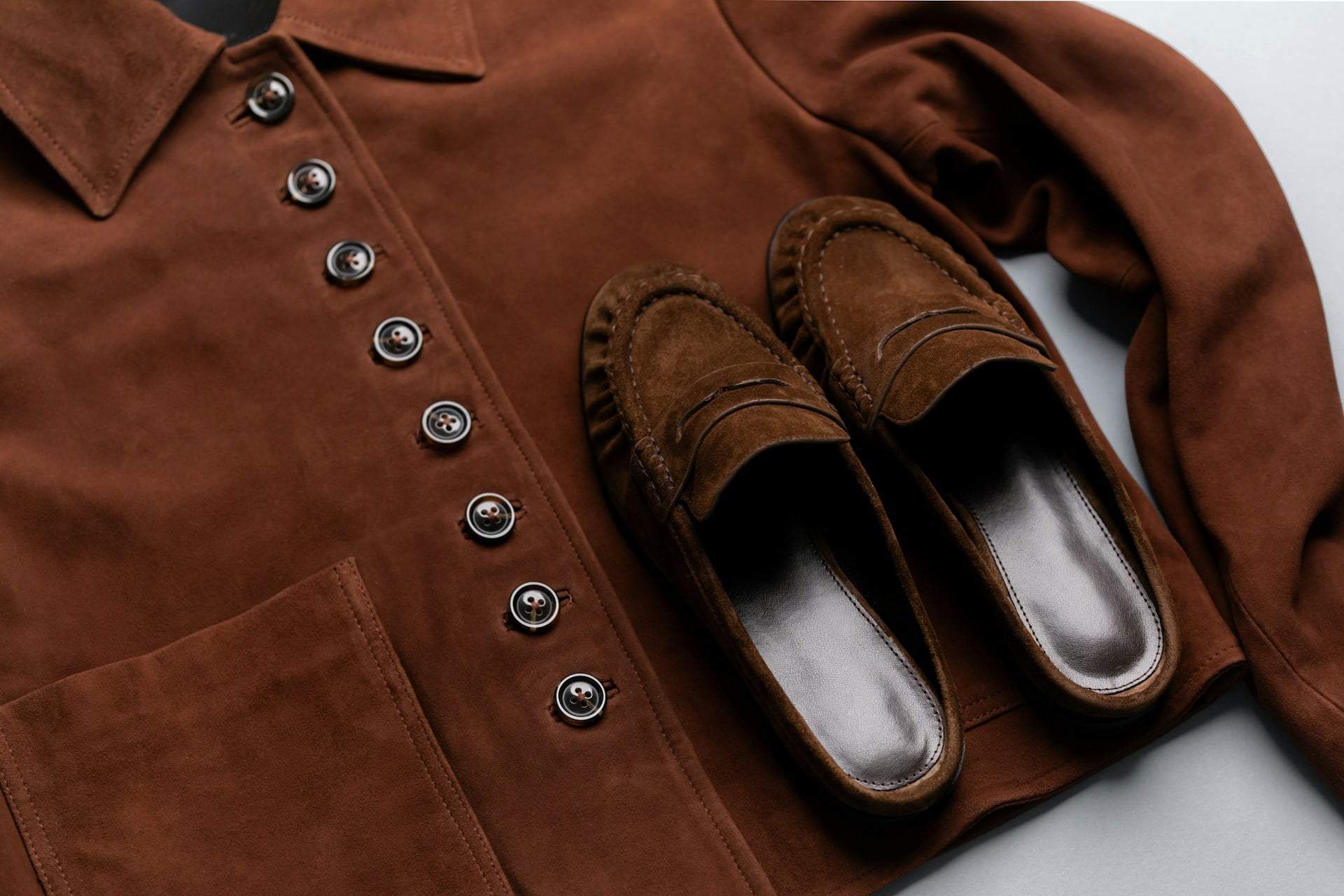
Rich shades need a partner, and the partner matters more than the colour itself. Chocolate brown has quietly become the most useful dark neutral around, softer than black and warmer next to almost every autumn shade. Cream or oatmeal is the other one: it lightens a deep colour without the harsh contrast of stark white, which can make a knit look cheaper than it is.
Try your new shade against both before you commit to buying a third thing to go with it. Nine times out of ten, one of them is already in your wardrobe, and you have just made an outfit for free.
What if bold colour feels like too much attention?
Then wear it in matte, textured fabrics rather than shiny ones, and in a shade that is deep rather than bright — a burgundy instead of a red, a bottle green instead of an emerald. Texture absorbs light and softens the impact, so a chunky wool jumper in a strong colour reads as cosy while the same shade in satin reads as an event. You can also keep the colour to a smaller surface area: a roll neck showing at the collar of a coat gives you the lift without the exposure.
How many new pieces do I actually need for a seasonal refresh?
Honestly, two or three well-chosen items will change how a whole wardrobe feels, provided they connect to what you already own. Choose one colour piece for the top half, one accessory in the same family, and one neutral that partners them, and then resist buying more until you have worn all three at least twice. The mistake is not buying too little — it is buying five unrelated things in five different shades and owning five orphans by November.