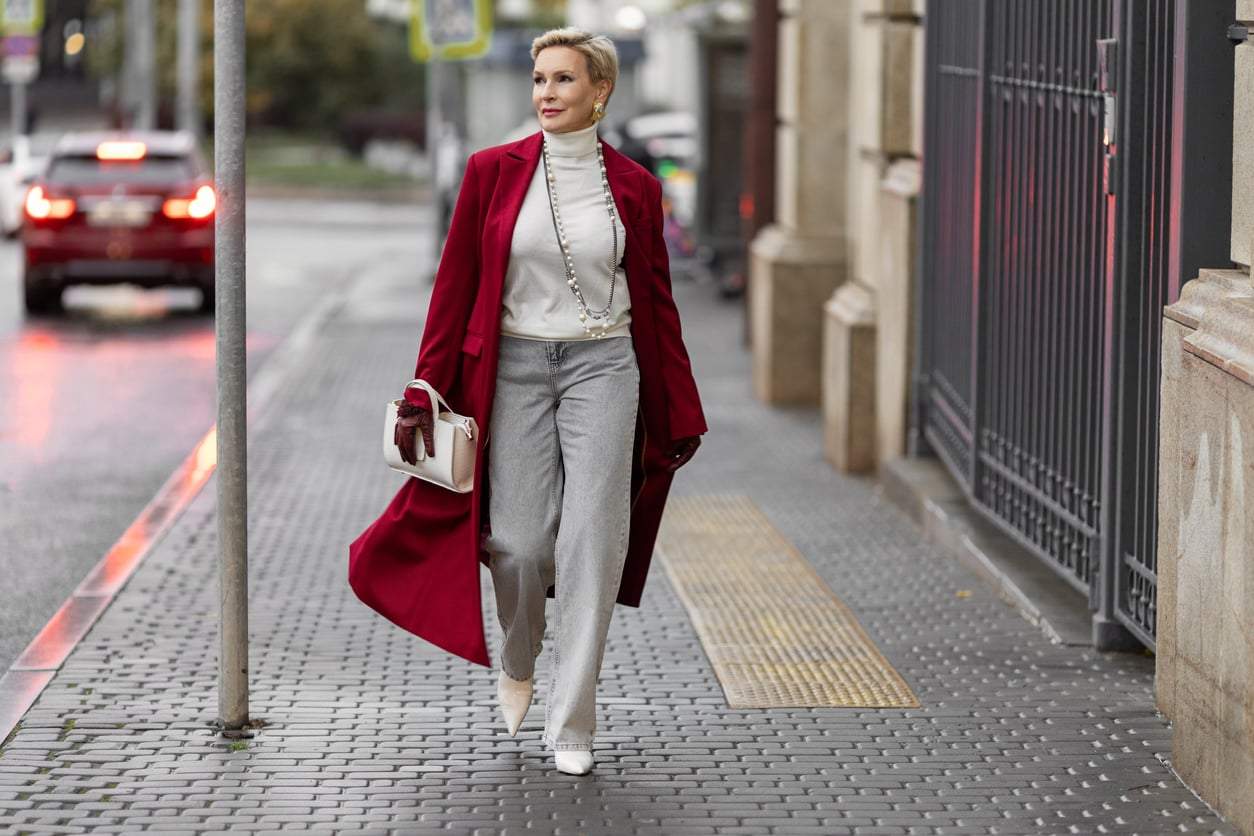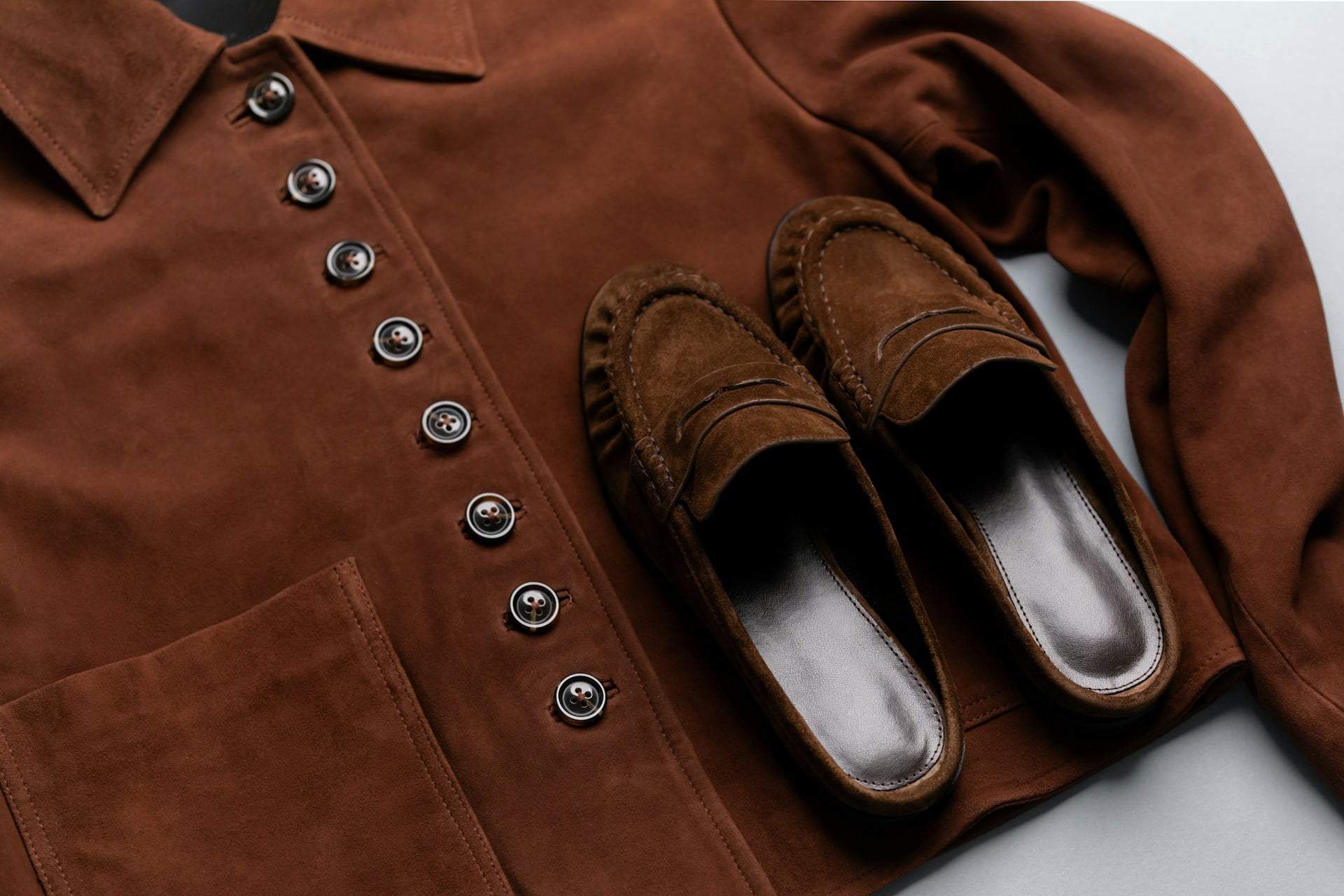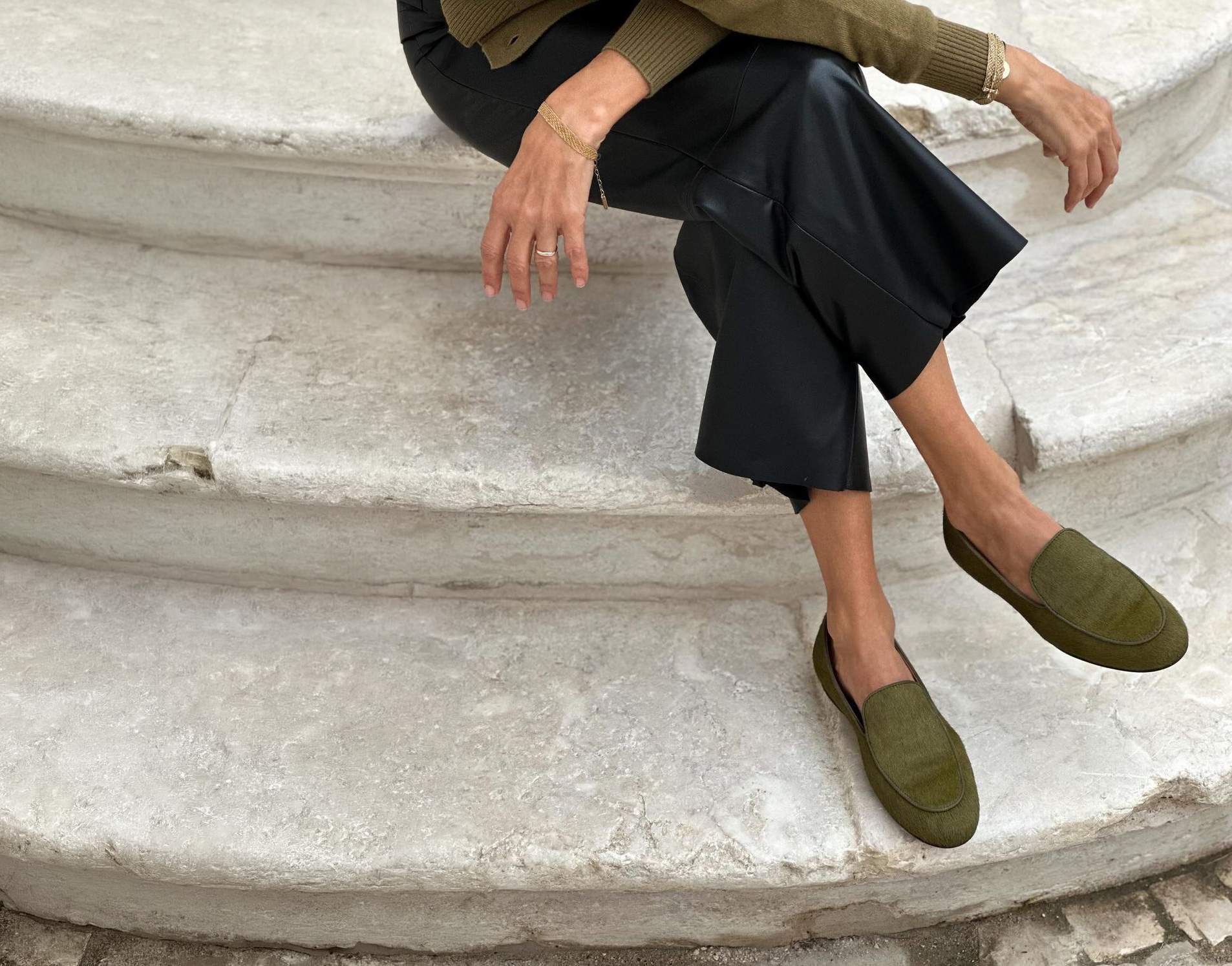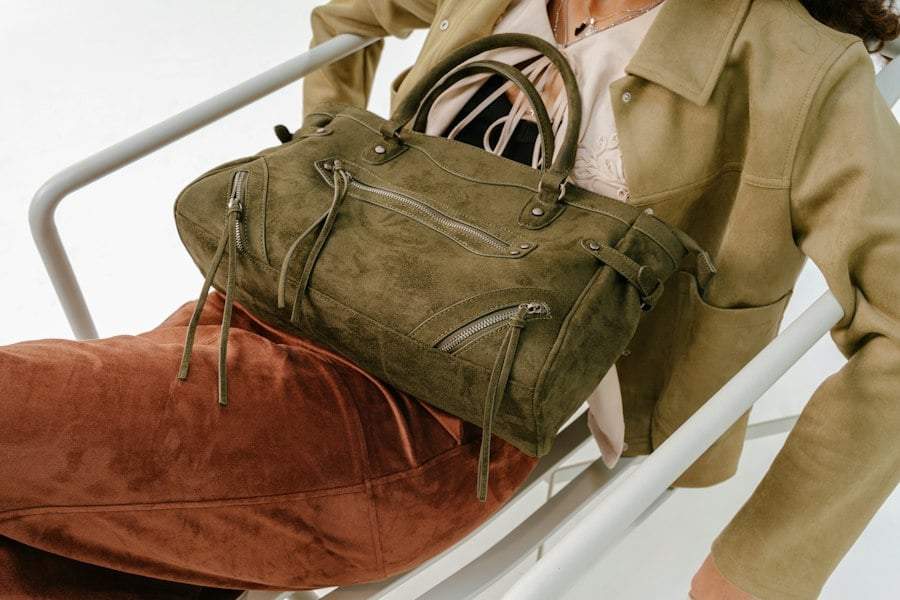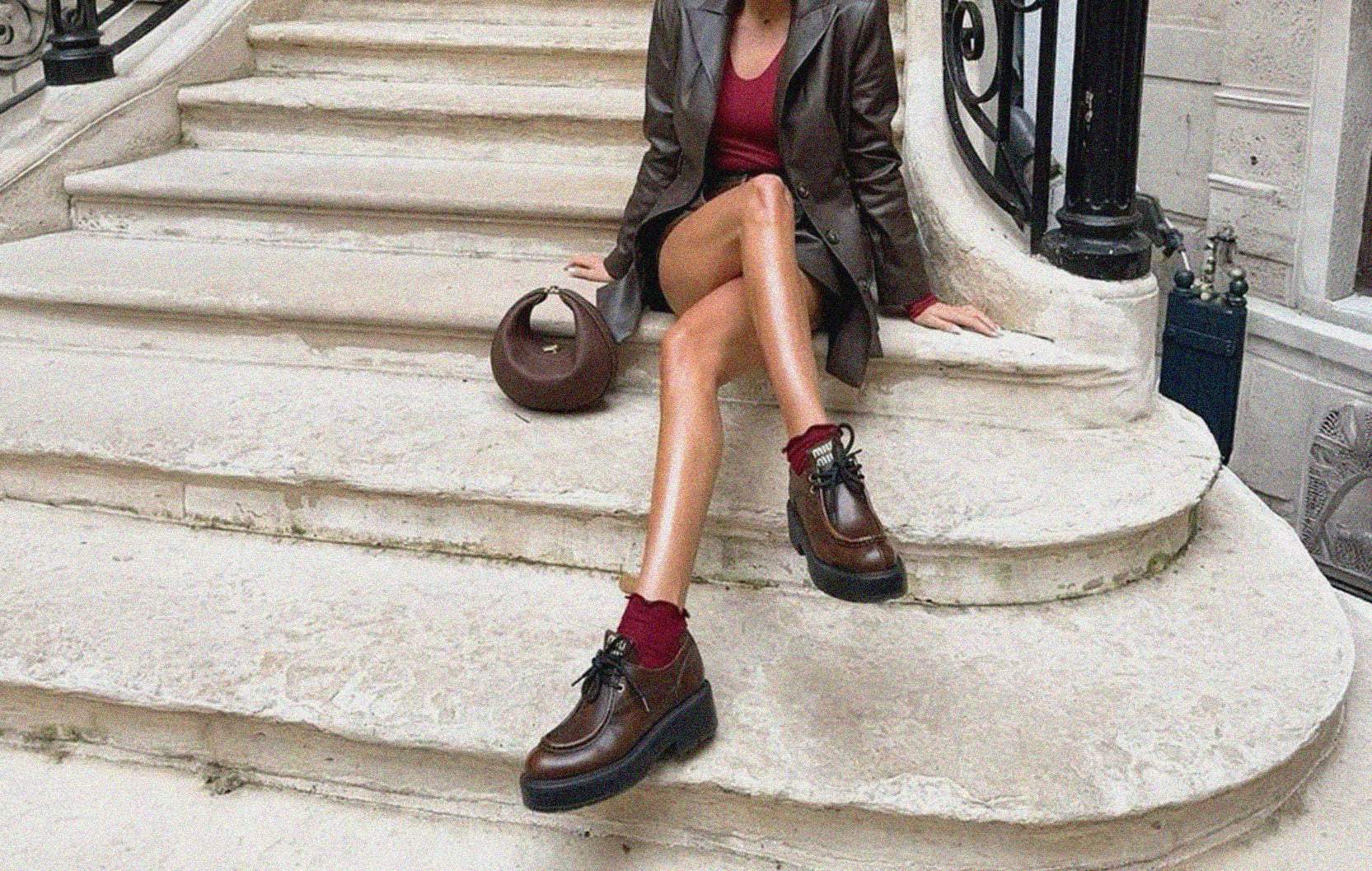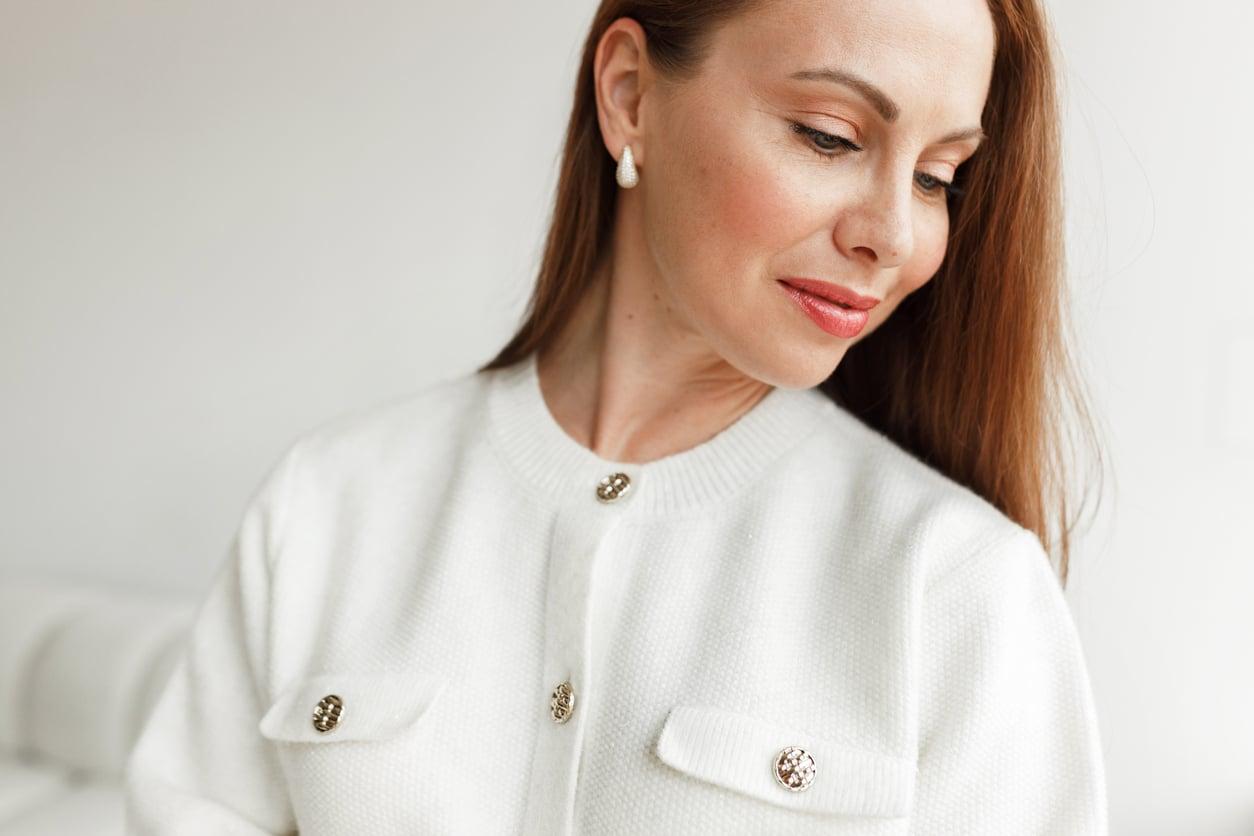
Velvet used to have one job and one calendar slot: a dress, in December, worn once. This season it has quietly slipped out of that box. I have seen it on trousers, on waistcoats, on soft unstructured jackets and in colours that have nothing to do with Christmas — berry, olive, tobacco, deep chocolate. The pile catches whatever light there is, which is exactly what an autumn wardrobe of grey, navy and black is missing when the mornings go dim.
The trick is entirely in the choosing. Get the weave and the silhouette right and velvet reads as texture. Get them wrong and you look like you have come straight from an event nobody else was invited to.
The weave decides everything
Not all velvet behaves the same way. High-shine, liquid, drapey velvet — the kind that pools and glitters when you move — is party fabric and always will be. What you want for daytime is the matte end of the family: fine-wale corduroy velvet, cotton velvet, velveteen, or a substantial stretch velvet with a dry, dense surface rather than a wet-looking one.
The test is simple. Hold the fabric up to a window in daylight. If it throws light back at you in ribbons, it is evening. If it absorbs the light and looks softly deep, like moss or a pressed flower petal, it will work at eleven in the morning. Structure helps too: a velvet with body that holds a trouser crease will always look more like clothing and less like drapery.
Four daytime silhouettes worth trying
A wide or straight-leg velvet trouser is the easiest entry point. Worn with a chunky knit and flat boots, it reads as a slightly richer version of a cord trouser and nobody will question it. A velvet waistcoat over a white shirt is the most useful piece of the lot — it gives an outfit an occasion without an event attached, and it works over jeans as happily as over tailoring.
Then there is the soft velvet shirt jacket, which is essentially an overshirt with better lighting, ideal thrown over a T-shirt. And finally the bias midi skirt, the one piece I would flag as trickier: choose it in matte fabric and a muted shade, and anchor it hard with a heavy knit and boots rather than anything delicate. Velvet plus lace plus a heeled sandal is a party. Velvet plus wool plus a boot is a Tuesday.
Colour, and why berry works better than black
Black velvet is the most formal version there is — it reads instantly as evening because that is where we have all seen it. The richer, murkier shades are far easier in daylight: berry and damson, olive and moss, rust, tobacco, deep teal, chocolate. They sit beautifully against everything an autumn wardrobe already contains, and they flatter in the flat overcast light we are about to spend six months in.
Keep the rest of the outfit matte and slightly rough. Velvet wants friction around it: raw denim, boiled wool, ribbed cotton, brushed knitwear, a scuffed leather boot. Pair it with silk or satin and the whole thing tips into evening. One velvet piece per outfit is the rule I stick to, unless you are wearing a deliberate co-ord in a single muted colour, in which case break up the volume with a plain shirt underneath.
Living with the pile
Velvet is less precious than its reputation suggests, but it does need handling. Hang it rather than folding, and hang it with room on either side — pressure is what flattens the pile permanently. Steam rather than iron, holding the steamer a few centimetres away and letting the moisture lift the fibres back up, then brush gently in one direction with a soft clothes brush while it is still slightly damp.
Marks usually come out with a barely damp cloth and patience. And check the label before you get ambitious with a washing machine, because cotton velvets and synthetic velvets have entirely different tempers.
Can I actually wear velvet to the office?
Yes, if you keep it to one piece and choose a matte weave in a muted colour — a velvet trouser or waistcoat with a crisp shirt looks intentional rather than festive. Avoid shine, avoid full velvet head to toe, and skip anything with a fitted evening cut, and it simply registers as good texture.
How do I stop velvet looking crushed by lunchtime?
Crushing mostly happens where the fabric is compressed for long periods, so the worst offenders are seat backs, bag straps and tight waistbands. Choose pieces with a bit of body rather than the softest possible drape, hang the item to breathe overnight, and give it a quick pass with a steamer in the morning — most flattening lifts out surprisingly easily once the pile is warm and slightly damp.