There's a specific week in early September when everyone I know decides they need a new jacket. The mornings have turned, coats feel absurd, and the thing hanging by the door is either too summery or too serious. It's the most reliable shopping urge of the year, and also the one that most often ends in something that never gets worn — because we buy the jacket we saw in a photograph rather than the one that fits the gap between our own front door and our own life.
So before anything else, do the boring diagnostic. Look at what you actually wore in the last week of transitional weather last year, and at what you reached for and put back. Nine times out of ten the missing piece is not a new category of garment. It's a different weight or length of something you already half-own.
The three-layer test
Whatever you're considering, try it three ways in the shop or in your bedroom before you commit. Over a t-shirt. Over a mid-weight knit. Over a knit plus a shirt underneath. If the sleeves grip at the bicep on layer two, the jacket has already told you it will live in the wardrobe from mid-October.
Then check the two things nobody checks: whether you can raise your arms to reach a high shelf without the whole jacket lifting, and whether it looks right unbuttoned as well as fastened. Transitional jackets spend most of their lives open. A jacket that only reads properly when closed is really a coat that has been mis-sold to you.
The four shapes worth the money
The barn jacket is the pragmatist's choice: hip-length, boxy, usually cotton or waxed cotton, with proper pockets and a collar that stands up in wind. It goes over knitwear without argument, looks right with jeans, trousers and a heavy skirt, and improves as it wears. If your life involves school gates, dog walks, markets and trains, this is the one that gets used to death.
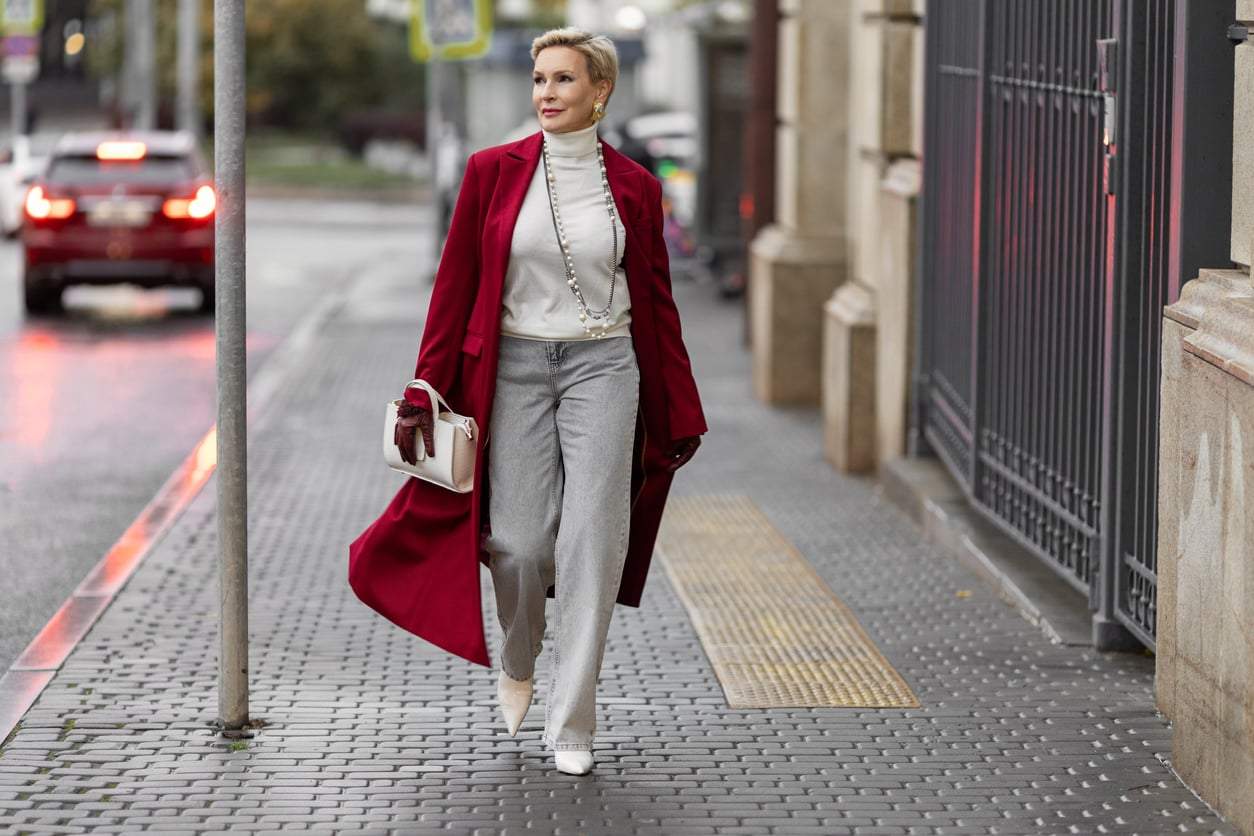
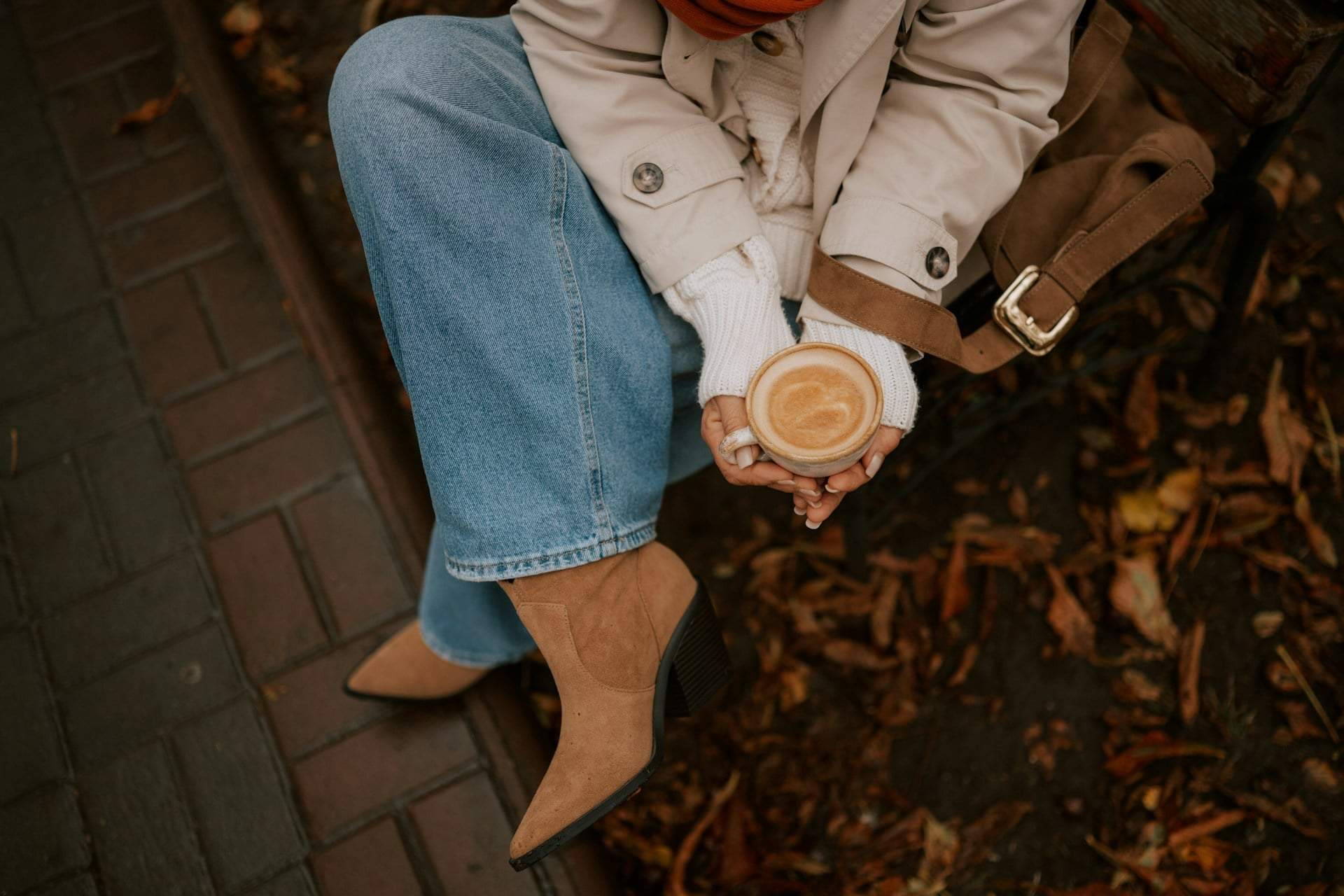
The trench is the opposite temperament — long, fluid, formal in outline even when you're wearing trainers underneath. It's the jacket that makes a plain jumper-and-trousers combination look considered, and it's genuinely useful in drizzle. Look for a version whose length ends somewhere you like: mid-calf reads classic, just below the knee reads modern, and anything that stops mid-thigh loses the drama that makes a trench worth having.
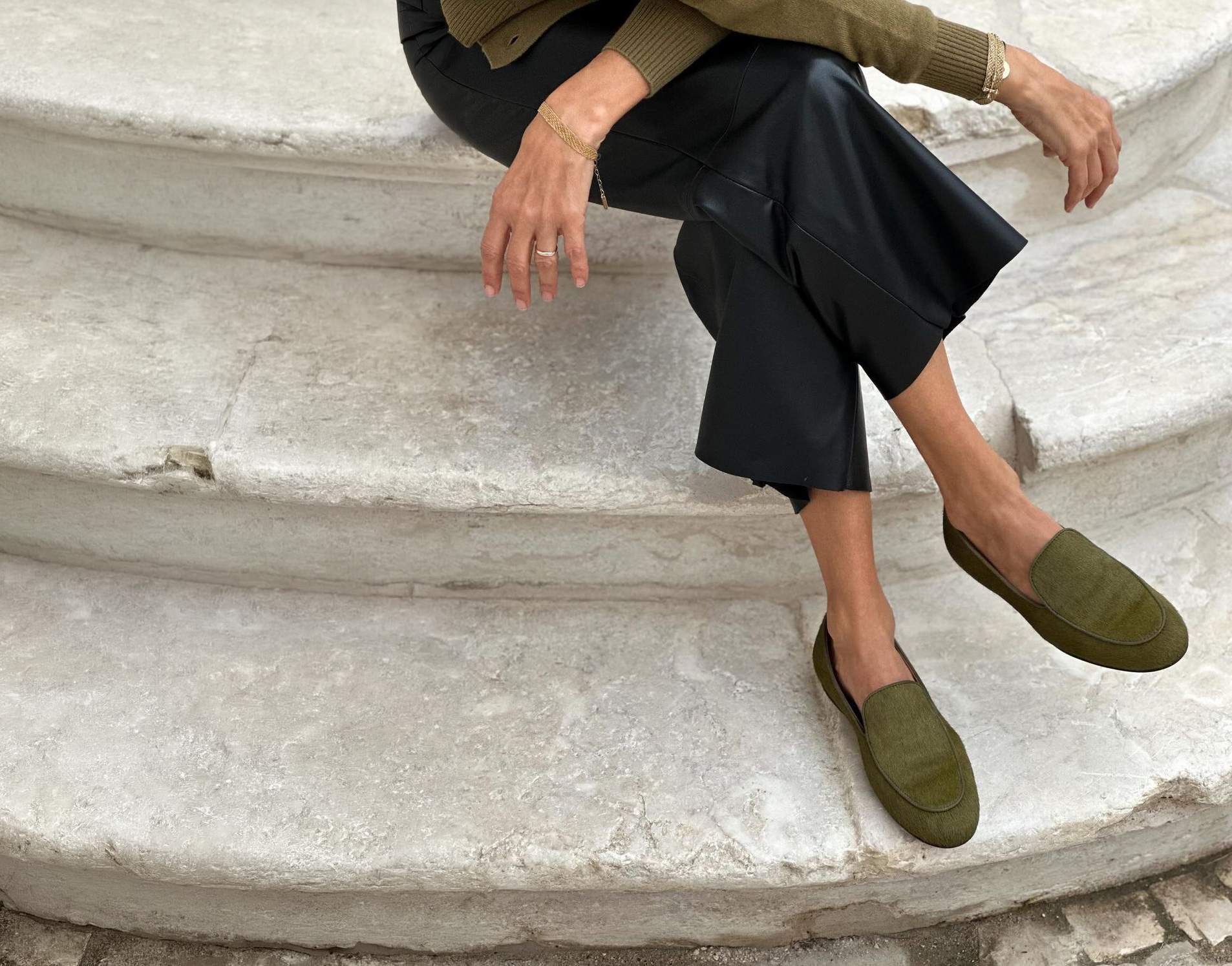
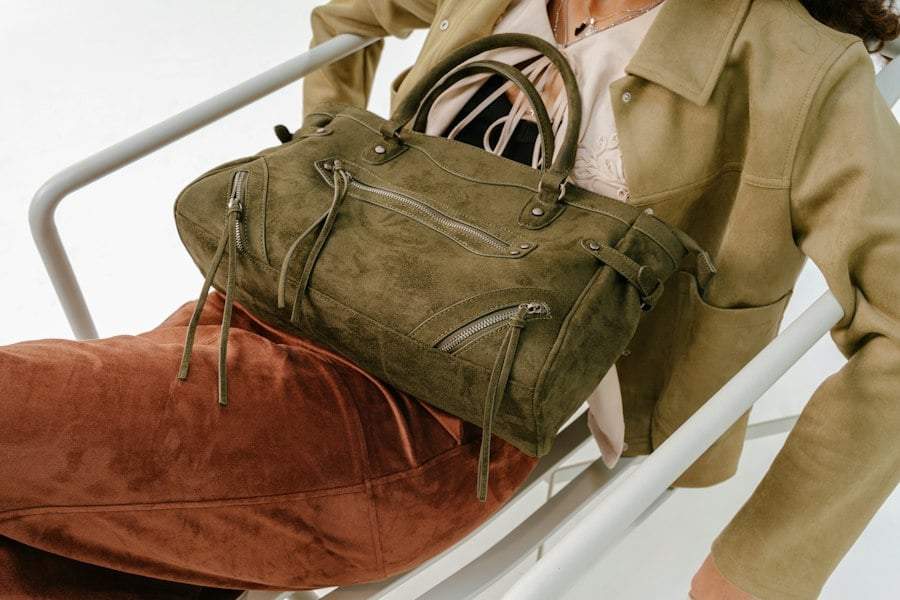
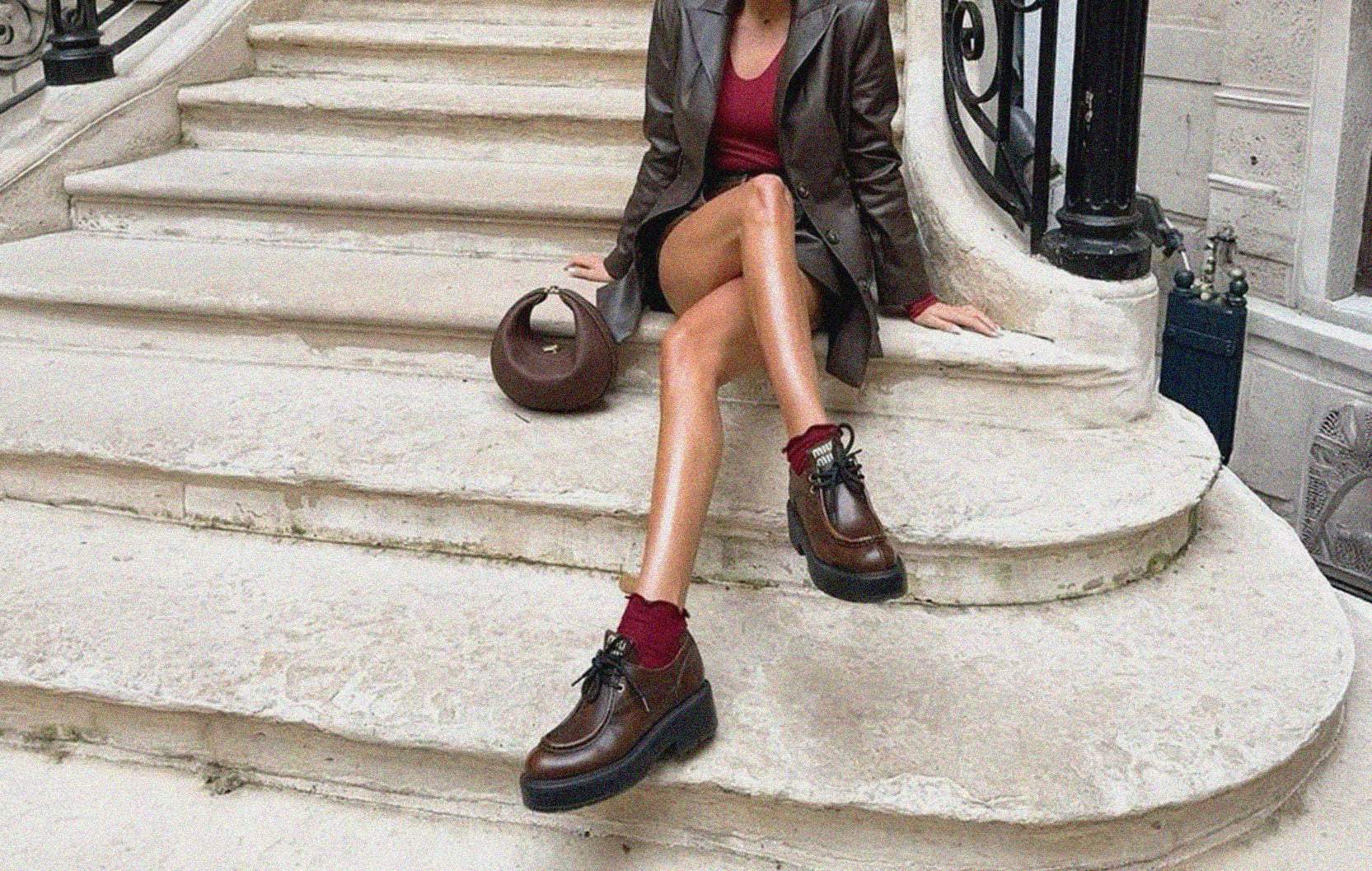
The quilted jacket is the warmth-per-bulk winner. A slim quilted shape, either collarless or with a fine cord collar, slides under a bigger coat in deep winter and stands alone now. It's the least glamorous of the four and the one you will wear the most days. Choose a matte finish and a colour with depth — olive, chocolate, deep navy — and it stops looking like sportswear.
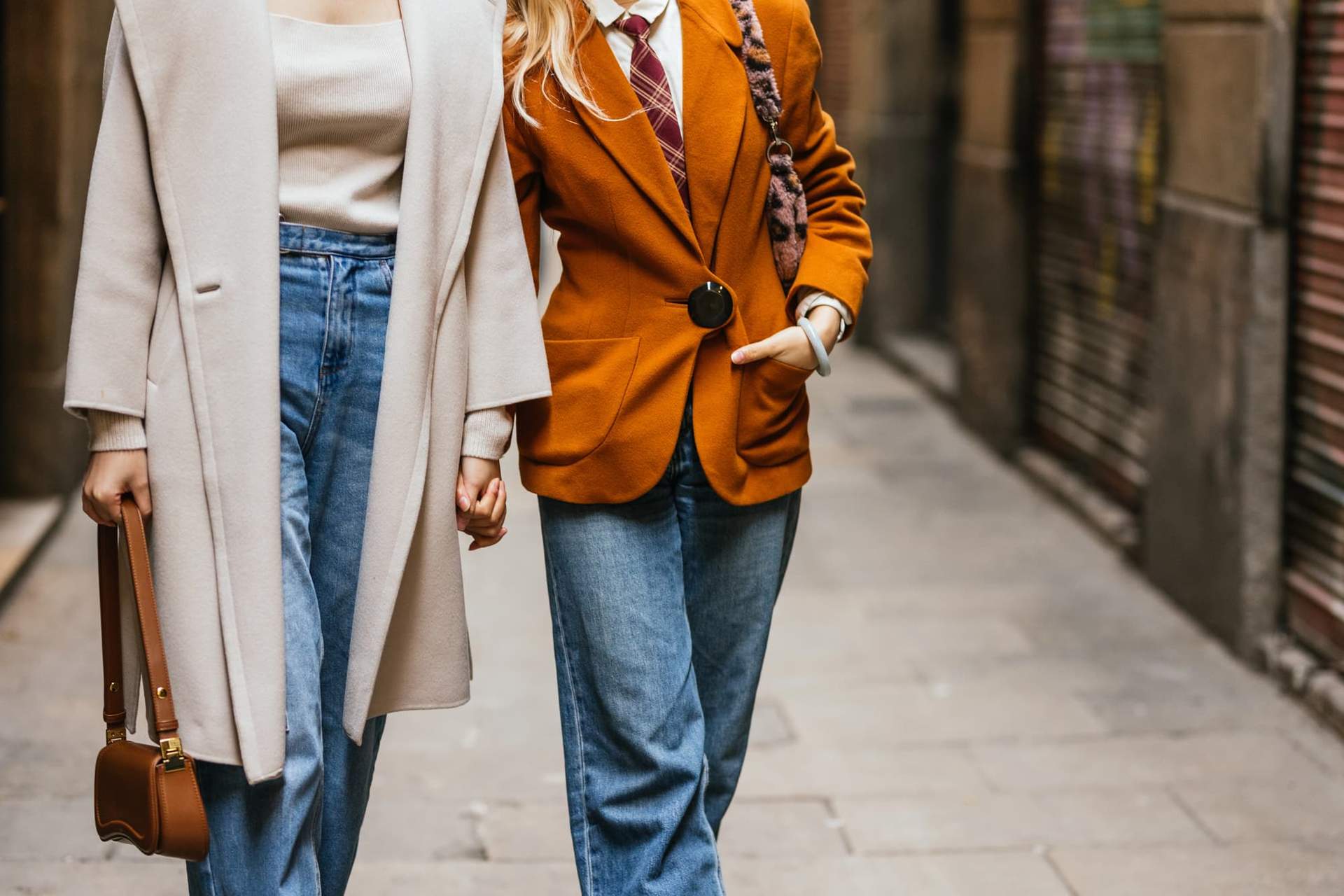
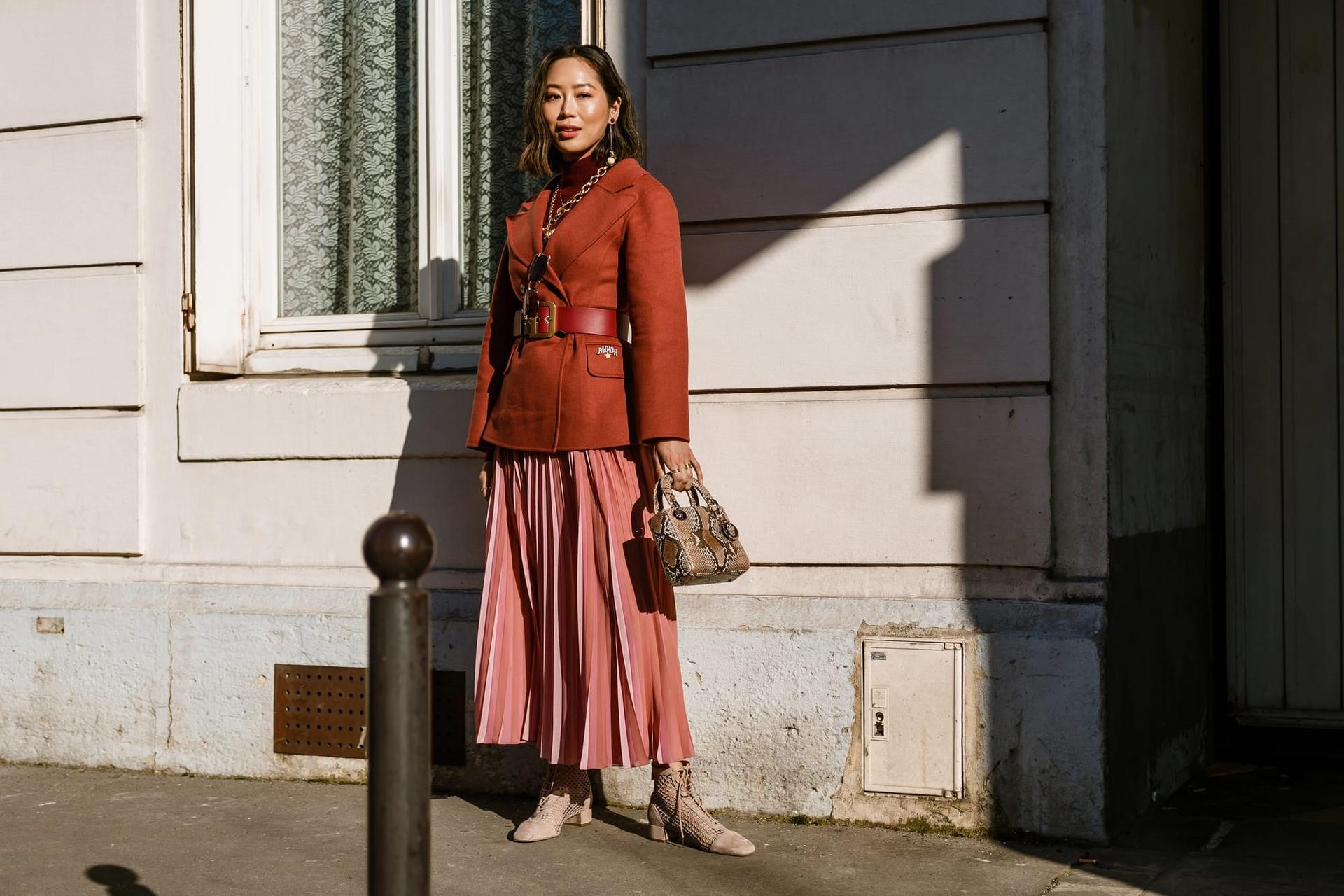
The wool chore jacket or unstructured blazer covers everything the other three don't: dinner, the office, anything where you want a shoulder line. Buy it slightly generous, without heavy shoulder padding, in a wool or wool-blend with some texture. It works as a jacket now and as a layer under a coat in January, which is unusual and worth paying for.
Colour, length and the detail that reads expensive
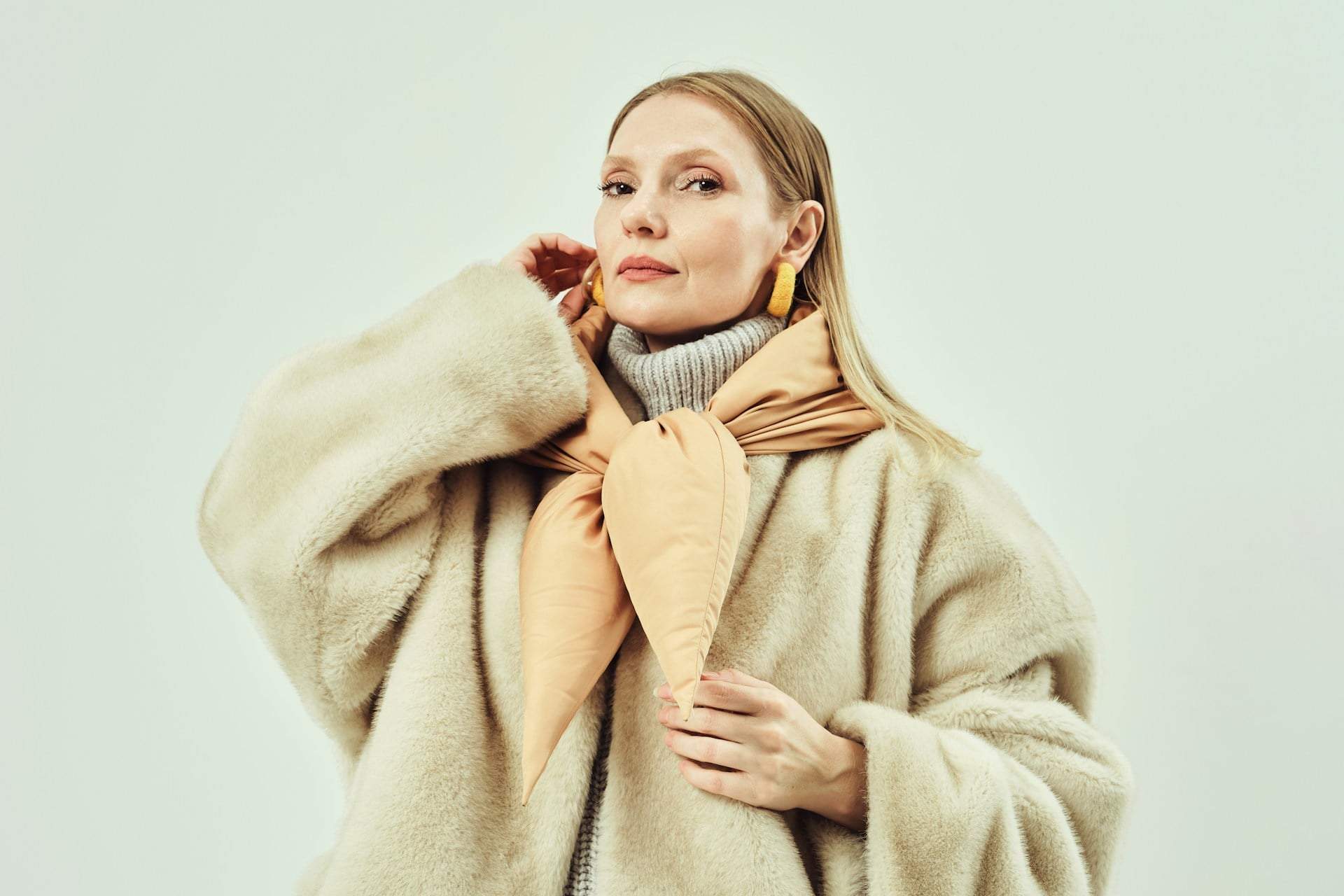
If it's your only jacket, resist the loudest option. Something in a mid-tone with a bit of texture — herringbone, brushed cotton, a soft twill — carries more outfits than a strong colour and looks less like a specific season when you're wearing it in its third year. Save the statement for a scarf, which costs a fraction and can be changed.
Length is what your eye is reacting to when a jacket feels wrong. As a rough guide, a jacket that ends at the widest part of your hip is the least flattering length on most bodies; go an inch shorter or several inches longer. And check the proportion against what you actually wear underneath — a long knit hanging out below a cropped jacket needs to look intentional, not accidental.
How many autumn jackets do I actually need?
Two, honestly: one weatherproof and casual, one smart enough to be seen in indoors. If you already own something in each of those roles, the jacket you're eyeing is a want rather than a gap, which is fine — just be clear about it, because it changes how much you should spend and how forgiving you should be about fit.
What's the one detail that makes an inexpensive jacket look expensive?
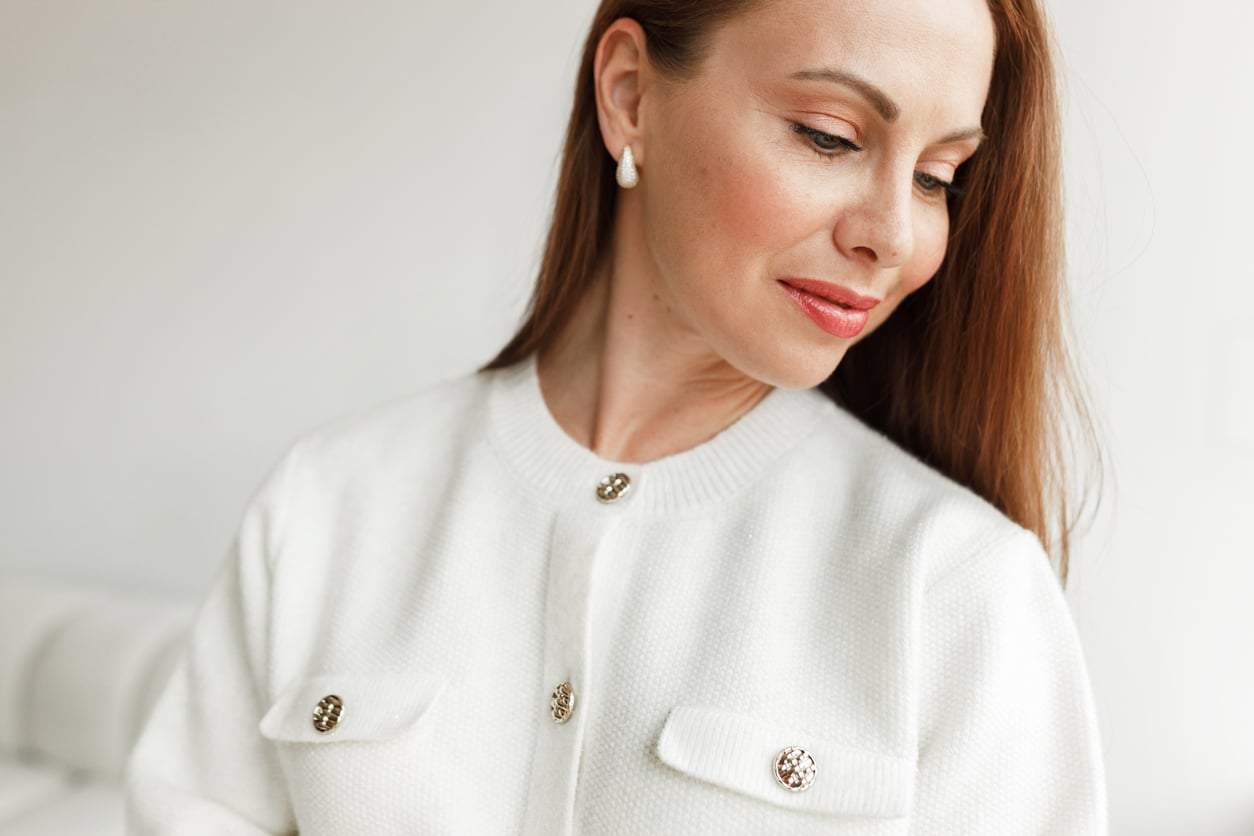
The buttons and the lining, in that order. Cheap plastic buttons undo an otherwise good jacket, and swapping them for horn, corozo or a decent matte metal takes an evening and transforms the whole thing. After that, check the shoulder seam sits where your shoulder actually ends — no amount of quality fabric survives a shoulder in the wrong place.